
2022 Conventional Sleeper Trucks For Sale in Colorado
Browse 2022 conventional sleeper trucks in Colorado. Compare high-roof and mid-roof specs, powertrains, sleeper sizes, and fleet-ready features.
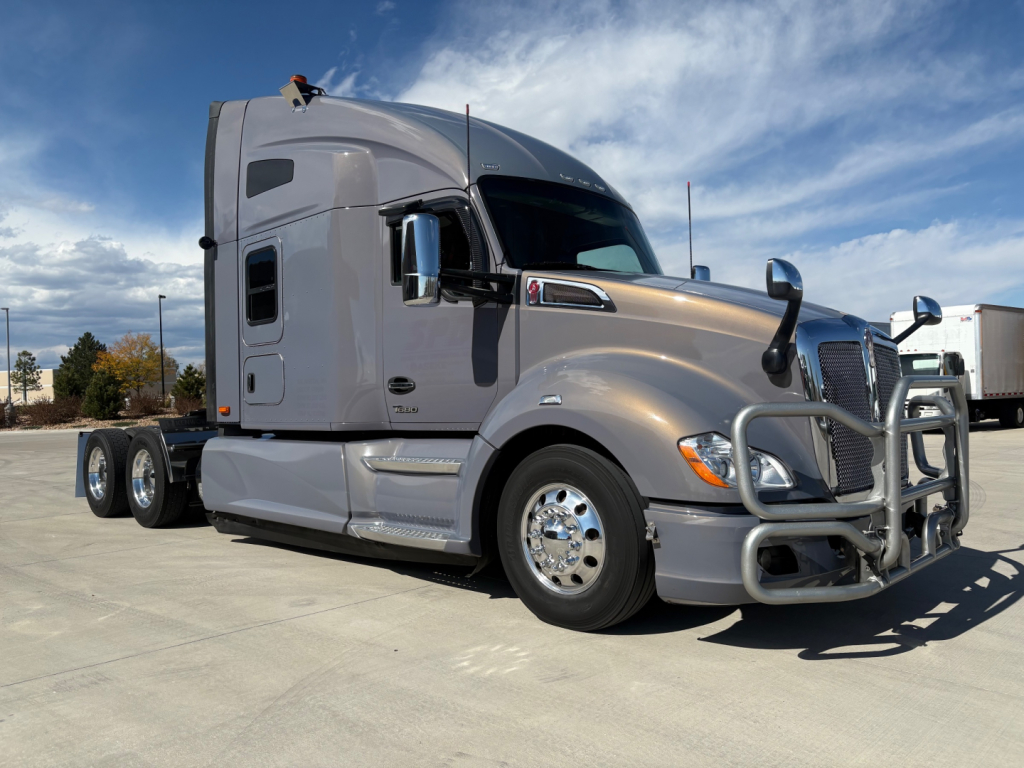
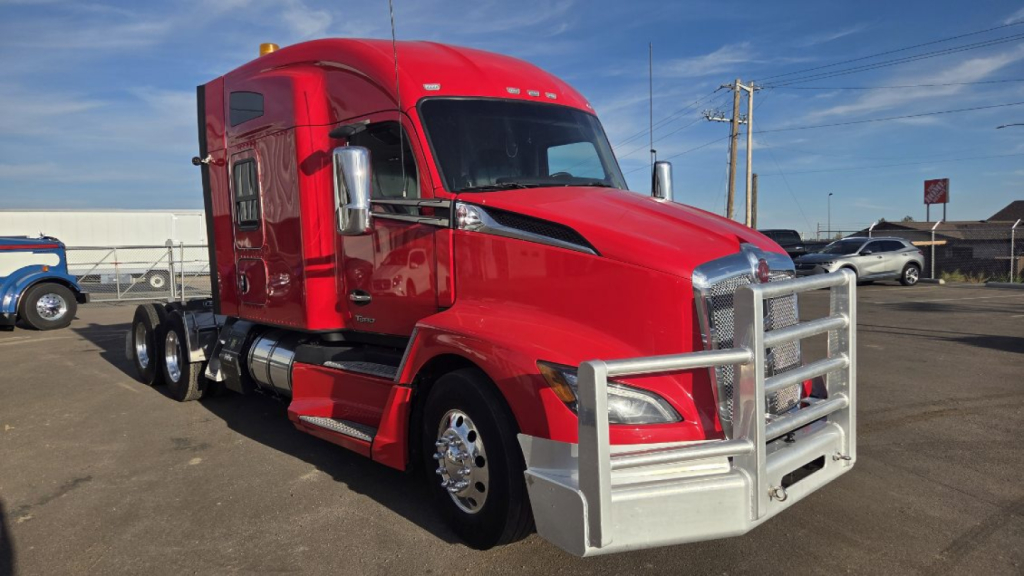
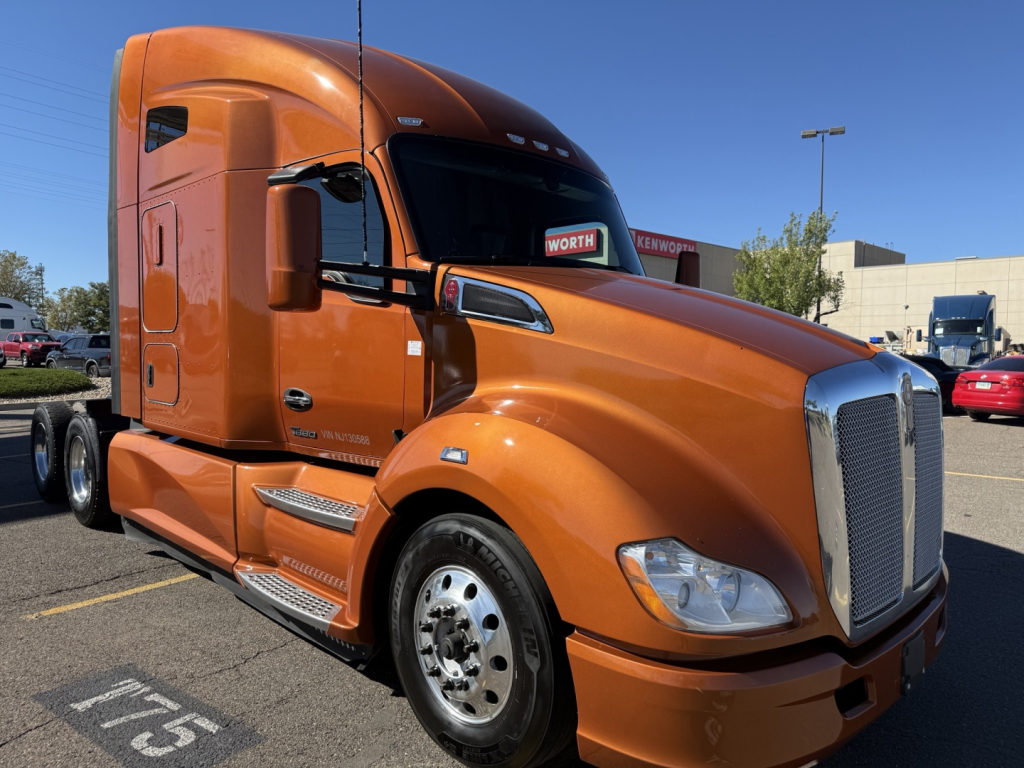
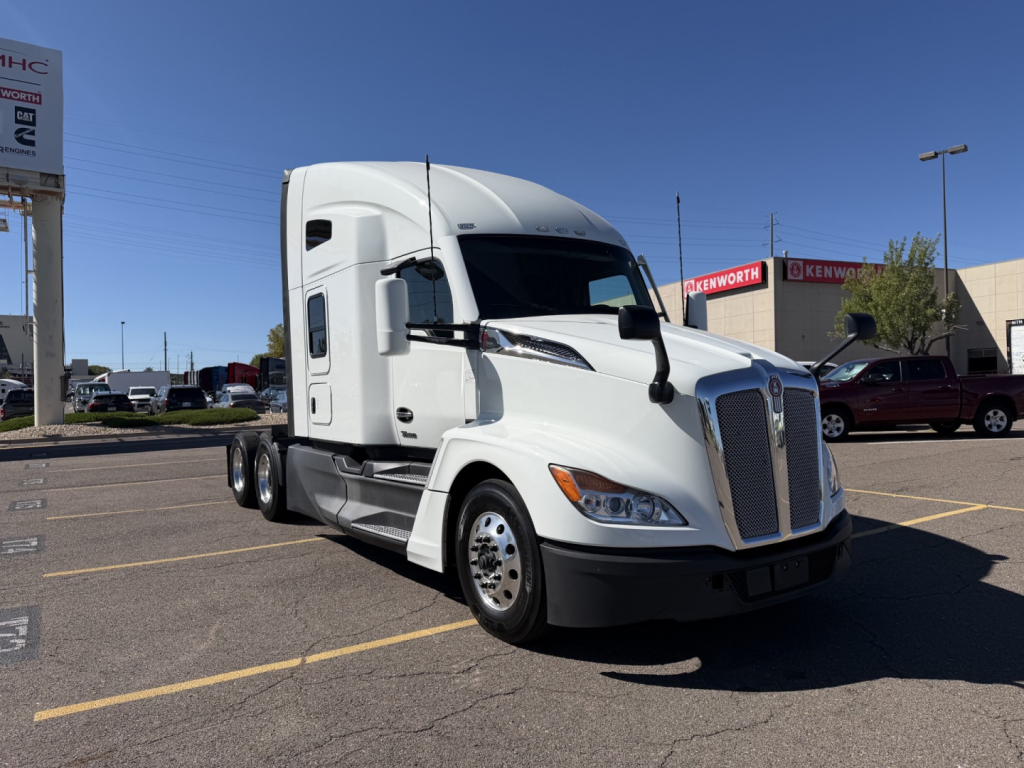

Selling a 2022 conventional sleeper truck? List your 2022 conventional sleeper truck for sale and reach thousands of commercial buyers.
2022 Conventional Sleeper Trucks in Colorado
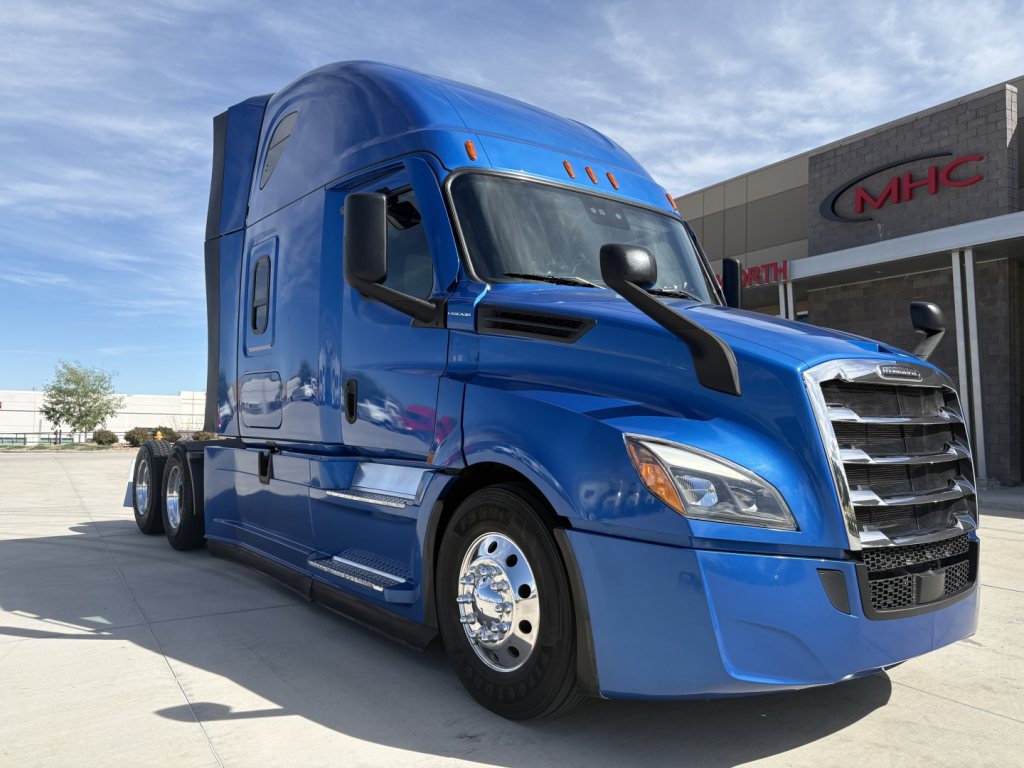
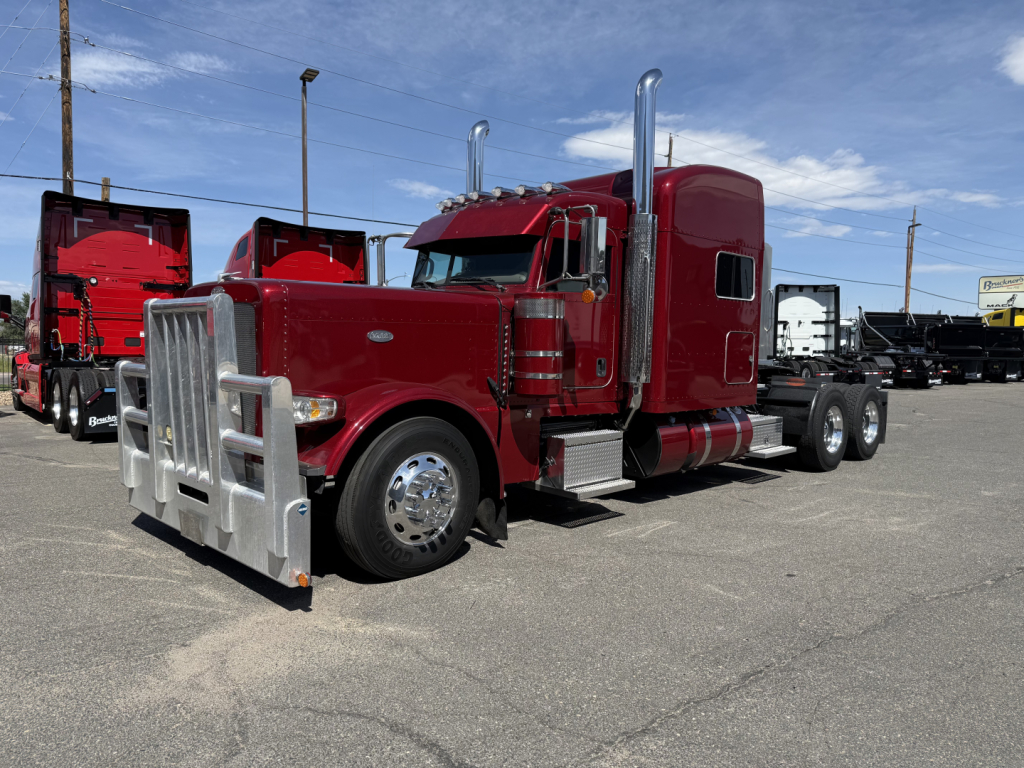
The first buying decision is usually sleeper size and roof height. Mid-roof sleepers can make sense for regional routes, lighter weight targets, and operations that do not need maximum interior storage. High-roof sleepers are more common for over-the-road work because they offer better standing room, more cabinet space, and room for double bunks, refrigerator prep, inverters, and idle reduction equipment. Common sleeper lengths in this segment run roughly from 60 inches to 80 inches, with 70-inch to 76-inch configurations especially common in fleet service. Interior condition matters on a sleeper truck more than it does on a day cab, so buyers should look closely at bunk hardware, HVAC performance, insulation, seals, and signs of excessive idle hours.
Powertrain specs on 2022 conventional sleepers typically center on 11-liter to 15-liter diesel engines paired with automated manual transmissions in the 12-speed range, though some manual transmissions still appear in specialized applications. Typical horsepower falls around 400 to 505 hp, with torque selected to match GCWR, terrain, and cruise speed goals. For Colorado operations, altitude and mountain grades make gearing, engine brake performance, and cooling system condition especially important. A truck that works well on flatter lanes may feel underpowered in western grades if it is spec'd with tall rear ratios for fuel economy alone. Buyers should compare rear axle ratio, wheelbase, fuel capacity, and suspension spec alongside engine make, because those details affect maneuverability, ride quality, and how the truck performs on I-70 climbs or longer interstate runs across the Front Range and beyond.
Late-model 2022 sleepers often include features that directly affect operating cost and driver retention, including disc brakes, adaptive cruise control, collision mitigation, lane departure warning, tire pressure monitoring, and integrated telematics. From a buyer's standpoint, service history is just as important as feature count. Check for documented aftertreatment maintenance, software campaign completion, transmission calibration updates, and any warranty coverage that may remain on the engine, aftertreatment, or driveline. Also pay attention to kingpin setting, fifth wheel travel, fairing condition, and steer axle capacity if the truck will be matched to different trailer types or heavier freight. A well-spec'd 2022 conventional sleeper can be a strong choice for dry van, reefer, dedicated contract freight, and many specialized highway applications where comfort, safety systems, and fuel efficiency all need to work together.
Frequently Asked Questions about 2022 Conventional Sleeper Trucks in Colorado
What should I look for first when buying a 2022 conventional sleeper truck?
Start with the truck's intended lane and trailer type, then match that to sleeper size, engine rating, transmission, rear axle ratio, and wheelbase. A high-roof sleeper with a larger bunk and more storage is usually better for long-haul work, while a shorter sleeper may be enough for regional use. After that, review maintenance records closely, especially for emissions components, transmission software updates, cooling system work, and any warranty coverage that remains.
Are 2022 conventional sleeper trucks good for Colorado hauling?
Yes, but the spec matters more in Colorado than it might in flatter states. Altitude and sustained grades can expose trucks that are geared too tall or underpowered for mountain service. Buyers should pay close attention to horsepower, torque, engine brake strength, rear axle ratio, cooling performance, and brake spec. Disc brakes, collision mitigation, and stable highway manners are especially valuable on mountain corridors and changing weather conditions.
What engine and transmission specs are common in a 2022 sleeper cab tractor?
Most 2022 conventional sleeper trucks use diesel engines in the 11-liter to 15-liter class with ratings around 400 to 505 horsepower. Automated manual transmissions are very common in this model year because they improve consistency, reduce driver fatigue, and help fuel economy. The exact combination should be selected around gross combination weight, terrain, and cruise speed, not just peak horsepower.
How important is sleeper size on a used highway tractor?
Sleeper size has a direct effect on driver comfort, storage, and how suitable the truck is for multiday runs. Common sizes range from about 60 inches to 80 inches, with 70-inch to 76-inch sleepers widely used in over-the-road service. Buyers should consider stand-up room, bunk layout, cabinet space, refrigerator or inverter prep, and the condition of the interior systems. A larger sleeper can support retention and comfort, but it may also add weight and cost.
Do advanced safety systems on a 2022 conventional sleeper add value?
In many operations they do, especially for fleet buyers and high-mileage highway service. Features such as adaptive cruise control, forward collision warning, lane departure warning, electronic stability control, and blind spot support can improve safety performance and reduce driver fatigue. The key is to confirm that the systems are functioning properly, free of warning lights, and supported by current calibration and service records.