
Mack Conventional Sleeper Trucks For Sale in Colorado
Shop Mack conventional sleeper trucks with MP8 or MP13 power, mDrive transmissions, high-roof sleepers, and specs built for long-haul freight.
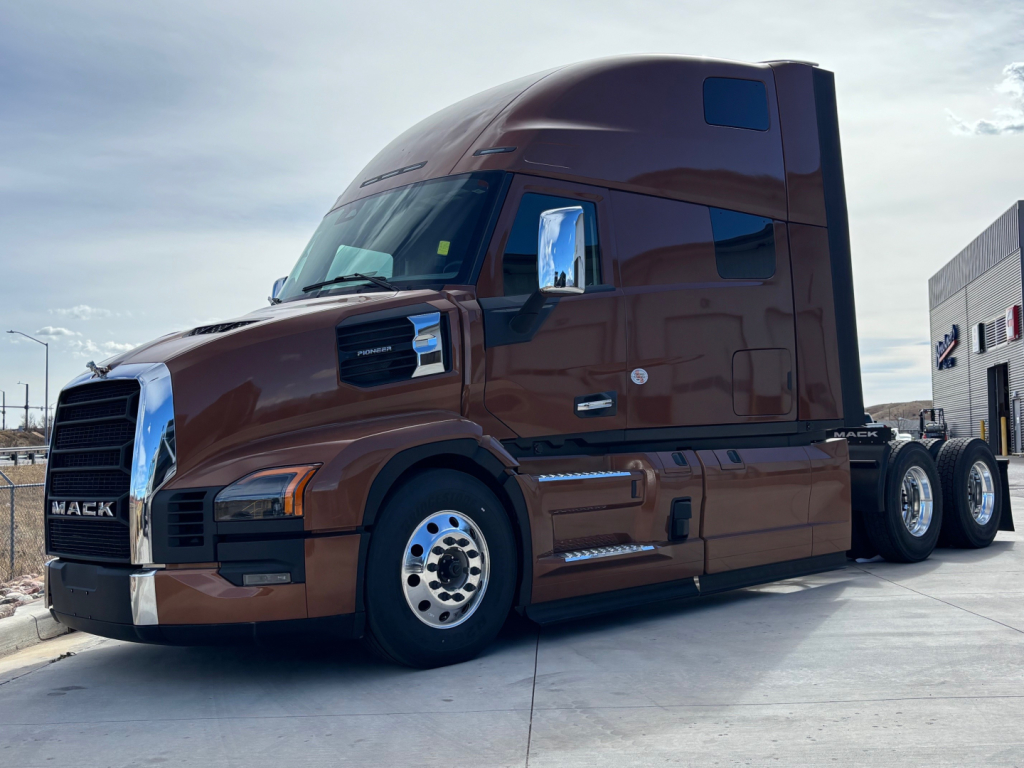
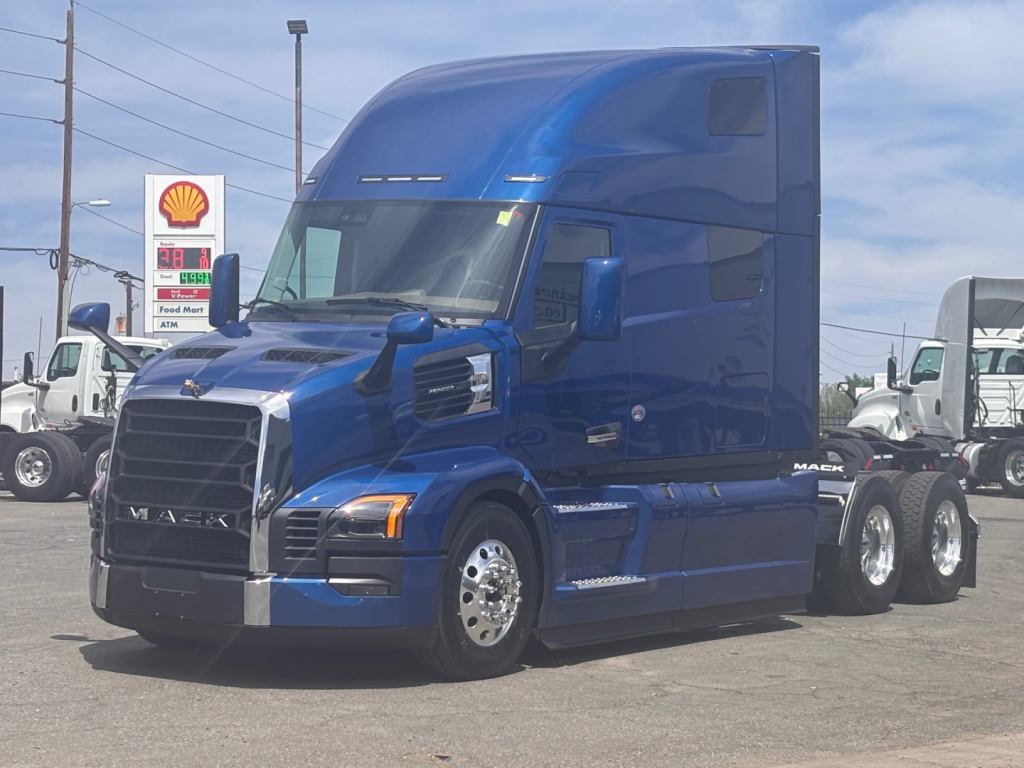
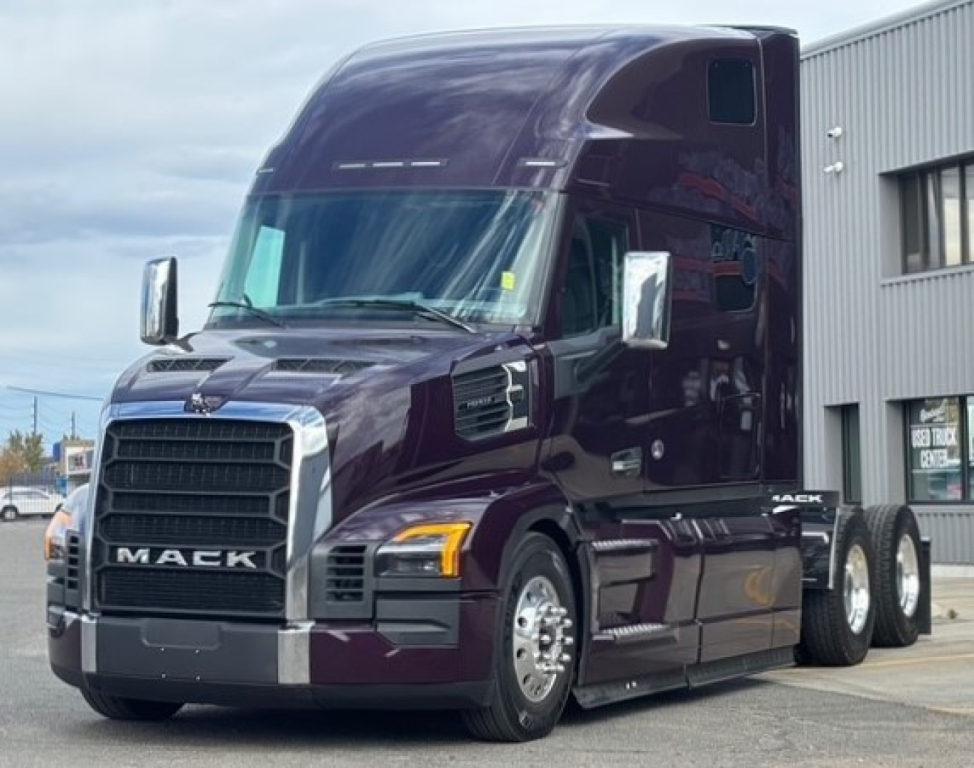

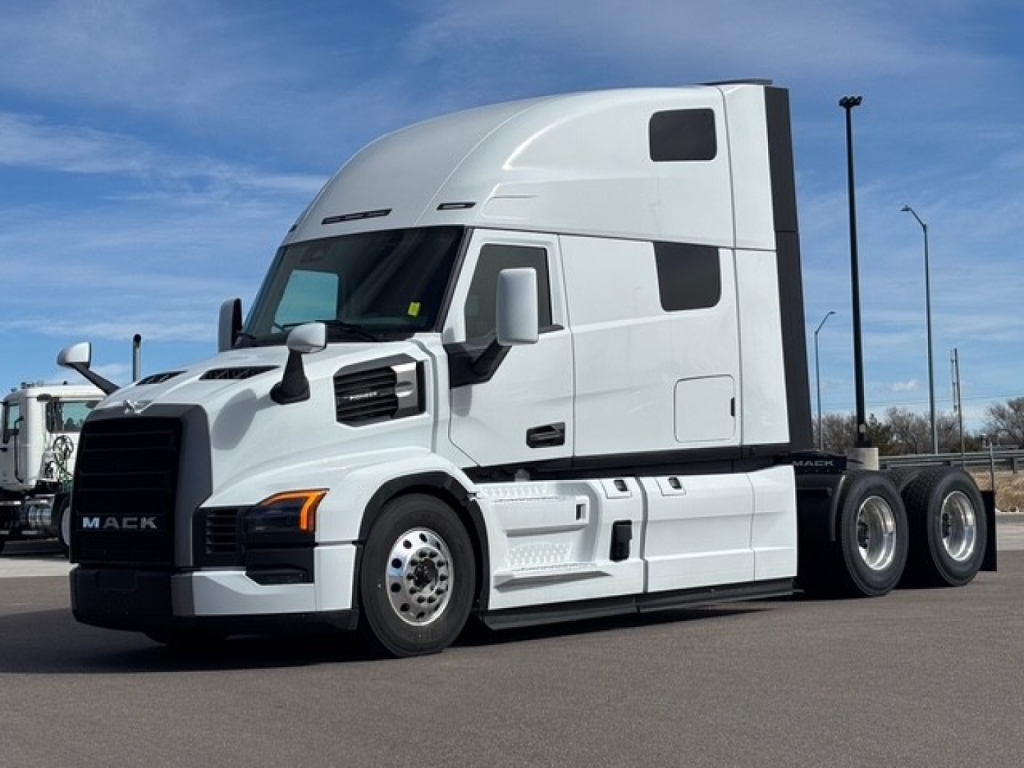
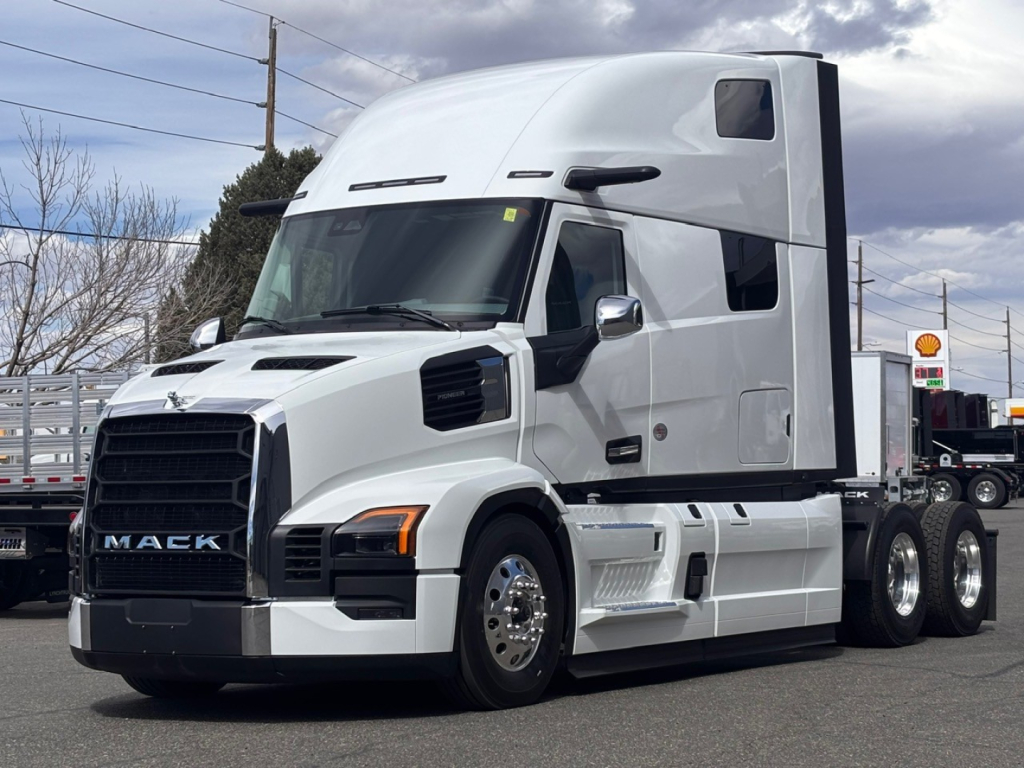
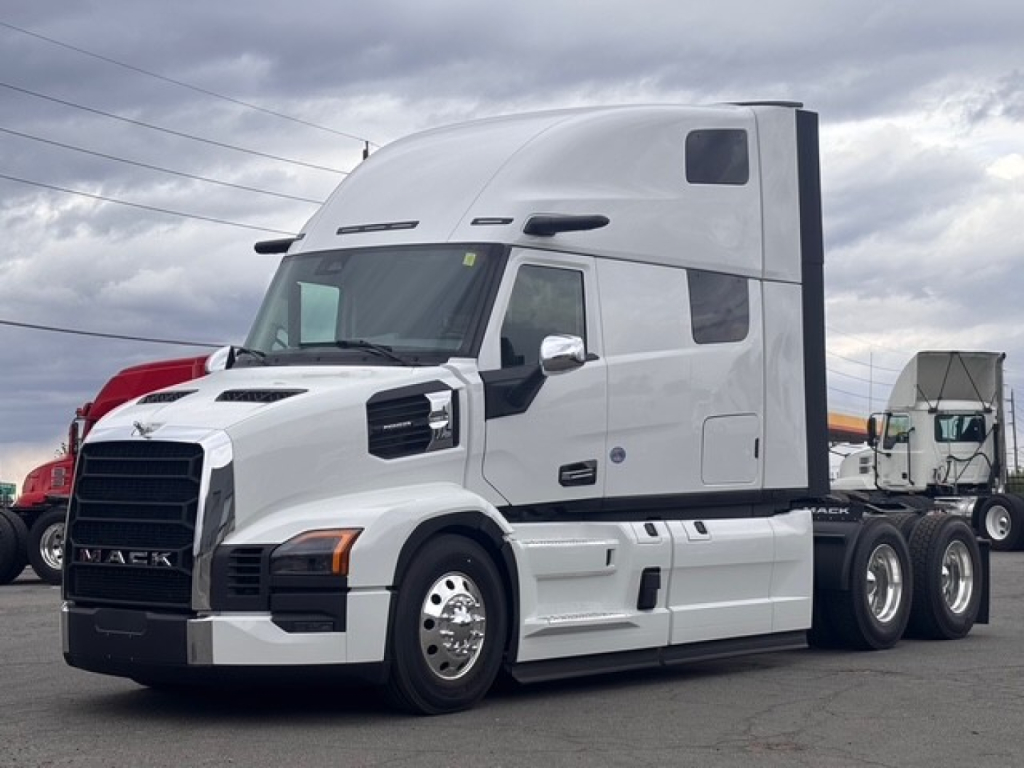
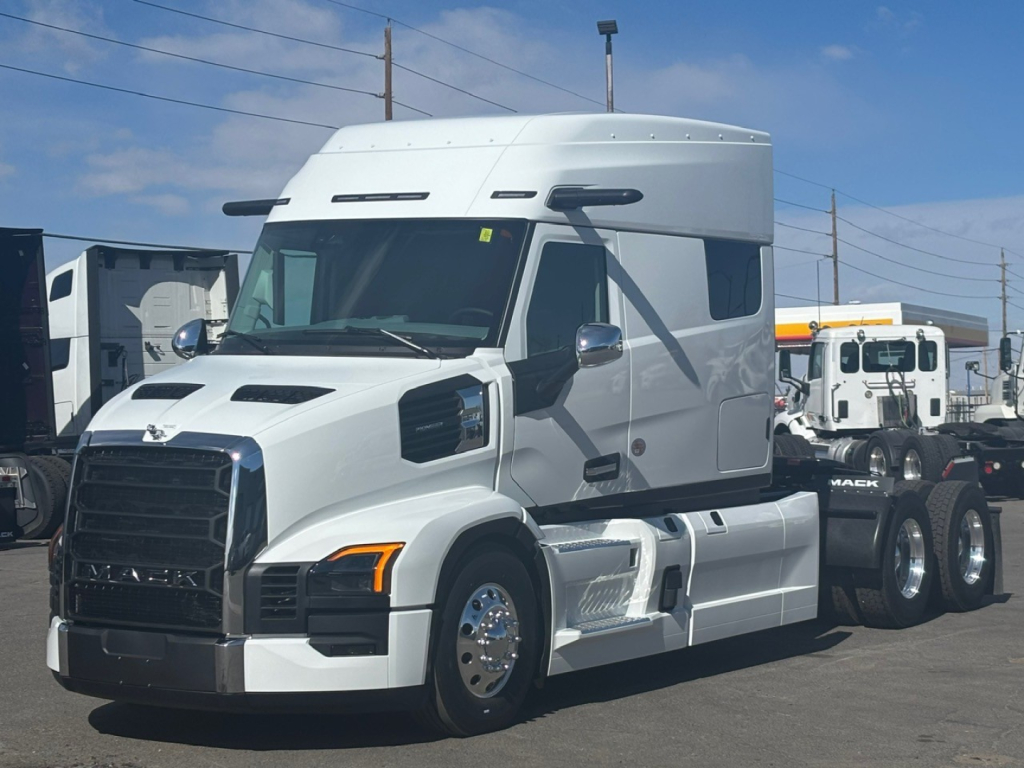
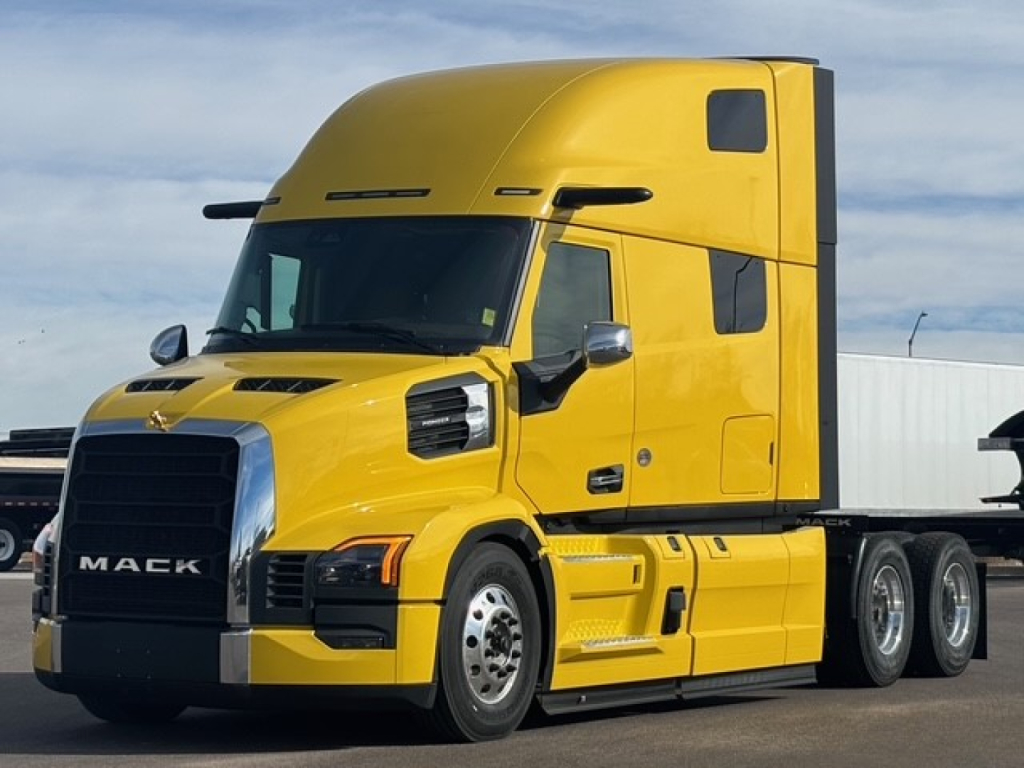
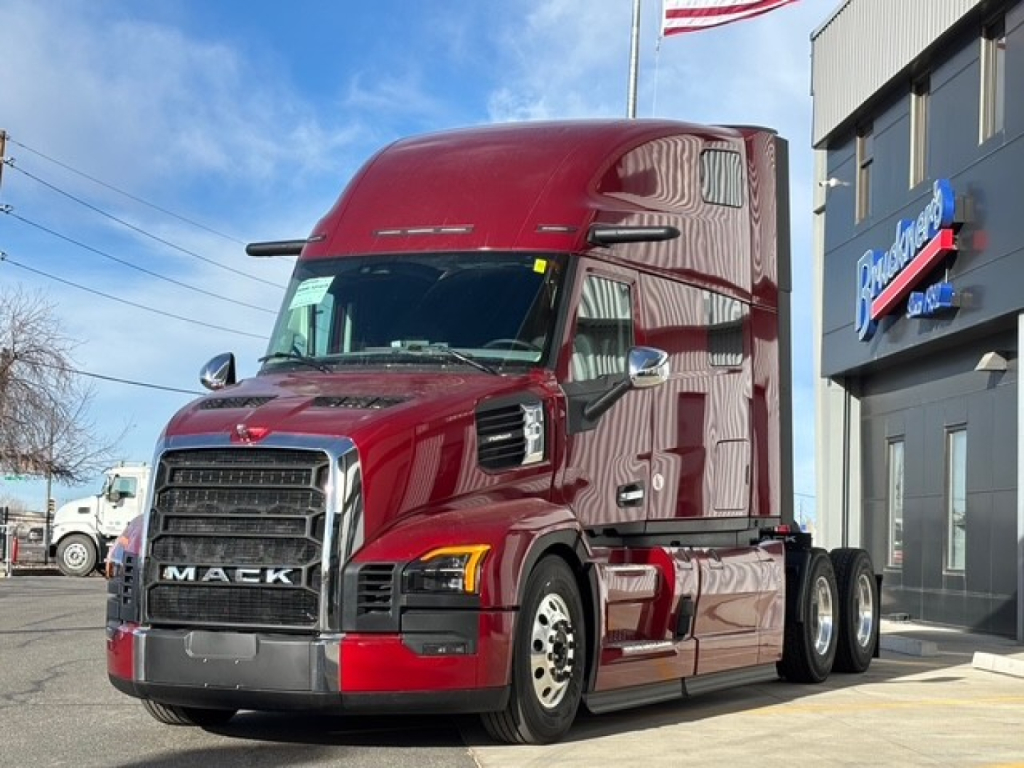
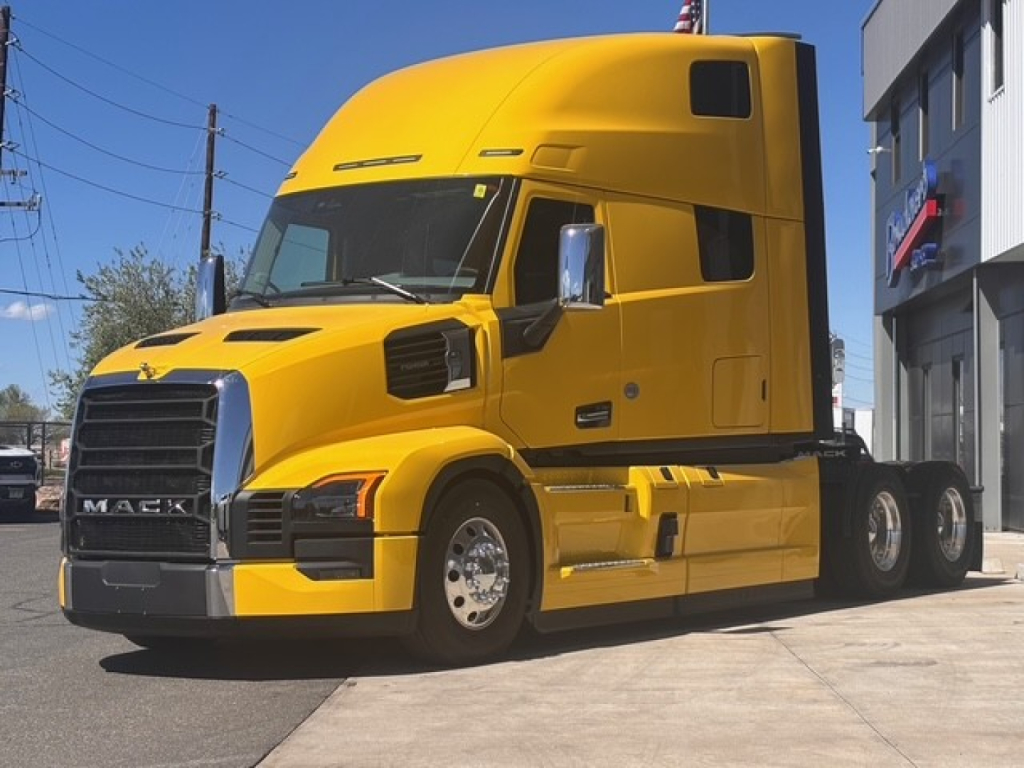
Selling a mack conventional sleeper truck? List your mack conventional sleeper truck for sale and reach thousands of commercial buyers.
Mack Conventional Sleeper Trucks in Colorado
For a Colorado buyer, gearing, axle configuration, and engine rating deserve extra attention. Trucks running I-70, Front Range freight, or mountain corridors need a spec that balances cruise RPM with gradeability. Rear ratios such as 2.79 and 3.08 are common, and the right choice depends on average gross weight, terrain, and how much time the truck spends pulling long western grades versus flatter interstate lanes. Most Mack sleeper conventionals in this class use air ride suspension, 40,000-pound tandem rears, and wheelbases around the low-200-inch to upper-230-inch range. Some listings may include pusher axles, lighter rear axle ratings, or weight-conscious specs tailored to specialized regional operations.
Sleeper layout and cab equipment can make a major difference in resale and driver acceptance. High-rise and stand-up sleepers often include upper bunks, bunk heaters, integrated coolers, refrigerators, and premium sleeper control packages. Aerodynamic fairings, cab extenders, air-slide fifth wheels, dual aluminum fuel tanks, and aluminum wheels are all common features in this category because they support long-haul efficiency and practical day-to-day operation. Newer Mack configurations may also include air disc brakes, digital mirrors, advanced driver assistance systems, lane support, backup cameras, and upgraded interior packages with heated or ventilated seats.
A smart buying decision in this category comes down to matching the truck spec to the freight. A 445 HP fleet sleeper with a 2.79 ratio can be a strong fit for van or reefer lanes focused on fuel economy, while a heavier 505 HP or MP13-equipped truck may make more sense for higher gross weights, mountain work, or faster highway performance. Buyers should compare sleeper height, bunk arrangement, wheelbase, axle ratings, suspension type, brake spec, and drivetrain integration before narrowing down options. Mack conventional sleeper trucks are best known for a stable highway ride, strong cab construction, and a factory-matched powertrain that appeals to fleets and owner-operators who want a straightforward long-haul tractor with modern driver amenities.
Frequently Asked Questions about Mack Conventional Sleeper Trucks in Colorado
What engines are common in Mack conventional sleeper trucks?
Most Mack conventional sleeper trucks in this category are equipped with Mack MP8 or MP13 diesel engines. The MP8 is a common choice in the 445 to 505 horsepower range for general highway freight, while the MP13 is typically selected when buyers want more displacement and stronger performance for heavier loads or demanding terrain. Engine selection should be matched to average gross weight, route profile, and target cruise speed.
Is the Mack mDrive transmission a good fit for long-haul sleeper applications?
Yes. The Mack mDrive automated manual is widely used in sleeper tractors because it reduces driver fatigue, improves shift consistency, and works as part of Mack's integrated powertrain strategy. For buyers comparing trucks, the mDrive can be especially attractive in fleet service and over-the-road lanes where fuel economy, ease of training, and predictable drivability are priorities.
What sleeper sizes are typical on Mack conventional sleeper trucks?
Common Mack sleeper configurations in this class are usually 70-inch to 76-inch high-roof or stand-up sleepers. These sleepers are designed for over-the-road use and may include double bunks, storage cabinets, bunk heaters, refrigerators, and upgraded control panels. The right sleeper size depends on length of haul, team or solo operation, and how much onboard storage and living space the driver needs.
What specs matter most when buying a Mack sleeper truck in Colorado?
In Colorado, buyers should pay close attention to horsepower, rear axle ratio, transmission programming, and axle ratings because elevation and mountain grades can expose an underpowered or poorly geared spec. A fuel-economy setup may work well for lighter interstate freight, but steeper terrain and heavier loads often justify more horsepower or a shorter rear ratio. Brake type, suspension, and wheelbase also matter for control and stability on mixed highway and mountain routes.
What is the difference between a Mack Anthem and a Mack Pioneer sleeper truck?
The Anthem is Mack's established highway conventional platform and is well known for aerodynamic styling, integrated powertrain options, and fleet-friendly sleeper specs. The Pioneer is a newer generation Mack highway tractor that may include more advanced safety technology, interior upgrades, and refined driver comfort features depending on configuration. Buyers comparing the two should look closely at sleeper layout, engine family, brake package, and technology content rather than relying on model name alone.