
Conventional Sleeper Trucks For Sale in Mississippi
Browse conventional sleeper trucks for sale in Mississippi. Compare sleeper sizes, powertrains, axle setups, and specs for long-haul work.
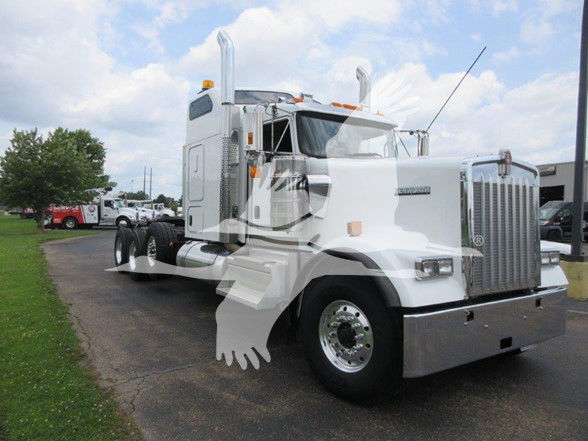
Selling a conventional sleeper truck? List your conventional sleeper truck for sale and reach thousands of commercial buyers.
Conventional Sleeper Trucks in Mississippi
The first decision is usually application. A high-horsepower conventional sleeper with an 18-speed manual, longer wheelbase, and heavier front axle is common in lowboy, tanker, and specialized haul work. Aerodynamic sleepers with automated manual transmissions, mid-roof or high-roof cabs, and 400 to 500-plus horsepower are more typical for van and reefer operations focused on fuel economy and driver retention. Common powerplants in this class include Cummins X15, Paccar MX, Volvo D13, and Detroit DD15 engines. Buyers should also compare rear axle ratios, suspension type, tandem versus tri-axle setups, and fifth wheel placement because those details affect bridge compliance, kingpin settings, maneuverability, and how well the truck matches a trailer fleet.
Sleeper configuration matters more than many first-time buyers expect. A 60-inch to 72-inch sleeper is a common sweet spot for long-haul use, while larger raised-roof sleepers add storage and stand-up room for team service or extended time away from home. Interior condition, bunk layout, HVAC performance, inverter setup, and idle management systems all affect operating comfort in Southern climates. On the chassis side, pay attention to frame rail spec, wheelbase, PTO provisions, tire size, brake type, and fuel capacity. Mississippi buyers running mixed regional and long-distance routes may also want to look closely at corrosion condition, service records, emissions system history, and signs of prior heavy-haul use.
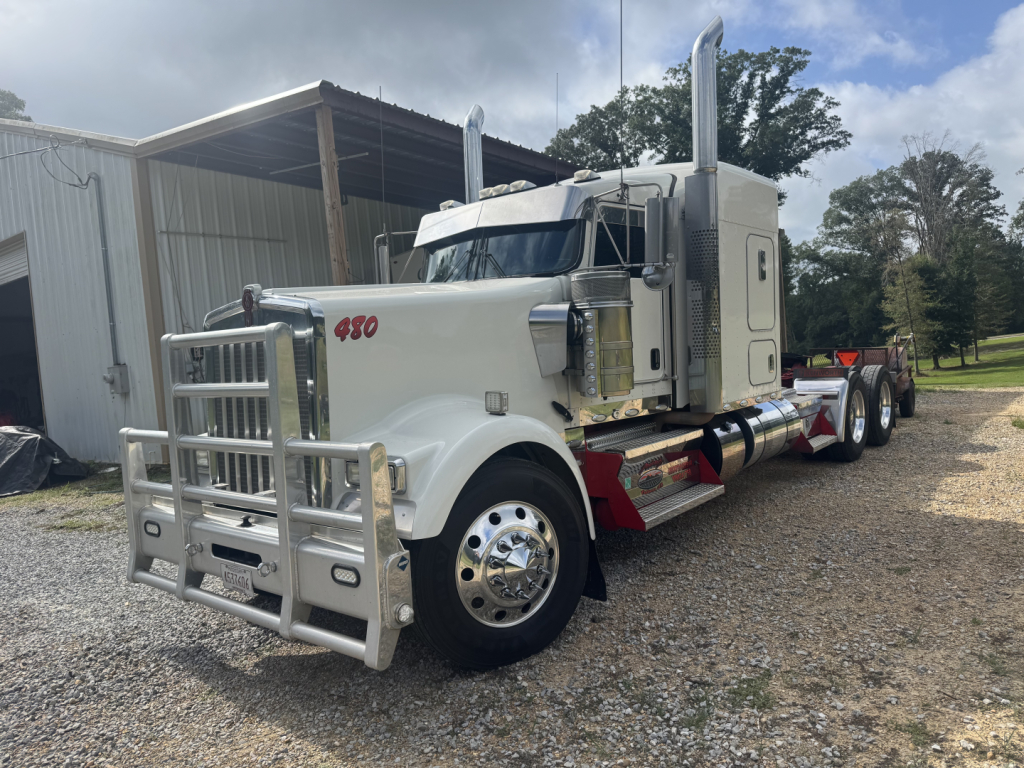
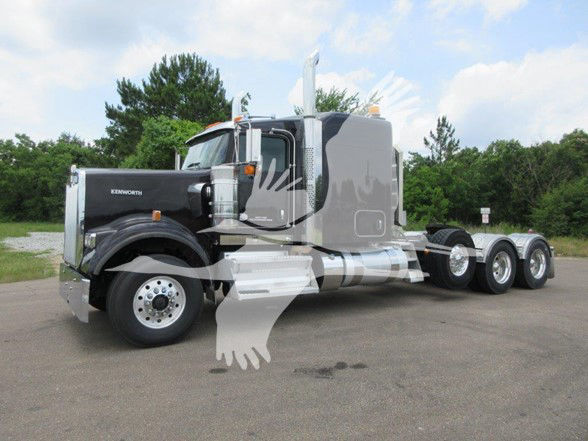
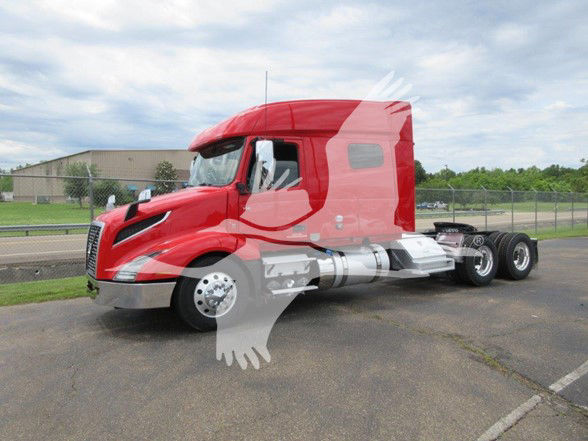
A good conventional sleeper truck should fit the freight first and the image second. Classic long-hood models such as the Kenworth W900 remain popular for owner-operators and specialized hauling because of their presence, serviceability, and heavy-spec potential, while aerodynamic platforms like the Volvo VNL are often chosen for lower fuel burn and modern driver amenities. The best value usually comes from matching horsepower, transmission, sleeper layout, and axle spec to the lanes you run every week. Buyers comparing conventional sleeper trucks for sale in Mississippi should focus on downtime risk, driveline spec, and cab comfort just as much as model year and mileage.
Frequently Asked Questions about Conventional Sleeper Trucks in Mississippi
What is a conventional sleeper truck?
A conventional sleeper truck is a highway tractor with the engine mounted ahead of the cab and a built-in sleeping compartment behind the seats. It is the standard configuration for long-haul trucking in North America and is also called a sleeper tractor or sleeper cab semi. Compared with a day cab, it gives the driver onboard sleeping space, more storage, and better suitability for multi-day routes.
What sleeper size is best for long-haul trucking?
For many single-driver over-the-road applications, a 60-inch to 72-inch sleeper offers a strong balance of comfort, weight, and wheelbase. Larger high-roof sleepers provide more headroom, cabinets, and living space, which can be valuable for team operations or long stretches away from home. The best choice depends on route length, trailer type, driver preferences, and how much chassis length you can give up before maneuverability becomes a problem.
How do I choose between a classic long-hood sleeper and an aerodynamic sleeper?
A classic long-hood conventional sleeper is often preferred for heavy haul, vocational crossover work, and buyers who want a heavier front-end spec, longer wheelbase, or traditional serviceability. An aerodynamic sleeper is usually the better fit for dry van, reefer, and high-mileage freight where fuel economy and tighter operating costs matter most. The right decision comes down to axle ratings, horsepower, transmission, route profile, and total operating cost rather than appearance alone.
What specs matter most when buying a used conventional sleeper truck?
The most important specs are engine model and horsepower, transmission type, rear axle ratio, suspension, wheelbase, sleeper size, fuel capacity, and axle ratings. Buyers should also evaluate emissions system history, maintenance records, frame condition, tire wear pattern, brake condition, and signs of prior heavy-haul or oversized service. A truck with the right driveline and axle spec for the freight will usually outperform a newer truck that is mismatched to the job.
Are tri-axle conventional sleeper trucks common?
Tri-axle conventional sleepers are less common than tandem axle road tractors, but they are widely used in specialized applications such as lowboy hauling, heavy equipment transport, and certain regional weight-sensitive operations. The extra axle can improve legal payload distribution and help match state bridge and permit requirements. Buyers should confirm local regulations, axle spacing, suspension spec, and intended trailer pairing before choosing a tri-axle setup.