
Kenworth Conventional Sleeper Trucks For Sale in Mississippi
Shop Kenworth conventional sleeper trucks for long-haul, heavy haul, and owner-operator use, including W900 and T660 sleeper configurations.
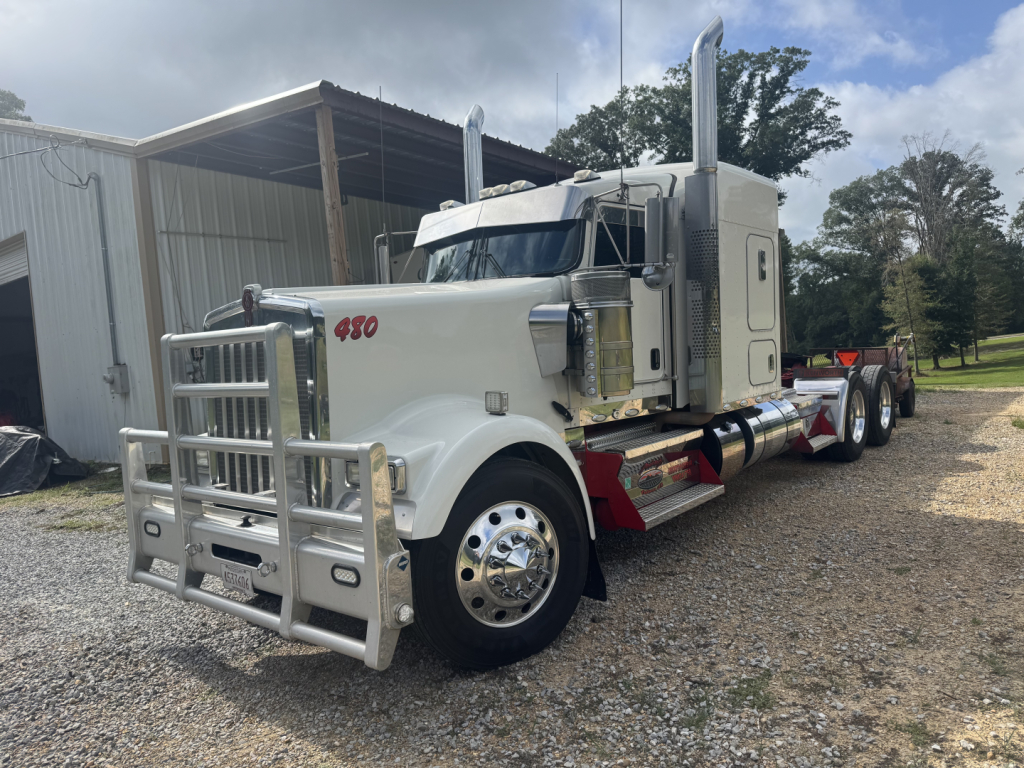
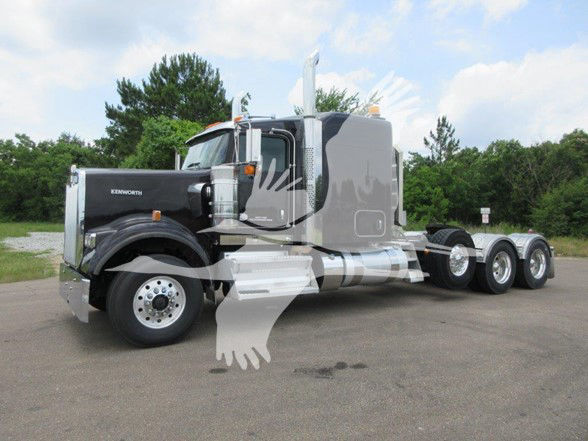
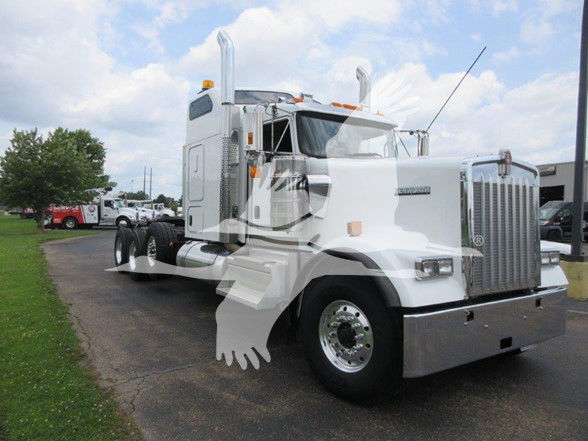
Selling a kenworth conventional sleeper truck? List your kenworth conventional sleeper truck for sale and reach thousands of commercial buyers.
Kenworth Conventional Sleeper Trucks in Mississippi
Powertrain choices on Kenworth sleeper trucks commonly include Cummins ISX15 and X15 engines, often rated from around 450 hp up to 605 hp depending on application. Manual 13-speed and 18-speed transmissions are common, especially on vocational, lowboy, and heavy-haul specs, while rear axle ratings can range from standard tandem highway setups to tridem configurations with 40,000 to 46,000 lb rears or more. Pay close attention to rear axle ratio, suspension brand, and wheelbase because those three specs say a lot about how the truck was intended to work. A 3.25 ratio with an aero sleeper points toward long-distance highway efficiency, while a longer wheelbase, higher horsepower rating, and triaxle setup are usually aimed at lowboy, specialized hauling, or high gross combined weight work.
The sleeper itself matters as much as the engine. Kenworth conventional sleepers are often found with 72-inch sleepers in flat top, raised roof, or Aerodyne configurations. A flat top can be a practical choice where height matters or for regional overnight use, while raised roof and Aerodyne sleepers give the driver more room and better long-haul livability. Buyers should also look at fuel capacity, fairings, cab extenders, exhaust layout, and fifth wheel setup. Features like an air-slide fifth wheel, dual aluminum tanks, air ride suspension, power windows, and tilt-telescoping steering are common on road tractors that spend serious time on the interstate.
In Mississippi, a Kenworth sleeper truck may be spec'd for a mix of regional freight, port work, agricultural hauling, construction support, or long-haul lanes across the Southeast. That makes condition and prior application especially important. A clean highway T660 with moderate horsepower and an aerodynamic package is a different tool than a W900L triaxle with a 605 hp X15 and Neway suspension. Buyers comparing listings should focus on emissions year, mileage, maintenance history, tire and brake condition, frame integrity, and whether the truck's sleeper, axle, and gearing match the intended load profile. The right Kenworth conventional sleeper should fit the freight first, then the driver's comfort and brand preference.
Frequently Asked Questions about Kenworth Conventional Sleeper Trucks in Mississippi
What is the difference between a Kenworth T660 sleeper and a Kenworth W900 sleeper?
The Kenworth T660 is an aerodynamic conventional sleeper designed primarily for over-the-road fuel efficiency and highway operation. It typically has a more streamlined hood, fairings, and a spec that supports lower rpm cruising. The Kenworth W900, including W900B and W900L versions, uses a long-hood design that is popular in heavy haul, specialized transport, and owner-operator applications where appearance, service access, and heavier drivetrain specs matter. The choice usually comes down to fuel economy and freight type versus classic styling and heavy-spec flexibility.
What horsepower range is common in Kenworth conventional sleeper trucks?
A common horsepower range for Kenworth conventional sleeper trucks is about 450 to 605 hp, with Cummins ISX15 and X15 engines appearing often in this category. Trucks on the lower end of that range are typically spec'd for general over-the-road freight and better fuel economy, especially when paired with moderate rear axle ratios. Trucks at 500 hp and above, especially with 18-speed transmissions and heavier rear axles, are more often set up for heavy haul, lowboy, or high-GCW applications.
How do I choose the right sleeper size and roof style on a Kenworth?
A 72-inch sleeper is one of the most common choices because it gives enough room for long-haul use without pushing the chassis into an impractical wheelbase for many operations. Flat top sleepers are often selected when overall height or weight matters, or when the truck is used for shorter overnight runs. Raised roof and Aerodyne sleepers provide more interior space and better driver comfort on extended trips. The best choice depends on length of haul, driver preferences, and how the truck needs to be balanced with trailer swing clearance, fifth wheel position, and bridge laws.
Why do wheelbase, axle count, and rear axle ratio matter on a conventional sleeper truck?
These specs directly affect maneuverability, legal payload setup, road speed, and intended application. A shorter tandem-axle truck with a highway ratio such as 3.25 is generally built for linehaul efficiency and easier turning. A longer wheelbase with a triaxle or heavier rear suspension points toward specialized hauling, heavier trailers, or higher gross weight operation. Rear axle ratio also determines how the truck performs at cruise speed and under load, so buyers should match ratio and transmission to the terrain, trailer type, and weight they expect to pull.
What should I inspect first on a used Kenworth conventional sleeper?
Start with the engine history, transmission operation, emissions components, and any documentation showing prior repairs or overhauls. Then inspect the frame rails, suspension, steering, tires, brakes, and fifth wheel for wear that matches the truck's claimed use. On a sleeper truck, condition inside the bunk area can also reveal how the truck was treated over time. If the truck is a heavier W900 or triaxle spec, pay extra attention to axle alignment, suspension wear, driveline condition, and signs of repeated heavy-load stress.