
Conventional Sleeper Trucks For Sale in South Carolina
Compare conventional sleeper trucks for sale in South Carolina by gearing, sleeper layout, cooling capacity and emissions history for port and interstate work.
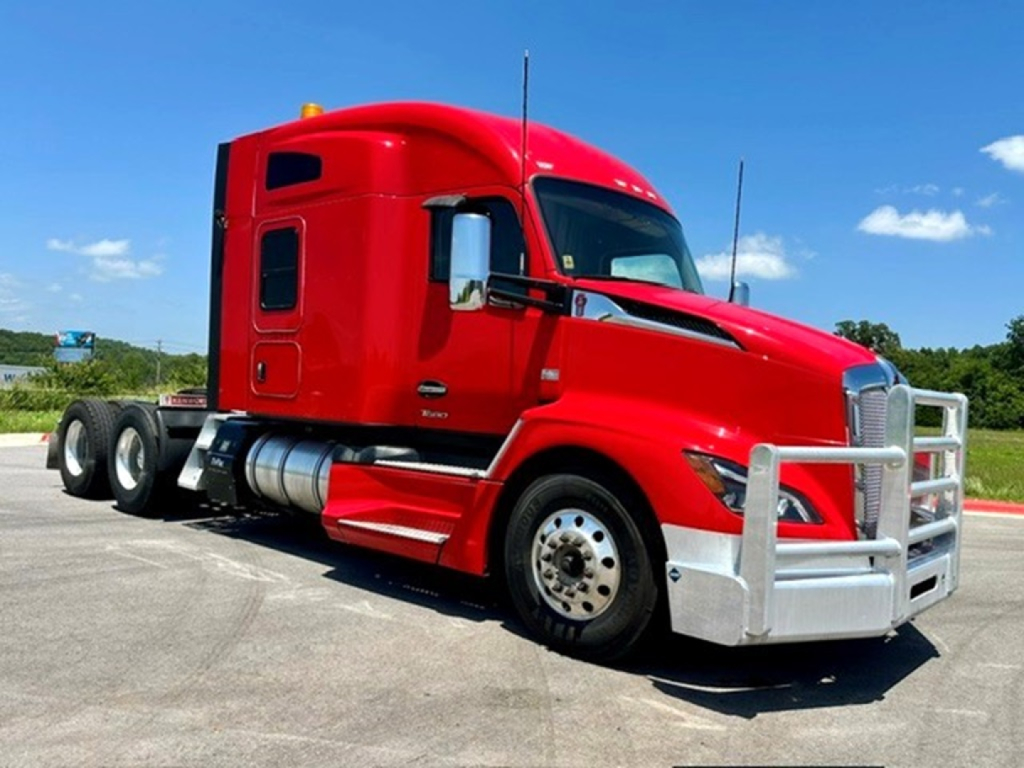
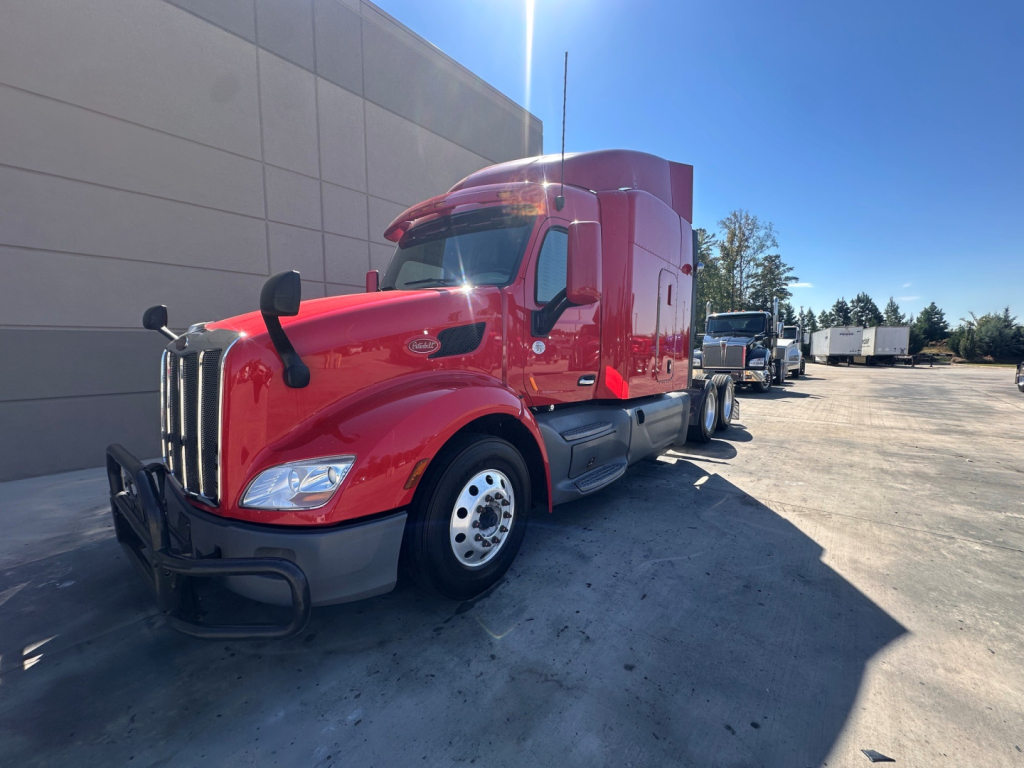
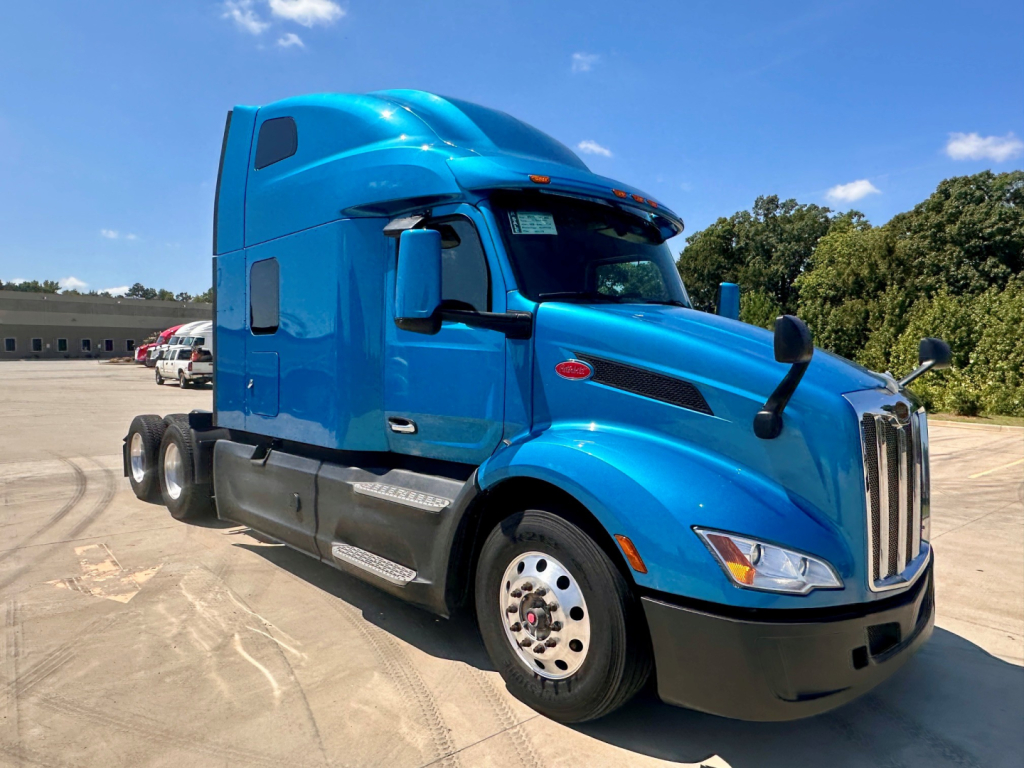
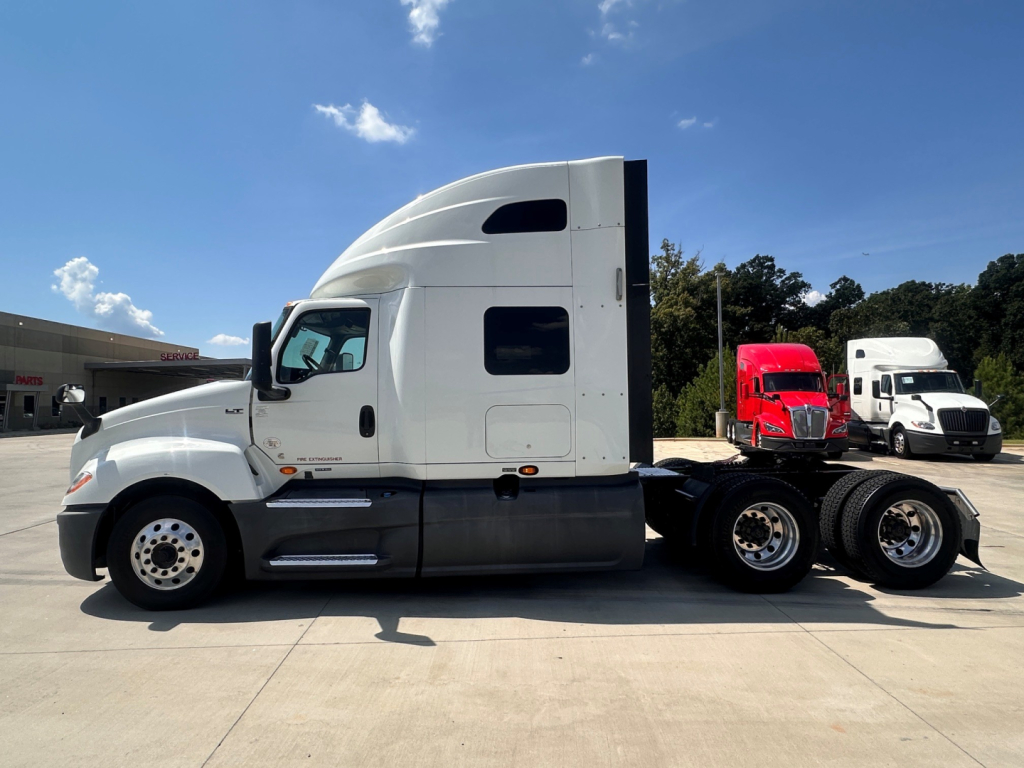
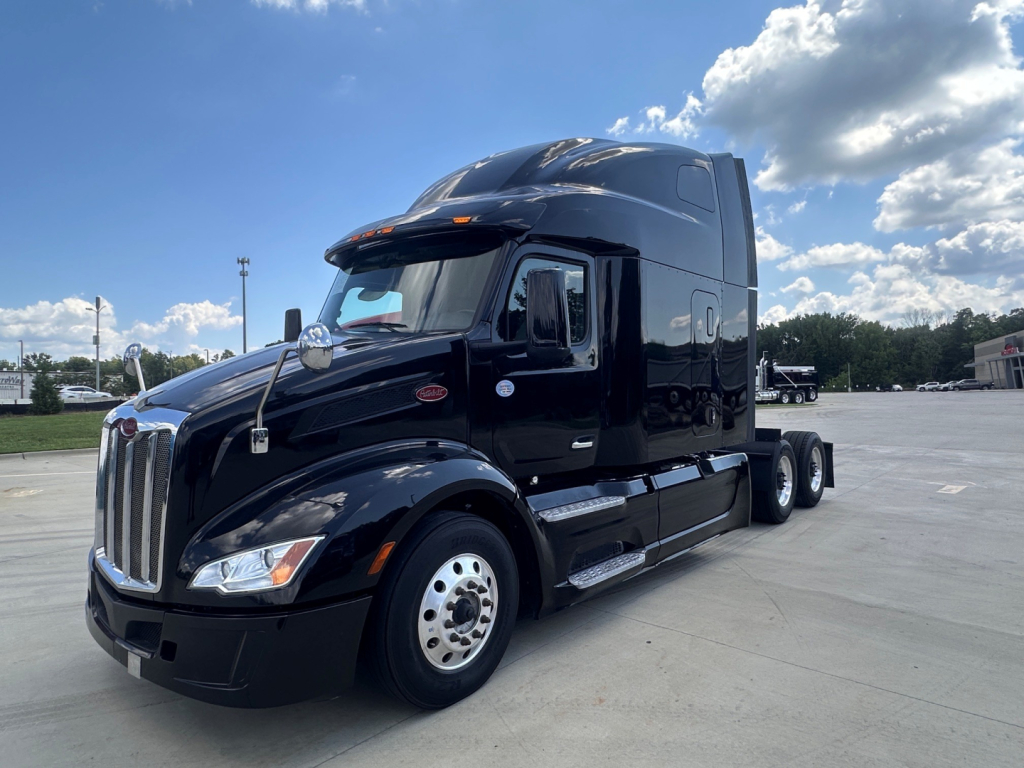

Selling a conventional sleeper truck? List your conventional sleeper truck for sale and reach thousands of commercial buyers.
Conventional Sleeper Trucks in South Carolina
Across makes, compare Freightliner Cascadia/DD15, Volvo VNL/D13, and Kenworth T680 or Peterbilt 579/PACCAR MX-13 combinations alongside International LT/Cummins X15 tractors. Transmission choice should match engine torque, route demands and driver familiarity, not simply the number of speeds. South Carolina's hot, humid summers warrant a loaded cooling-system check and testing cab and sleeper air conditioning plus any APU. Coastal exposure and a truck's previous operating region matter more than its current address when inspecting frame rails, electrical connectors, fifth-wheel mounts and brake plumbing for corrosion.
On used tractors, reconcile ECM mileage and idle hours with service records, then inspect clutch operation, driveline play, air suspension and fifth-wheel locking components. Most 2007-era and newer highway diesels use a DPF; most 2010-era and newer engines also use SCR and DEF, so verify the engine emissions label and aftertreatment repair history. For new tractors, specify axle ratings, cooling, bunk layout and auxiliary power before ordering, confirm engine and aftertreatment warranty terms, and account for the 12% federal excise tax on qualifying new heavy trucks.
Frequently Asked Questions about Conventional Sleeper Trucks in South Carolina
How much weight can a sleeper tractor-trailer legally haul on South Carolina interstates?
A standard five-axle sleeper tractor-trailer on South Carolina interstates is generally limited to 80,000 pounds gross, with 20,000 pounds on a single axle and 34,000 pounds on a tandem. Federal bridge-formula limits also apply, so axle spacing can reduce the allowable gross weight. Applicable permits or exemptions can change those limits. Higher equipment axle ratings do not automatically authorize higher road weights.
Is a battery APU enough for overnight sleeper cooling in South Carolina?
A battery APU is suitable only if its cooling runtime covers the driver's full rest period under South Carolina summer conditions. Ask for a runtime test with the sleeper occupied, rather than relying on a mild-weather demonstration. Battery age, insulation and charging time between stops affect performance. A diesel APU offers extended runtime but adds engine servicing, while an inverter alone does not supply air conditioning.
Should I choose dual drive tires or wide-base singles on a sleeper tractor?
Dual drive tires offer more roadside replacement flexibility, while wide-base singles can reduce tractor tare weight. For a South Carolina sleeper tractor running regional and interstate freight, compare tire service coverage along the actual routes and confirm wheel, axle and load-rating compatibility. A failed wide-base tire usually immobilizes that wheel position. Converting configurations requires checking approved wheel offsets and axle requirements, not merely swapping tires.
How should I test an automated transmission in a used sleeper tractor?
A loaded road test is the most useful check of an automated transmission in a used conventional sleeper tractor. Test forward and reverse engagement, low-speed backing, hill starts and shifts after the drivetrain reaches operating temperature. Obtain transmission fault history and available clutch-wear data through the correct diagnostic system. Harsh engagement can involve calibration, air supply or clutch wear, so a smooth empty test is not enough.