
Peterbilt Conventional Sleeper Trucks For Sale in South Carolina
Compare Peterbilt conventional sleeper trucks for sale in South Carolina by axle gearing, sleeper layout, emissions history, and coastal corrosion checks.
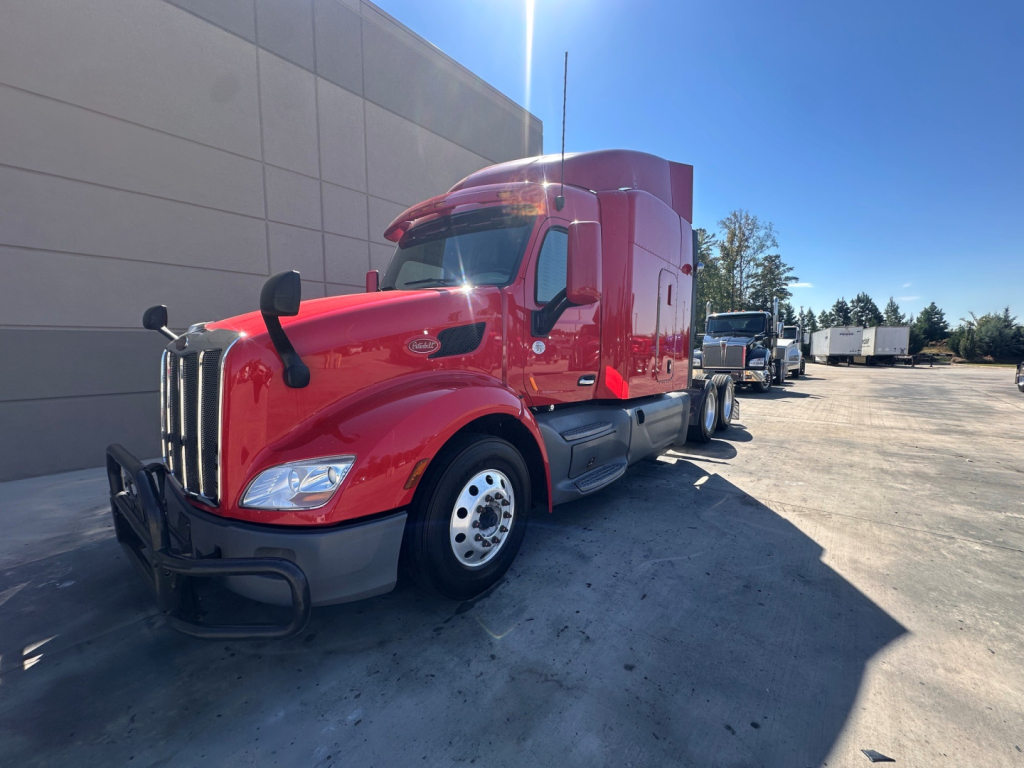
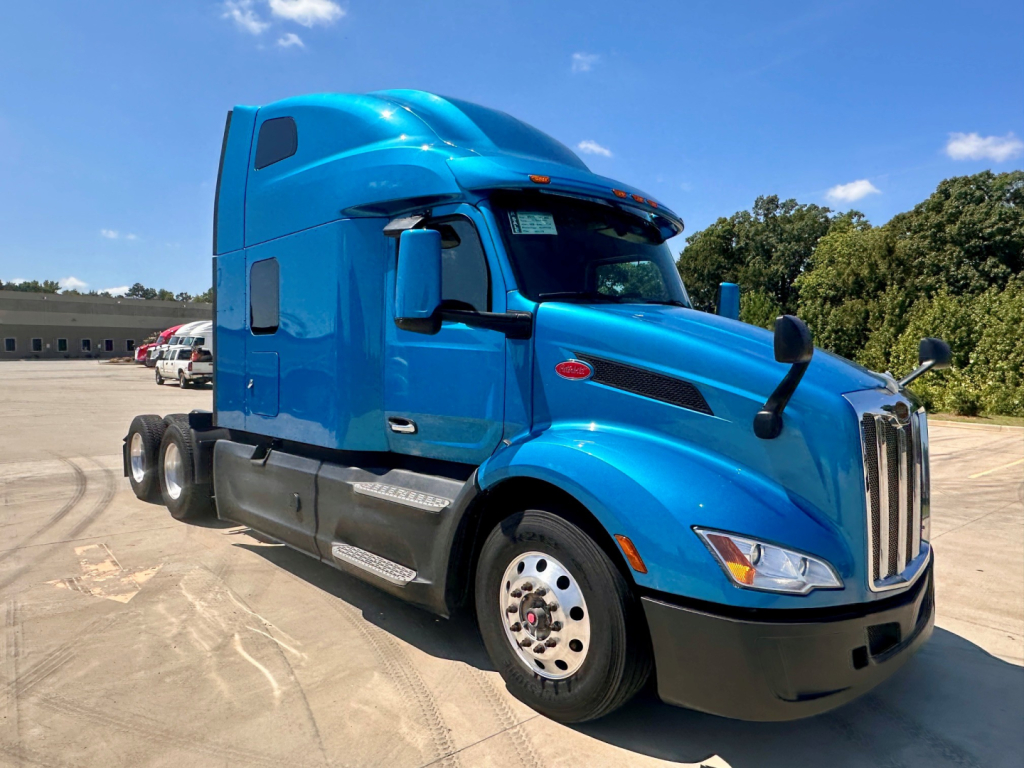
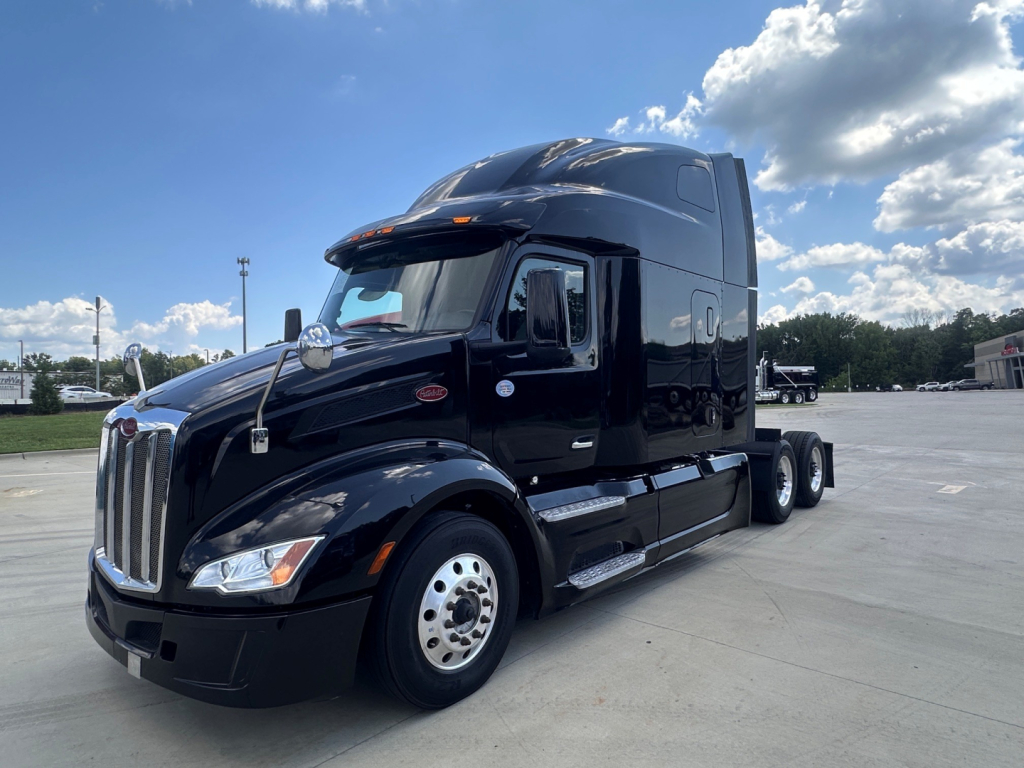

Selling a peterbilt conventional sleeper truck? List your peterbilt conventional sleeper truck for sale and reach thousands of commercial buyers.
Peterbilt Conventional Sleeper Trucks in South Carolina
Used sleepers need an ECM report, maintenance records, and checks of fifth-wheel wear, suspension bushings, cooling systems, and sleeper water leaks. South Carolina's humid summers make cab air conditioning and bunk cooling priorities, while coastal operation warrants corrosion inspection. For new tractors, specify axle ratings, fifth-wheel travel, and sleeper power equipment before ordering, and confirm engine, chassis, and emissions warranty terms. Qualifying new heavy tractors are subject to the 12% federal excise tax.
Frequently Asked Questions about Peterbilt Conventional Sleeper Trucks in South Carolina
Is a 2.64 or 2.79 rear axle ratio better for a Peterbilt sleeper hauling in South Carolina?
A 2.79 rear axle ratio provides more wheel torque than a 2.64 with the same transmission gearing and tire size. A Peterbilt sleeper with 2.64 gearing may suit steady interstate cruising, but loaded Upstate grades and frequent starts warrant closer evaluation. Compare cruise RPM, transmission top gear, tire revolutions per mile, and engine torque curves together; the axle ratio alone cannot establish the better drivetrain.
How much weight can a Peterbilt sleeper tractor-trailer legally haul on South Carolina Interstates?
A standard five-axle tractor-trailer on South Carolina Interstates is normally limited to 80,000 pounds gross, subject to axle limits and the Federal Bridge Formula. Normal federal limits are 20,000 pounds on a single axle and 34,000 pounds on a tandem. A Peterbilt sleeper's 40,000-pound rear tandem rating does not authorize that highway axle load. Tire ratings, axle spacing, posted restrictions, and applicable permit conditions must also be checked.
What changed on the Peterbilt 579 for the 2022 model year?
The next-generation Peterbilt 579 introduced for the 2022 model year brought revised aerodynamics and a digital instrument cluster. An 80-inch UltraLoft sleeper alone does not identify the newer generation because UltraLoft was offered earlier. Confirm the build specifications, then test instrument displays, steering-wheel controls, and installed driver-assistance systems. Ask for calibration records when windshield replacement or collision repairs involved cameras or radar.
Do older Peterbilt sleeper trucks use DEF?
Peterbilt sleeper tractors with pre-2010 engines generally do not use DEF; most 2010-and-newer highway diesel engines use SCR and DEF. Most 2007-to-2009 engines have a DPF without SCR. Verify the engine emissions label rather than assuming the chassis model year determines the system. For used trucks, review DPF cleaning records, regeneration frequency, SCR faults, and emissions-equipment integrity; older technology does not excuse removed or disabled equipment.
Is an APU useful on a Peterbilt sleeper truck operating in South Carolina?
An APU or battery-powered bunk HVAC system is a useful spec for overnight stops in South Carolina's hot, humid weather. Battery HVAC runtime depends on battery condition, outside temperature, and insulation; a diesel APU adds its own engine service requirements. Test the Peterbilt sleeper's cooling with the main engine off, and confirm electrical loads, shore-power capability, and charging performance before choosing a setup.