
Conventional Sleeper Trucks For Sale in Tennessee
Shop conventional sleeper trucks in Tennessee. Compare aero highway sleepers by cab size, engine, transmission, mileage, and spec.
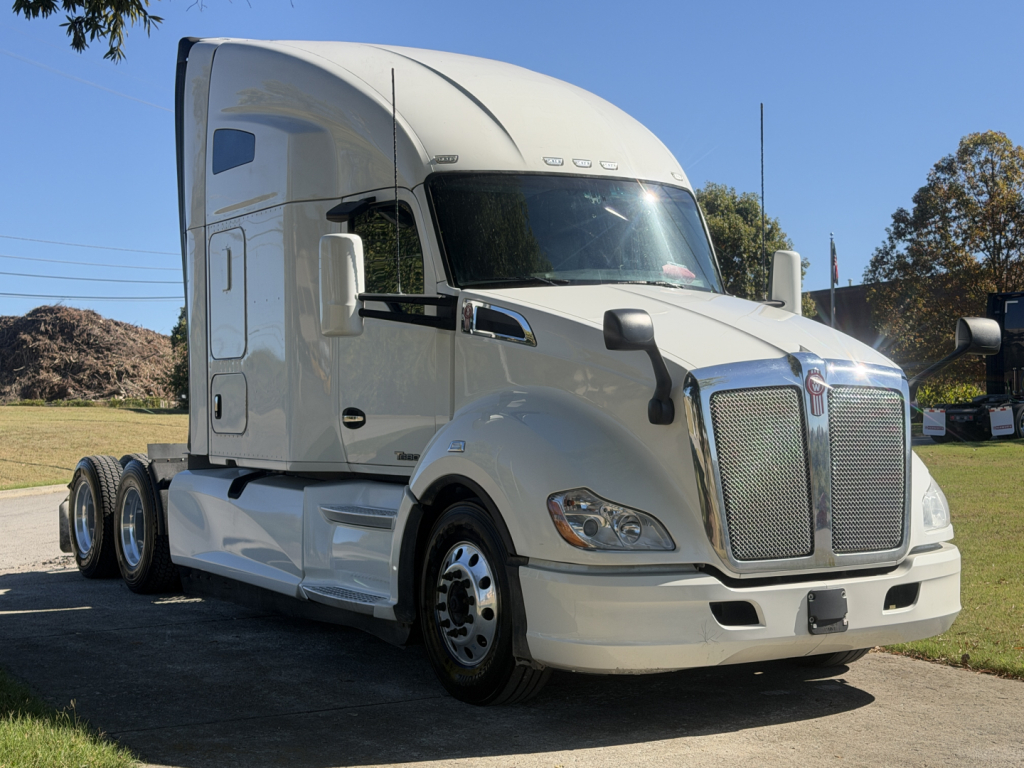
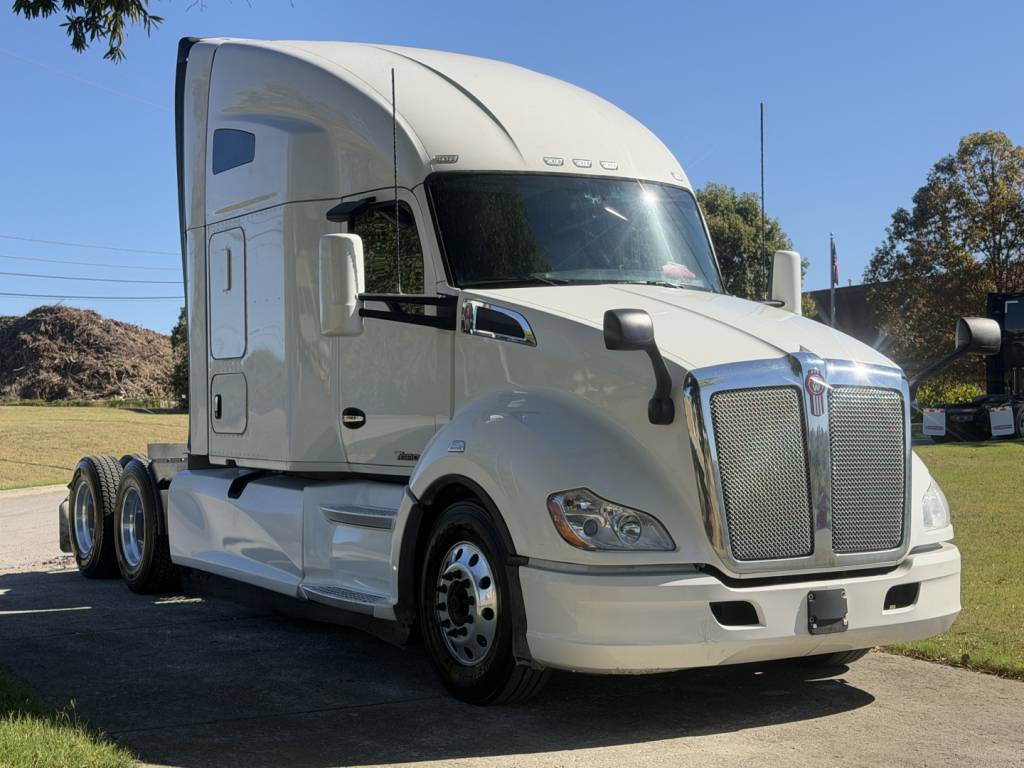
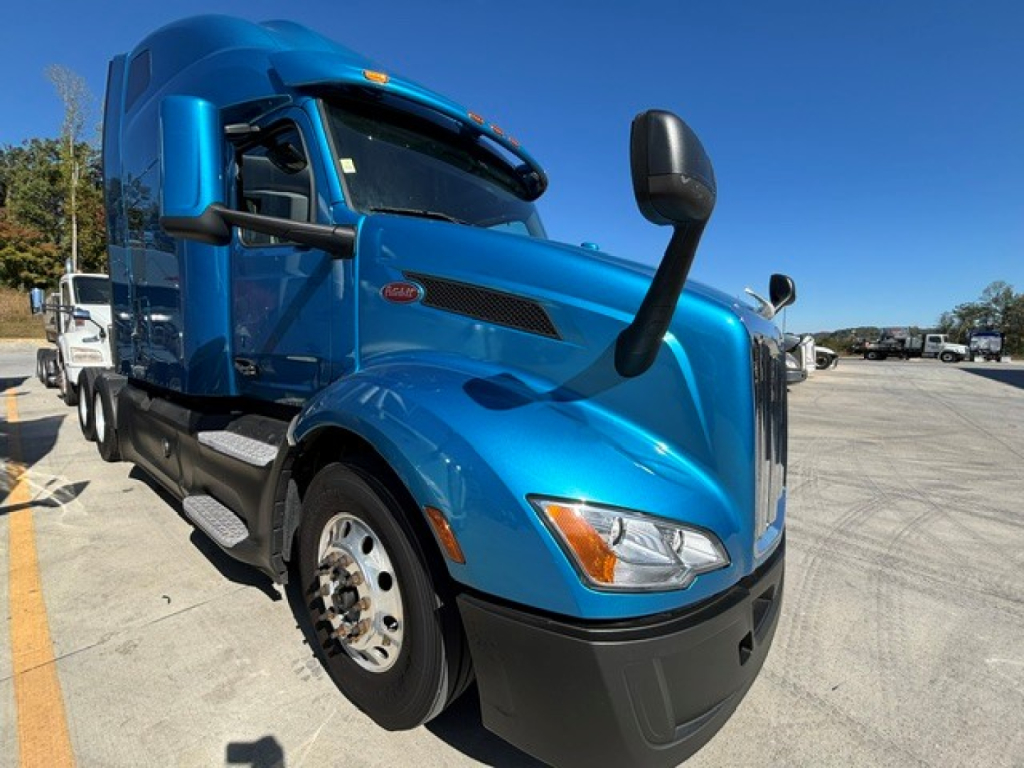
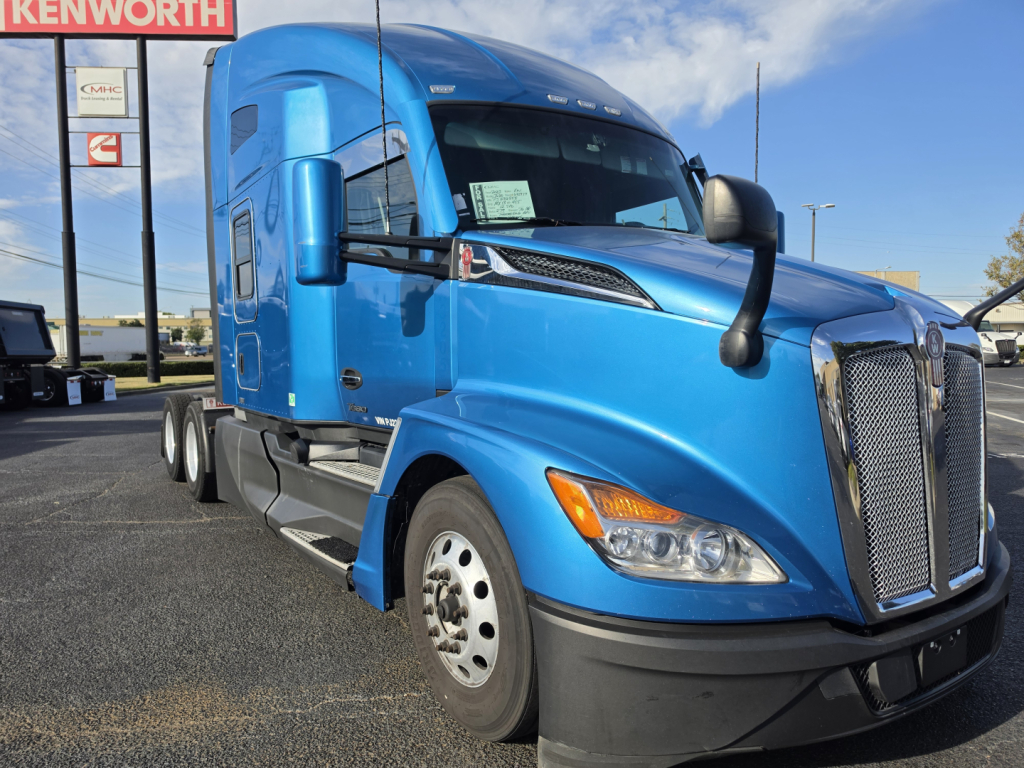
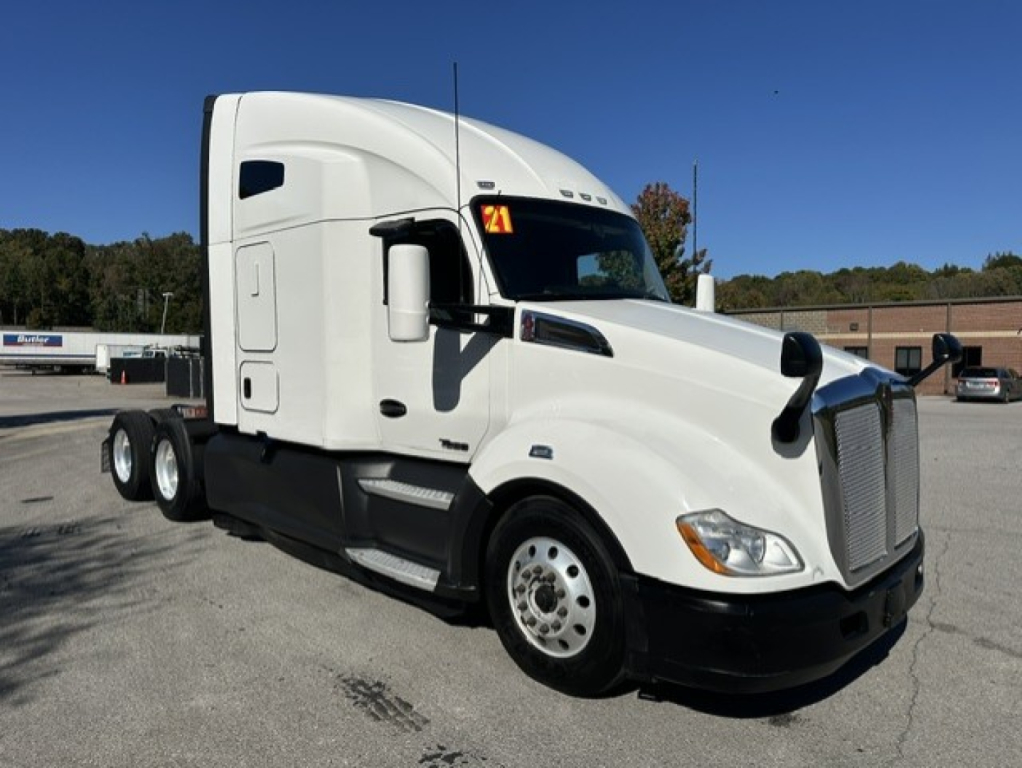
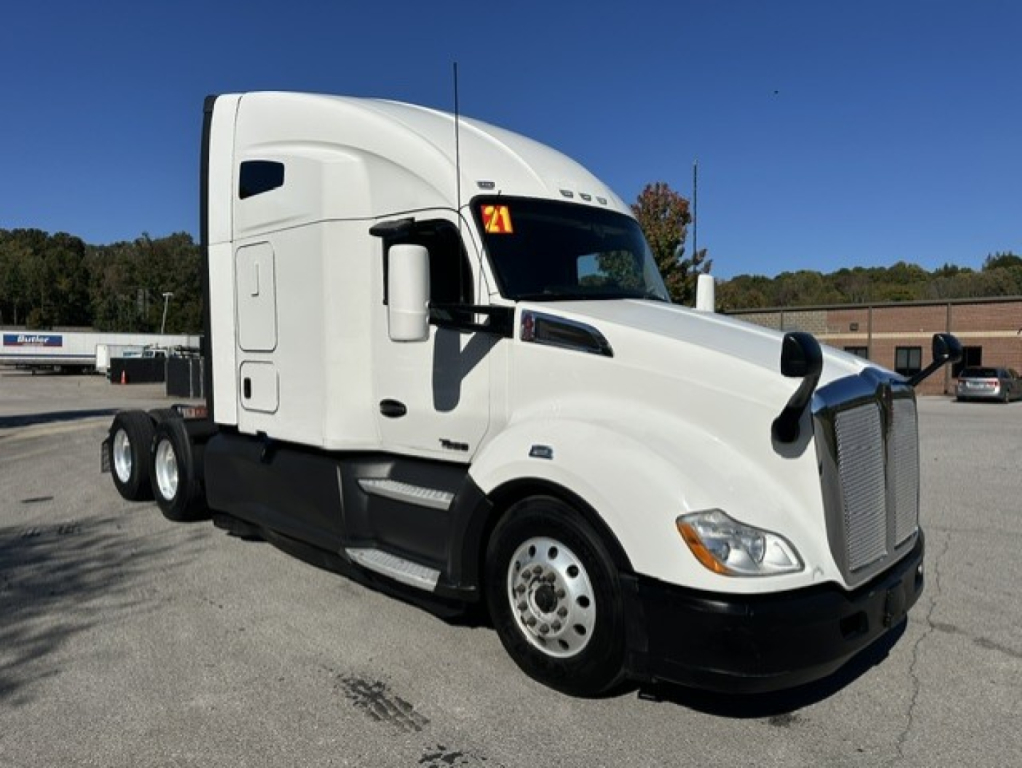
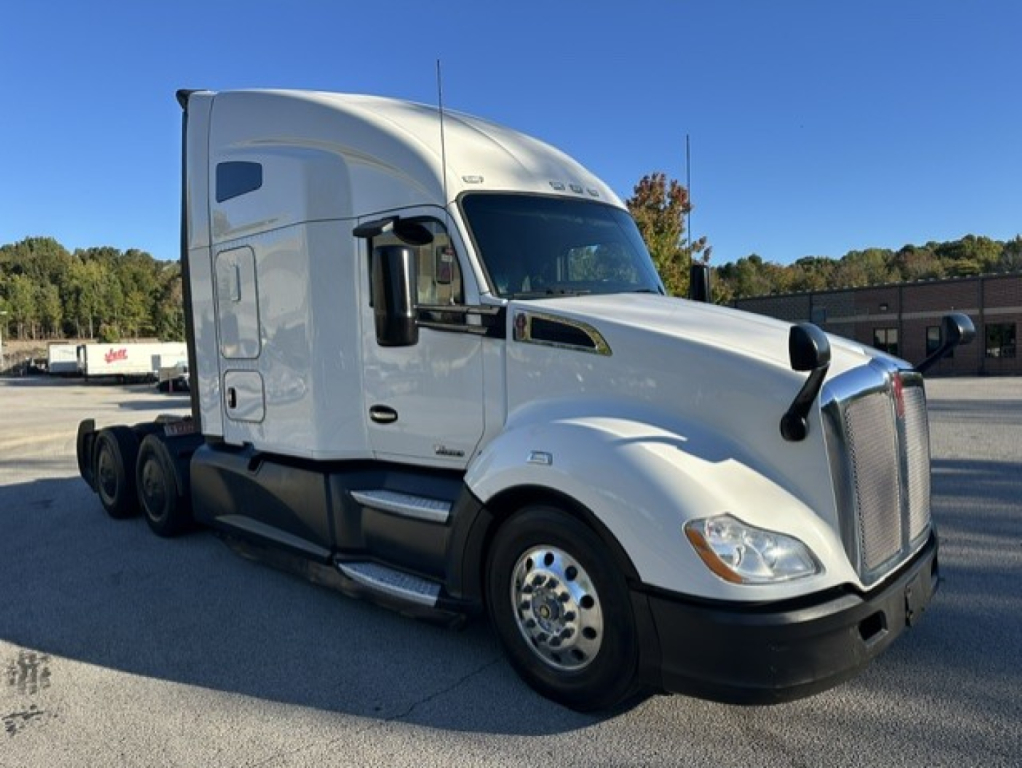
2023 Kenworth T680
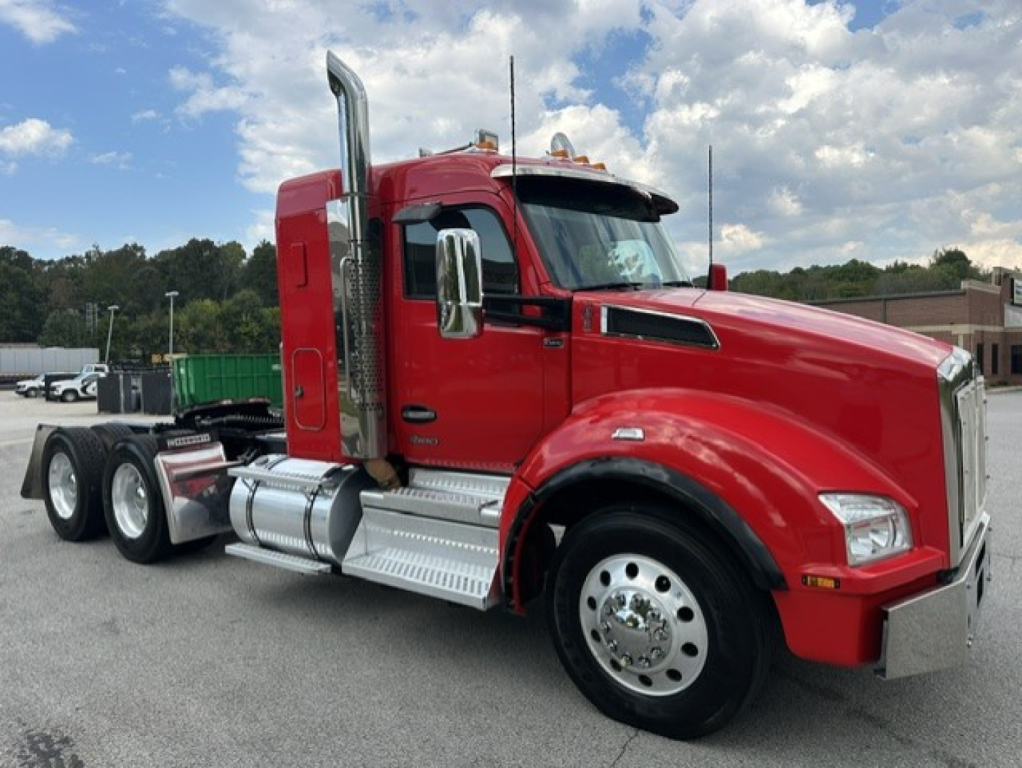
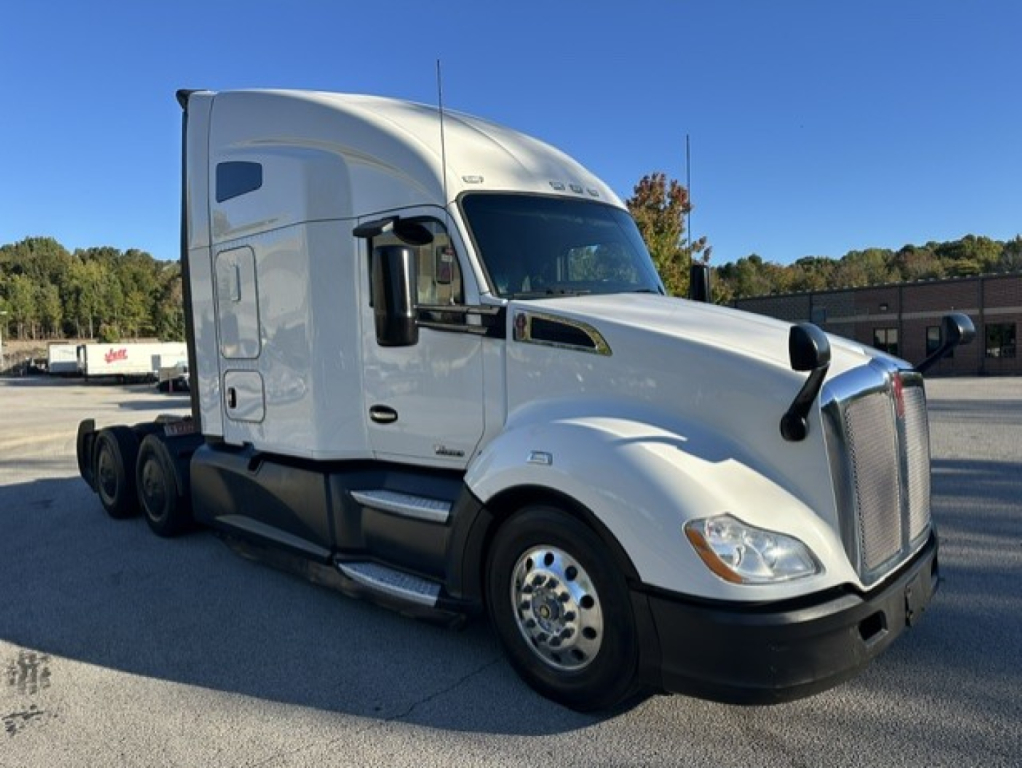
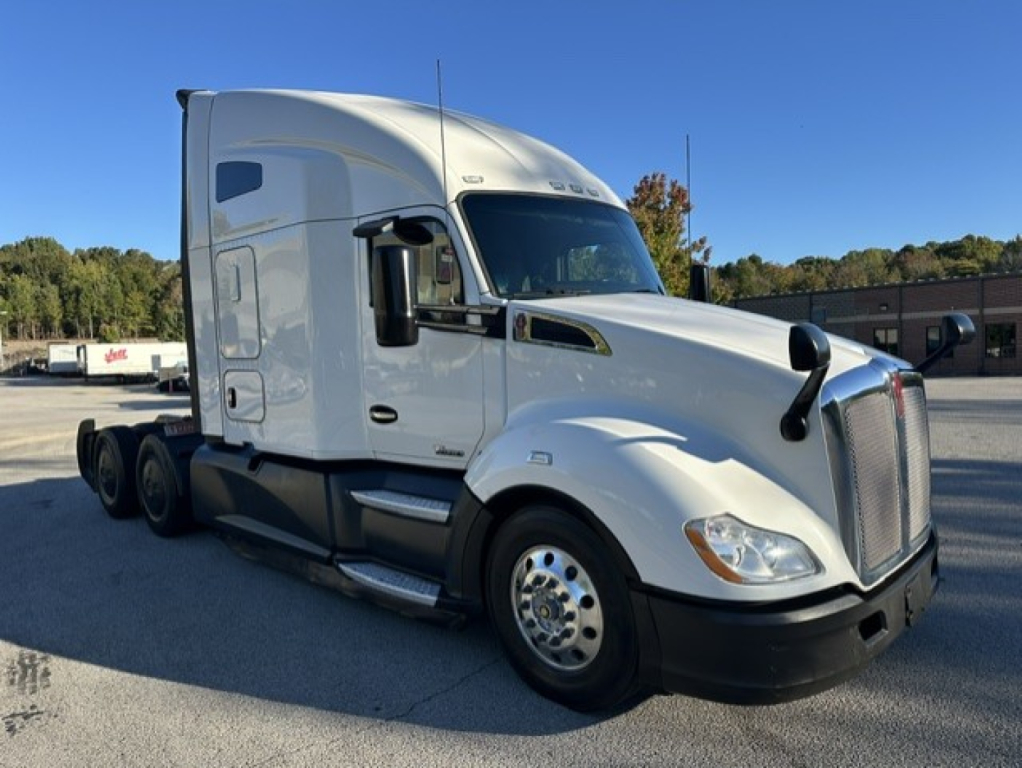
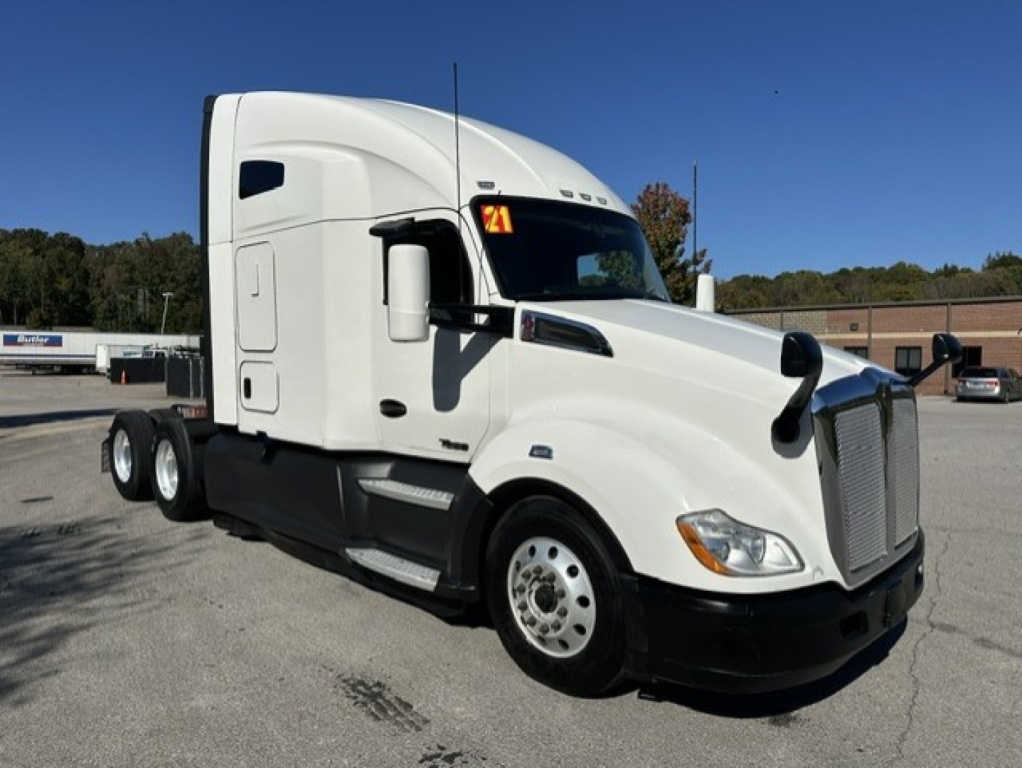
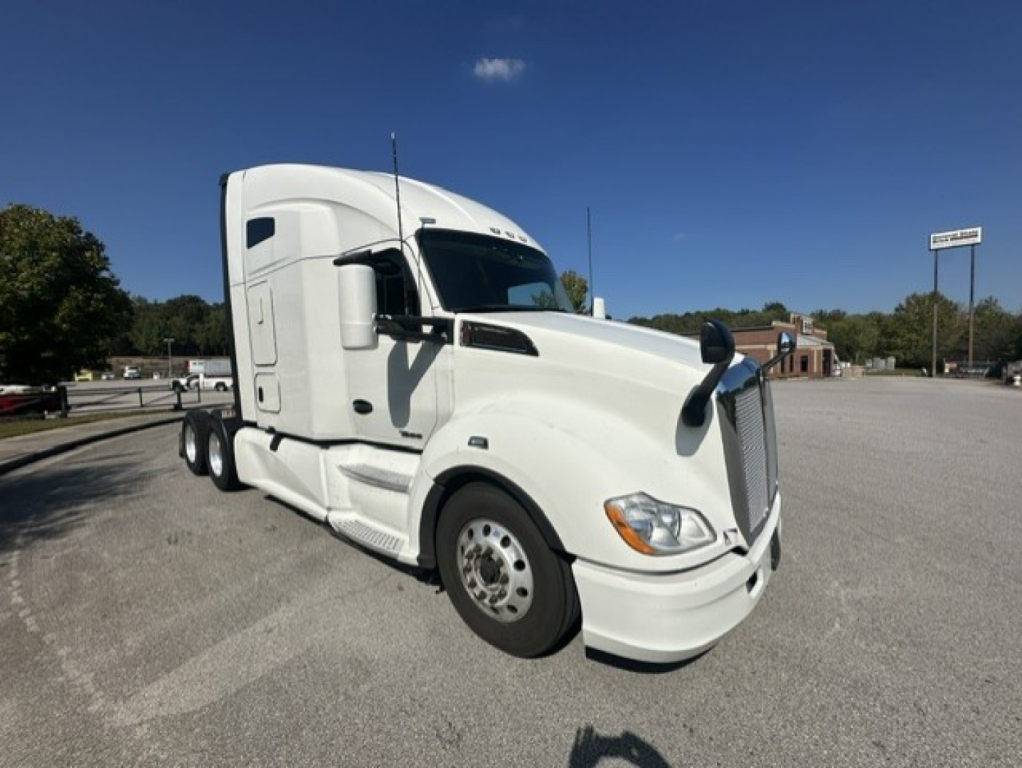
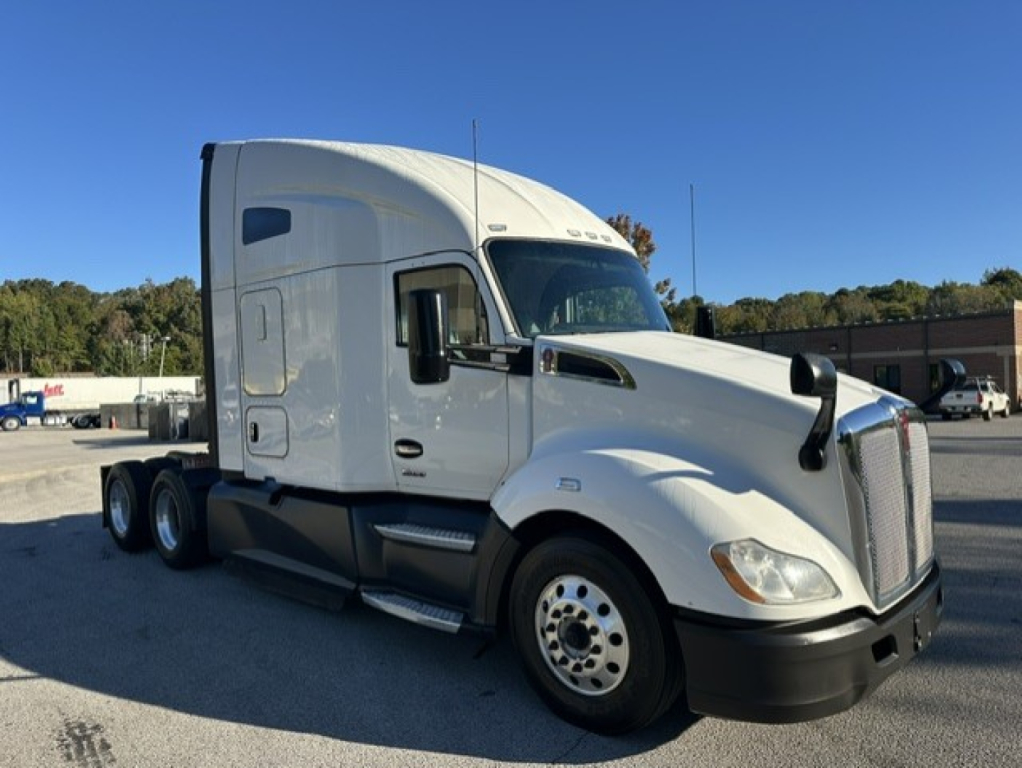
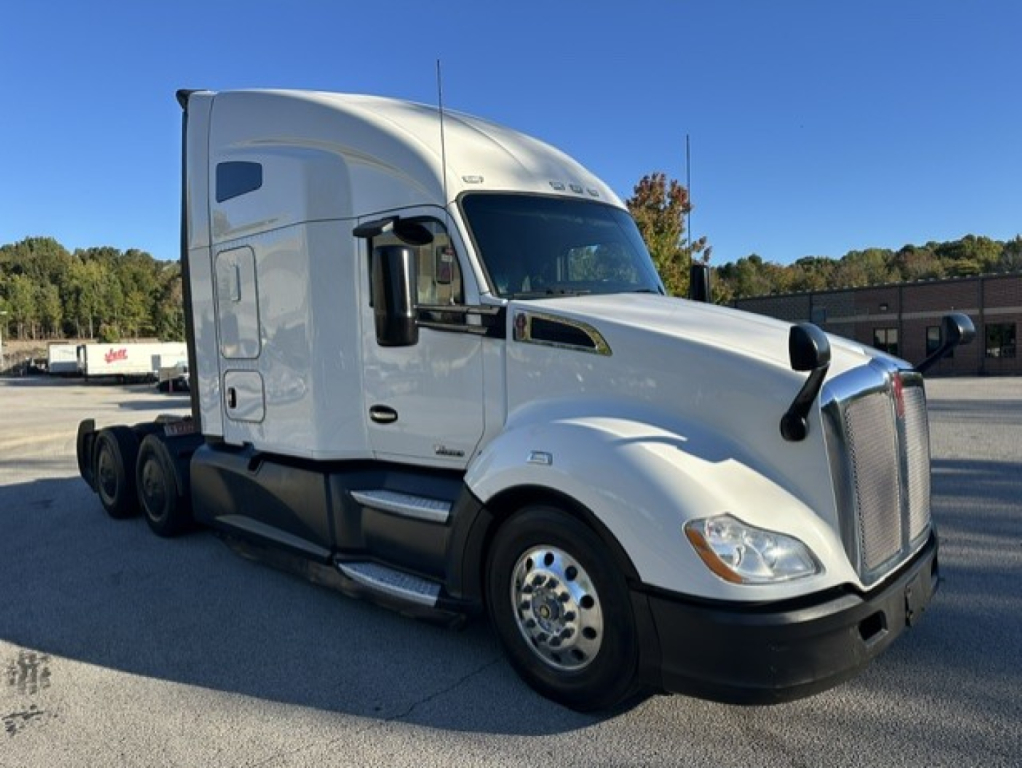
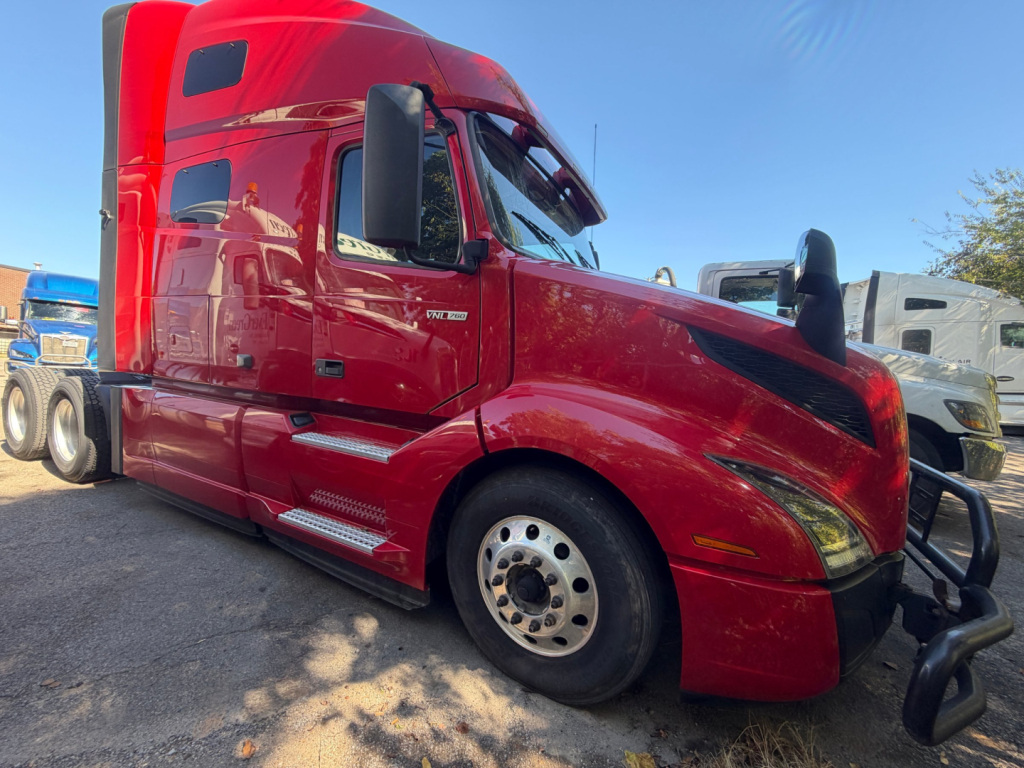
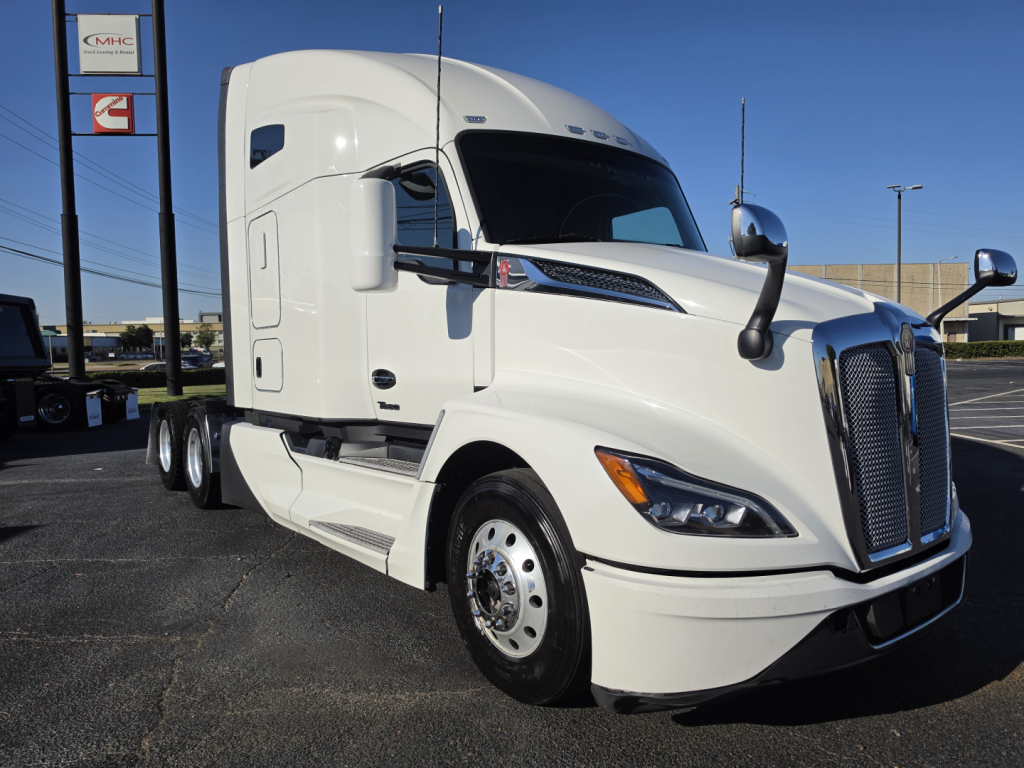
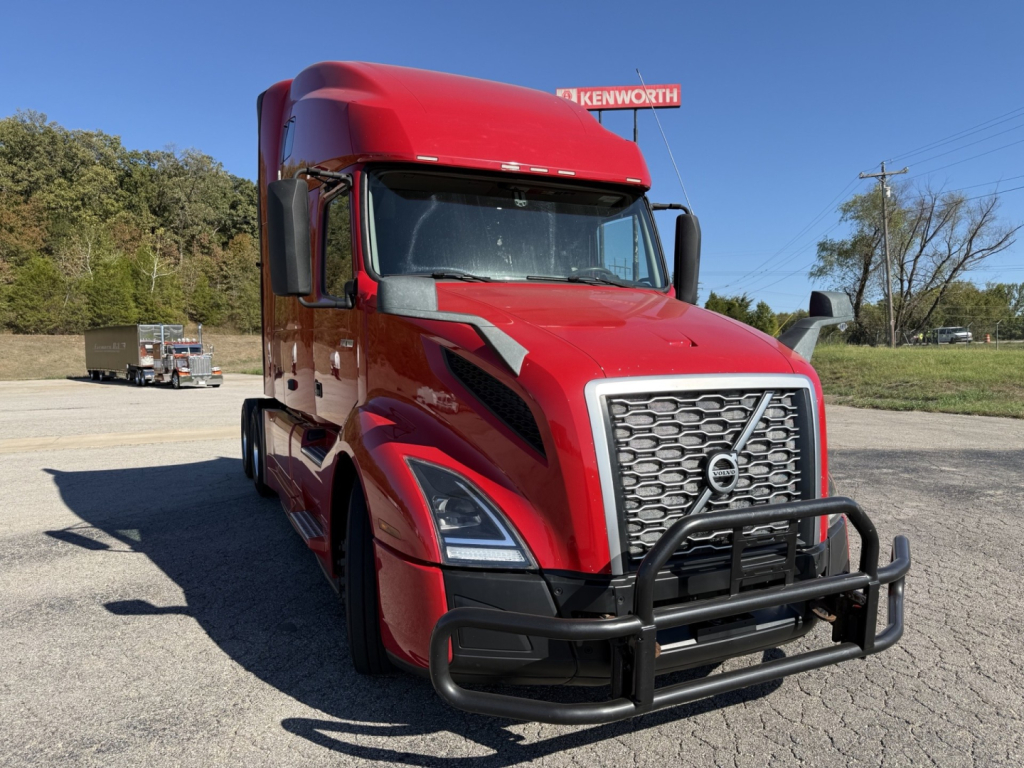
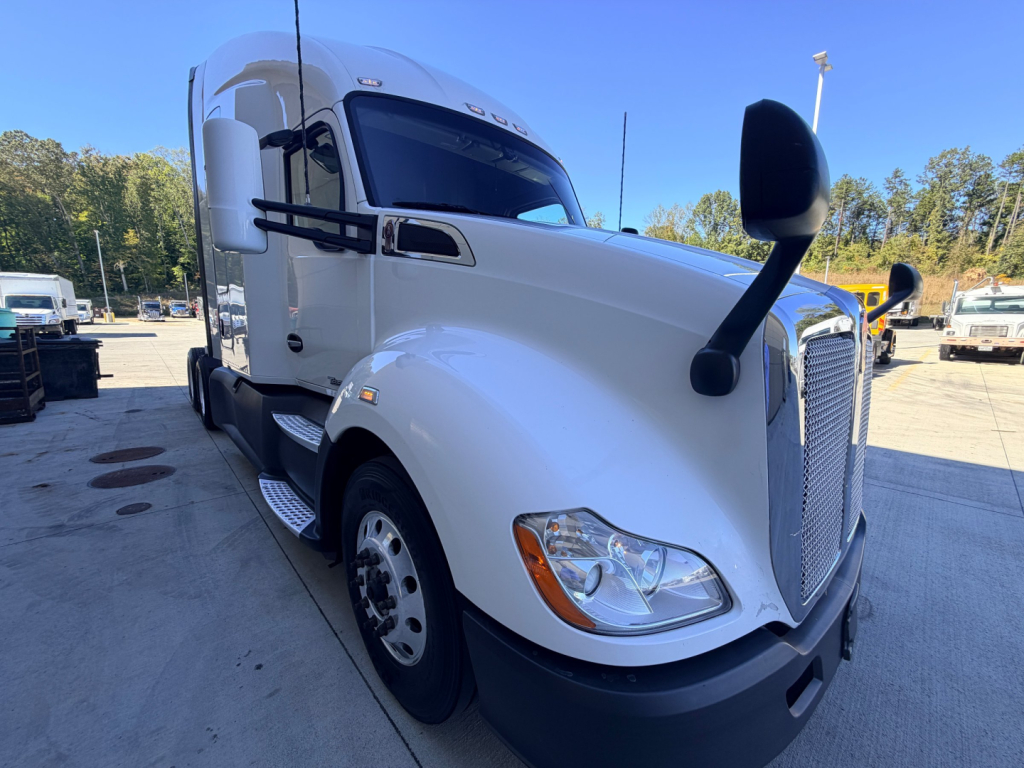
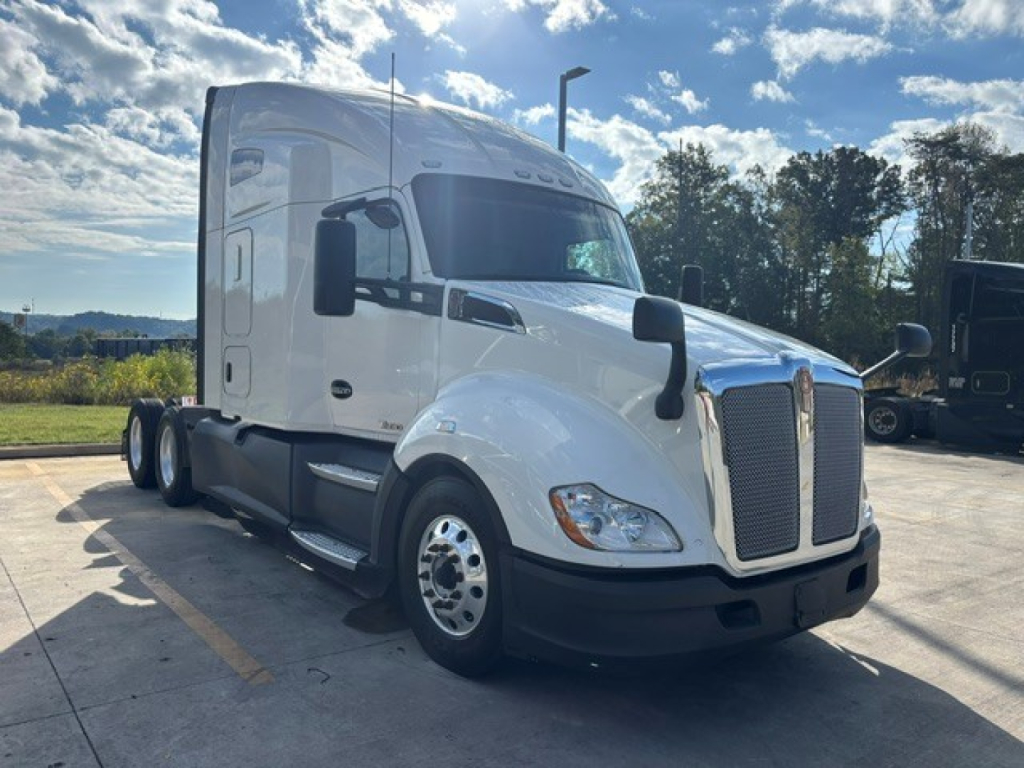
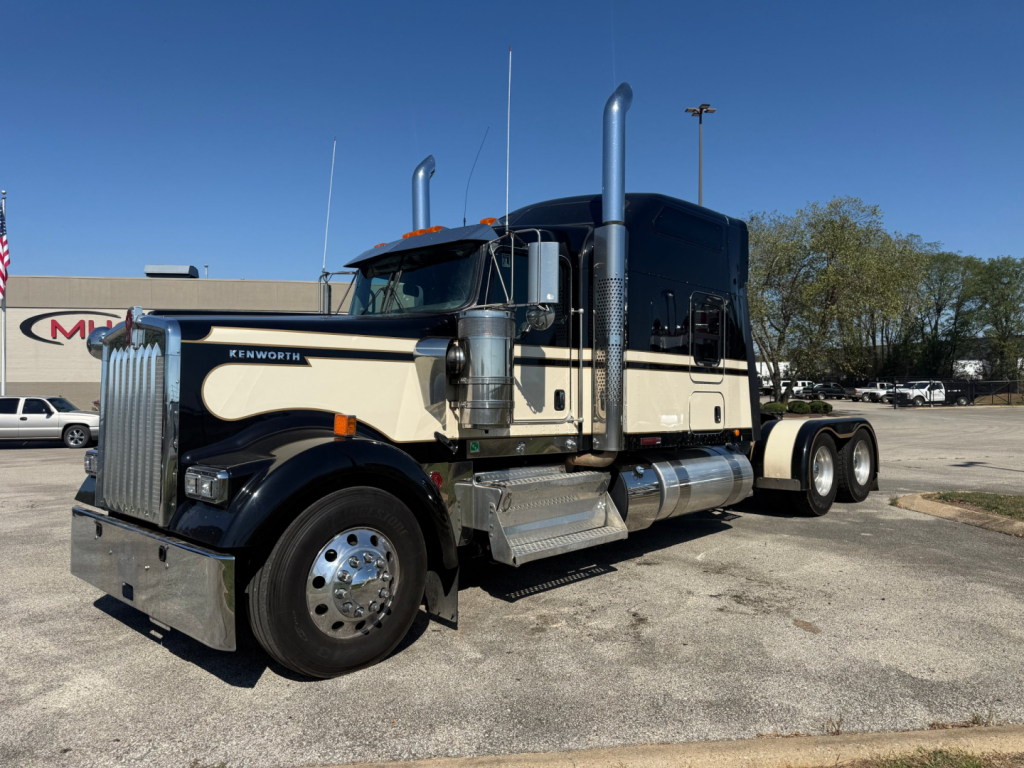
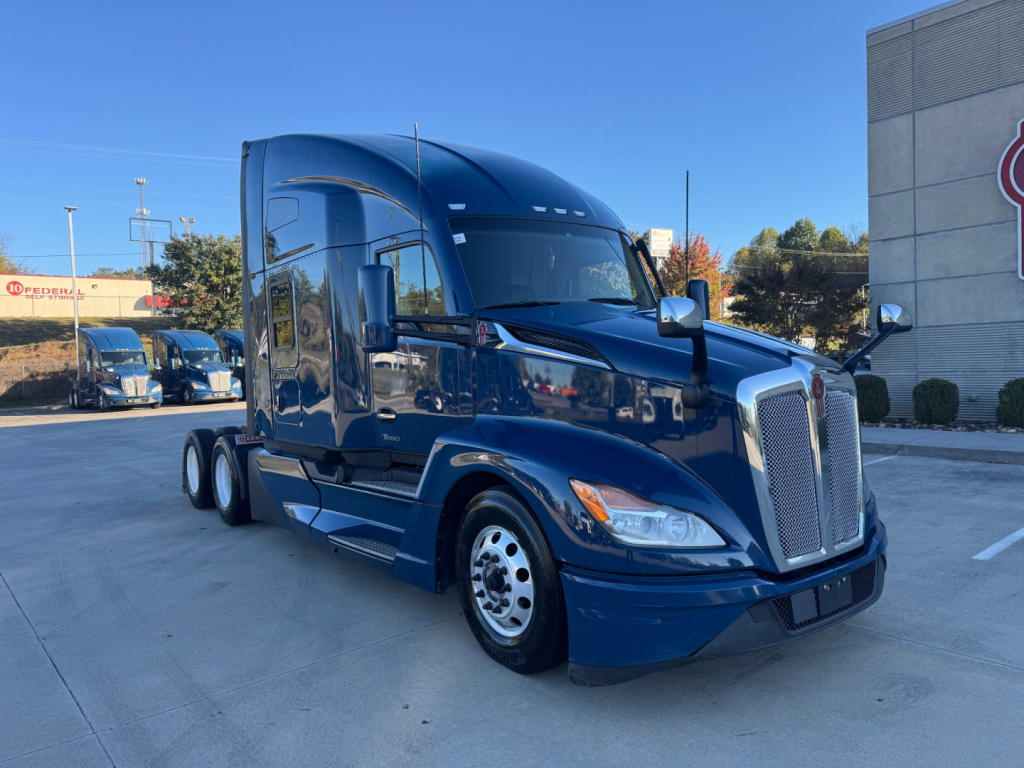
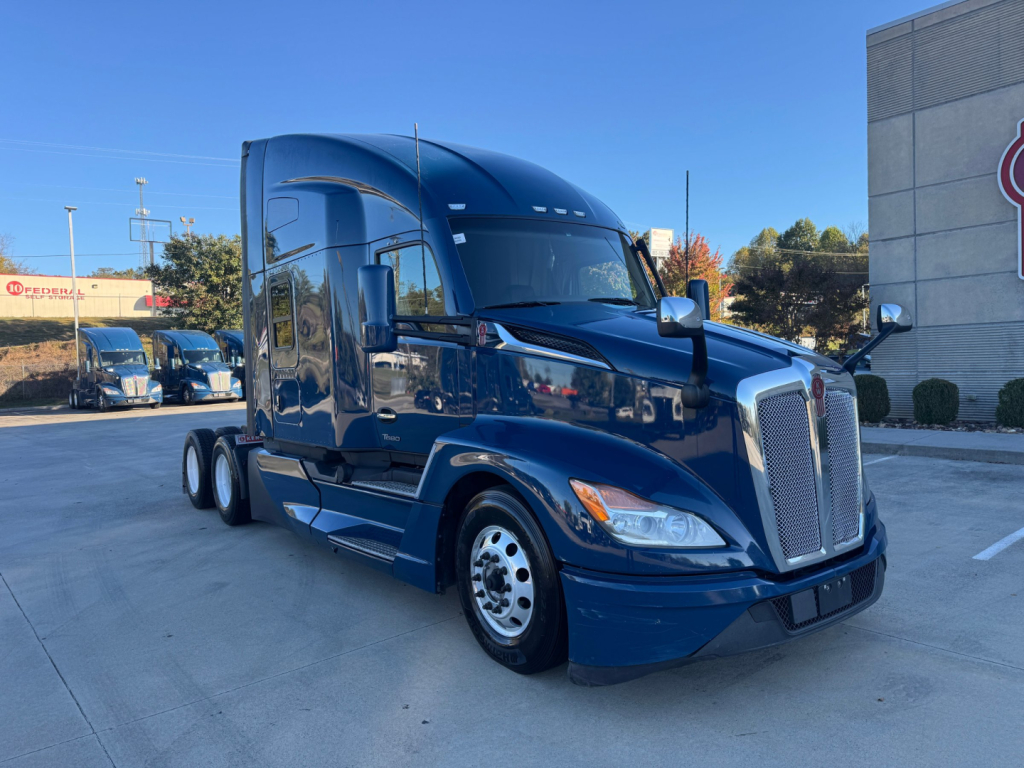
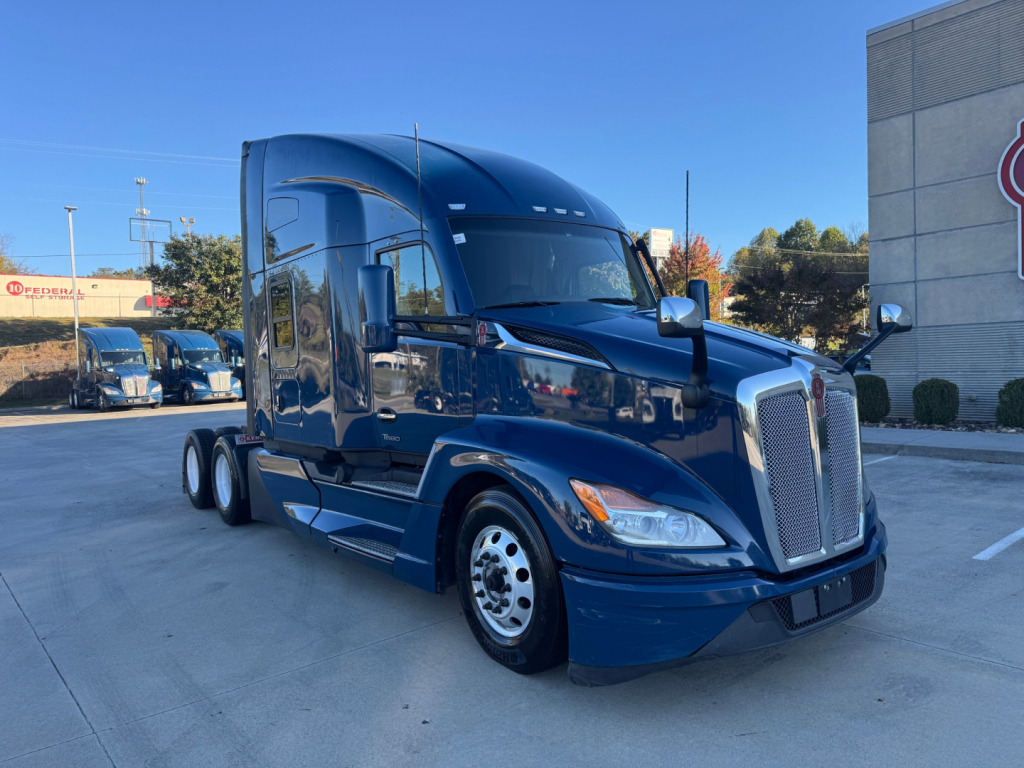
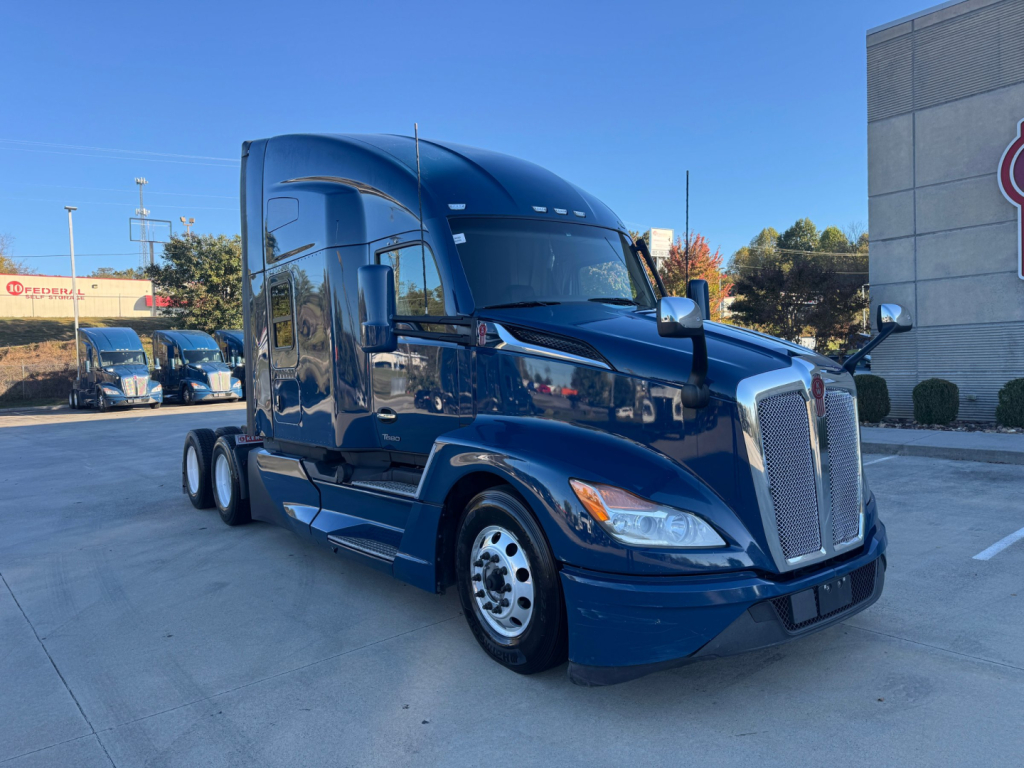
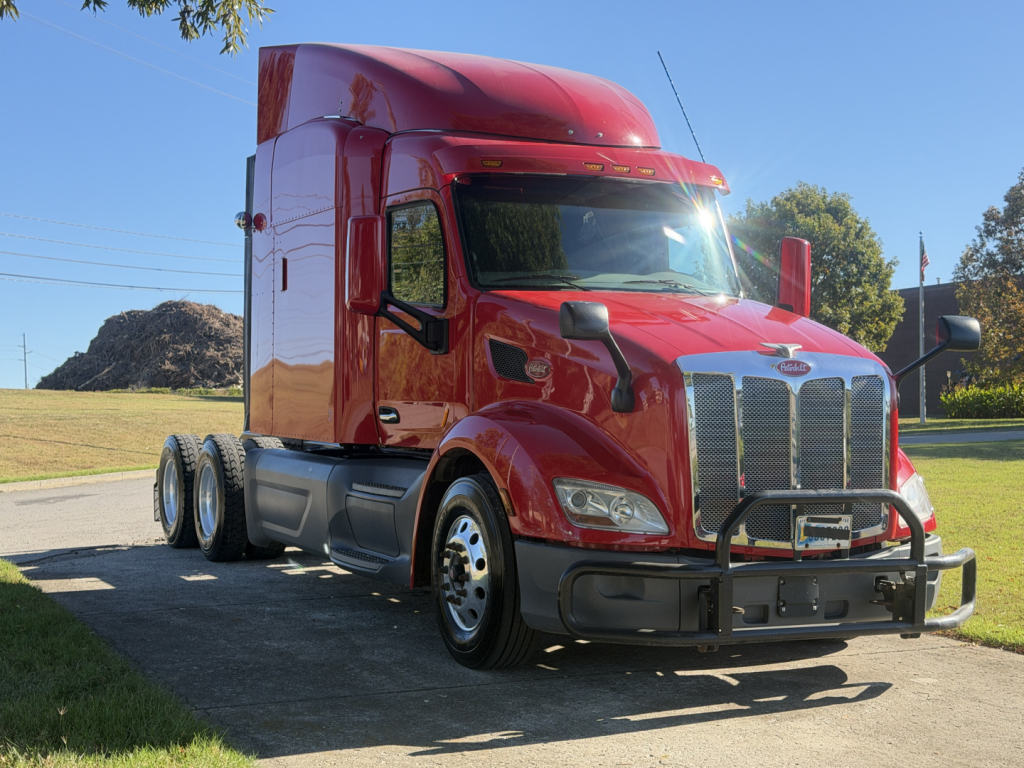
Showing 1 to 28 of 51 results
Selling a conventional sleeper truck? List your conventional sleeper truck for sale and reach thousands of commercial buyers.
Conventional Sleeper Trucks in Tennessee
The biggest buying decisions usually come down to sleeper size, powertrain, and axle configuration. Most conventional sleepers are tandem axle 6x4 tractors with raised-roof sleepers, though regional haul units may be spec'd lighter or with smaller sleepers to save weight. Engines commonly include Detroit, Cummins, Paccar, Volvo, and Mack platforms, often in the 400 to 500 horsepower range with torque ratings matched to freight weight and terrain. Transmissions can be manual, automated manual, or fully automatic, with 10-speed, 12-speed, and overdrive highway specs all common. For Tennessee operators running mixed terrain and heavy interstate miles, rear axle ratio, cruise RPM, and engine brake performance matter as much as headline horsepower.
Cab and sleeper spec has a direct effect on uptime and driver retention. Buyers should look closely at bunk configuration, cabinet layout, inverter setup, HVAC performance, APU or idle-management equipment, and the condition of seats, bunk mats, and interior trim. Air ride suspension, air ride cab, and air ride seats remain desirable on highway tractors because they reduce driver fatigue over long runs. On used conventional sleeper trucks, maintenance history is critical. Pay attention to aftertreatment repairs, clutch life on manual units, automated transmission calibration history, coolant and oil leak points, suspension wear, steer tire patterns, and evidence of regular PM intervals. A clean title, documented engine work, and current brakes and tires can change the real cost of ownership significantly.
For buyers comparing listings, the right truck is the one whose spec matches the lane. A fuel-efficient aero sleeper built for van freight is different from a heavier spec truck intended for mountains, bulk freight, or frequent trailer swaps. Fifth wheel setup, wheelbase, fuel capacity, fairings, and sleeper length all affect maneuverability, payload, and operating cost. Conventional sleeper trucks are also referred to as highway sleeper tractors, sleeper semis, or road tractors with sleepers. The best units in this category combine a proven engine-transmission combination, a sleeper that supports the run length, and a maintenance profile that makes sense for the next 300,000 miles, not just the next load.
Frequently Asked Questions about Conventional Sleeper Trucks in Tennessee
What is a conventional sleeper truck?
A conventional sleeper truck is a highway tractor with the engine mounted in front of the cab and a built-in sleeping compartment behind the seats. It is designed for over-the-road freight where drivers spend one or more nights in the truck. Compared with day cabs, conventional sleepers add living space, more storage, and usually larger fuel capacity, making them the standard choice for long-haul and multi-state operations.
What should I look for when buying a used conventional sleeper truck in Tennessee?
Focus first on powertrain condition and maintenance history. Engine make, transmission type, aftertreatment repairs, mileage, idle hours, and PM records tell more than appearance alone. In Tennessee, many trucks see heavy interstate use and mixed grades, so buyers should also inspect engine brake function, cooling system health, rear axle ratio, suspension wear, and tire condition. Sleeper equipment such as an inverter, bunk setup, HVAC, and APU can also affect total operating cost and driver comfort.
Which engine and transmission setups are common in conventional sleeper trucks?
Most conventional sleeper trucks are equipped with Detroit, Cummins, Paccar, Volvo, or Mack diesel engines paired with manual or automated manual transmissions from Eaton-Fuller, Detroit, Volvo, or manufacturer-integrated drivetrains. Common highway specs fall in the 400 to 500 horsepower range with torque selected for the truck's intended load and terrain. A 10-speed or 12-speed setup is common on used highway tractors, while many newer fleet units use automated manuals to improve fuel economy and reduce driver training issues.
How important is sleeper size on a conventional sleeper tractor?
Sleeper size matters because it affects driver comfort, storage, weight, and wheelbase. A smaller sleeper may be adequate for regional work with occasional overnight runs, while a mid-roof or raised-roof double bunk sleeper is more practical for team operations or long-haul service. Larger sleepers usually provide better storage and livability, but they can add weight and length, which may matter in tight yards or specialized operations.
Are conventional sleeper trucks good for more than dry van freight?
Yes. Conventional sleeper trucks are widely used across dry van, refrigerated, flatbed, tanker, bulk, and dedicated contract freight. The key is matching the tractor spec to the application. Gear ratio, wheelbase, fifth wheel position, horsepower, torque, and fuel capacity all influence how well a truck performs in a given lane. A truck optimized for lightweight van freight may not be ideal for heavy haul or mountain service, even though both fall under the conventional sleeper category.