
Conventional Sleeper Trucks For Sale in Montana
Shop conventional sleeper trucks in Montana. Compare aero highway specs, sleeper sizes, powertrains, and long-haul comfort features.
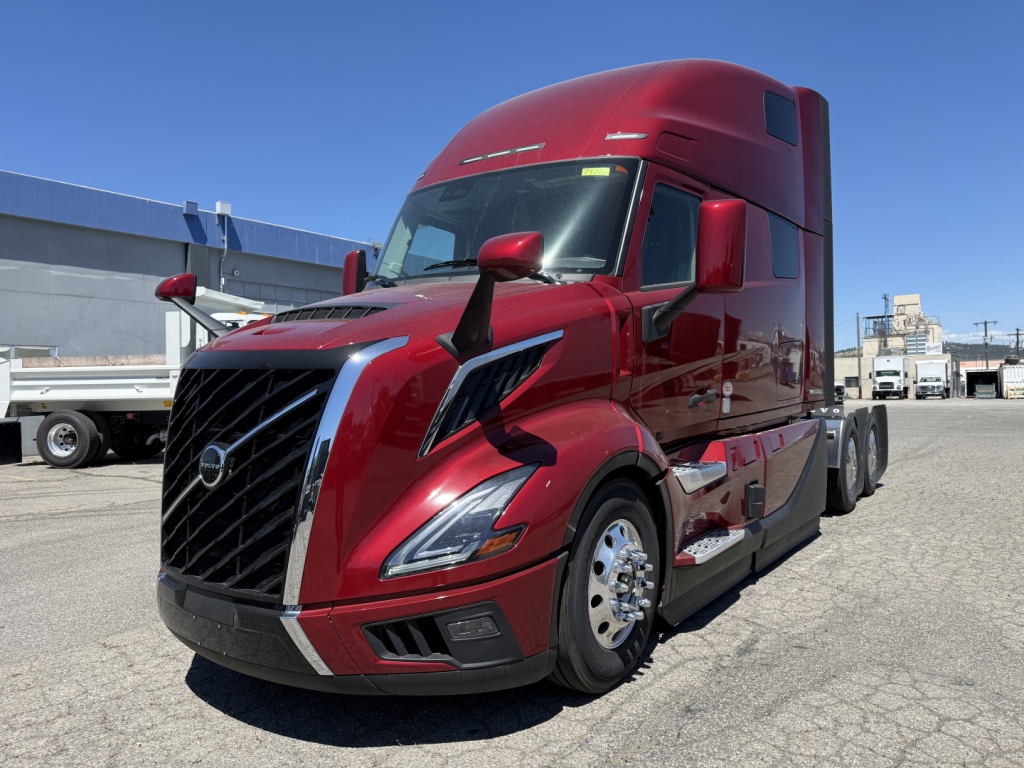
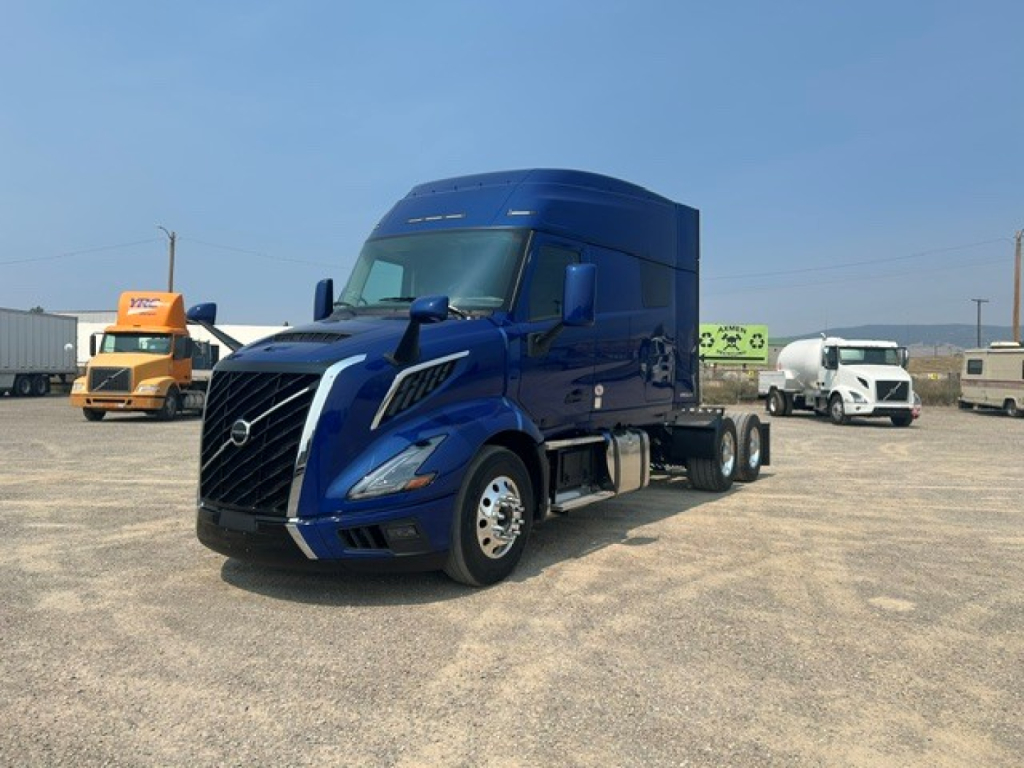
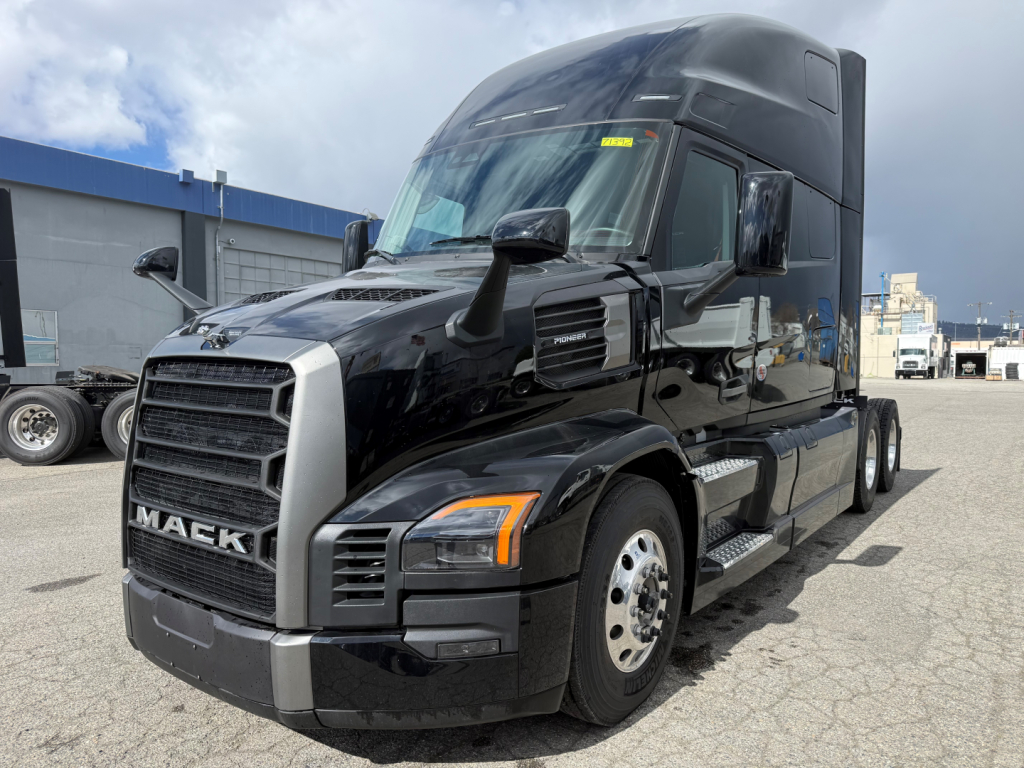
Selling a conventional sleeper truck? List your conventional sleeper truck for sale and reach thousands of commercial buyers.
Conventional Sleeper Trucks in Montana
Common specs in this category include tandem-drive 6x4 configurations, 12,000 to 13,200 lb front axles, 40,000 lb rears, and GVWR ratings around 52,000 to 53,200 lbs. Horsepower typically lands in the 450 to 515 range, with big-bore diesels such as the Mack MP series and Volvo D13 among the most common choices. Automated manual transmissions dominate late-model sleeper specs because they improve shift consistency, reduce driver fatigue, and help fuel economy when matched with tall highway ratios like 2.15 to 2.47. That gearing works well for dry van, reefer, and general freight on interstate lanes, but buyers pulling heavier weights or running more secondary roads may want to compare ratio, transmission calibration, and engine torque carefully.
Cab and sleeper layout matter as much as the driveline on a conventional sleeper. High-roof sleepers in the 70- to 86-inch class are common for long-haul use because they give drivers standing room, upper and lower bunks, and space for a refrigerator, inverter, shore power, storage cabinets, and parking HVAC systems. Ride quality is another key differentiator. Air-ride suspensions, premium air seats, disc brakes, and driver-assistance technology can make a measurable difference in safety, uptime, and retention on long Montana runs. Wheelbase also deserves attention because it affects trailer swing clearance, ride, and weight distribution, especially if the truck will see mixed trailer lengths or specialized fifth wheel settings.
A conventional sleeper truck is also known as a highway sleeper tractor or road tractor with sleeper. The best fit depends on how the truck will earn. Fuel-focused fleets may prioritize an aerodynamic hood, direct-drive or overdrive automated transmission, and low rolling resistance spec. Heavy-haul adjacent or mountain-route buyers may lean toward more horsepower, a different rear ratio, and robust cooling or braking packages. Look closely at sleeper amenities, idle-reduction equipment, front axle capacity, suspension rating, and serviceability of the engine-transmission package. Those details have a direct effect on operating cost, driver acceptance, and resale value in the conventional sleeper market.
Frequently Asked Questions about Conventional Sleeper Trucks in Montana
What is a conventional sleeper truck used for?
A conventional sleeper truck is primarily used for long-haul freight, regional routes with overnight layovers, and dedicated runs where the driver needs onboard living space. It combines a conventional hood-style tractor with a sleeper compartment behind the cab, making it a standard choice for dry van, refrigerated freight, and many general commodity lanes. In Montana and other wide-territory states, this configuration is valued for highway comfort, range, and flexibility across long distances.
What horsepower is typical for a conventional sleeper tractor?
Most conventional sleeper tractors are spec'd in the 450 to 515 horsepower range, although exact requirements depend on gross combination weight, terrain, and cruise speed targets. A 500-plus horsepower engine is common in long-haul applications that cross mountain grades or pull heavier freight consistently. Buyers should look beyond horsepower alone and compare engine torque, transmission calibration, and rear axle ratio because those three factors determine how the truck actually performs on the road.
Which sleeper size is best for long-haul operation?
For long-haul work, high-roof sleepers in the 70- to 86-inch range are among the most practical choices because they provide more storage, better standing room, and enough space for upper and lower bunks plus common comfort features. Smaller sleepers can work for regional use, but longer runs usually justify more interior space and idle-reduction equipment. The right sleeper size depends on trip duration, team or solo operation, and how much onboard storage the driver needs.
Are automated transmissions common in conventional sleeper trucks?
Yes, automated manual transmissions are now standard in much of the late-model conventional sleeper market. They help reduce driver fatigue, improve shift quality, and support fuel economy when paired with the right axle ratio and engine software. They also tend to simplify driver onboarding for fleets, but buyers should still review transmission model, gear count, and whether the truck is spec'd for fuel economy or heavier vocational-style use.
What should buyers in Montana pay attention to when comparing conventional sleeper trucks?
Montana buyers should pay close attention to powertrain gearing, braking performance, cold-weather features, and overall driver comfort. Long stretches of highway, changing elevation, and winter conditions can make features like disc brakes, parking heaters, efficient idle-reduction systems, and strong cooling packages more important than they might be in milder regions. Front axle rating, wheelbase, suspension capacity, and sleeper amenities also deserve a close look because they affect payload flexibility, ride quality, and year-round usability.