
Conventional Sleeper Trucks For Sale in Kansas
Browse conventional sleeper trucks in Kansas with specs for long-haul freight, fuel economy, sleeper size, axle ratings, and drivetrain options.
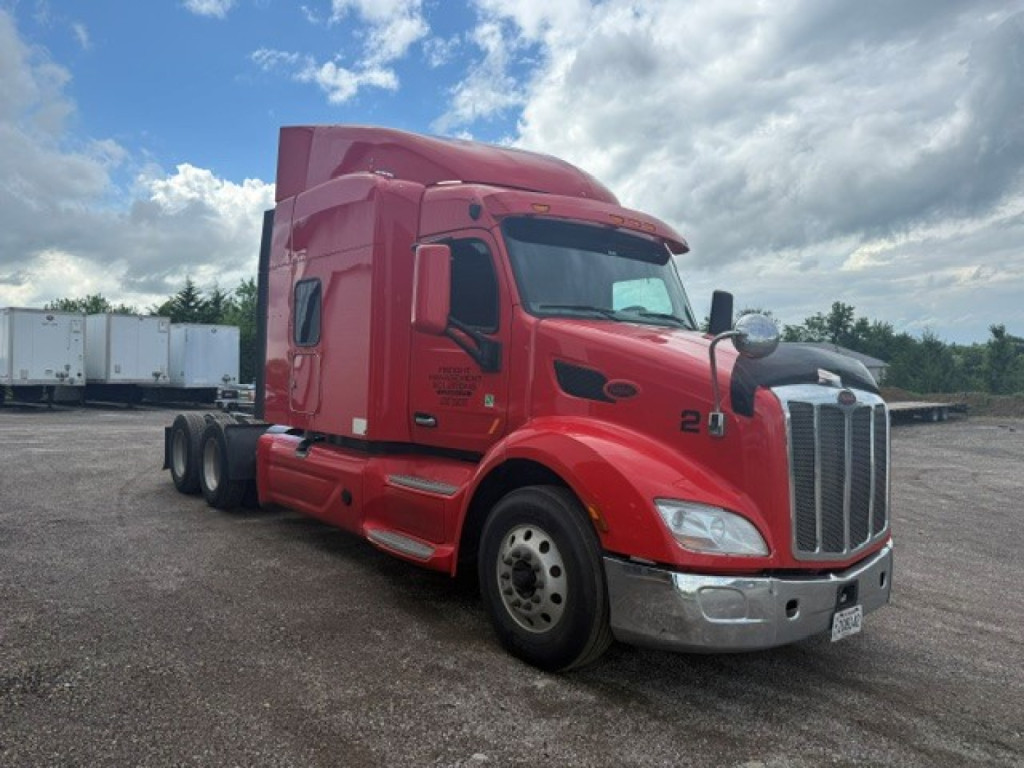
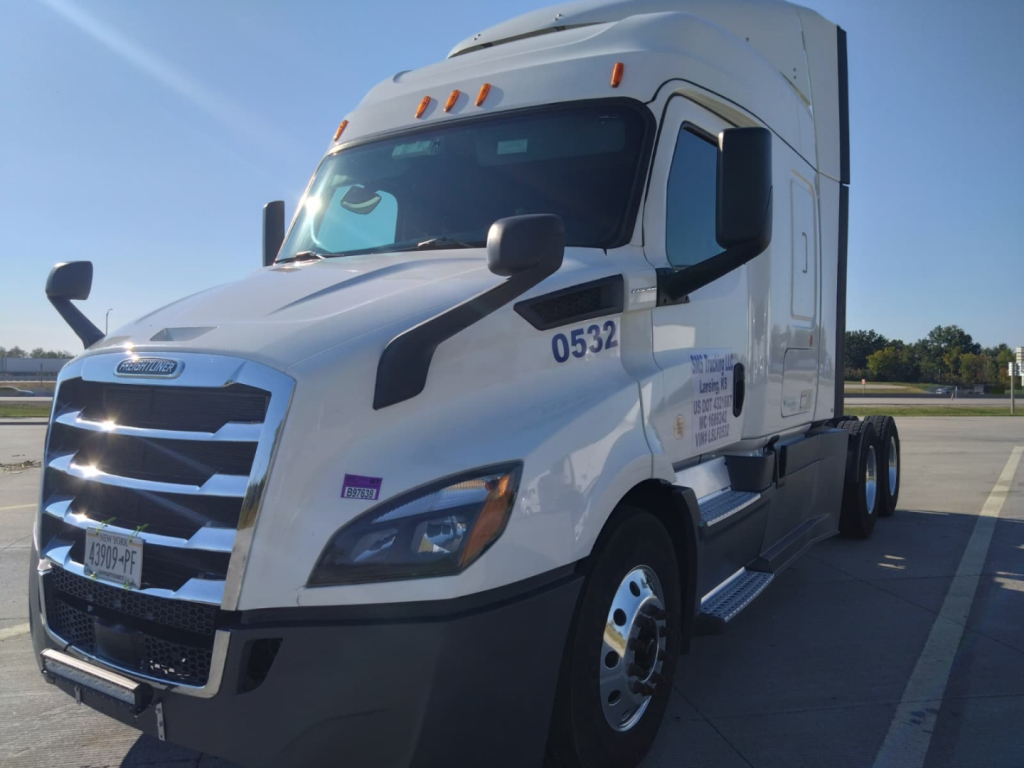
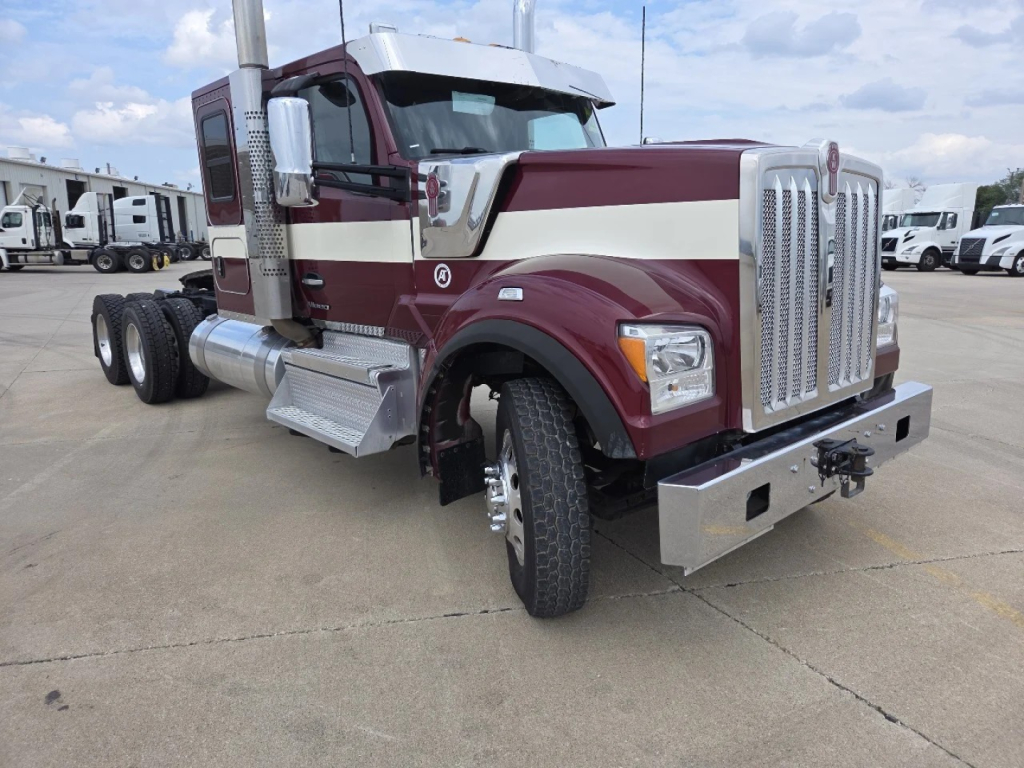
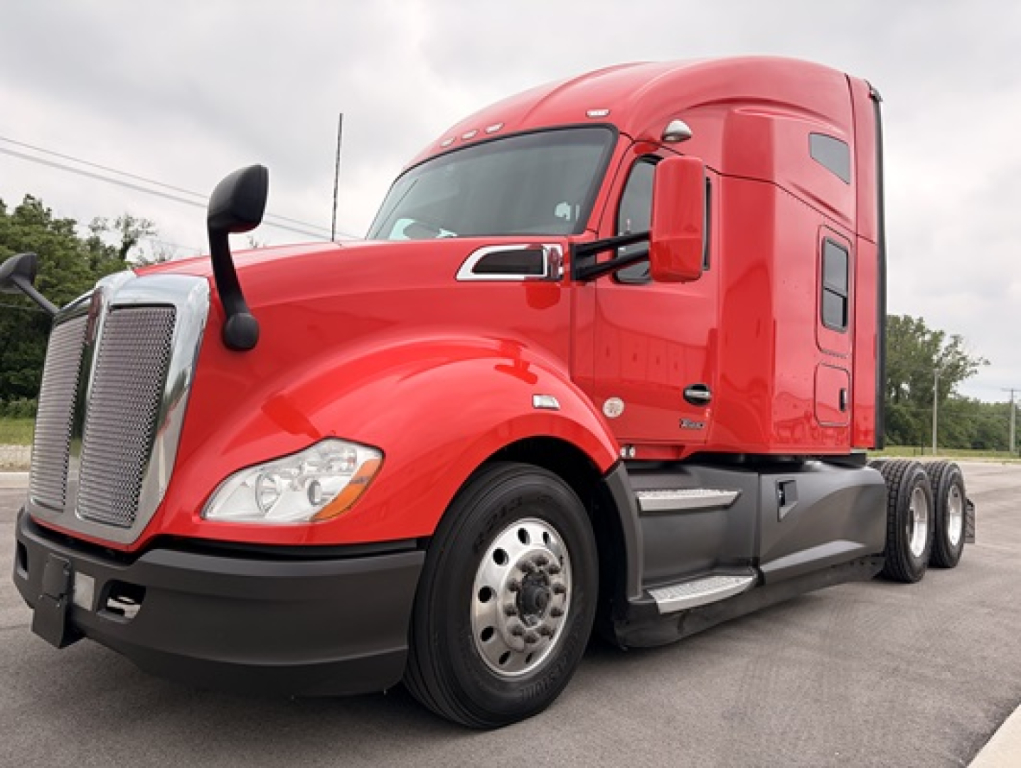
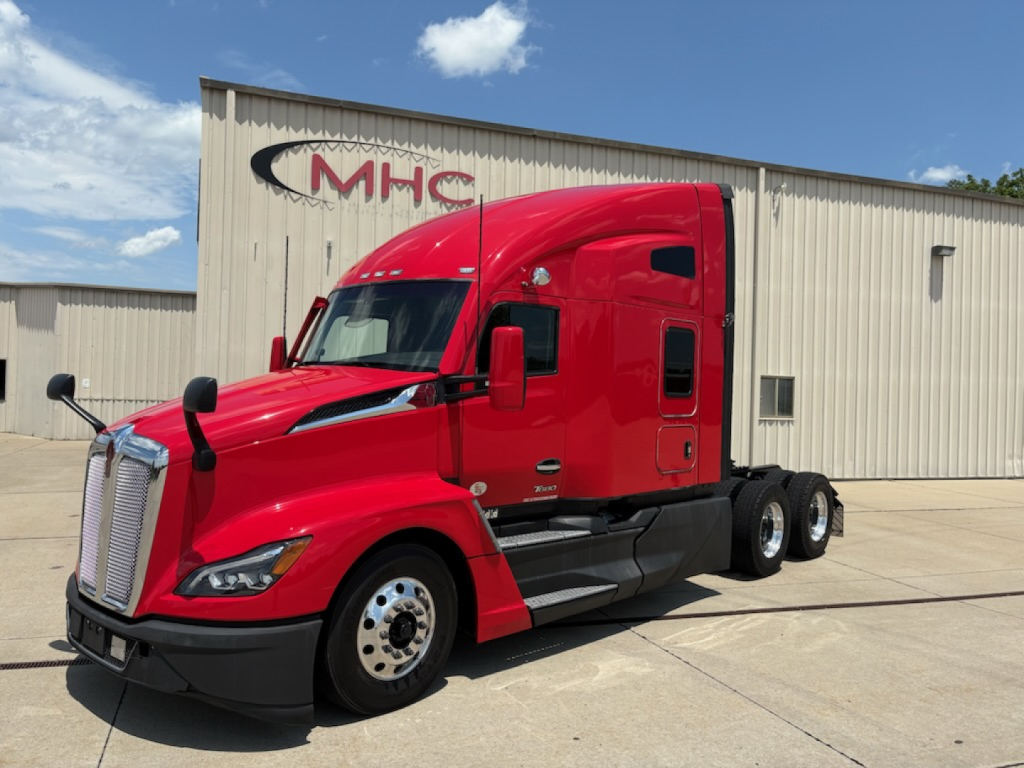
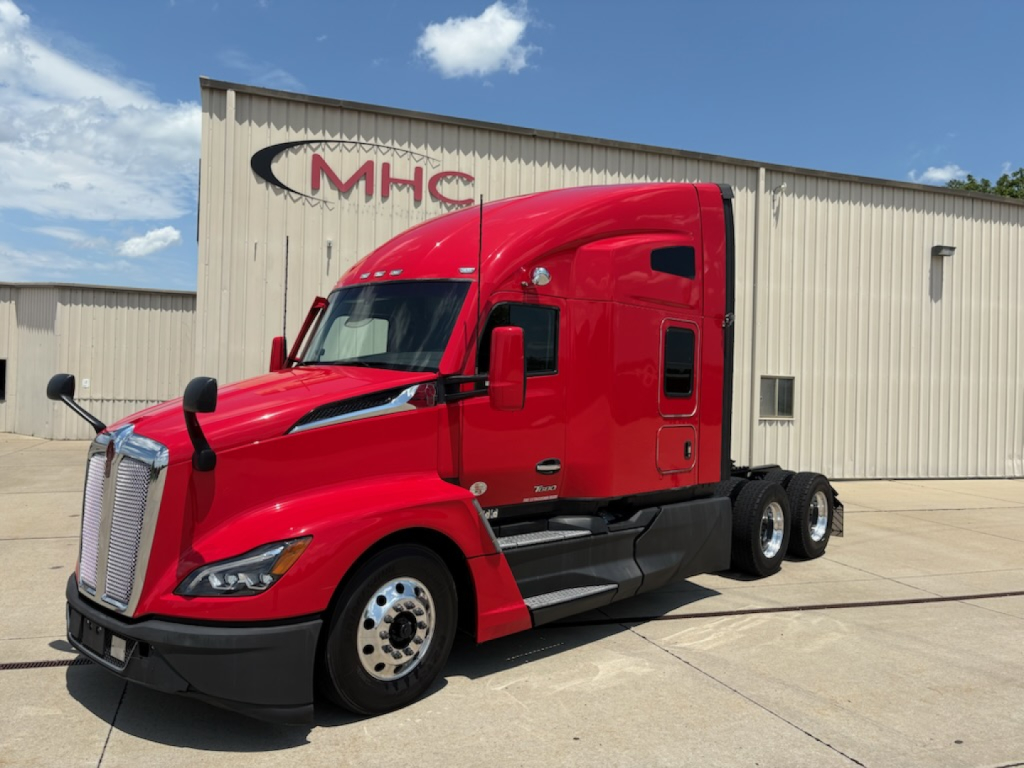
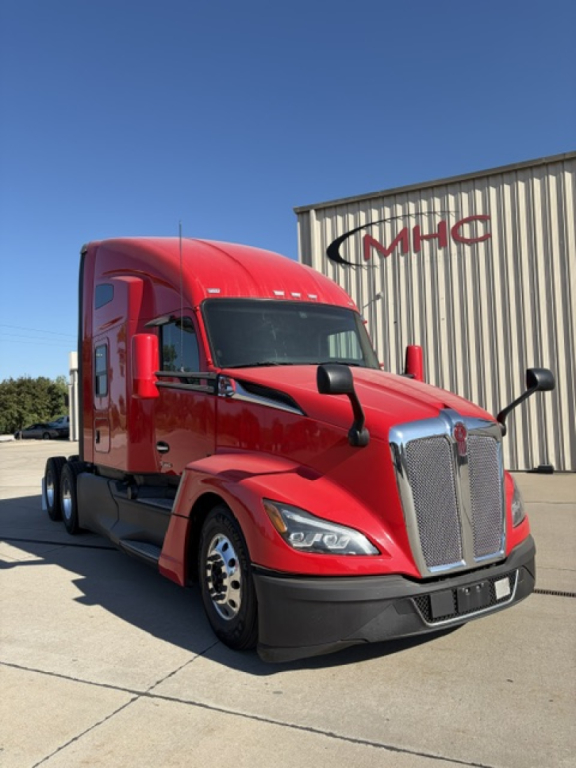
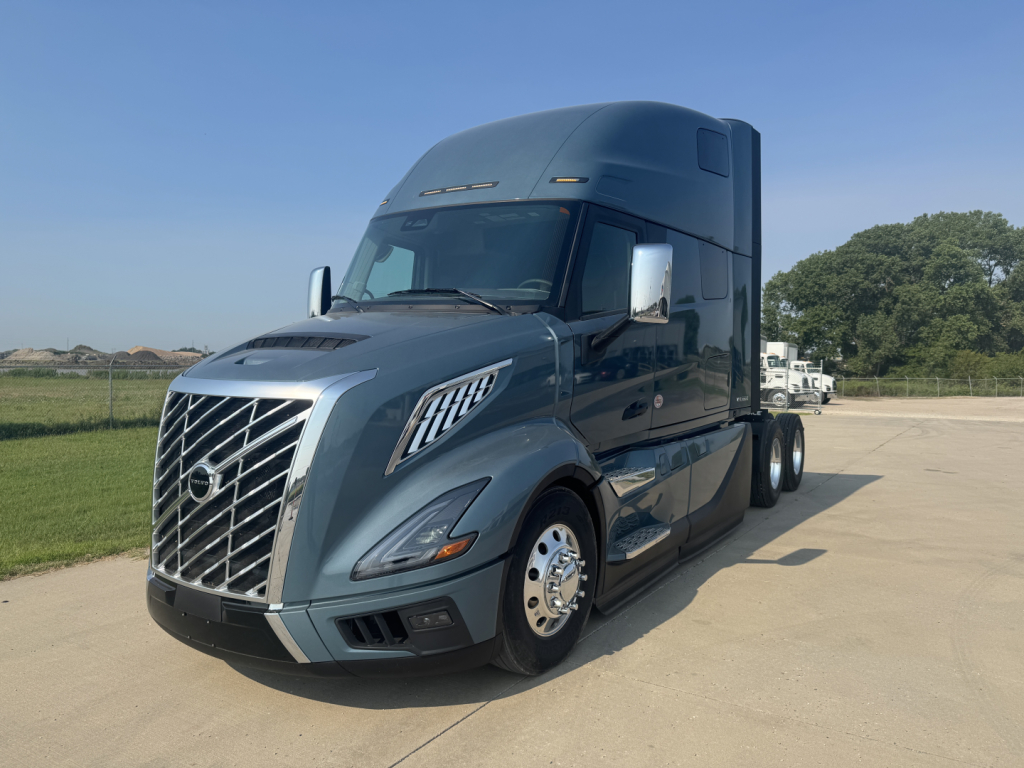
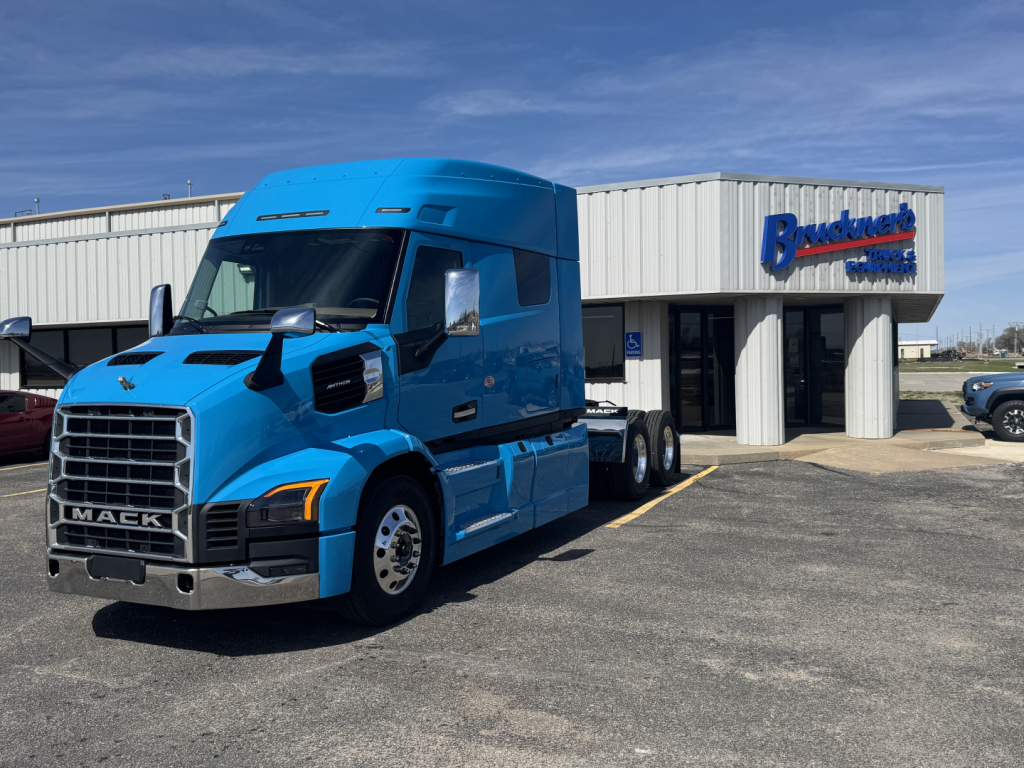
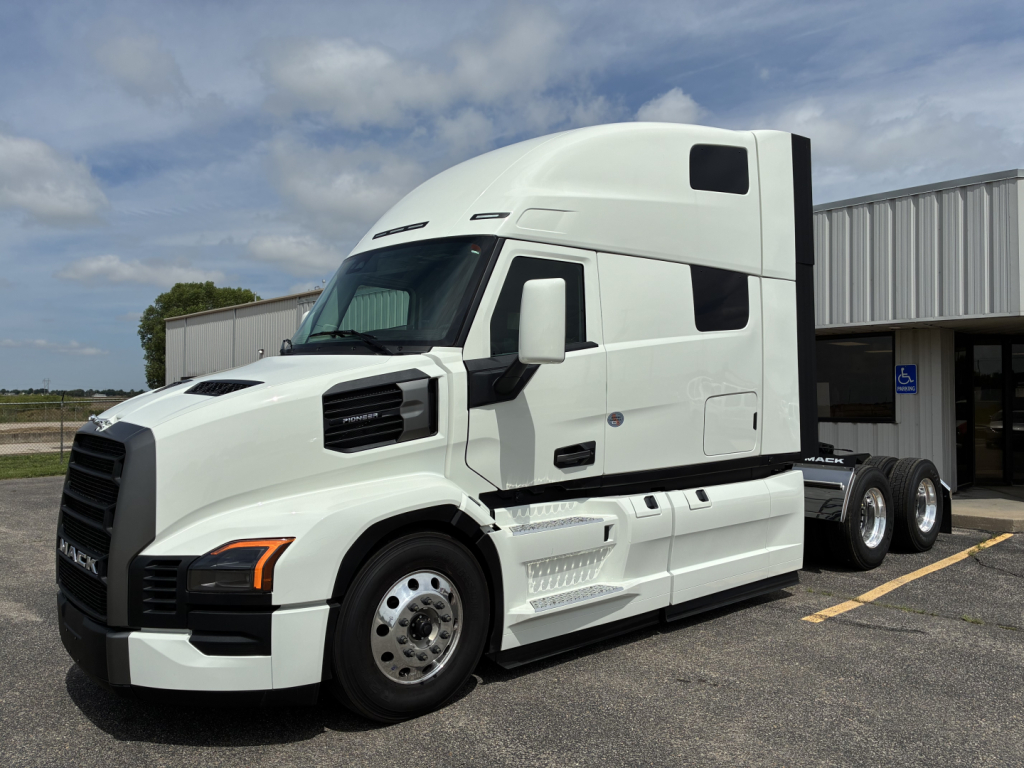
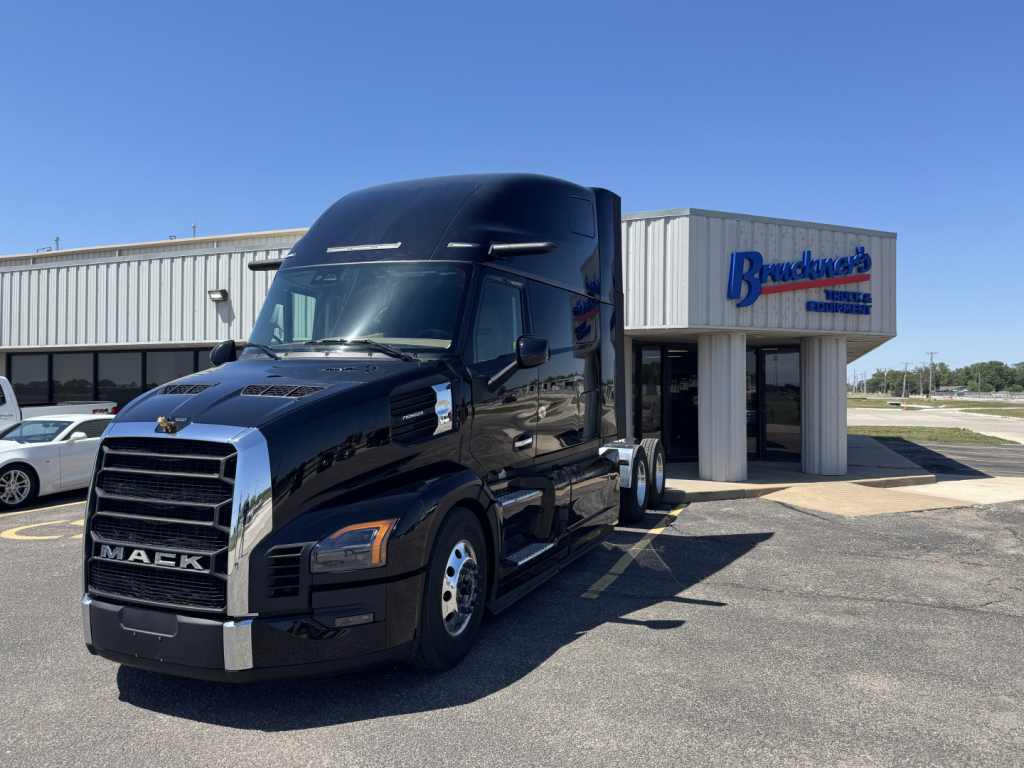
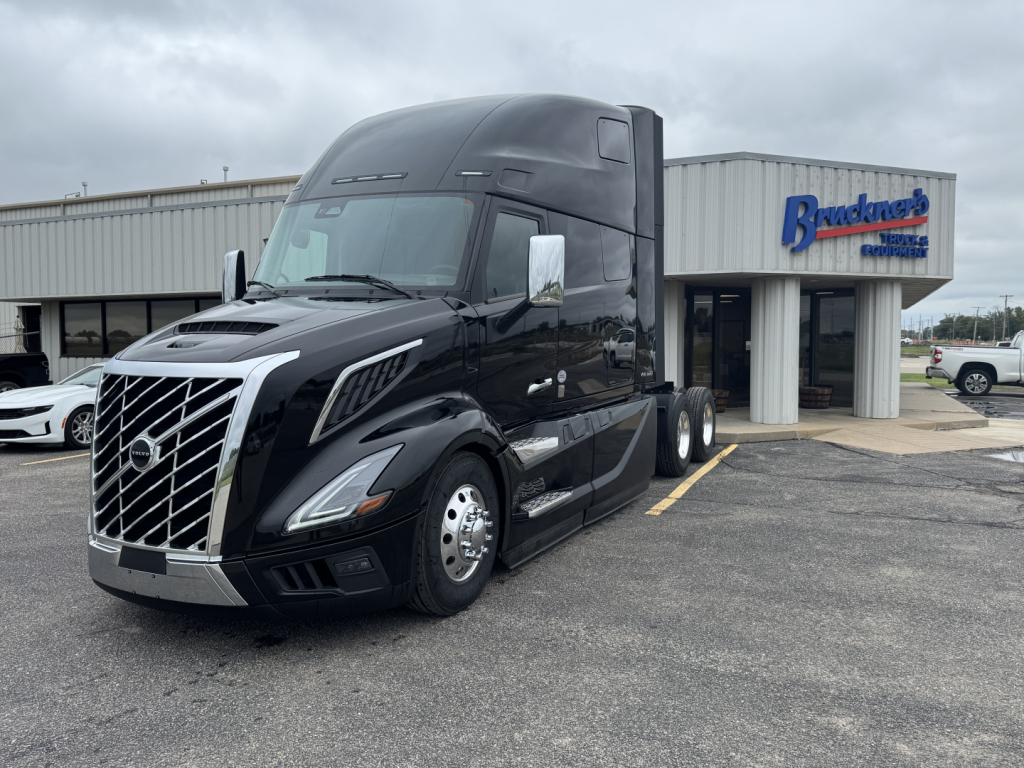

Selling a conventional sleeper truck? List your conventional sleeper truck for sale and reach thousands of commercial buyers.
Conventional Sleeper Trucks in Kansas
The core spec decisions are engine rating, transmission type, rear axle ratio, and suspension. A typical conventional sleeper may be set up with 400 to 515 horsepower, 12-speed automated manual or traditional manual transmission, and tandem drive axles rated around 40,000 pounds. Lower rear axle ratios such as 2.64, 2.85, or 3.08 are usually chosen for highway fuel economy, especially when the truck spends most of its time pulling dry vans or reefers at interstate speeds. Buyers should also check wheelbase, fifth wheel position, and kingpin setting compatibility with the trailers they expect to pull, especially if bridge law, weight distribution, or tight dock access is a concern.
Driver environment matters more in a sleeper truck than in a day cab. Common considerations include bunk length, stand-up room, cabinet layout, inverter capacity, HVAC performance, and idle reduction equipment such as APUs or battery HVAC systems. Aerodynamic fairings, full chassis skirting, and roof packages can make a measurable difference on long Kansas and Midwest routes where steady highway speed drives fuel burn. Safety and control features are also becoming standard buying points, including collision mitigation, adaptive cruise, lane departure warning, disc brakes, and tire pressure monitoring or automatic tire inflation systems depending on the spec.
A conventional sleeper is also known as a sleeper cab semi truck or highway tractor with sleeper. The best choice depends on the freight, trailer mix, and route profile more than the badge on the hood. For dry van and reefer operations, a lighter aerodynamic spec often wins on operating cost. For heavier or more demanding lanes, buyers may prioritize torque, cooling capacity, axle ratio, and durability features over absolute fuel mileage. Looking closely at maintenance history, emissions system service, engine hours, and sleeper wear is especially important on used units, because these trucks often spend much of their life at sustained highway duty cycles.
Frequently Asked Questions about Conventional Sleeper Trucks in Kansas
What is a conventional sleeper truck used for?
A conventional sleeper truck is primarily used for long-haul and regional freight where the driver needs a built-in sleeping compartment for overnight or multi-day trips. These trucks are common in dry van, reefer, dedicated route, and general freight operations. The conventional layout places the engine ahead of the cab, which supports better service access, a wide range of wheelbase options, and strong highway stability.
What sleeper size is best for long-haul trucking?
For long-haul work, high-roof sleepers in the 70 to 80 inch range are often preferred because they provide more stand-up room, storage, and living space. That extra room matters when the truck stays on the road for several days at a time. Smaller sleepers can still work well for regional operations, team setups with different requirements, or applications where lower weight and shorter overall length are more important than maximum comfort.
Which drivetrain specs matter most on a conventional sleeper?
The most important drivetrain specs are horsepower, torque, transmission type, rear axle ratio, and axle ratings. A highway-focused truck pulling van freight often benefits from an automated manual transmission and a fuel-efficient rear ratio such as 2.85 or 3.08. Heavier freight or more varied terrain may call for higher horsepower, deeper gearing, and attention to cooling, suspension, and driveline durability. The right combination depends on gross weight, average speed, and how often the truck leaves interstate routes.
Are aerodynamic sleeper trucks better for Kansas highway routes?
Aerodynamic sleeper trucks are usually a strong fit for Kansas highway operations because long stretches of interstate driving reward lower wind resistance and efficient gearing. Fairings, roof design, side extenders, and chassis skirting can all help reduce fuel burn at cruising speed. On open plains routes, crosswind performance and cab stability also matter, so buyers should weigh aero efficiency together with suspension setup, steering feel, and overall ride quality.
What should I inspect on a used conventional sleeper truck?
On a used conventional sleeper, focus on maintenance records, engine and aftertreatment history, transmission operation, suspension wear, brake condition, and signs of frame or fifth wheel stress. Check for excessive idle hours, uneven tire wear, air leaks, bunk HVAC problems, and deferred repairs inside the sleeper. Because these trucks often accumulate high highway miles, the condition of the emissions system, wheel seals, driveline components, and sleeper interior can reveal how the truck was operated and maintained.