
Volvo Conventional Sleeper Trucks For Sale in Kansas
Shop Volvo conventional sleeper trucks for long-haul and regional freight, including VNL and VNR models with modern safety and fuel-efficient specs.
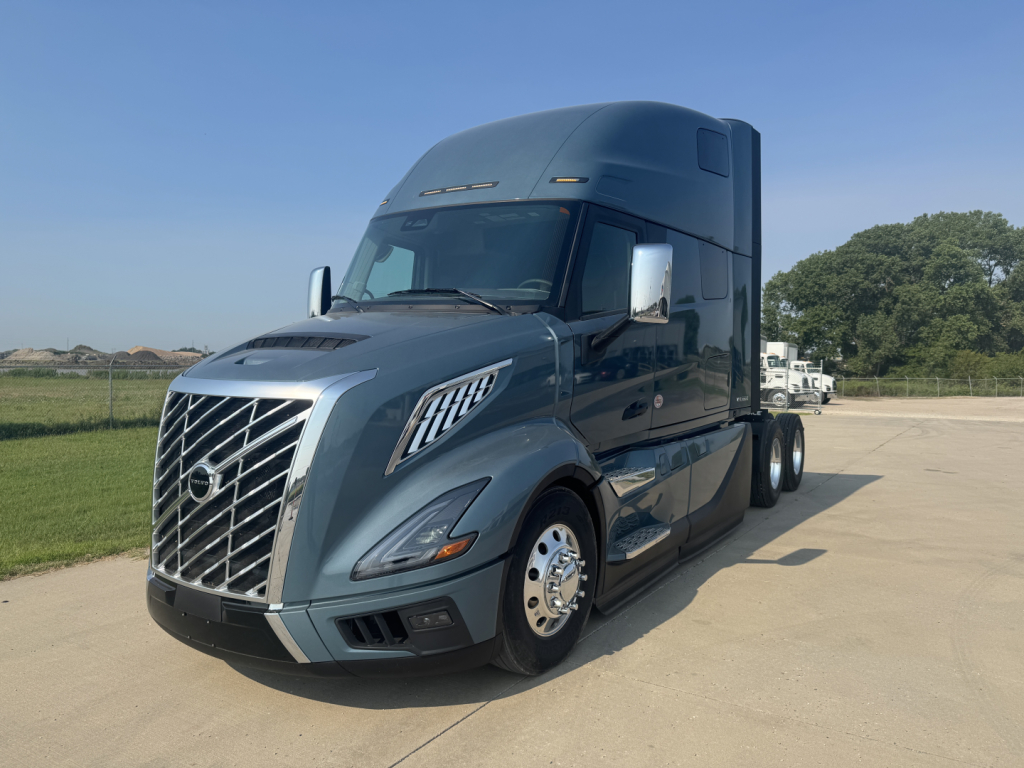
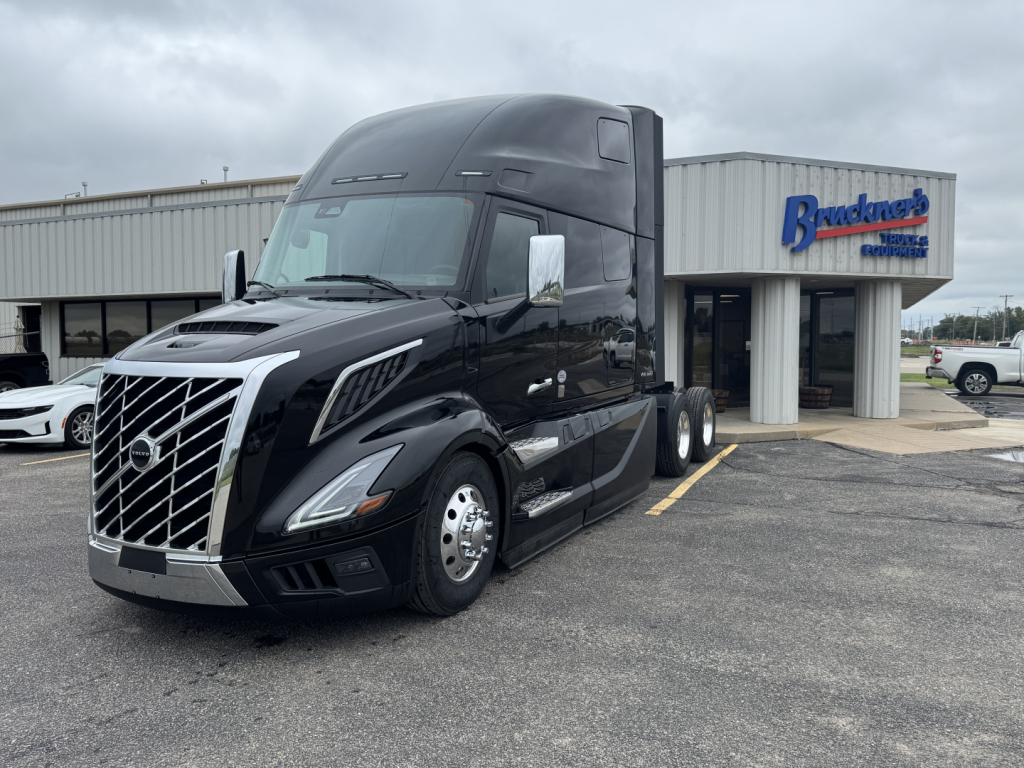

Selling a volvo conventional sleeper truck? List your volvo conventional sleeper truck for sale and reach thousands of commercial buyers.
Volvo Conventional Sleeper Trucks in Kansas
A serious buying decision in this segment starts with the powertrain. Many Volvo sleeper trucks are spec'd with the D13 engine, including higher-horsepower long-haul ratings paired to the Volvo I-Shift automated manual transmission. Rear axle ratios, wheelbase, and suspension ratings make a major difference in how the truck performs on Kansas lanes and cross-country routes. A taller rear ratio can help low-rpm cruise efficiency, while a more versatile spec may suit mixed terrain, heavier van freight, or reefer work. Common setups include 6x4 tandem drive axles, sliding fifth wheels, and sleeper configurations designed around owner-operator or fleet duty cycles.
Cab and sleeper layout deserve close attention because Volvo has long been strong in driver-focused interiors. On VNL sleepers especially, buyers often compare bunk size, storage, stand-up room, HVAC options, inverter prep, and idle-management equipment such as cab parking heaters or coolers. Safety and driver-assist features are also a key part of the Volvo value proposition, with many newer trucks equipped with collision mitigation, lane departure alerts, adaptive cruise functions, and integrated telematics. If the truck will spend most of its time on interstate freight, aero packages, fairings, and tire spec can have a measurable impact on operating cost over the life of the unit.
Used Volvo sleeper trucks can offer strong value if maintenance history, emissions system condition, and transmission calibration have been properly managed. Buyers should look closely at engine hours, aftertreatment service records, sleeper wear, and signs of uneven suspension or driveline stress. Newer models bring updated interiors, improved connectivity, and the latest safety packages, while older VNL sleepers remain popular for fleets and independent operators looking for a proven long-haul platform. The right choice comes down to route length, trailer type, expected payload, and how heavily comfort, fuel economy, and resale matter to the operation.
Frequently Asked Questions about Volvo Conventional Sleeper Trucks in Kansas
What is the difference between a Volvo VNL sleeper and a Volvo VNR sleeper?
The Volvo VNL is generally the long-haul platform, designed for maximum aerodynamic efficiency, larger sleeper options, and stronger support for over-the-road duty cycles. The Volvo VNR is typically oriented toward regional haul, shorter turn times, and urban-to-highway flexibility, though some configurations still include a sleeper. Buyers comparing the two should look at wheelbase, bunk size, fuel capacity, maneuverability, and the type of freight lanes the truck will actually run.
What engine and transmission are common in Volvo conventional sleeper trucks?
A common setup is the Volvo D13 engine paired with the Volvo I-Shift automated manual transmission. This combination is popular because it balances fuel economy, drivability, and driver acceptance across long-haul applications. Horsepower ratings, torque output, and rear axle ratio should be matched to the trailer type and terrain, since a dry van on flatter lanes calls for a different spec than a heavier reefer or mixed-route operation.
What should I inspect on a used Volvo sleeper truck before buying?
Key inspection points include aftertreatment service history, fault codes, engine hours, transmission performance, driveline condition, and evidence of suspension wear. Inside the sleeper, check bunk hardware, HVAC performance, cabinet condition, seals, and signs of water intrusion or excessive idle-related wear. Service documentation matters because sleeper tractors often accumulate significant highway miles, and a well-documented maintenance file can tell you more than the odometer alone.
Are Volvo sleeper trucks a good fit for Kansas-based operations?
They can be a strong fit for Kansas carriers because the state supports a mix of regional and long-haul freight, and Volvo sleeper tractors are well suited for sustained highway miles. Aerodynamic VNL specs can work well on interstate corridors, while a VNR sleeper may fit shorter regional loops that still require overnight capability. The best spec depends on the freight mix, average trip length, and whether the truck will spend more time crossing open highway or handling frequent stops and tighter terminals.
Which specs matter most when choosing a Volvo sleeper truck?
The most important specs are sleeper size, engine rating, transmission type, rear axle ratio, wheelbase, axle ratings, and fuel capacity. Buyers should also pay close attention to safety systems, fifth wheel setup, suspension type, and idle-management features inside the cab. Those details affect payload flexibility, fuel burn, driver comfort, and how well the truck fits a specific freight lane or dispatch model.