
Mack Conventional Sleeper Trucks For Sale in Kansas
Shop Mack conventional sleeper trucks with MP13 power, mDrive transmissions, tandem axles, and specs built for regional or long-haul work.
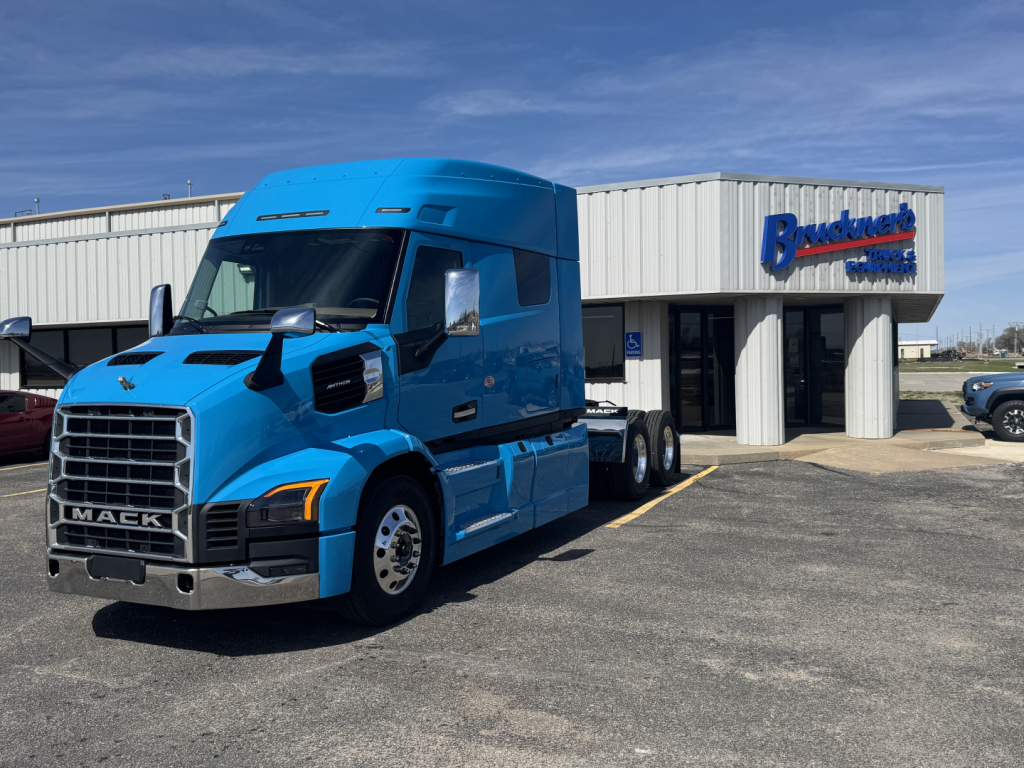
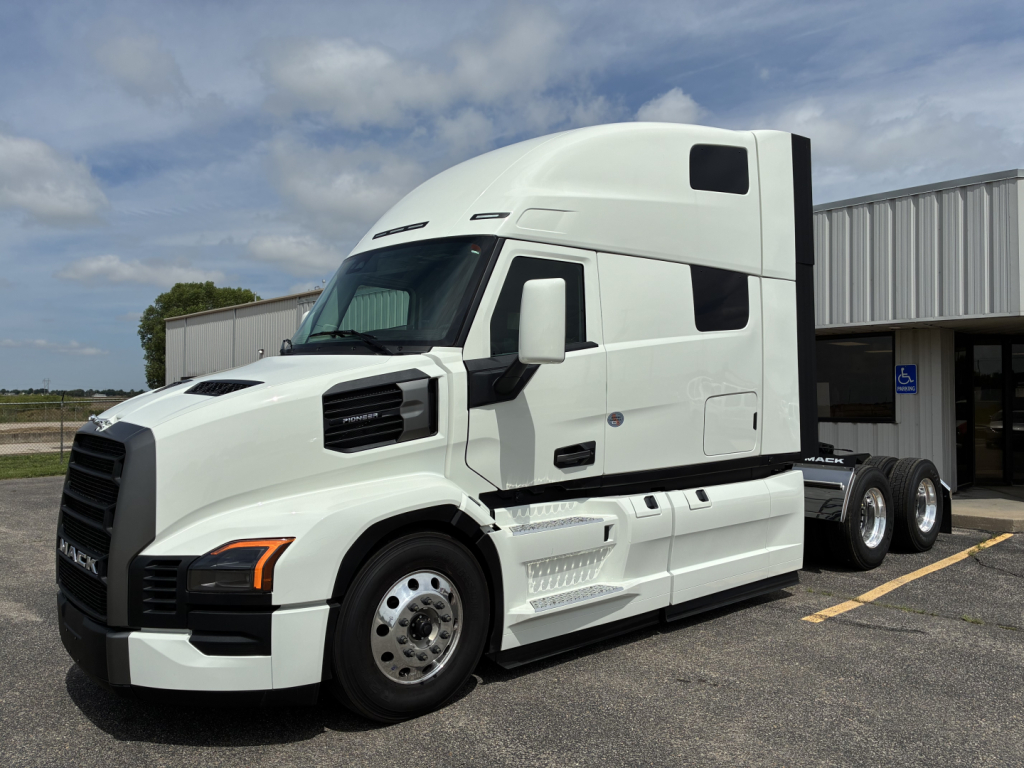
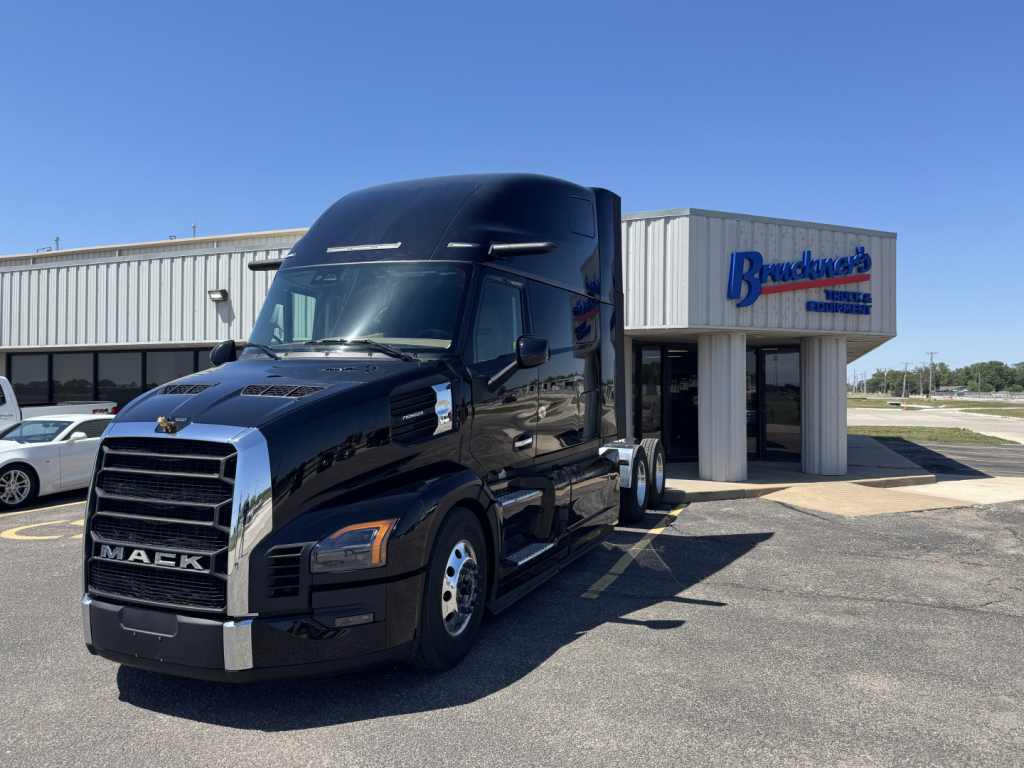
Selling a mack conventional sleeper truck? List your mack conventional sleeper truck for sale and reach thousands of commercial buyers.
Mack Conventional Sleeper Trucks in Kansas
A key buying decision in a Mack sleeper is the drivetrain spec. Many conventional sleeper trucks in this class carry the MP13 in ratings around 445 to 515 horsepower, which puts them in the heart of the market for van, reefer, flatbed, and general freight applications. The common 12-speed Mack mDrive overdrive transmission is popular because it simplifies driver training, helps maintain shift consistency, and pairs well with fuel-focused rear axle ratios such as 2.47 or 2.85. A 2.47 ratio generally leans toward fuel economy and lighter linehaul duty, while a 2.85 ratio gives a little more flexibility when pulling heavier loads or running mixed terrain across Kansas and surrounding states. Front axle ratings around 13,200 pounds and tandem rears at 40,000 pounds are standard specs for a road tractor in this category, with wheelbases around 238 inches being a common balance between ride quality, sleeper space, and trailer swing clearance.
Suspension and chassis details matter more than many buyers expect. Mack conventional sleeper trucks are frequently equipped with air ride rear suspensions such as MaxLite Air or MaxRide, both aimed at highway stability and driver comfort. For operations that load heavy every day, suspension rating, rear bogie design, and frame spec should be checked alongside the fifth wheel setup and kingpin settings to make sure the truck matches the trailer mix. Buyers running dry vans or reefers on long interstate lanes may prioritize low rolling resistance tires, aerodynamic packages, and overdrive gearing. Buyers pulling flatbeds or heavier regional freight may place more value on horsepower, axle ratio, and a suspension setup that feels stable on rougher secondary roads and yard entrances.
The sleeper itself is a major part of the value in this equipment class. Mack conventional sleepers are typically selected for operations that need overnight capability, better driver retention, and less fatigue over multi-day runs. Interior trim packages, bunk heaters, sleeper HVAC options, storage layout, and noise control can make a real difference in day-to-day use. For Kansas-based buyers, it also makes sense to look closely at cooling performance for summer heat, bunk heating for winter idle reduction, and gearing that fits long stretches of highway without sacrificing startability when the truck is loaded. A well-spec'd Mack sleeper truck should be judged as a complete package: engine rating, mDrive calibration, axle ratio, suspension, wheelbase, sleeper amenities, and intended freight lane all need to work together.
Frequently Asked Questions about Mack Conventional Sleeper Trucks in Kansas
What engine and transmission are common in Mack conventional sleeper trucks?
A common setup is the Mack MP13 engine paired with the Mack mDrive 12-speed automated manual transmission. In this category, horsepower often falls between 445 and 515 HP, which covers a wide range of linehaul and regional applications. This combination is popular because Mack integrates the engine and transmission to work together for shift quality, grade handling, and fuel efficiency.
Is a 2.47 or 2.85 rear axle ratio better for a Mack sleeper truck?
It depends on the job. A 2.47 rear ratio is typically chosen for fuel-conscious highway operation where loads are moderate and the truck spends most of its time at cruising speed. A 2.85 ratio is usually the better fit for mixed terrain, heavier freight, or operations that need stronger pulling power and better flexibility at lower road speeds. The right choice should match trailer type, average gross weight, and route profile.
What can a tandem axle Mack conventional sleeper truck typically be used for?
A tandem axle Mack sleeper tractor is commonly used for dry van, reefer, flatbed, and other over-the-road freight applications. With front axle ratings around 13,200 pounds and rear axle ratings around 40,000 pounds, these trucks fit mainstream Class 8 work well. They are especially well suited for regional haul, dedicated contract freight, and long-haul lanes where a sleeper and highway gearing are important.
What should buyers look at besides horsepower on a Mack sleeper?
Horsepower is only one part of the spec. Buyers should also review transmission type, rear axle ratio, suspension rating, wheelbase, sleeper size, and the truck's intended gross combination weight. Aerodynamic spec, bunk heater or sleeper HVAC equipment, and interior trim can also affect operating cost and driver satisfaction. A truck with the right complete spec will usually perform better than one chosen on horsepower alone.
Are Mack conventional sleeper trucks a good fit for Kansas-based operations?
Yes, they can be a strong fit for Kansas freight lanes because they are commonly spec'd for highway efficiency and long-distance comfort. Kansas operations often involve sustained interstate miles, crosswinds, temperature extremes, and a mix of regional and long-haul freight. A Mack sleeper with MP13 power, mDrive overdrive, air ride suspension, and the right axle ratio can be well suited for that operating environment.