
2027 Conventional Sleeper Trucks For Sale in Kansas
Shop 2027 conventional sleeper trucks in Kansas. Compare high-roof specs, powertrains, sleeper sizes, fuel economy, and long-haul features.
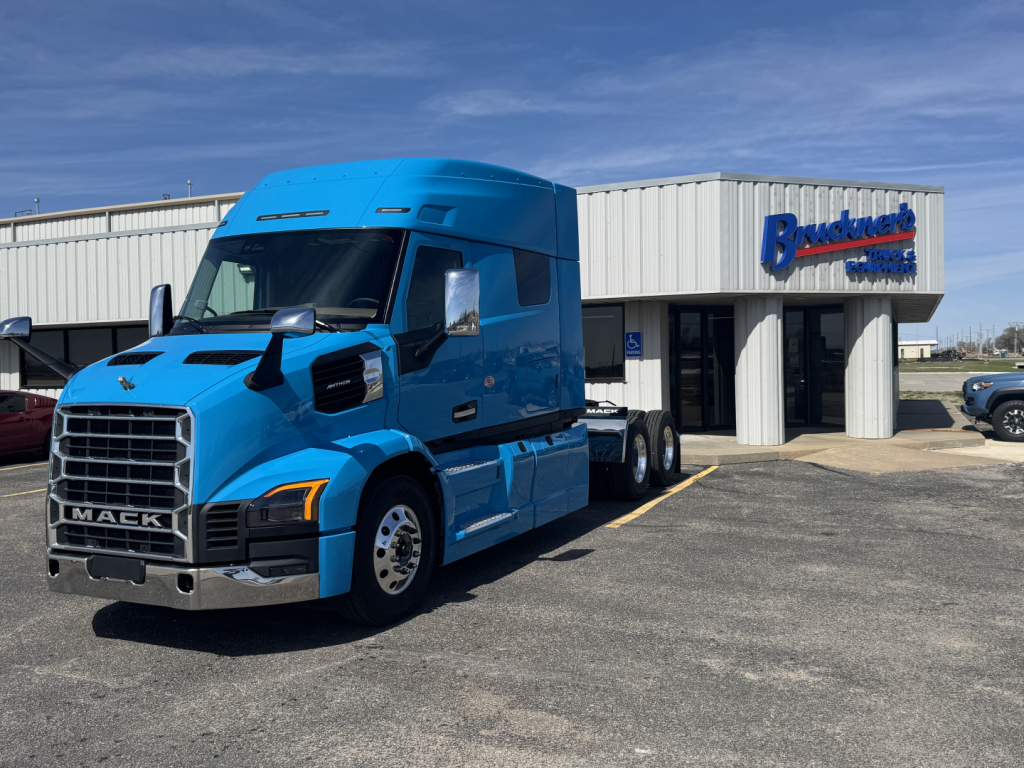
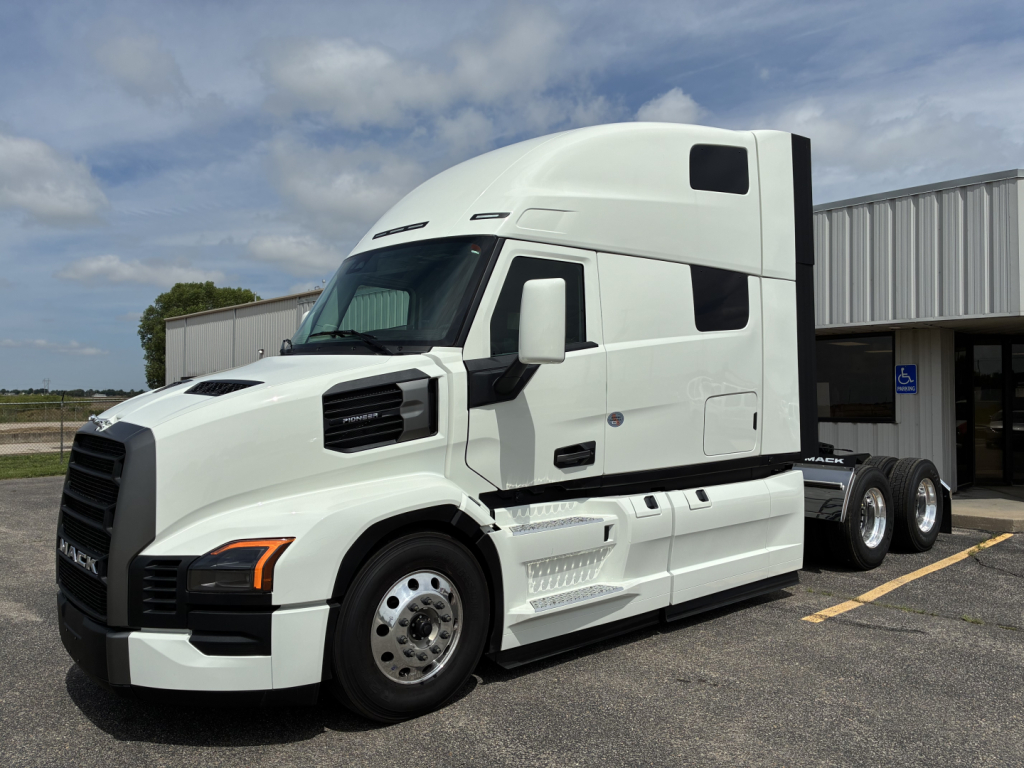
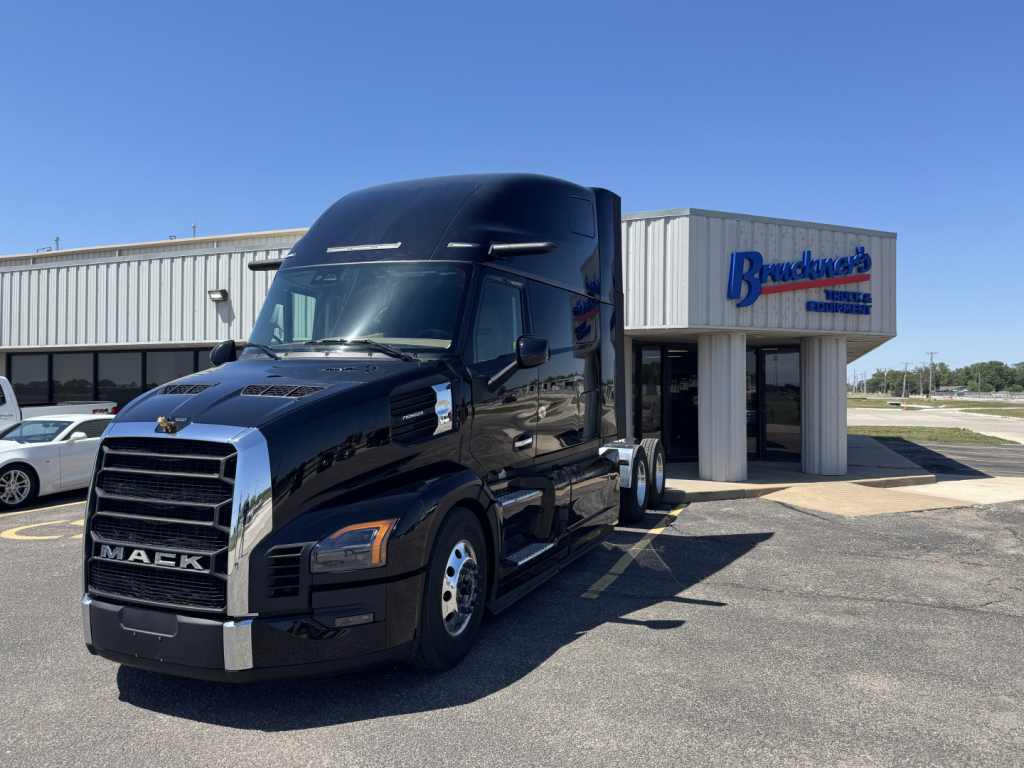

Selling a 2027 conventional sleeper truck? List your 2027 conventional sleeper truck for sale and reach thousands of commercial buyers.
2027 Conventional Sleeper Trucks in Kansas
The biggest buying decisions usually come down to powertrain, sleeper layout, and axle ratio. Late-model conventional sleepers commonly use 13-liter engines paired with automated manual transmissions, which have become the standard for fuel-efficient linehaul work and easier driver onboarding. Buyers comparing specs should pay close attention to horsepower and torque ratings, overdrive versus direct-drive transmission setup, rear axle ratio, wheelbase, and fuel capacity. A truck built for van and reefer freight on flatter Midwest lanes may favor a downsped drivetrain with a 2.47 to 2.85 rear ratio, while heavier loads or mixed terrain can justify a more aggressive ratio and different transmission calibration. Front axle capacity, suspension type, and brake package also matter if the truck will see demanding gross weights or high annual miles.
Sleeper design is just as important as the driveline on a long-haul tractor. High-roof sleepers in this category often include a premium bunk, refrigerator prep or factory fridge, storage cabinets, workstation space, inverter provisions, and engine-off climate options such as bunk heaters or parking coolers. Those features directly affect rest quality and idle reduction. Safety and driver-assist systems have also become a major part of the value equation in newer conventional sleepers, including collision mitigation, adaptive cruise control, lane departure warnings, disc brake availability, and integrated telematics. Aerodynamic packages, fairings, wheel covers, and predictive cruise strategies can make a measurable difference in fuel burn over high annual mileage.
For Kansas operations, it makes sense to evaluate how a conventional sleeper will perform in crosswinds, long I-70 and I-35 stretches, and wide temperature swings across the year. Service network strength, parts availability, and emissions system support should be considered alongside the cab and sleeper specs. Buyers comparing models such as Volvo VNL and Mack highway sleepers will usually focus on driver comfort, highway stability, maintenance intervals, and total cost per mile rather than just purchase price. The right 2027 conventional sleeper truck should match the freight profile first, then the driver, then the budget.
Frequently Asked Questions about 2027 Conventional Sleeper Trucks in Kansas
What is a conventional sleeper truck used for?
A conventional sleeper truck is designed for long-haul and regional freight that requires overnight operation or extended time away from home. It combines a conventional hooded tractor with an integrated sleeper compartment behind the cab, giving the driver a place to rest between shifts. This category is commonly used for dry van, refrigerated, and general highway freight where fuel economy, comfort, and uptime are critical.
What specs matter most when buying a 2027 conventional sleeper truck?
The most important specs are engine displacement and rating, transmission type, rear axle ratio, wheelbase, fuel capacity, sleeper size, and suspension configuration. Buyers should also look closely at front and rear axle capacities, brake setup, and the aerodynamic package because those details affect payload flexibility, highway performance, and operating cost. A well-matched spec is more important than choosing the highest horsepower on paper.
Are automated manual transmissions standard in new sleeper tractors?
Automated manual transmissions are now the dominant choice in new conventional sleeper trucks because they improve shift consistency, reduce driver fatigue, and support fuel-efficient calibrations. They are especially common in fleet and linehaul applications where driver turnover, training time, and total cost per mile are closely watched. Manual transmissions still exist in some operations, but they are far less common in late-model highway sleepers.
How do I choose the right sleeper size and interior setup?
The right sleeper depends on haul length, driver schedule, and retention goals. A high-roof sleeper is usually preferred for over-the-road applications because it provides better stand-up room, storage, and space for amenities like a larger bunk, refrigerator, cabinets, and workstation features. If the truck will be used for team driving or extended multi-day runs, interior layout and idle reduction equipment can be just as important as engine spec.
Why does rear axle ratio matter on a highway sleeper truck?
Rear axle ratio has a direct impact on cruise rpm, startability, grade performance, and fuel economy. Lower numerical ratios such as 2.47 to 2.85 are common in downsped highway applications because they reduce engine speed at road speed and can improve fuel mileage on lighter or moderate freight. Higher numerical ratios may be a better fit for heavier loads, frequent grades, or operations that need stronger low-speed pulling power.