
Conventional Sleeper Trucks For Sale in Arkansas
Shop conventional sleeper trucks for long-haul freight, with tandem axles, raised-roof cabs, automated manuals, and highway-focused specs.
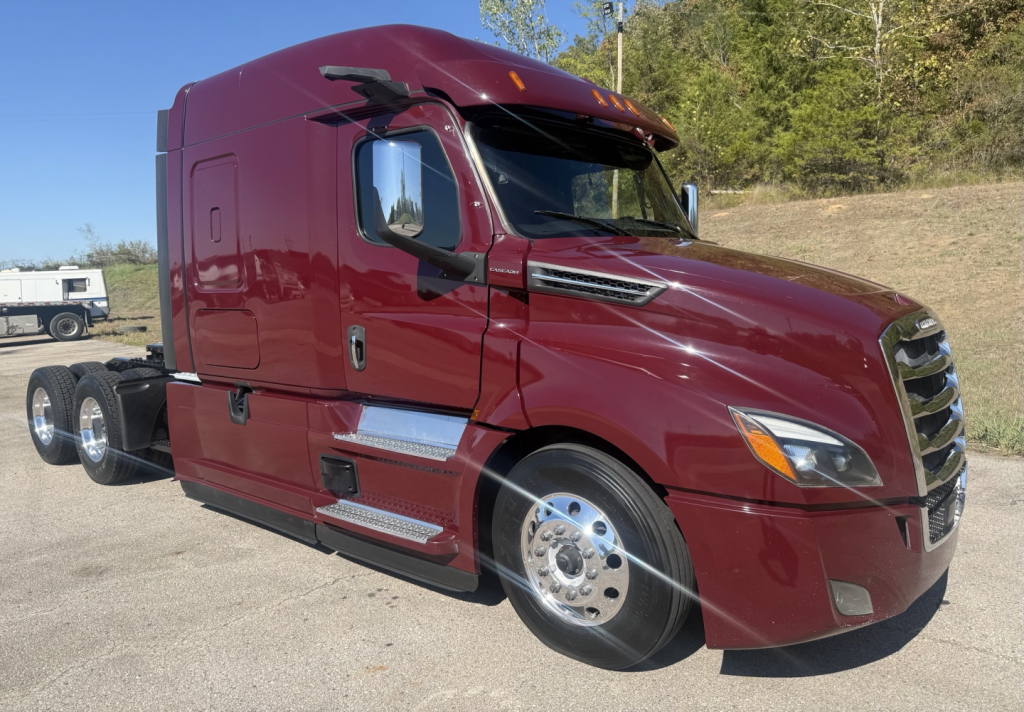
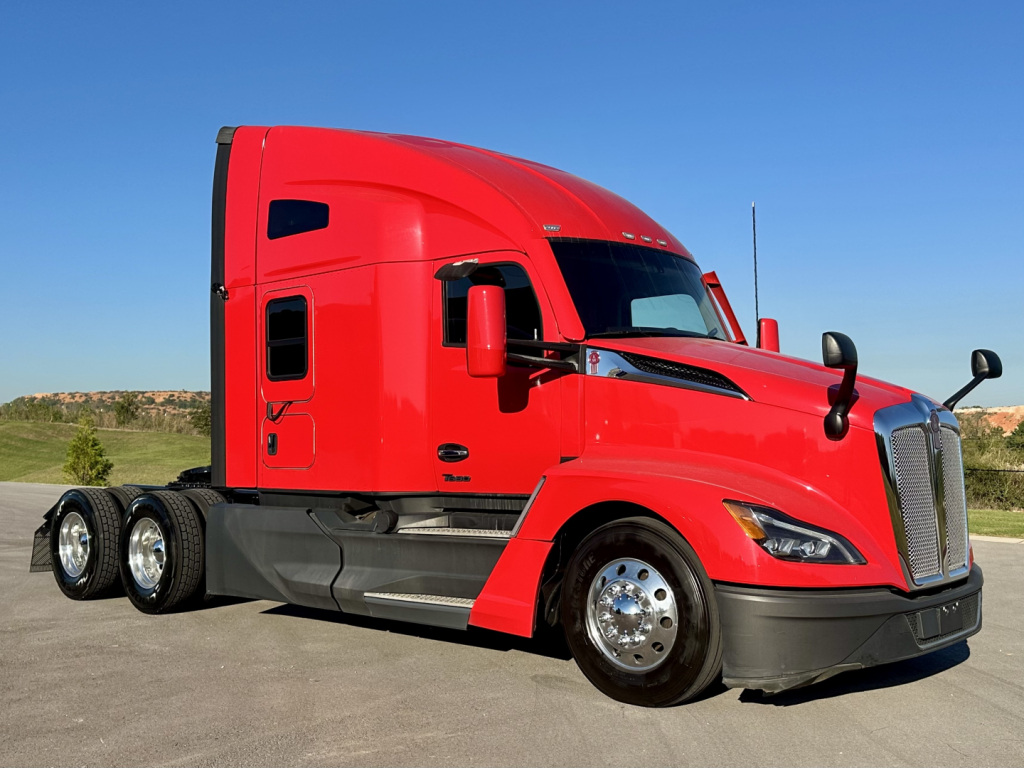
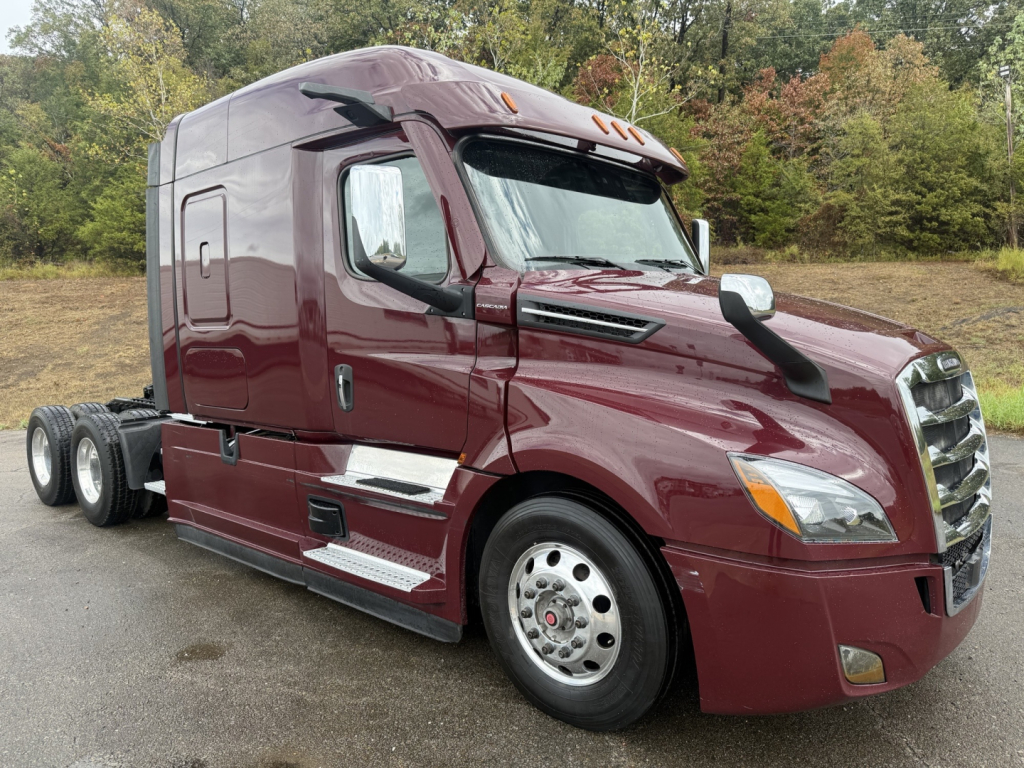
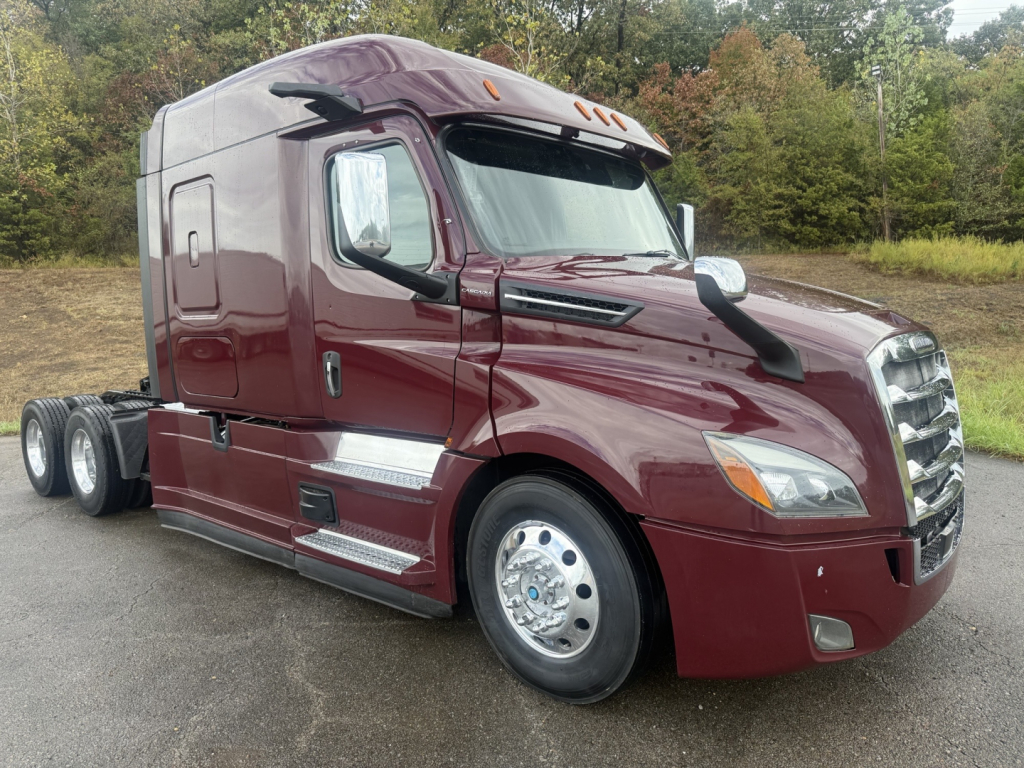
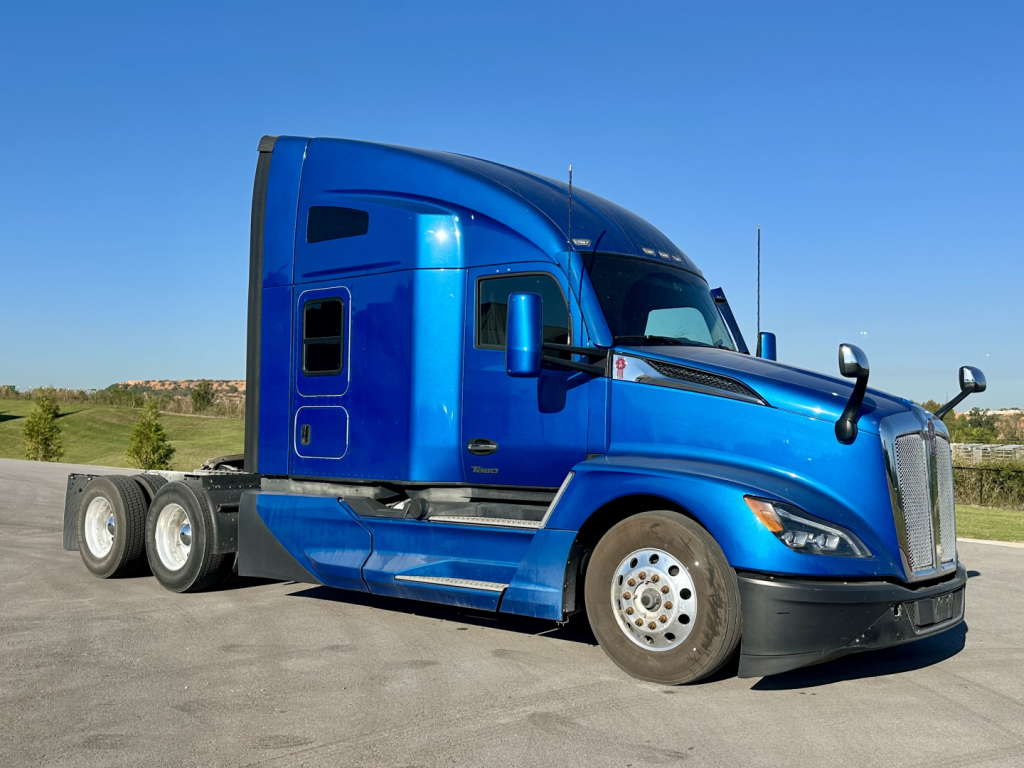
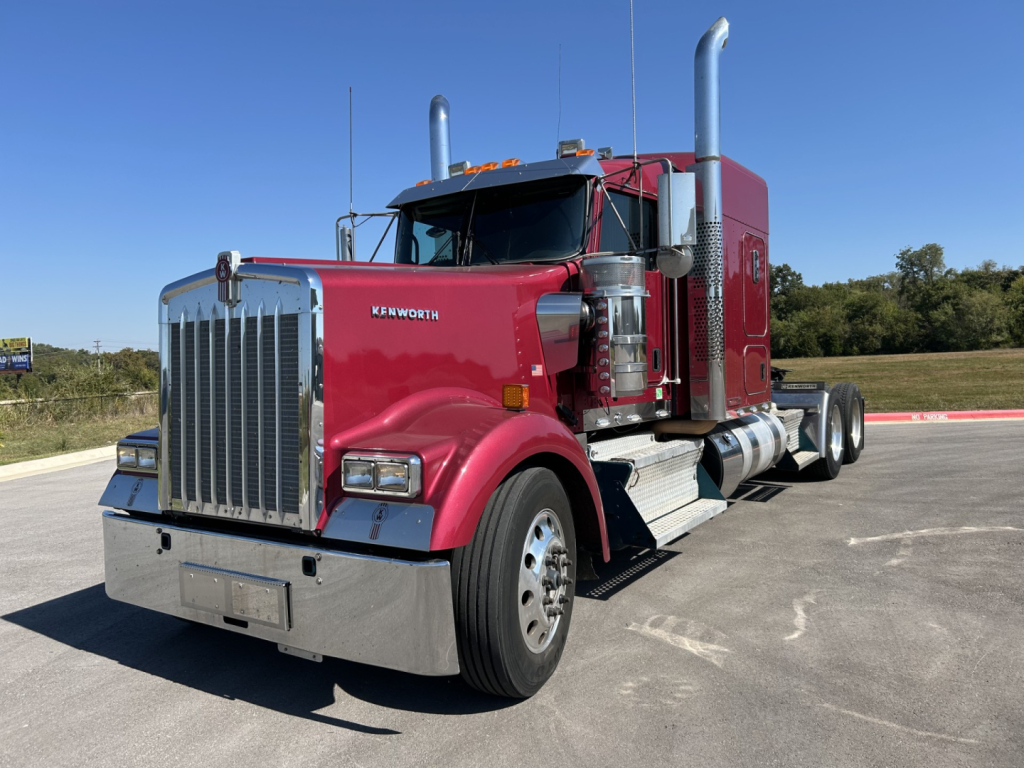
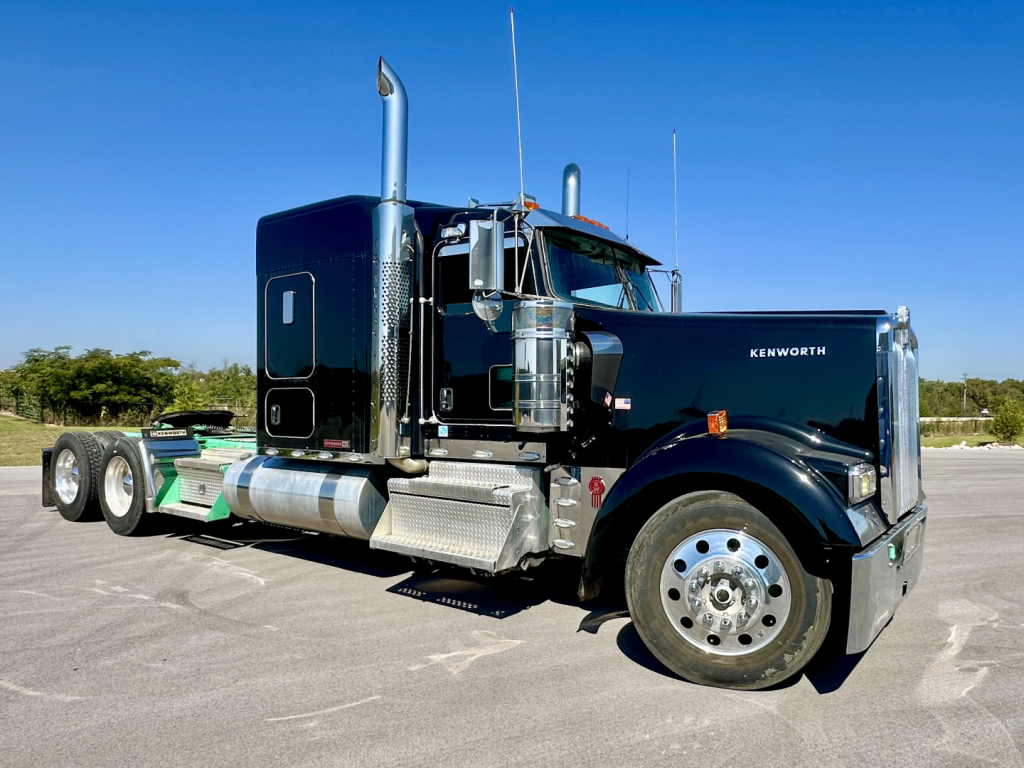
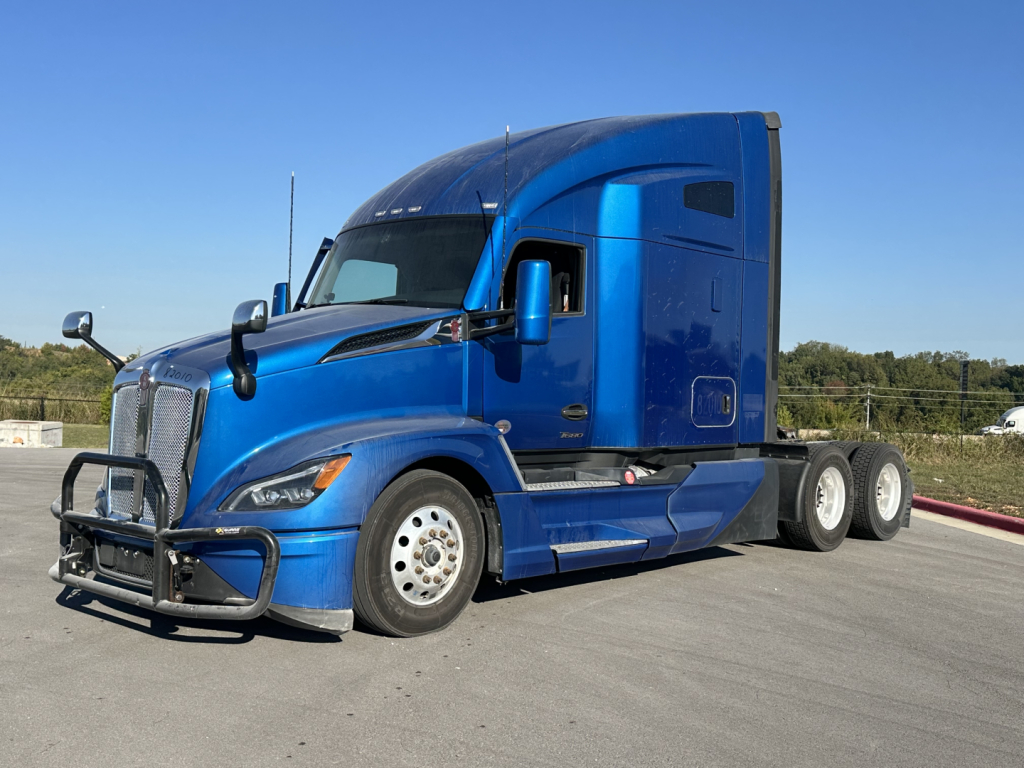
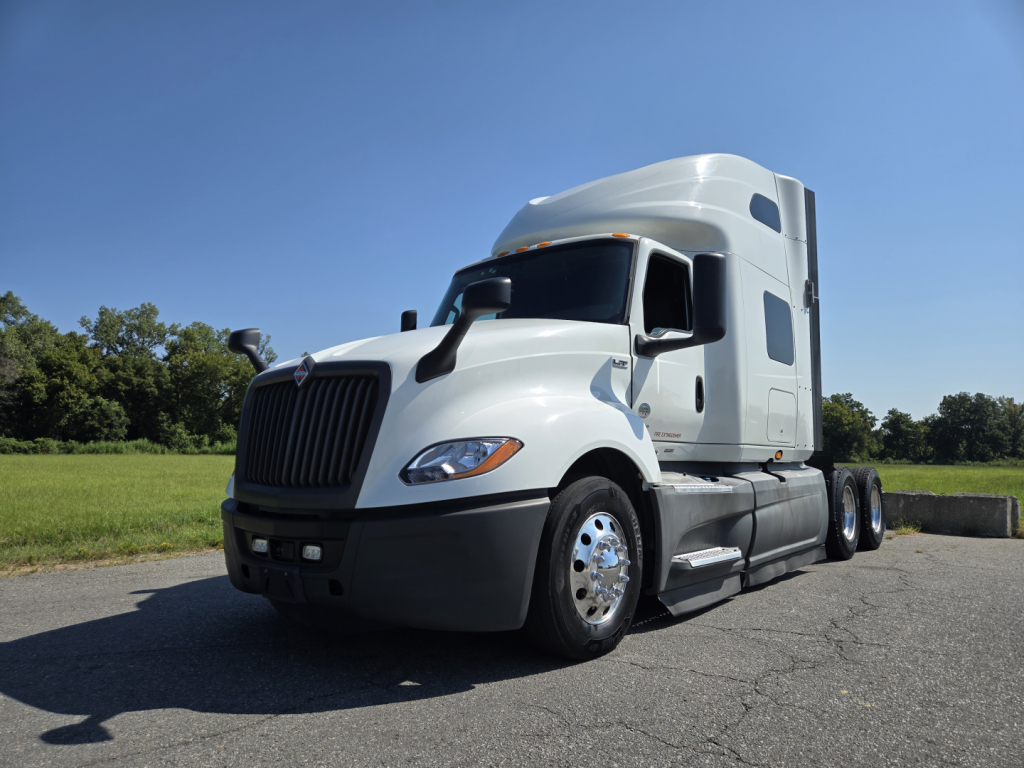
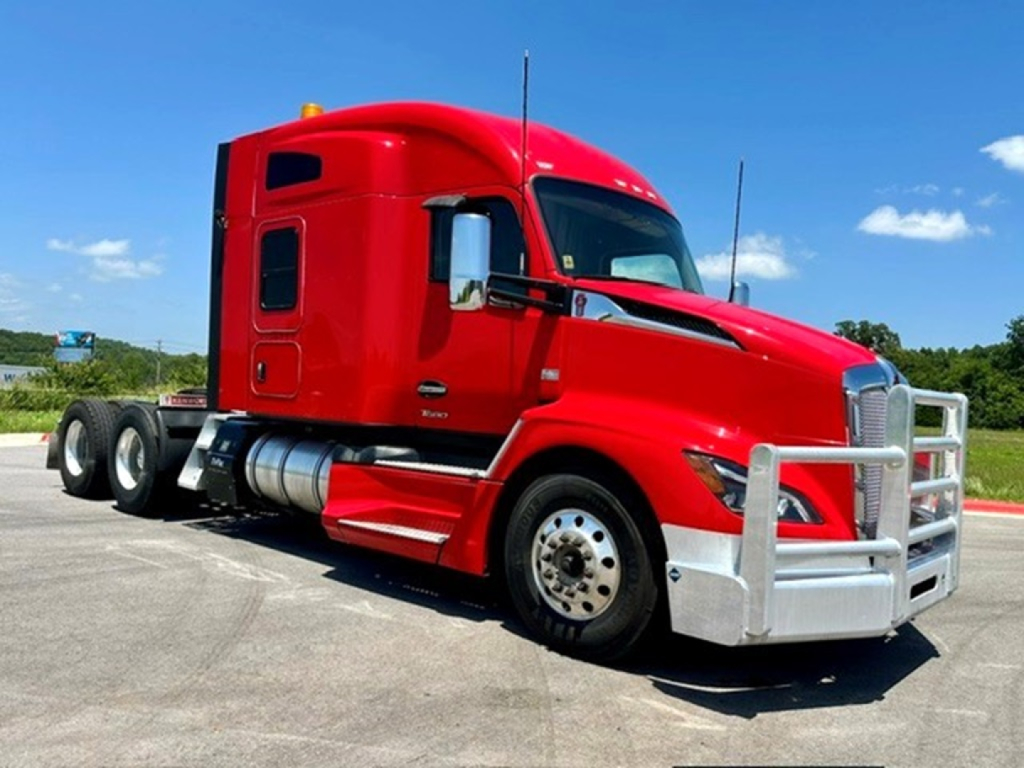
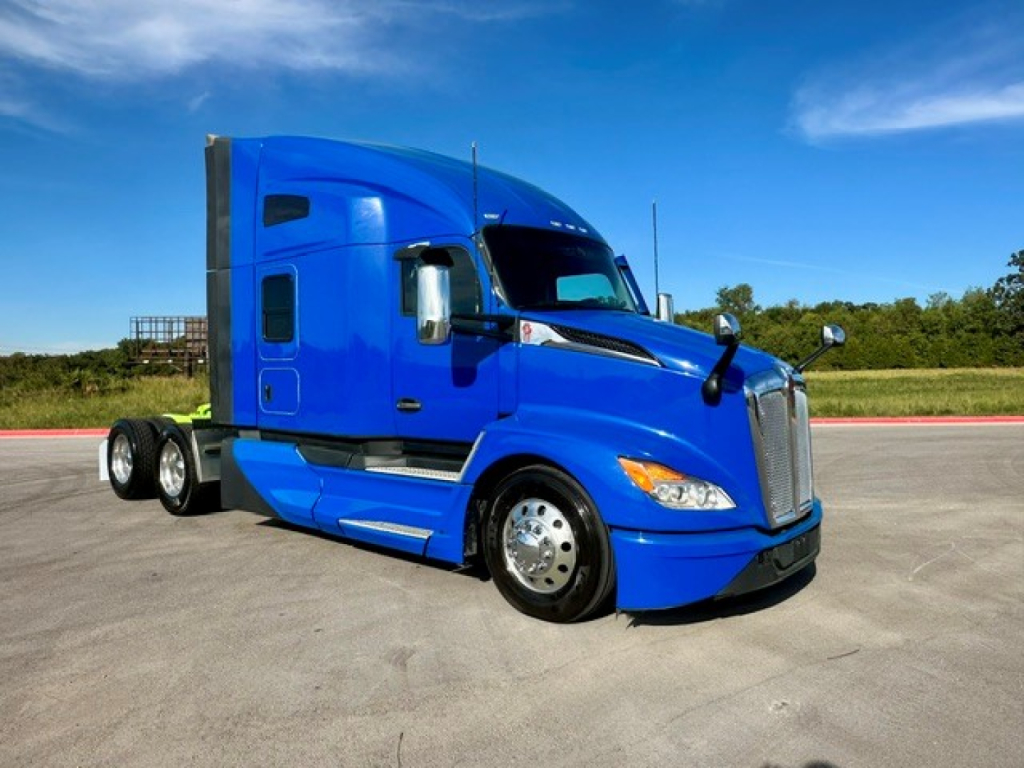
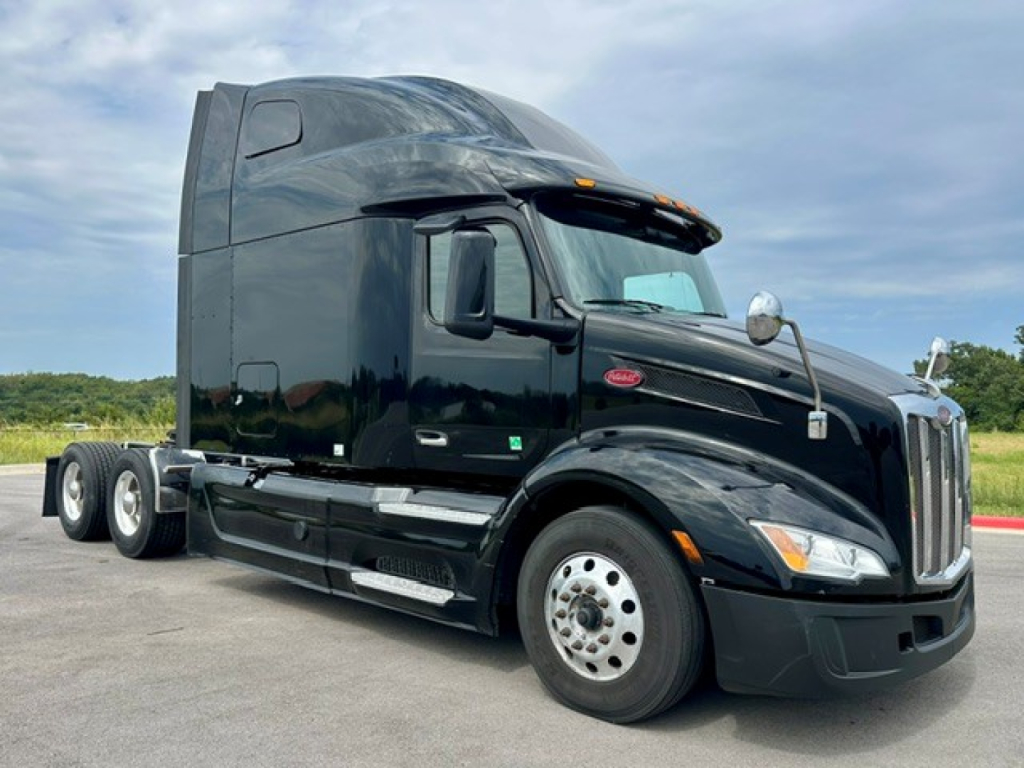
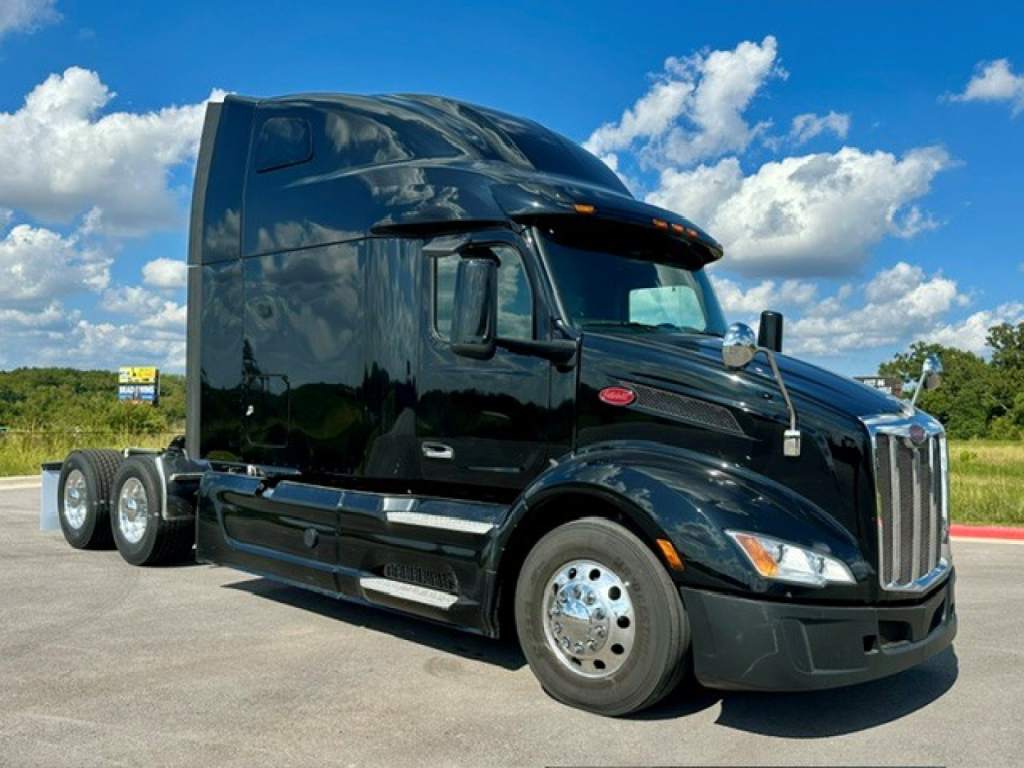
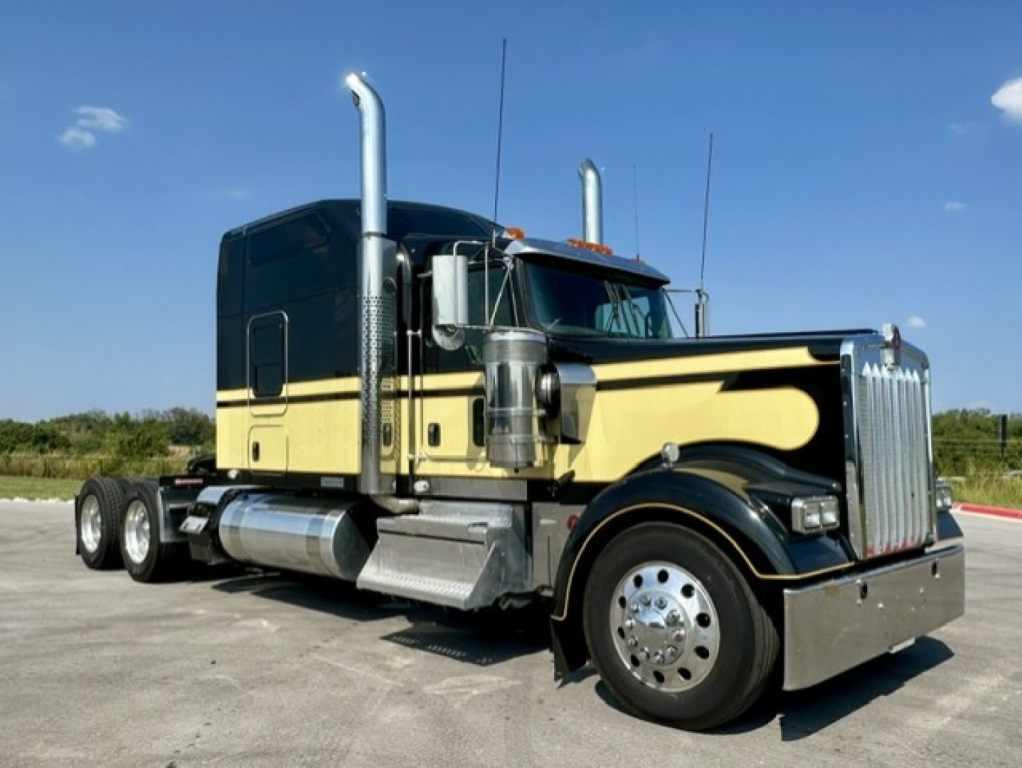
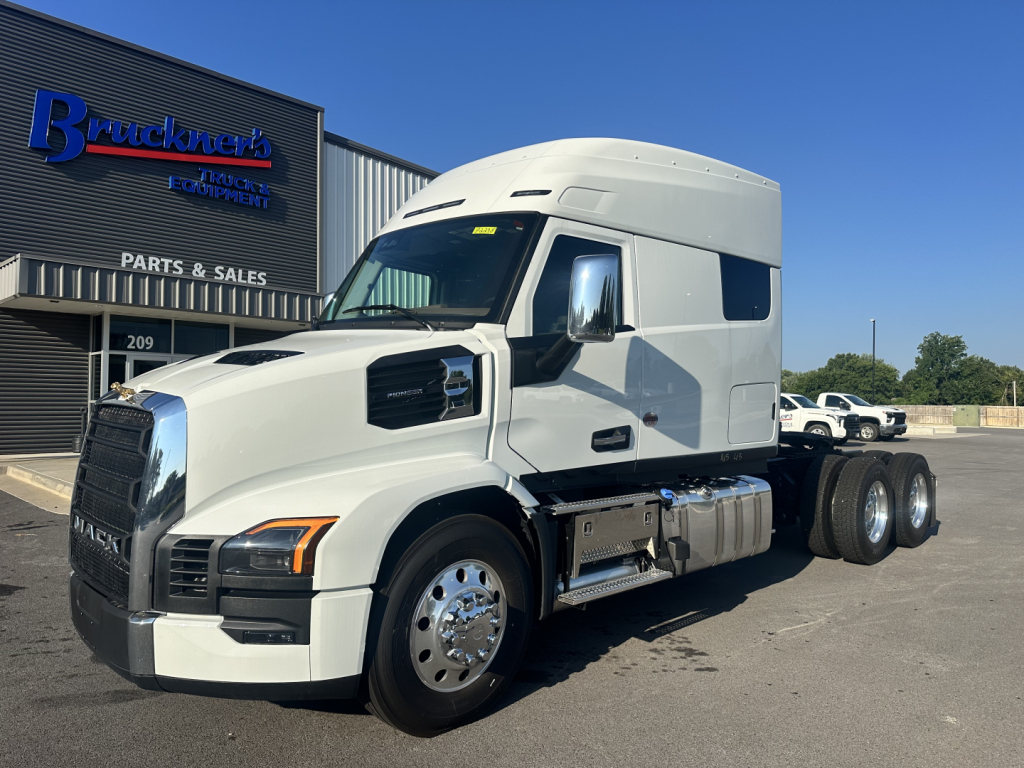

Showing 1 to 28 of 29 results
Selling a conventional sleeper truck? List your conventional sleeper truck for sale and reach thousands of commercial buyers.
Conventional Sleeper Trucks in Arkansas
Typical specs in this category include tandem-drive 6x4 layouts, 12,000 to 13,200 lb front axles, 40,000 lb rear axles, and wheelbases often running from about 215 to 236 inches. Horsepower commonly falls in the 445 to 515 HP range, paired with 12-speed or 13-speed automated manual transmissions such as Mack mDRIVE or Volvo I-Shift. Rear axle ratios matter more than many first-time buyers expect. A 2.15 or 2.47 ratio generally favors fuel-efficient highway cruising, while a 2.85 or 3.08 ratio can better support heavier loads, hill country, or more start-stop work. Air ride suspensions, all-disc brakes, and integrated collision mitigation systems are increasingly common on late-model sleeper tractors.
The sleeper itself can range from a mid-roof setup to a full 76-inch high-roof cab with premium storage, refrigerator space, inverter prep, upper cabinets, bunk heaters or parking coolers, and upgraded control panels. Those features are not just comfort items. For long-haul fleets and owner-operators, they affect retention, idle reduction, and time spent productively on the road. Buyers comparing listings should look closely at fuel tank capacity, mattress and bunk configuration, stand-up room, cabinet layout, and factory idle-management equipment. If the truck will spend most of its time on long interstate runs, a taller aero package with a downsped driveline can make sense. If it will see tighter terminals or more mixed regional work, a shorter wheelbase and simpler sleeper package may be the better fit.
Engine and emissions spec should be matched to route profile, trailer type, and maintenance strategy. Modern conventional sleeper trucks are often ordered with 13-liter engines for a balance of torque, fuel economy, and weight, though exact calibration and transmission programming can change how the truck performs under load. Buyers in this category should also review brake type, ADAS content, axle ratio, tire size, fifth wheel spec, and emissions compliance if the truck may operate into states with stricter rules. A well-matched conventional sleeper truck delivers the broadest versatility in the Class 8 market, especially for carriers that need one tractor to handle long mileage, driver comfort, and resale value without moving into a cabover or specialty platform.
Frequently Asked Questions about Conventional Sleeper Trucks in Arkansas
What is a conventional sleeper truck used for?
A conventional sleeper truck is primarily used for long-haul and regional freight where the driver needs an onboard sleeping compartment. It is the most common Class 8 tractor configuration for dry van, refrigerated, and general freight operations because it combines highway aerodynamics, good ride quality, large fuel capacity, and enough living space for multi-day trips.
What sleeper size is best for over-the-road operation?
For true over-the-road work, a 70-inch to 76-inch sleeper is the most common choice because it gives better storage, more usable bunk space, and improved livability for extended trips. Mid-roof sleepers can still work well for regional routes or fleets prioritizing lower weight and slightly reduced purchase cost, but buyers running teams or long cycles away from home usually prefer a full high-roof layout.
How do rear axle ratios affect a conventional sleeper truck?
Rear axle ratio has a major effect on cruise RPM, fuel economy, launch feel, and grade performance. Lower numerical ratios such as 2.15 or 2.47 are generally selected for fuel-efficient highway use with downsped drivelines. Higher numerical ratios such as 2.85 or 3.08 can improve pulling power and flexibility in hilly terrain, heavier gross weights, or more frequent stop-and-go service. The right ratio depends on engine torque, transmission gearing, average trailer weight, and route profile.
Are automated manual transmissions standard in sleeper tractors now?
Automated manual transmissions have become the dominant choice in conventional sleeper tractors because they improve shift consistency, reduce driver fatigue, and help protect the driveline. Systems like Volvo I-Shift and Mack mDRIVE are common in highway applications. Many fleets prefer them for fuel economy and easier driver onboarding, while some specialized operations may still seek manual transmissions based on driver preference or application.
What should buyers compare first when shopping conventional sleeper trucks?
The best starting points are sleeper size, engine rating, transmission, rear axle ratio, wheelbase, and fuel capacity. After that, review comfort and operating features such as inverter, refrigerator prep, bunk HVAC, safety systems, disc brakes, suspension spec, and fifth wheel setup. These details determine how well the truck fits the freight, the route, and the driver, and they often matter more than badge alone when comparing similar late-model highway tractors.