
2027 Conventional Sleeper Trucks For Sale in Arkansas
Shop 2027 conventional sleeper trucks in Arkansas. Compare highway specs, sleeper sizes, powertrains, axle setups, and driver comfort features.
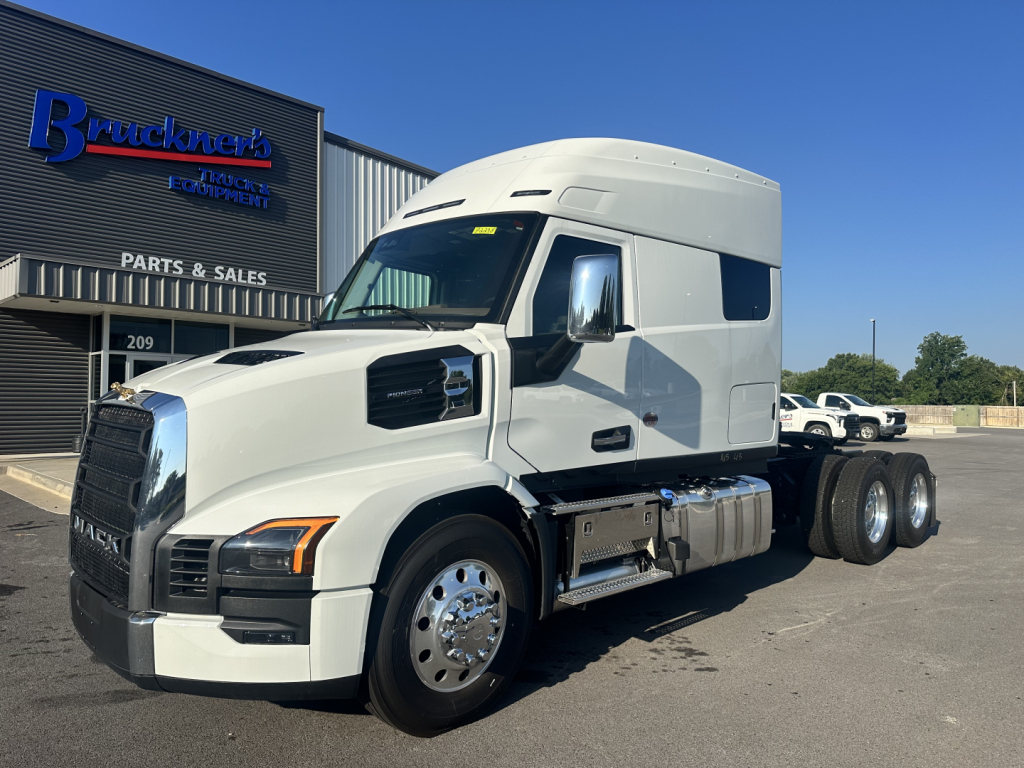

Selling a 2027 conventional sleeper truck? List your 2027 conventional sleeper truck for sale and reach thousands of commercial buyers.
2027 Conventional Sleeper Trucks in Arkansas
For most buyers, the first decision is the powertrain. Current conventional sleepers are typically spec'd with 12- to 15-liter diesel engines, automated manual transmissions, and rear axle ratios selected for fuel mileage or heavier pull. Horsepower often lands in the 400 to 500-plus range, with torque commonly between 1,450 and 1,850 lb-ft depending on duty cycle. Buyers hauling general freight on Arkansas corridors like I-40, I-30, and I-49 often lean toward fuel-efficient downsped specs, while heavier or more specialized applications may need a higher horsepower rating, deeper rear ratio, or a transmission tuned for gradeability and startability. Wheelbase, fifth wheel placement, and fuel tank capacity should match trailer type, kingpin setting, and expected range between fuel stops.
Sleeper design matters as much as drivetrain on a truck that earns over the road. Most conventional sleeper cabs in this class offer mid-roof or high-roof layouts, single or double bunk configurations, and storage packages that support solo or team drivers. Features such as an APU, bunk heater, inverter, optimized HVAC, refrigerator space, and parking cooler can reduce idle time and improve driver retention. Ride quality is also a real buying factor. Air-ride suspension, air-ride seats, cab suspension tuning, and noise control make a noticeable difference over long weekly miles. If the truck will operate under a premium customer account, buyers should also look at collision mitigation, adaptive cruise control, lane departure warning, and integrated telematics for safety scoring and maintenance planning.
A smart comparison goes beyond year and brand. Check front axle rating, rear axle rating, gross combination weight expectations, sleeper length, fairing condition, tire spec, and brake configuration. Review emissions warranty coverage, service interval requirements, and how easy the truck is to support through the dealer network in Arkansas and surrounding states. For fleets, standardizing engine families and software platforms can simplify technician training and parts stocking. For owner-operators, resale value, fuel economy history, and sleeper livability usually carry the most weight. A well-matched 2027 conventional sleeper truck should fit the freight, keep the driver comfortable for multi-day runs, and control cost per mile over the long term.
Frequently Asked Questions about 2027 Conventional Sleeper Trucks in Arkansas
What is a conventional sleeper truck?
A conventional sleeper truck is a highway tractor with a hooded engine layout and an integrated sleeping compartment mounted behind the cab. It is designed for long-distance freight where the driver may need overnight accommodations, extra storage, and comfort features for extended time on the road. In the used and new truck market, this category is also commonly called a sleeper semi, sleeper tractor, or conventional road tractor.
What specs matter most when buying a 2027 conventional sleeper truck?
The key specs are engine rating, torque, transmission type, rear axle ratio, sleeper size, wheelbase, and axle ratings. Those numbers determine how the truck will perform with your trailer type, freight weight, and route profile. Buyers should also compare fuel capacity, fifth wheel setup, suspension, braking system, safety technology, and idle reduction equipment because those items directly affect operating cost, driver comfort, and uptime.
Is a 6x4 the most common axle setup for conventional sleeper trucks?
Yes, a 6x4 tandem drive configuration is the most common setup for conventional sleeper trucks because it gives good traction, broad application flexibility, and strong resale appeal. It works well for dry van, reefer, flatbed, and many dedicated freight operations. Some buyers may consider a 6x2 for fuel economy, but a 6x4 is still the more common choice when routes include varied terrain, heavier loads, or frequent starts on uneven surfaces.
What sleeper size is best for over-the-road use?
For over-the-road applications, a mid-roof or high-roof sleeper with enough standing room, storage, and bunk space is usually the best fit. Solo drivers may be comfortable in a smaller sleeper, but team operations and longer dispatch cycles often benefit from a larger double-bunk layout. The right sleeper size depends on trip length, driver preferences, weight sensitivity, and how much onboard equipment such as an APU, refrigerator, or inverter setup needs to be carried.
Are newer conventional sleeper trucks better for fuel economy and safety?
In many cases, yes. Newer conventional sleeper trucks generally benefit from improved aerodynamics, optimized engine and transmission calibration, predictive cruise features, and lower rolling resistance tire packages. They also tend to offer more advanced safety systems such as collision mitigation, lane departure warning, adaptive cruise control, and integrated telematics. The exact advantage depends on the build spec, maintenance history, and application, but newer models often provide measurable gains in cost per mile and driver support.