
2013 Conventional Sleeper Trucks For Sale
Shop 2013 conventional sleeper trucks with common specs, sleeper sizes, engine options, and drivetrain details for long-haul applications.
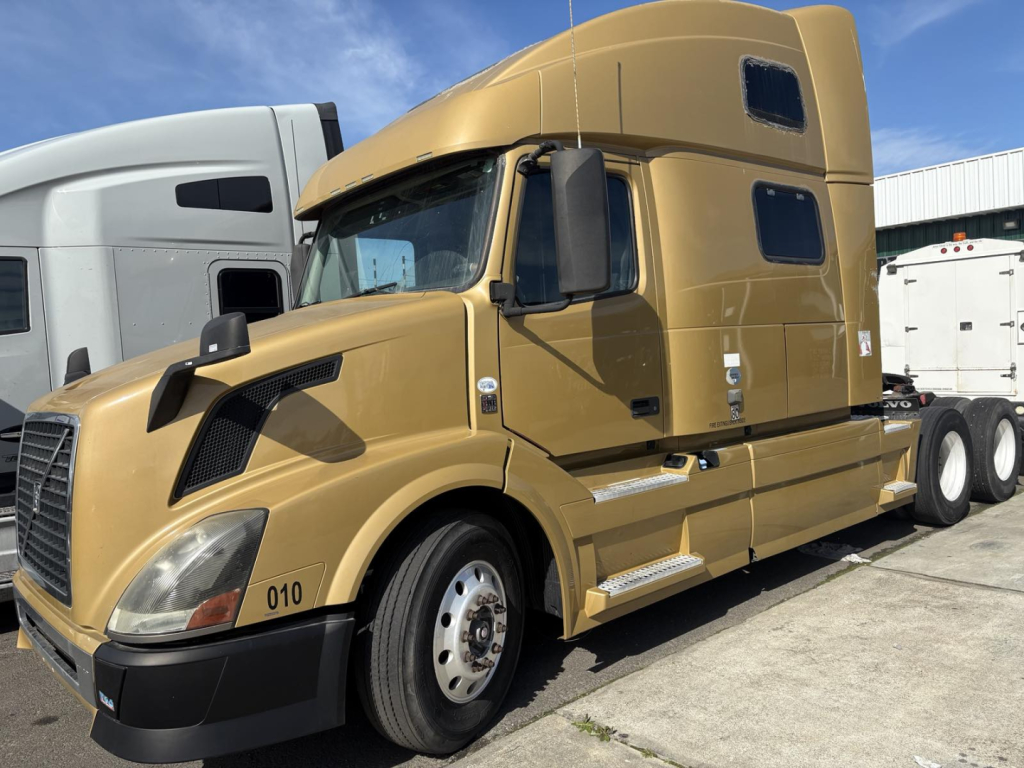
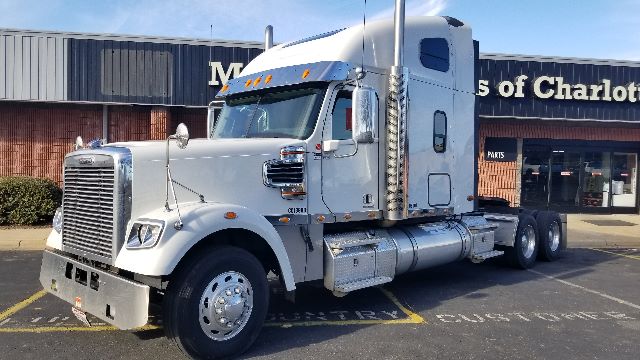
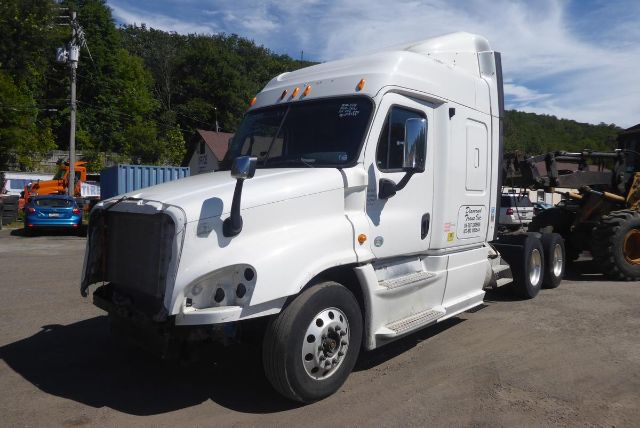
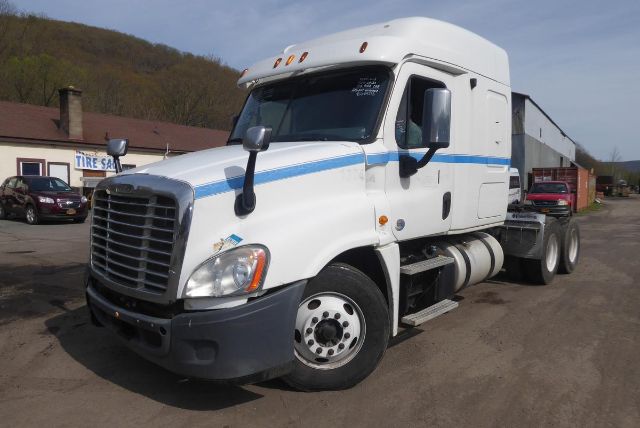
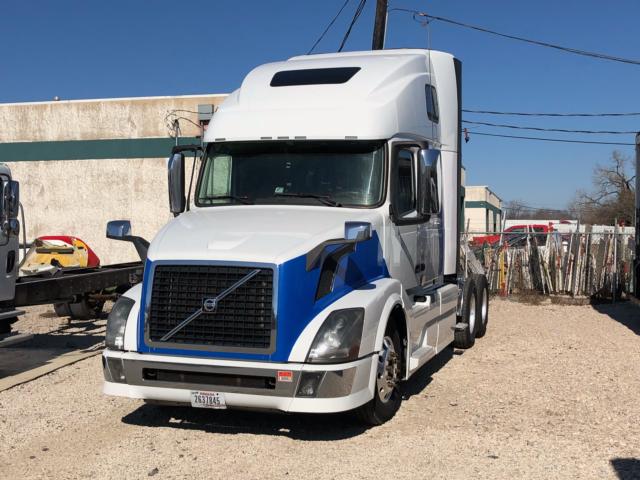

Selling a 2013 conventional sleeper truck? List your 2013 conventional sleeper truck for sale and reach thousands of commercial buyers.
2013 Conventional Sleeper Trucks
On 2013 sleeper trucks, the biggest decision usually starts with the powertrain. Common engines in this year range include the Cummins ISX15, Detroit DD13 and DD15, Paccar MX-13, Volvo D13, and MaxxForce offerings in certain makes. Transmissions may be manual, automated manual, or full automatic depending on the original fleet spec. Rear axle ratios, often paired with 10-speed, 13-speed, or automated overdrive setups, have a major effect on cruise RPM, fuel economy, and gradeability. Many 2013 conventional sleepers were built with 6x4 tandem drive axles, air ride suspension, sliding fifth wheels, and wheelbases suited to 53-foot van and reefer work. Buyers should compare horsepower, torque, axle ratio, suspension type, and GVWR with the freight they plan to haul, especially if they run heavy haul, mountain corridors, or consistent stop-and-go regional routes.
Sleeper size and cab layout matter more than many first-time buyers expect. In this category, sleeper compartments commonly range from mid-roof to high-roof configurations, with 60-inch to 72-inch and larger sleepers showing up frequently. Double bunks, storage cabinets, inverters, auxiliary HVAC, bunk heaters, and refrigerator prep can make a major difference for team operations or drivers staying out for extended periods. Aerodynamic fairings, cab extenders, roof profiles, and chassis side packaging also affect serviceability and fuel burn. Interior condition counts, but on a 2013 model, a careful inspection of seats, dash electronics, HVAC performance, sleeper seals, and water intrusion is just as important as cosmetic appearance.
Because 2013 trucks sit in a mature used-equipment age range, condition is everything. A buyer should pay close attention to emissions system history, including DPF service intervals, DEF system repairs, EGR performance, and any documentation for injector, turbo, aftertreatment, or engine work. Service records, ECM data, oil sample history, brake wear, tire matching, and suspension bushing condition can tell you more than a polished exterior. For many fleets and owner-operators, a well-documented 2013 conventional sleeper still makes sense as a lower-cost tractor for general freight, dedicated lanes, or backup capacity, provided the truck’s engine platform, sleeper configuration, and maintenance history line up with the job.
Frequently Asked Questions about 2013 Conventional Sleeper Trucks
What should I check first on a 2013 conventional sleeper truck?
Start with the engine, aftertreatment system, and maintenance records. On a 2013 sleeper tractor, documented repairs to the DPF, DEF system, EGR components, turbocharger, injectors, and transmission are often more important than appearance. ECM reports, idle hours, fault code history, oil sample results, and service invoices help confirm how the truck was operated and maintained.
Are 2013 conventional sleeper trucks good for over-the-road use?
Yes, many 2013 conventional sleepers are still well suited for over-the-road freight if the spec and condition are right. This model year commonly includes aerodynamic tractors with high-roof sleepers, tandem axles, and highway gearing designed for fuel-efficient linehaul work. The key is matching the sleeper size, engine rating, transmission, and axle ratio to your lanes, trailer type, and expected payload.
Which engines are common in 2013 conventional sleeper trucks?
Common engine platforms in 2013 conventional sleeper trucks include the Cummins ISX15, Detroit DD13, Detroit DD15, Paccar MX-13, Volvo D13, and some MaxxForce engines depending on make and model. Each platform has different strengths in fuel economy, parts support, and service familiarity. Buyers should research known maintenance patterns, dealer support in their operating area, and the truck’s actual repair history rather than shopping by horsepower alone.
What sleeper size is best on a 2013 conventional truck?
The best sleeper size depends on how long the truck stays out and whether it is used for solo or team driving. A smaller mid-roof sleeper may be enough for regional or short over-the-road schedules, while a 72-inch or larger high-roof sleeper is usually better for extended trips, team operations, and drivers who need more storage and livability. Features such as double bunks, bunk heaters, storage cabinets, and auxiliary power provisions can matter as much as the sleeper’s measured length.
Is an automated transmission a good choice in a 2013 sleeper truck?
An automated transmission can be a solid choice in a 2013 sleeper truck, especially for highway freight and fleets focused on driver availability and fuel consistency. These transmissions can reduce driver fatigue and improve shift consistency, but buyers should confirm clutch life, software updates, calibration history, and any prior repairs. A manual transmission may still appeal to buyers who want a simpler setup or who operate in applications where they prefer more direct control.