
2013 Freightliner Conventional Sleeper Trucks For Sale
Shop 2013 Freightliner conventional sleeper trucks. Compare cab specs, Detroit engine options, sleeper sizes, axle ratios, and highway setups.
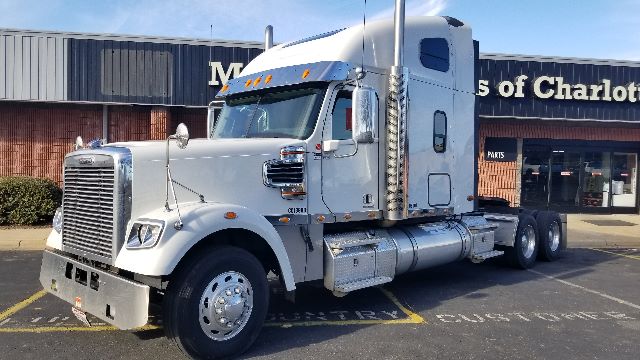
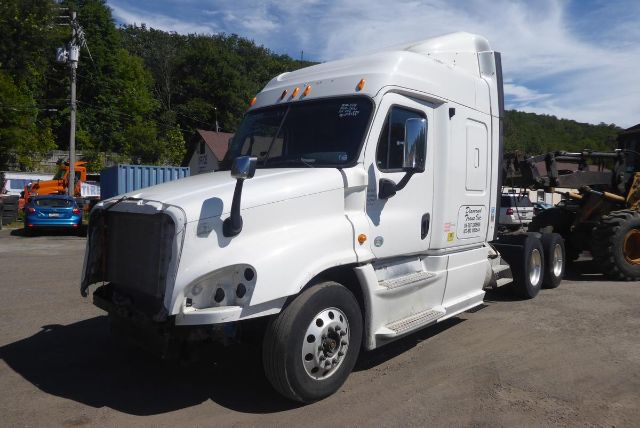
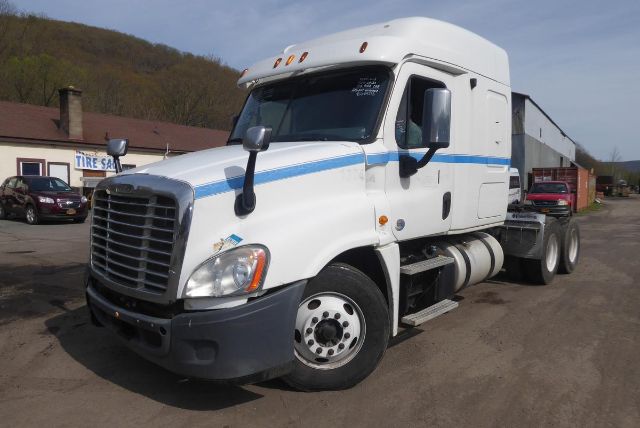
Selling a 2013 freightliner conventional sleeper truck? List your 2013 freightliner conventional sleeper truck for sale and reach thousands of commercial buyers.
2013 Freightliner Conventional Sleeper Trucks
Powertrain choice matters more than almost any other buying decision in this category. A 2013 Freightliner conventional sleeper will commonly be spec'd with a Detroit DD13 or DD15, and some units may carry fuller long-haul specs with higher horsepower and torque ratings. Buyers should pay close attention to transmission type, rear axle ratio, and wheelbase because those three items tell you a lot about the truck's intended use. Automated manual transmissions were becoming more common, but many 2013 units still carry manual transmissions, which can be a plus or minus depending on driver preference and operating model. For highway freight, look for a ratio that supports lower cruise RPM and better fuel economy. For heavier lanes or more varied terrain, a more aggressive ratio may make the truck more versatile.
Sleeper size and chassis spec should match the freight and the driver's schedule. Raised-roof and mid-roof sleepers are both common in the conventional sleeper segment, with larger sleepers usually preferred for multi-day runs, team operation, or drivers who spend significant time on the road. Check fuel capacity, fairing condition, suspension type, fifth wheel setup, and axle rating before comparing asking prices. Many 2013 Freightliner sleepers were built with tandem rear axles, air ride suspension, dual fuel tanks, and aerodynamic packages that support van, reefer, and general freight work. Interior wear, bunk layout, HVAC performance, and APU or inverter provisions can also make a real difference in driver retention and downtime.
Condition and maintenance history are especially important on a 2013 model year truck. Buyers should review engine service records, aftertreatment repairs, DPF and DEF system history, clutch or transmission work, and signs of chassis corrosion or fairing damage. It is also smart to verify mileage against idle hours, inspect kingpin and fifth wheel wear, and check for uneven tire wear that may point to alignment or suspension issues. A well-maintained Freightliner conventional sleeper can still be a productive road tractor, but the best value usually comes from matching the truck's original spec to the lane it will actually run.
Frequently Asked Questions about 2013 Freightliner Conventional Sleeper Trucks
What engine is most common in a 2013 Freightliner conventional sleeper truck?
Most 2013 Freightliner conventional sleeper trucks are found with Detroit diesel power, especially the DD13 and DD15. The DD15 is generally the more popular choice for over-the-road applications because it offers stronger torque for heavier loads and better suitability for long interstate runs. The DD13 can still be a good fit for lighter freight, regional work, or buyers focused on lower acquisition cost and potentially simpler operating needs.
Is a 2013 Freightliner sleeper a good choice for long-haul trucking?
A 2013 Freightliner sleeper can be a solid long-haul truck if the powertrain, sleeper size, and maintenance history line up with the intended operation. This model year commonly includes aerodynamic highway specs, tandem axles, air ride suspension, and sleeper packages built for overnight use. The key is not just age or mileage, but how the truck was maintained, how it was originally spec'd, and whether major emissions and driveline components have been serviced properly.
What should I inspect first on a used 2013 Freightliner conventional sleeper?
Start with the engine and aftertreatment history, then move to the transmission, rear axle ratio, suspension, tires, and fifth wheel area. On a 2013 truck, documented repairs to the DPF, DEF, EGR, and related emissions components are important because those systems can drive ownership cost. After that, inspect sleeper condition, cab mounts, fairings, frame rust, brake condition, and signs of uneven wear that may indicate alignment or suspension problems.
What sleeper size is best on a Freightliner conventional sleeper truck?
The best sleeper size depends on route length, driver needs, and whether the truck is used for solo or team service. Mid-roof sleepers are often adequate for regional and shorter over-the-road lanes, while raised-roof sleepers usually provide more storage and comfort for extended trips. Buyers comparing trucks in the same year should consider bunk layout, headroom, HVAC performance, and any idle reduction equipment because those factors affect daily livability as much as the sleeper's exterior dimensions.
Are 2013 Freightliner conventional sleeper trucks typically manual or automatic?
You can find both manual and automated transmission configurations in this model year. Many fleets still ran manual transmissions in 2013, but automated manual transmissions were gaining traction for fuel economy and driver accessibility. The right choice depends on who will be driving the truck, the terrain, and the duty cycle. A manual may appeal to buyers who want more direct control or simpler driveline familiarity, while an automated setup can reduce driver fatigue and help standardize shifting behavior.