
Conventional Sleeper Trucks For Sale in Indiana
Browse conventional sleeper trucks for sale in Indiana. Compare specs, sleeper sizes, drivetrain options, and long-haul features.
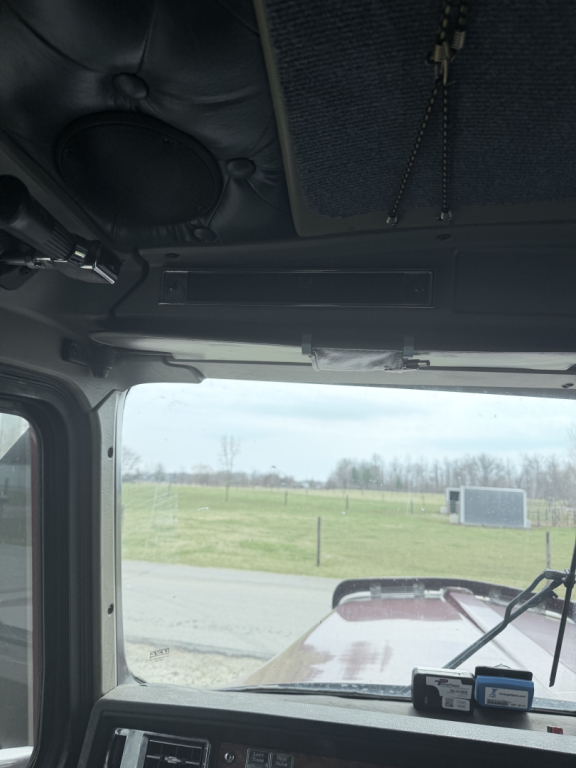
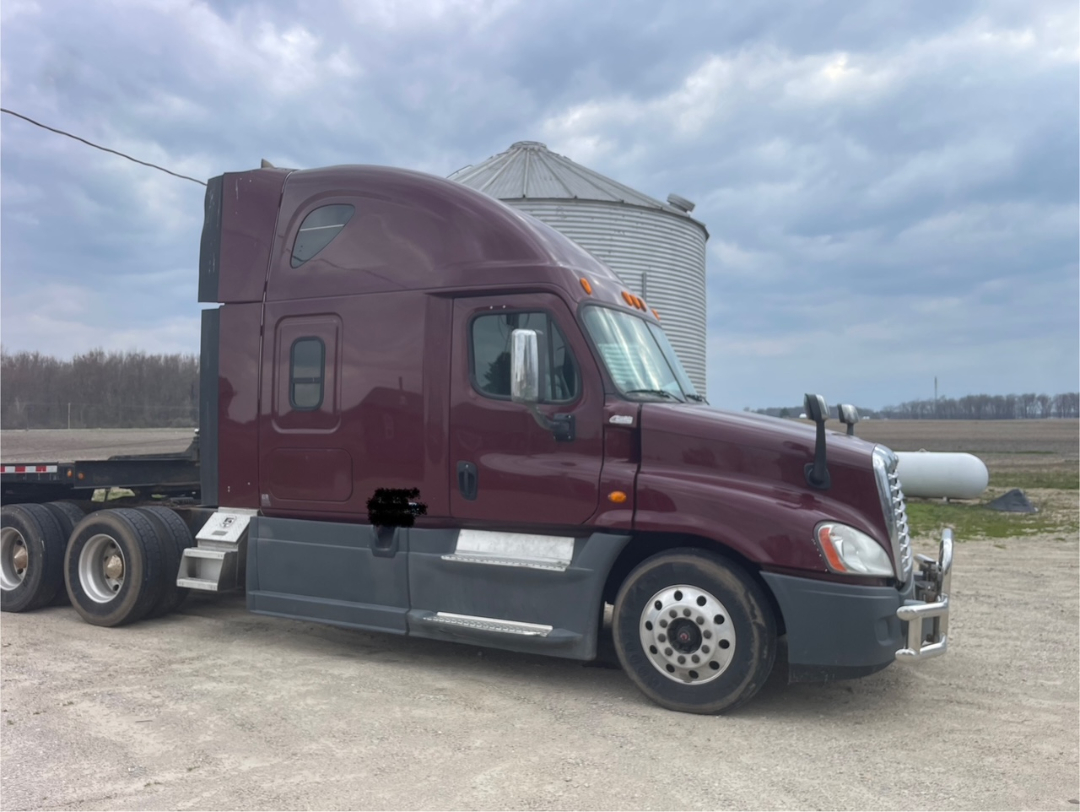
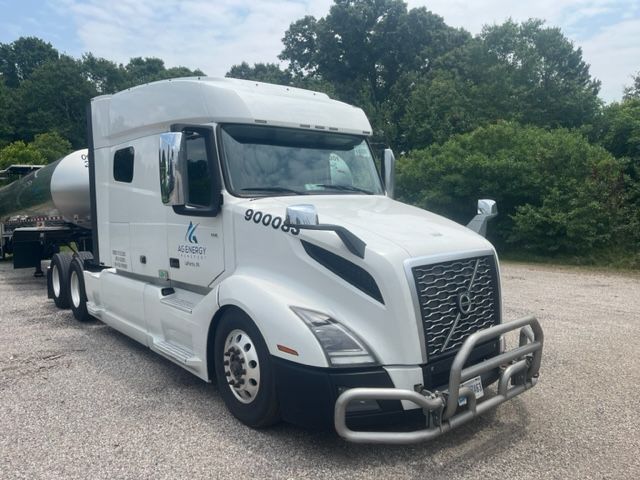
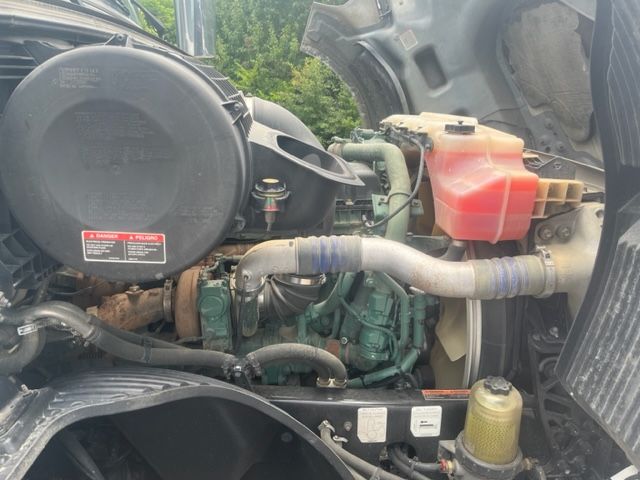
Selling a conventional sleeper truck? List your conventional sleeper truck for sale and reach thousands of commercial buyers.
Conventional Sleeper Trucks in Indiana
The first decisions usually come down to sleeper size, powertrain, and intended duty cycle. Condo and double-bunk sleepers make sense for team operations, extended time out, or drivers who need extra storage, fridge space, and standing room. Mid-roof sleepers can be a better fit when height, weight, or lower acquisition cost matters more than interior volume. Common engines in this class include the Detroit DD15, Volvo D13, Cummins X15, and Paccar MX-13, typically paired with automated manual or full automatic-style heavy-duty transmissions, though some used units still carry 10-speed or 13-speed manuals. Buyers should also compare rear axle ratio, horsepower, torque ratings, and whether the truck has a sliding fifth wheel, wet kit, dump valve, or APU, since those options directly affect resale value and how broadly the truck can be used.
Aerodynamic spec matters more in a conventional sleeper than many buyers admit. Side fairings, chassis fairings, roof profiles, mirror design, and tire selection all influence fuel burn at highway speed. Indiana buyers running across flat interstate corridors may prioritize fuel mileage, while those pulling heavier freight or operating in mixed terrain may lean harder on torque and axle ratio. Interior condition is equally important because this class is built for time on the road. Double bunks, air ride seats, power accessories, inverter prep, diesel-fired bunk heaters, and auxiliary power units all improve driver retention and reduce idle hours. On used conventional sleepers, pay close attention to emissions history, aftertreatment service records, overhead and bunk condition, front end wear, and signs of excessive idle time, especially on trucks that spent their lives in fleet service.
A well-matched conventional sleeper truck should be judged by total operating profile, not just model year or odometer. Service documentation, engine hours, transmission type, axle ratings, wheelbase, and sleeper layout usually tell more of the story than badge alone. Freightliner Cascadia, Kenworth T680, Volvo VNL, Peterbilt 579, and similar models dominate this category because they combine highway aerodynamics with the sleeper space most long-haul fleets and owner-operators need. Buyers in Indiana often look for trucks that can transition between regional and OTR work without needing a major spec change, so versatility, parts support, and known maintenance history tend to carry as much weight as purchase price.
Frequently Asked Questions about Conventional Sleeper Trucks in Indiana
What is a conventional sleeper truck?
A conventional sleeper truck is a highway tractor with a forward engine hood and an integrated sleeping compartment behind the cab. It is designed for over-the-road and regional hauling where the driver may spend one or more nights in the truck. Compared with a day cab, a conventional sleeper adds bunk space, storage, and often more comfort features such as HVAC controls for bunk use, inverter capability, and room for appliances or personal gear.
What sleeper size is best for long-haul trucking?
The best sleeper size depends on route length, driver count, and how much time the truck stays out. A larger raised-roof or condo sleeper is usually the better choice for team drivers, coast-to-coast freight, and operators who need maximum storage and stand-up room. A mid-roof sleeper can be enough for shorter overnights or regional work while reducing cost and sometimes weight. Double-bunk layouts are common when flexibility and team use matter.
What should I check on a used conventional sleeper truck?
The most important items are engine and emissions history, maintenance records, idle hours, drivetrain spec, and overall cab and sleeper condition. Review service records for DPF, DEF, EGR, and aftertreatment work, and check for transmission repairs, suspension wear, steer axle tire wear patterns, and signs of frame or fairing damage. Inside the sleeper, inspect bunks, cabinets, seals, HVAC performance, and power accessories because interior wear often reflects how the truck was operated and maintained.
Are automatic transmissions common in conventional sleeper trucks?
Yes. Automated manual transmissions are now common across the conventional sleeper market because they improve consistency, reduce driver fatigue, and can help with fuel economy. Many fleets prefer them for training and driver recruitment, while some owner-operators still seek manual transmissions for personal preference or certain applications. The right choice depends on driver pool, terrain, maintenance support, and how standardized you want the operation to be.
Why do options like an APU, sliding fifth wheel, or wet kit matter?
These options change how useful the truck is in day-to-day service. An APU can reduce engine idling and improve driver comfort during rest periods. A sliding fifth wheel helps with trailer balance, kingpin setting flexibility, and axle weight distribution. A wet kit adds hydraulic capability for applications such as moving floor, dump, or other hydraulic trailer setups. On the used market, these features can expand application range and improve resale appeal if they match the buyer’s freight.