
Conventional Daycab Trucks For Sale
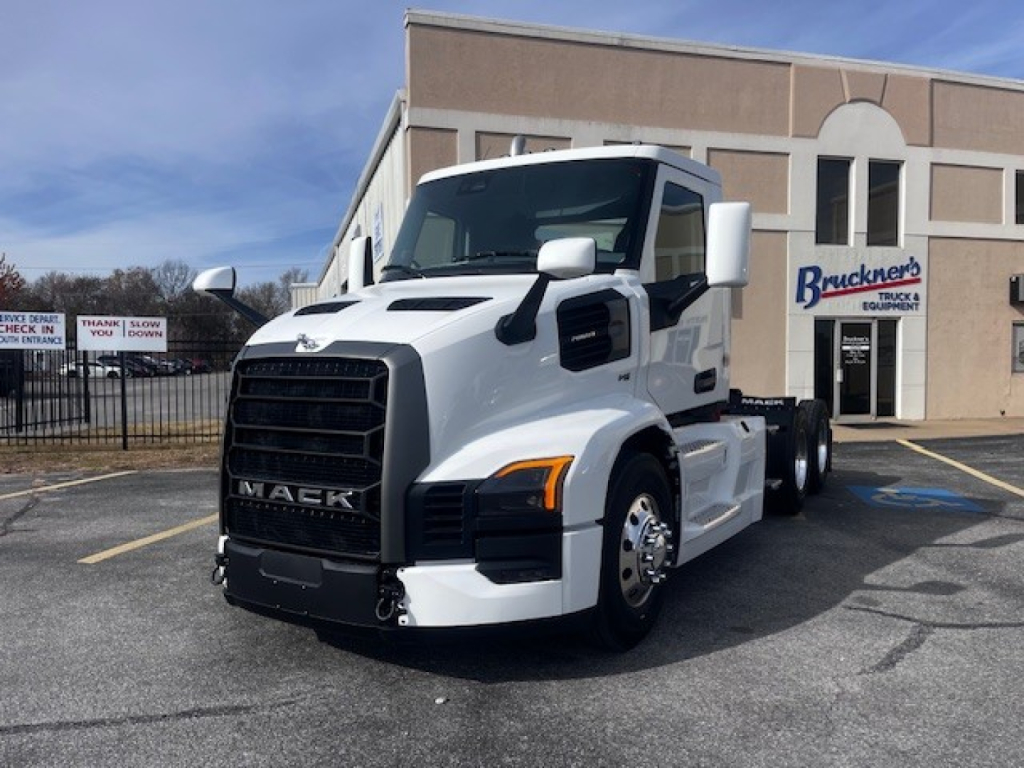
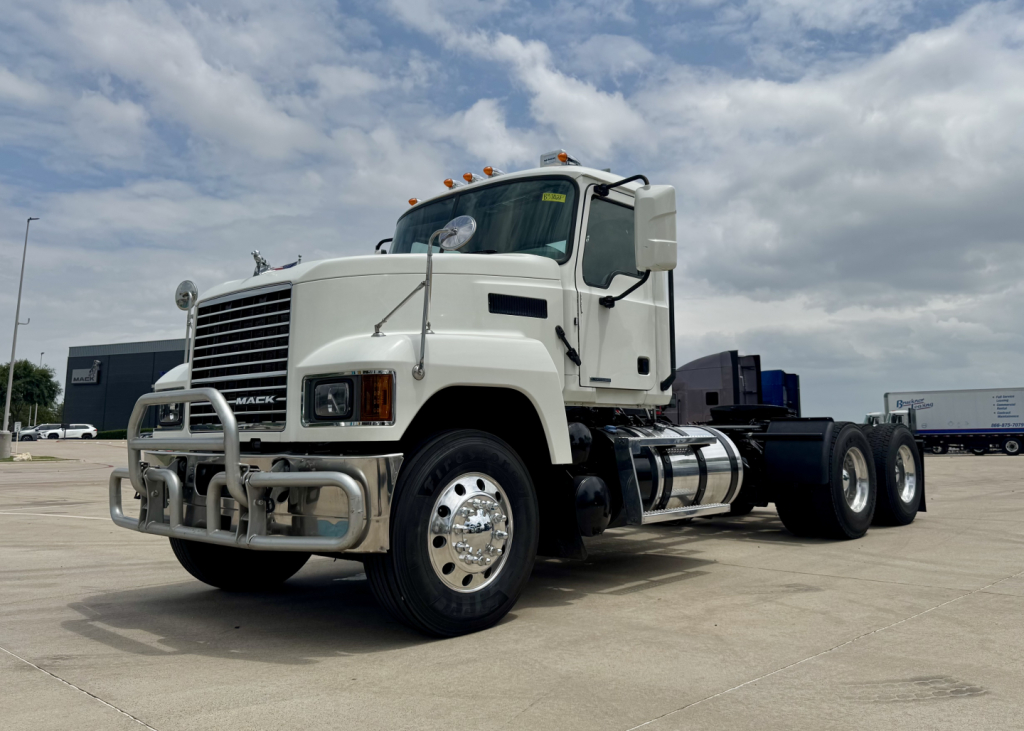
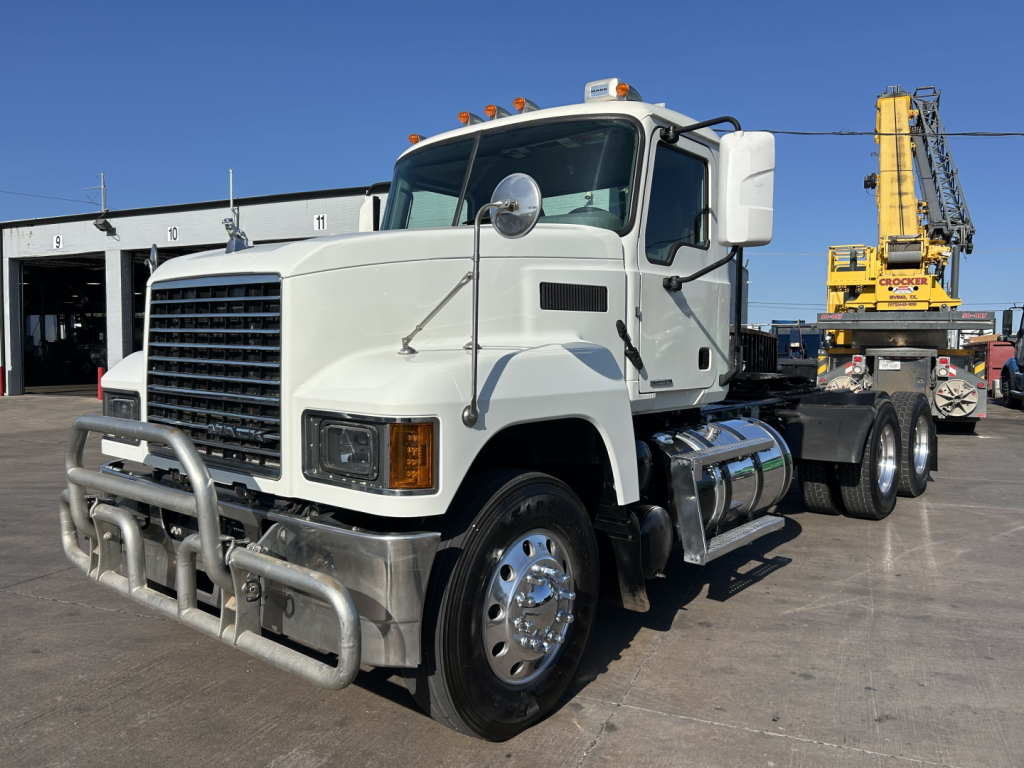
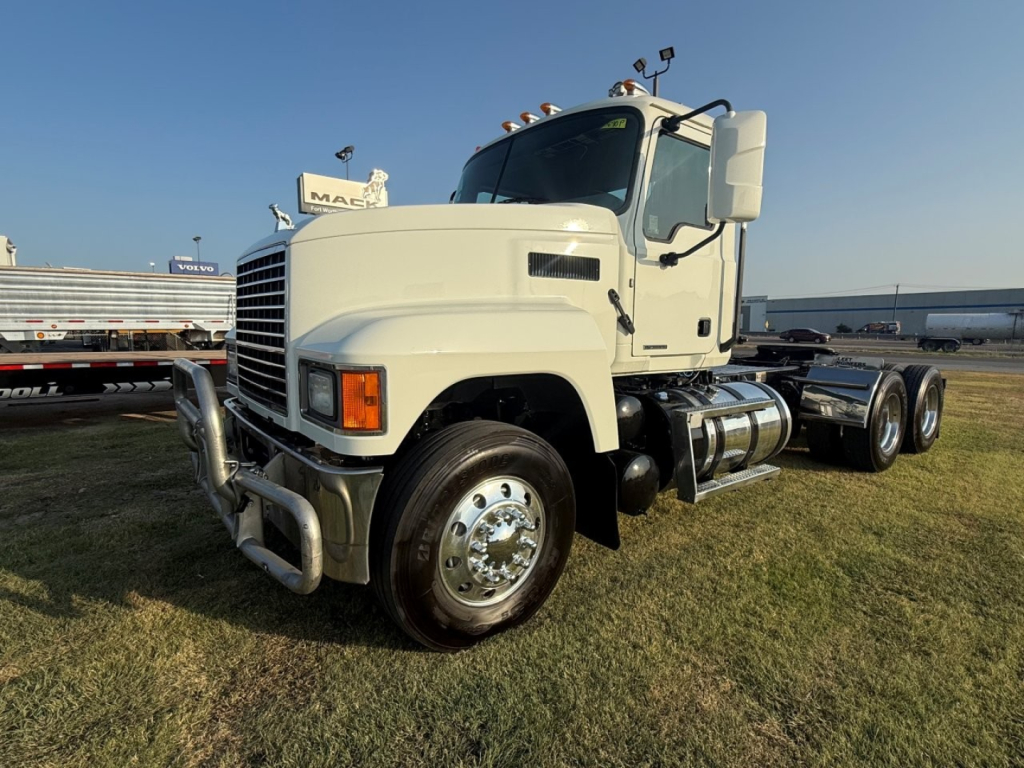
Browse conventional daycab trucks with popular specs for regional hauling, drayage, local delivery, and terminal-to-terminal freight.
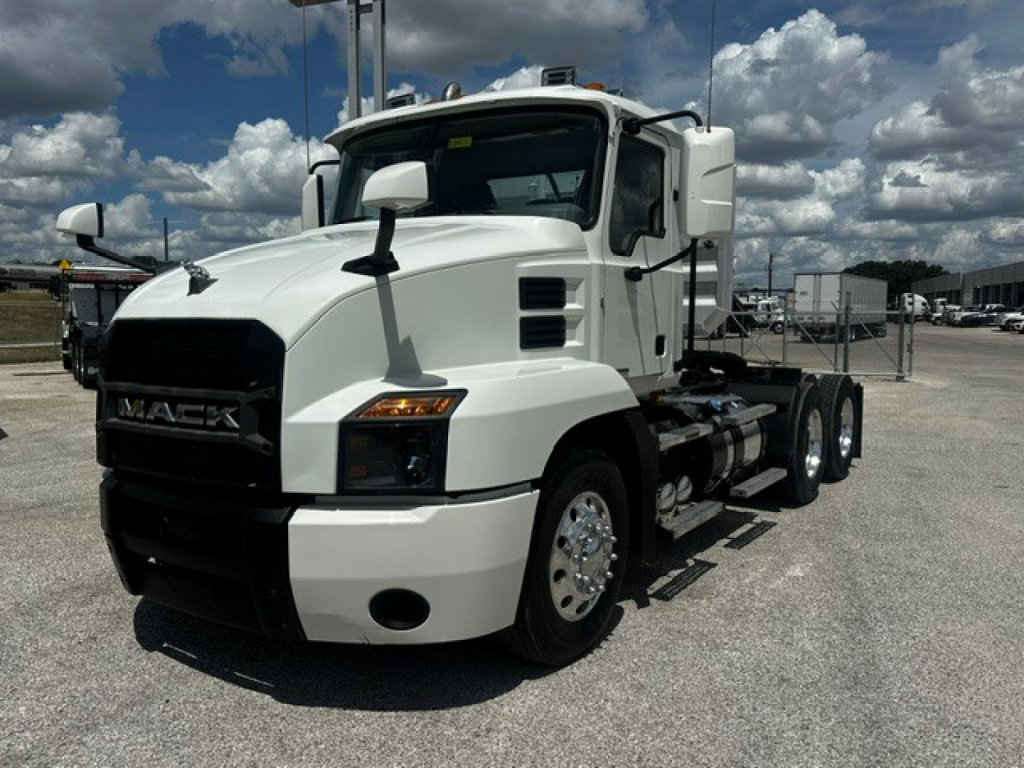
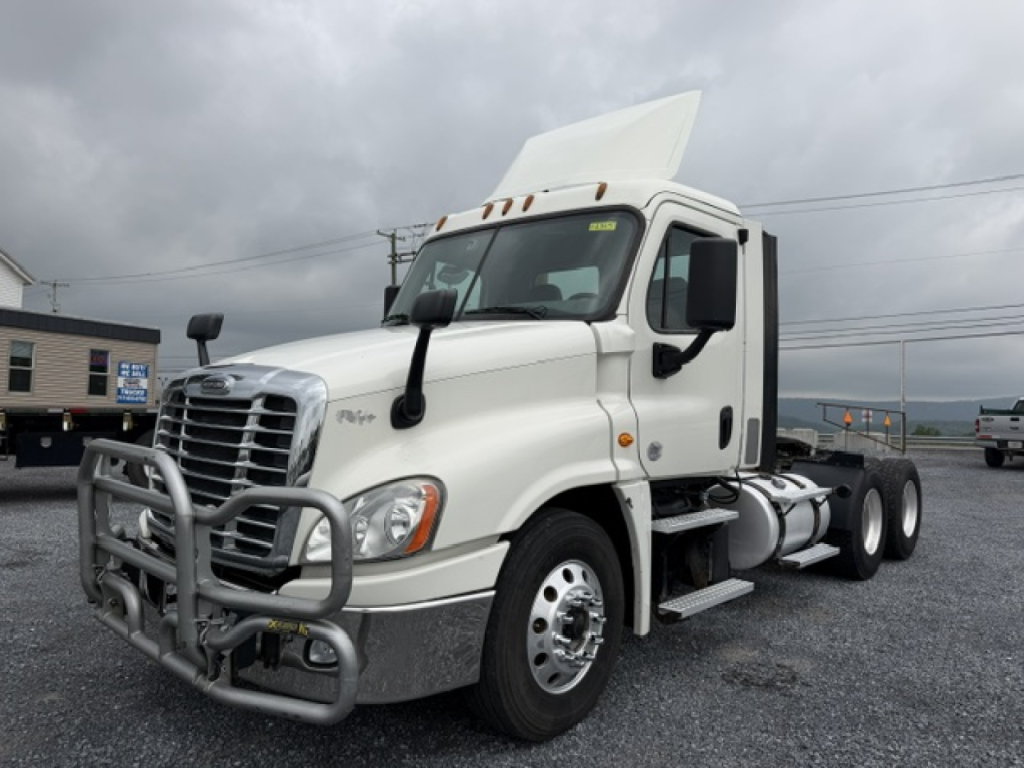
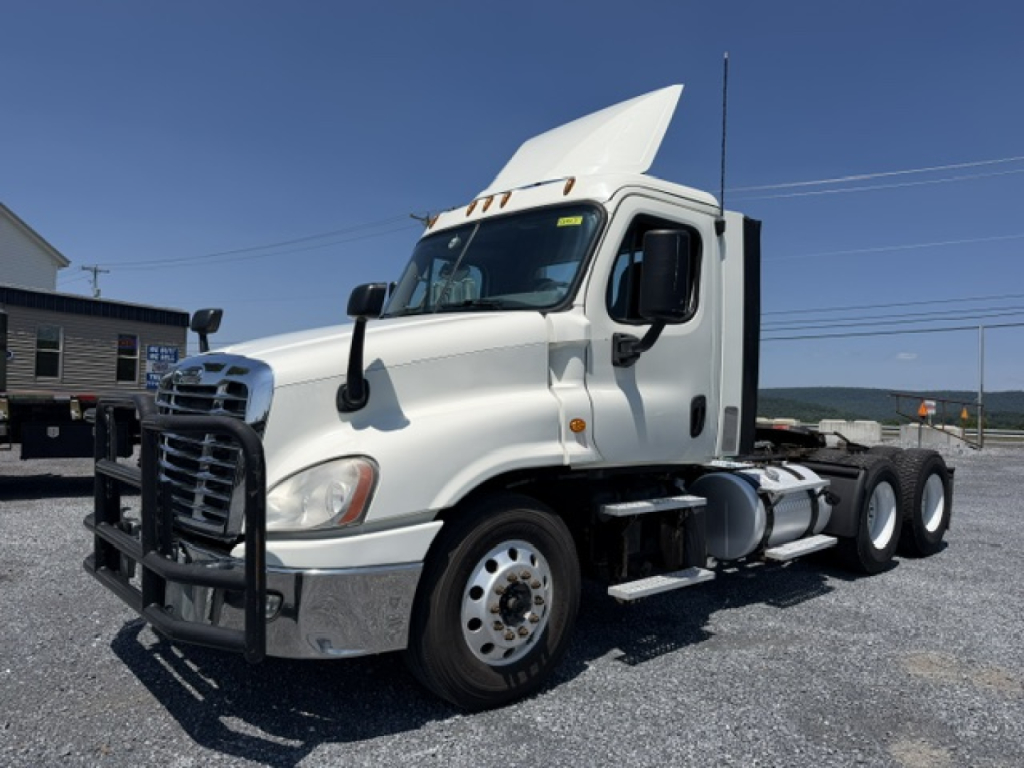
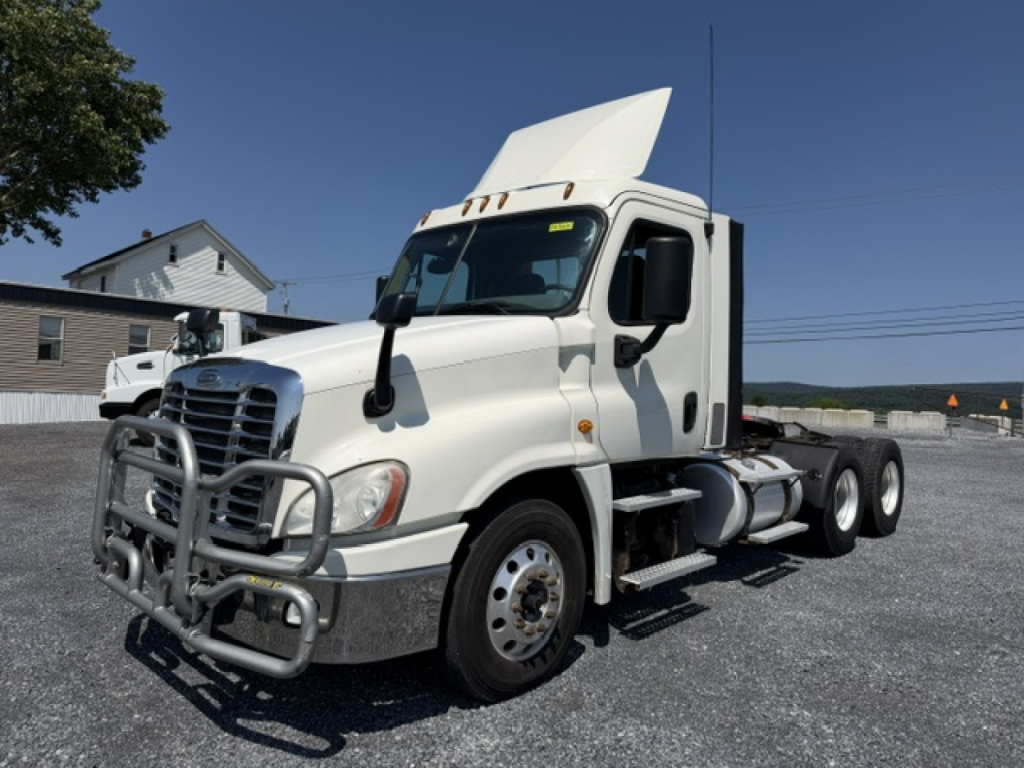
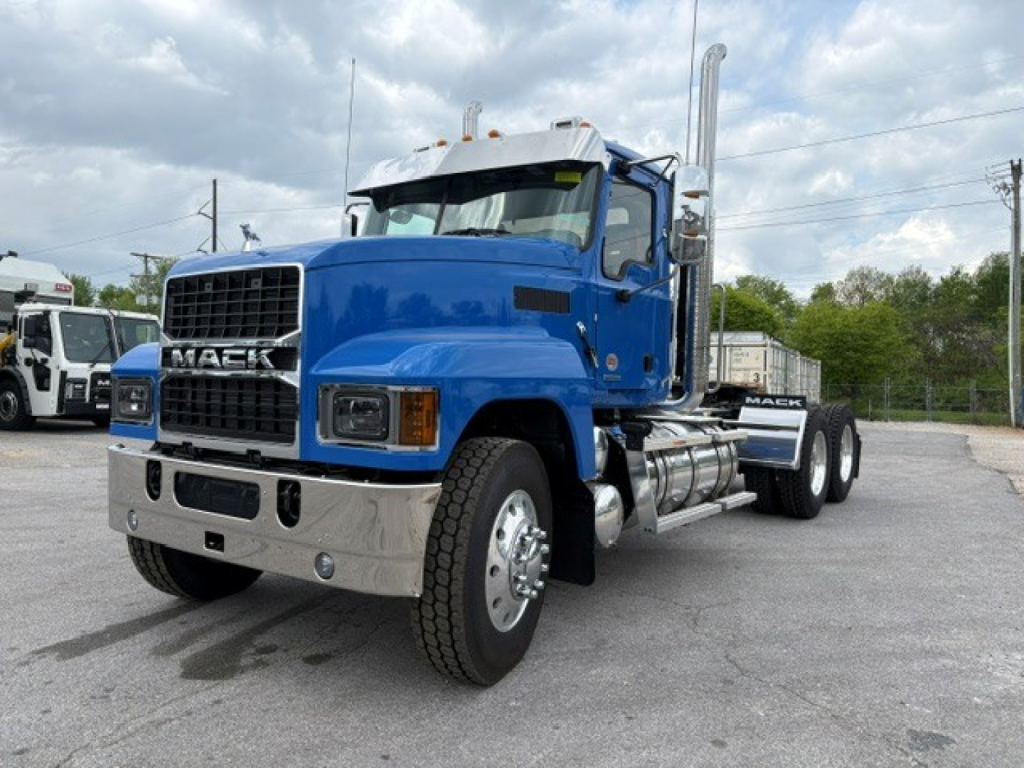
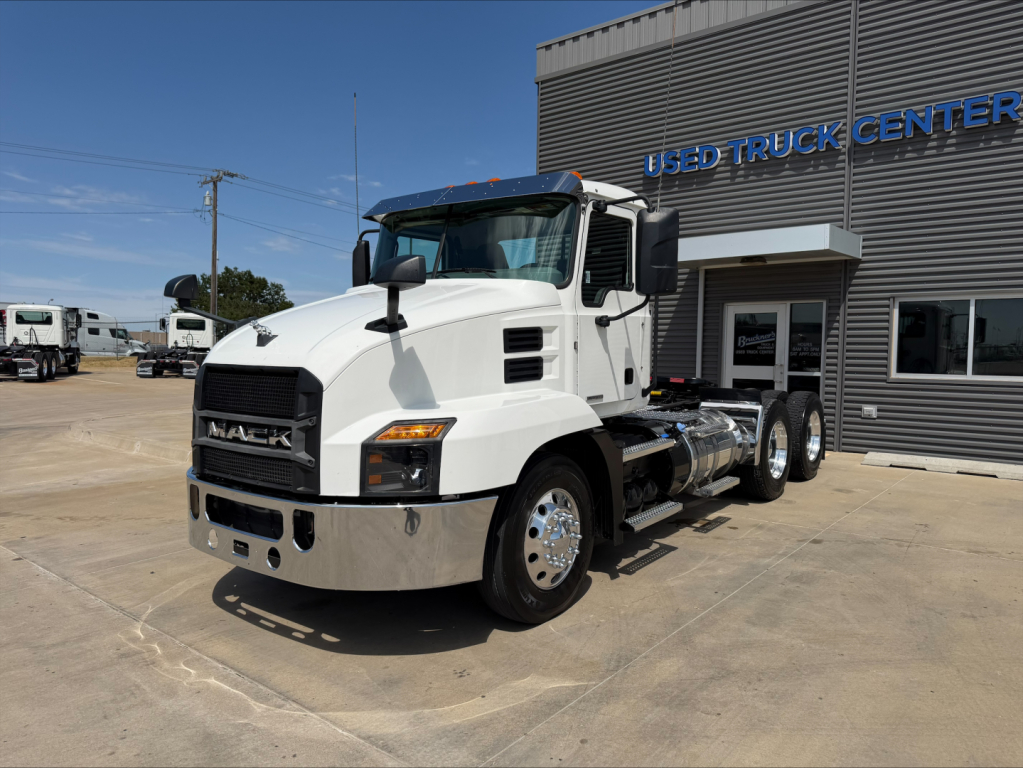
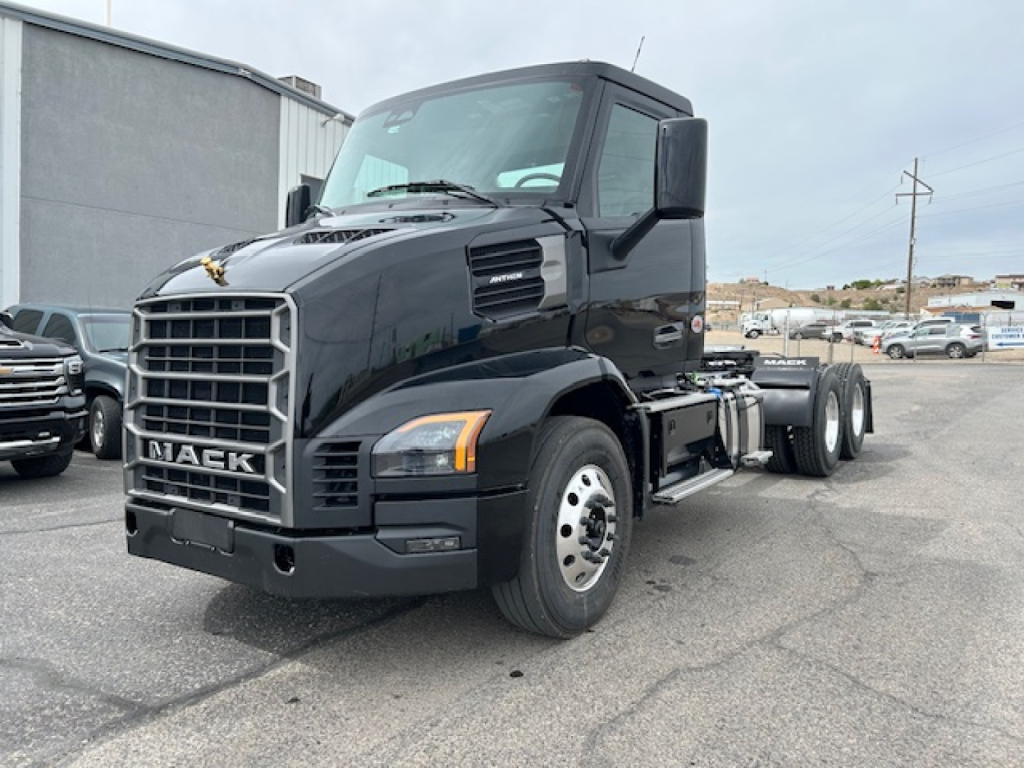
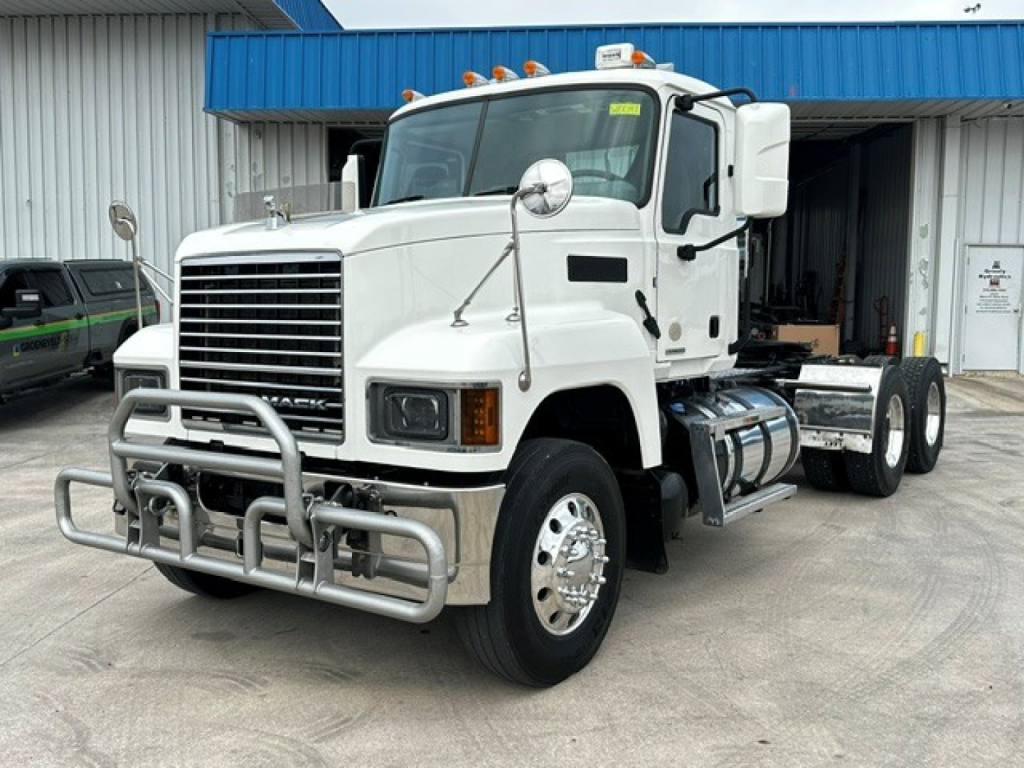
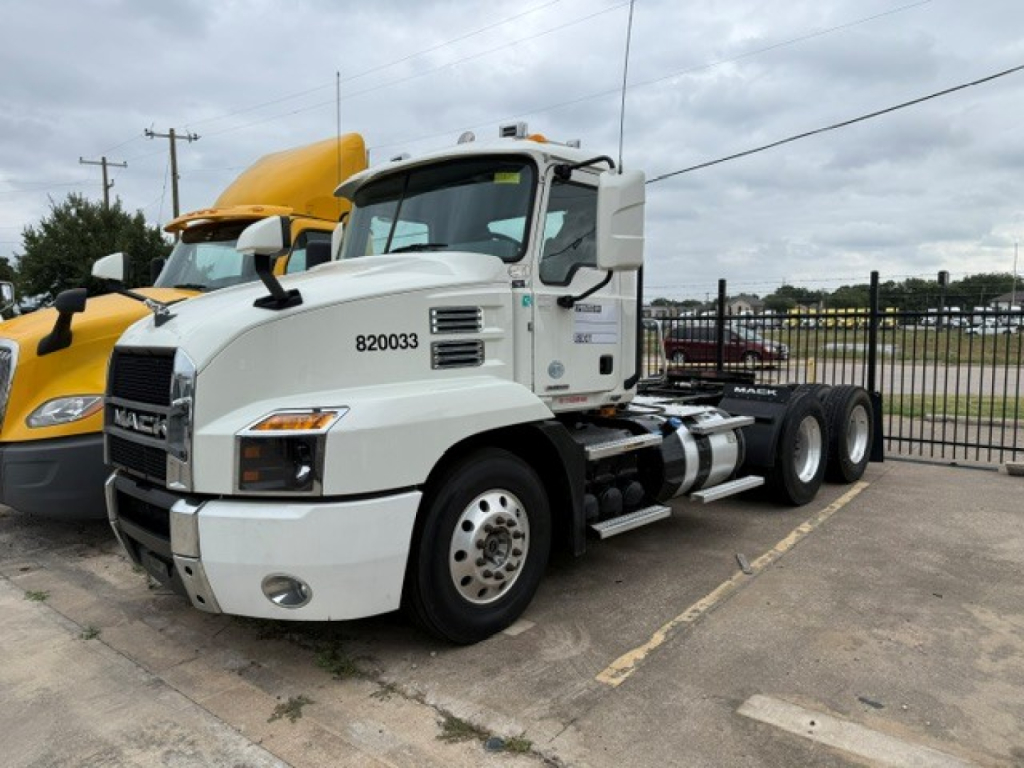
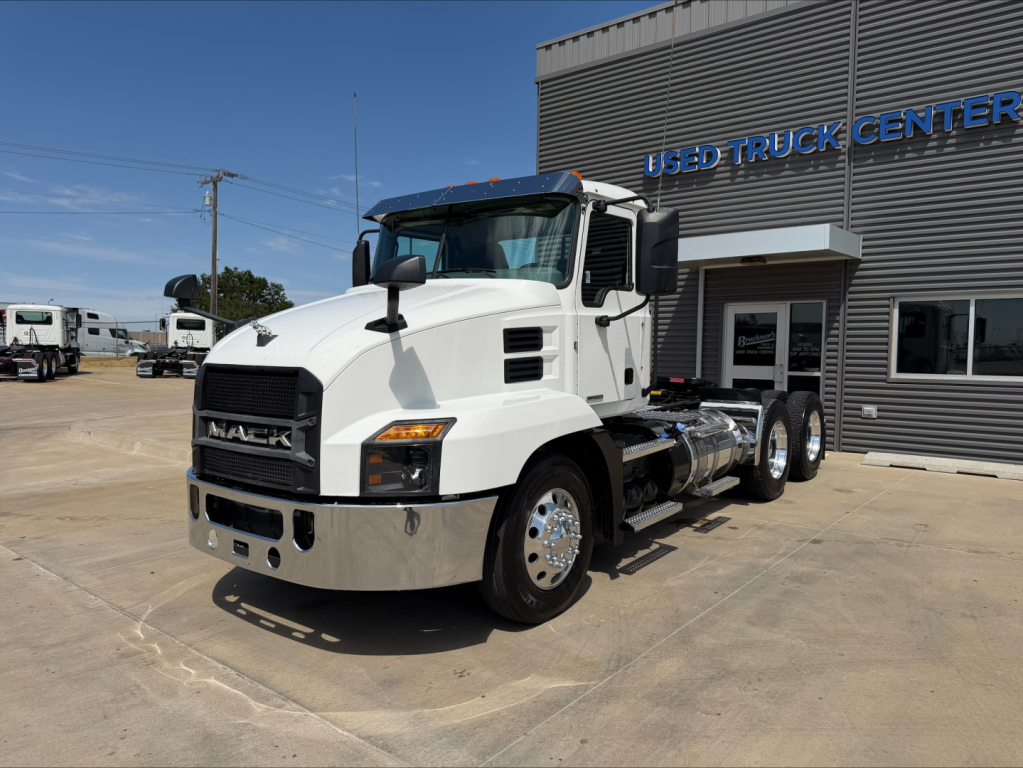
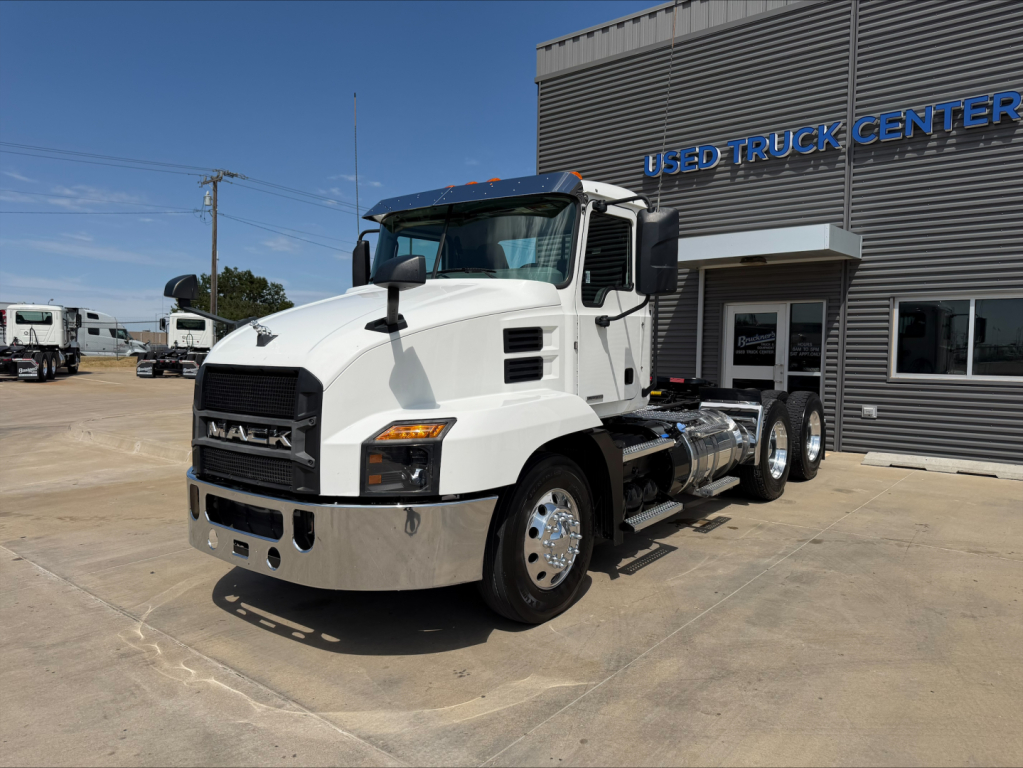
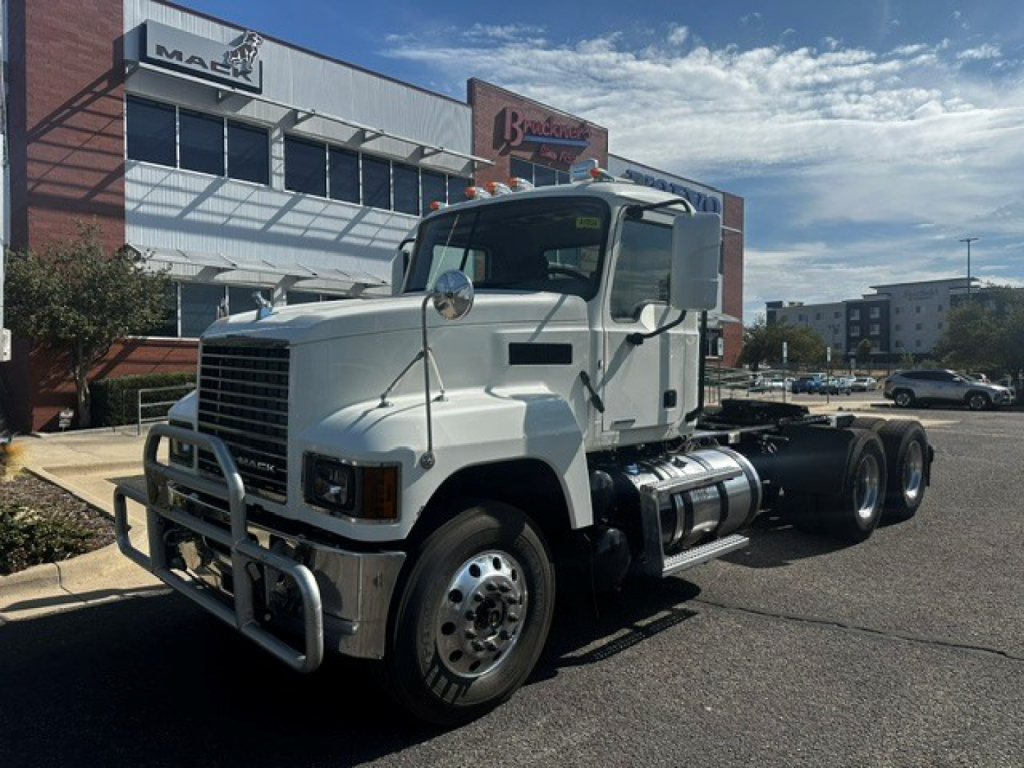
Showing 49 to 72 of 434 results
Have conventional daycab truck to sell? List it here to reach thousands of buyers.
Conventional Daycab Trucks
The first buying decision is usually wheelbase and axle setup. Most conventional daycabs are spec'd as 6x4 tandem-axle tractors, though some fleets prefer 6x2 or single-axle configurations for weight savings or lighter-duty routes. Wheelbases commonly fall in the mid-160 inch to mid-180 inch range, depending on trailer swing clearance, fifth wheel travel, and any added equipment such as a wet kit or pintle. Rear axle ratings around 40,000 pounds are common, typically matched with air ride suspension for ride quality and traction. Buyers should also look closely at frame rail condition, fifth wheel type, slider travel, and whether the truck was set up for highway, yard, or mixed-service use.
Powertrain specs on conventional daycab trucks usually center on fuel economy and stop-and-go durability. Engines in the 400 to 455 horsepower range are common, with torque selected to match gross combination weight and terrain. Automated manual transmissions such as Volvo I-Shift, Detroit DT12, and Mack mDRIVE are widely used because they reduce driver fatigue and help with fuel consistency across a fleet, while manual 10-speed and 13-speed setups still appear in certain operations. Rear axle ratios like 2.28, 2.53, 2.79, or 3.58 tell a lot about intended use. Numerically lower ratios generally favor highway fuel mileage, while deeper ratios can be better for heavy starts, urban routes, and vocational work. Engine brakes, disc brakes, low-profile 22.5 tires, aluminum wheels, and aerodynamic packages with roof fairings and cab extenders are all common features on late-model daycabs.
Cab comfort matters more than many buyers expect because these trucks often spend full shifts in dense traffic, frequent docks, and repeated in-and-out stops. Air ride seats, tilt and telescoping steering, visibility around the hood and mirrors, HVAC performance, and interior storage all affect driver retention and daily productivity. On used conventional daycab trucks, pay attention to idle hours, aftertreatment history, transmission calibration, steer tire wear, suspension bushings, and any signs of frame modifications from prior fleet use. A well-matched daycab should fit the route, trailer type, and loading pattern first, then the horsepower and trim package second.
Frequently Asked Questions about Conventional Daycab Trucks
What is a conventional daycab truck used for?
A conventional daycab truck is used for hauling freight on routes that do not require an overnight sleeper. Common applications include regional freight, local delivery, drayage, dedicated contract hauling, LTL, tanker work, and terminal-to-terminal operations. The shorter cab improves maneuverability and usually reduces weight, which makes a daycab practical for routes with frequent turns, tight yards, and daily returns to the home terminal.
What wheelbase is best for a conventional daycab?
The best wheelbase depends on trailer type, axle placement, and the operating environment. Shorter wheelbases are easier to maneuver in urban areas, crowded yards, and port operations, while longer wheelbases can improve ride quality and provide more room for sliding fifth wheels, fuel capacity, and added chassis equipment. Buyers should confirm bridge law requirements, trailer swing clearance, and kingpin setting compatibility before choosing a wheelbase.
Are automated manual transmissions common in daycab tractors?
Yes. Automated manual transmissions are very common in modern daycab tractors because they help standardize driver performance, reduce clutch wear, and improve fuel economy consistency across a fleet. Systems such as Volvo I-Shift, Detroit DT12, and Mack mDRIVE are widely spec'd in regional and local service. They are especially useful in stop-and-go traffic and high-shift environments where driver fatigue and drivetrain abuse can become costly.
What should I check on a used conventional daycab truck?
Start with engine hours, maintenance records, and fault code history. Then inspect the aftertreatment system, transmission operation, clutch or AMT calibration, suspension wear, brake condition, frame rails, and fifth wheel wear plate. Tire wear patterns can reveal alignment, suspension, or steering issues. It is also smart to verify rear axle ratio, wheelbase, and PTO or wet kit setup so the tractor matches the intended trailer and load profile.
How do rear axle ratios affect a daycab's performance?
Rear axle ratio has a direct effect on launch, cruising rpm, fuel economy, and gradeability. Ratios such as 2.28 or 2.53 are often used to keep engine speed down on highway runs and improve fuel mileage. Ratios such as 2.79 or 3.58 can be better for heavier loads, frequent starts, and mixed vocational service where low-speed pulling power matters more than top-end efficiency. The right ratio should be matched to transmission gearing, tire size, terrain, and average gross weight.