
2020 Conventional Daycab Trucks For Sale
Shop 2020 conventional daycab trucks with modern aero cabs, efficient powertrains, and specs suited for regional haul, local freight, and port work.
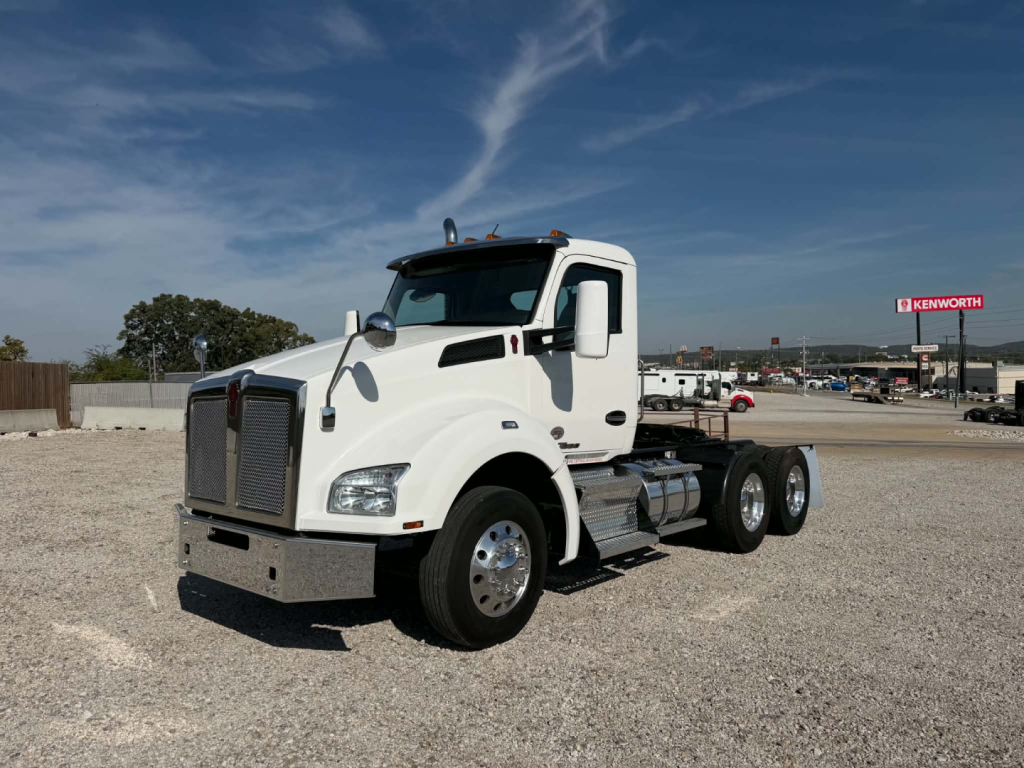
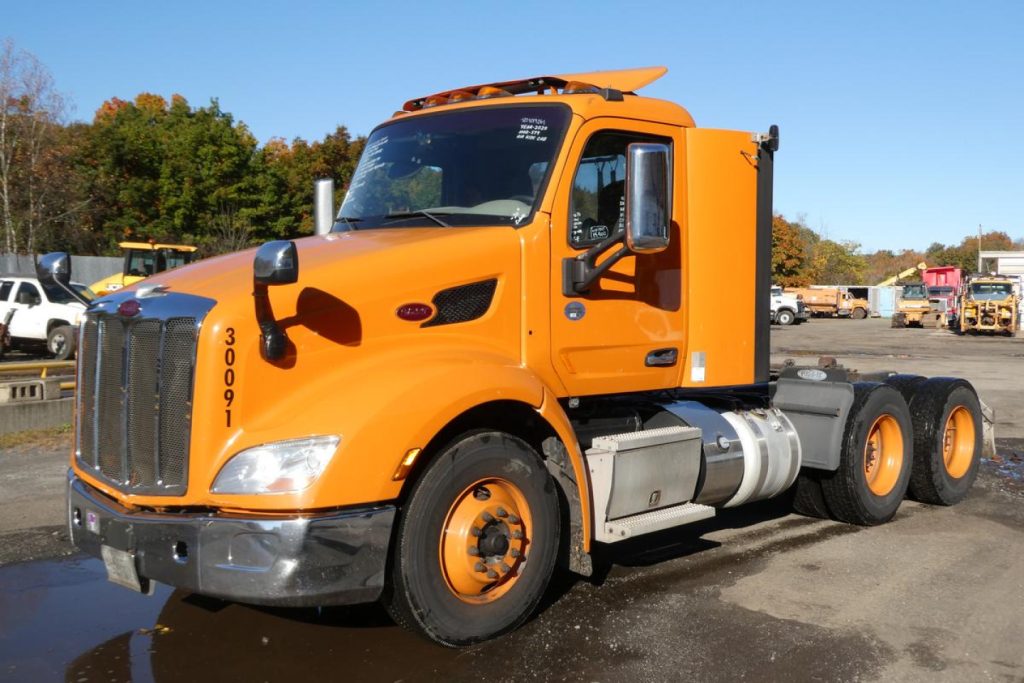
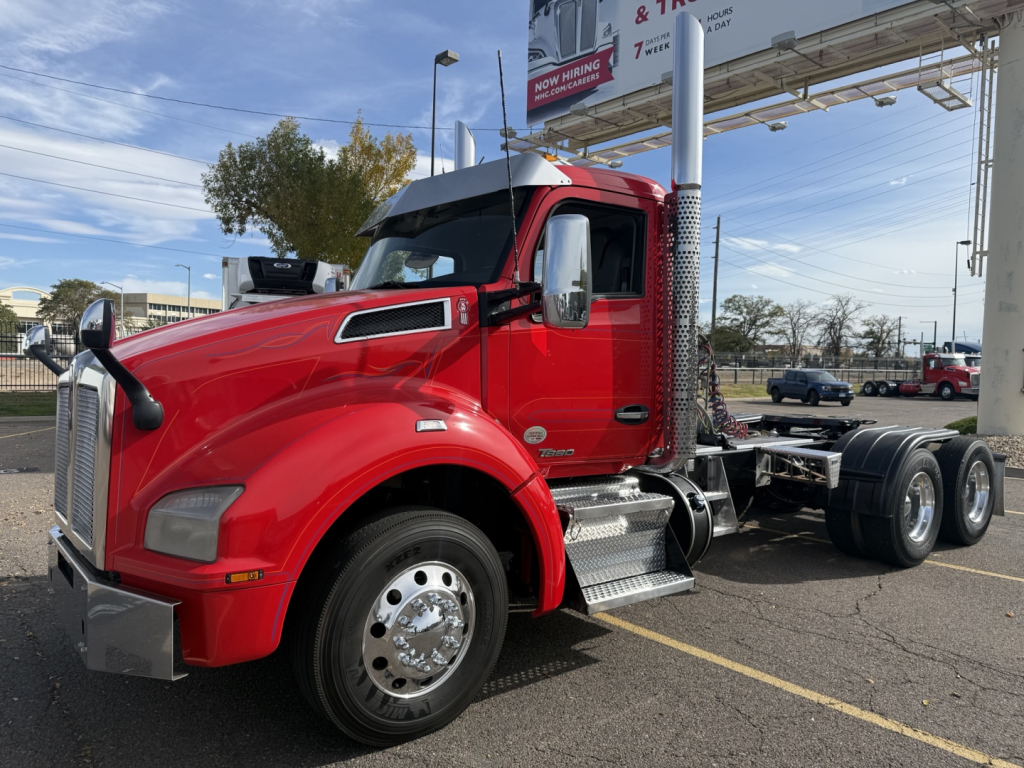
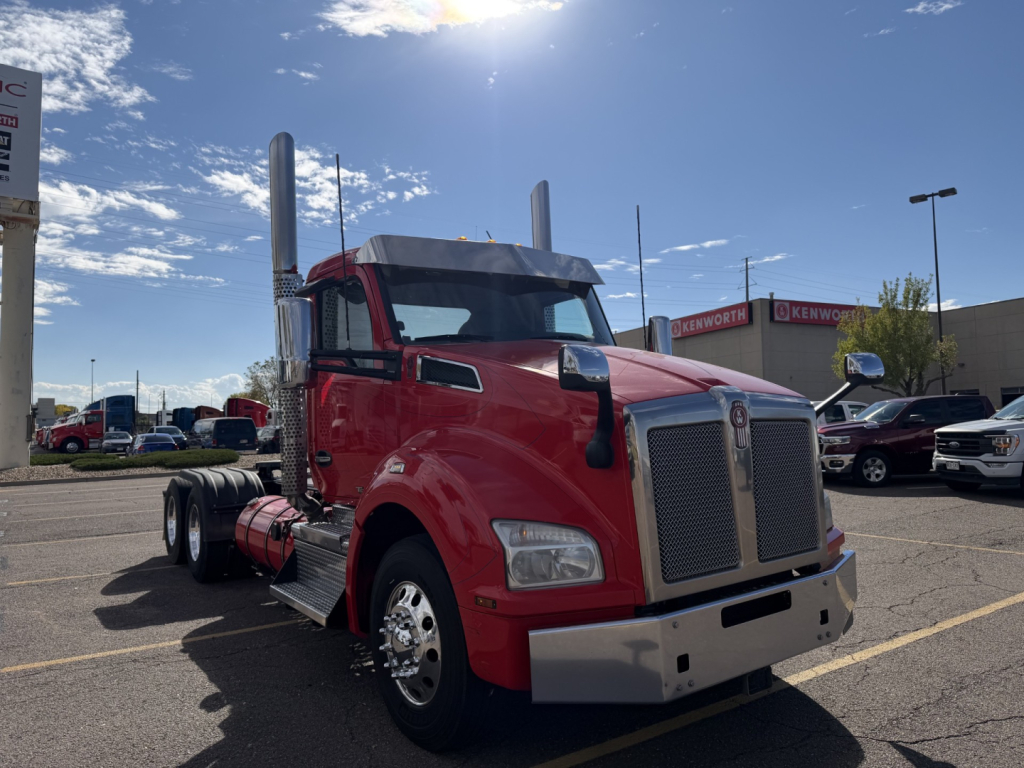
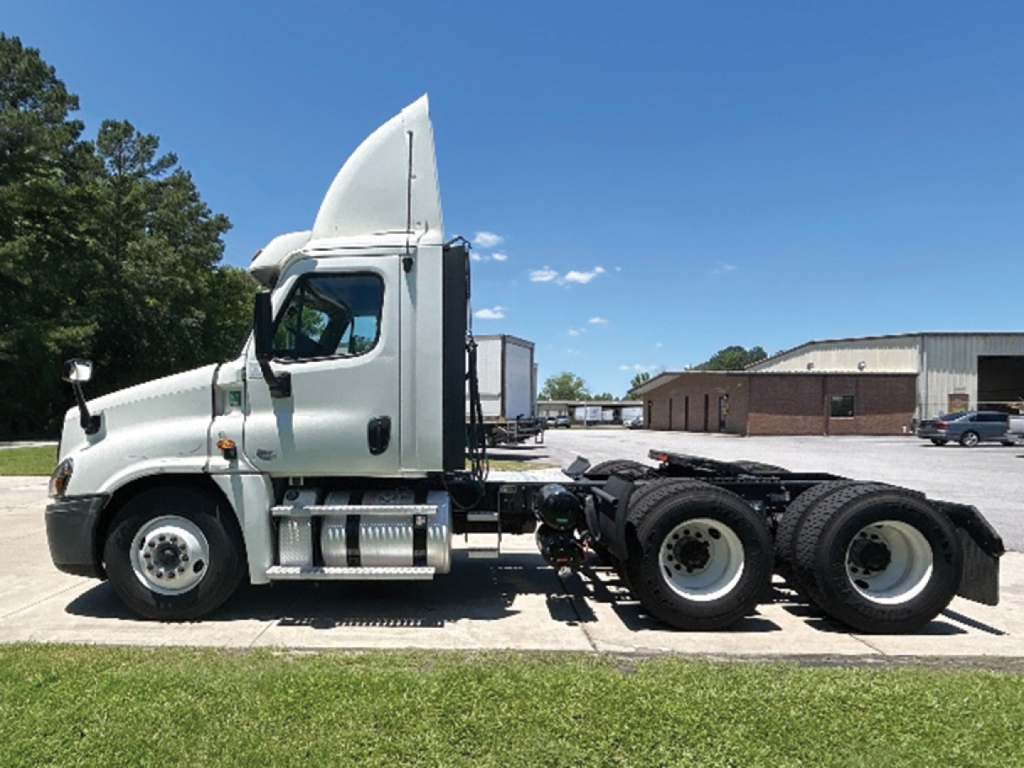
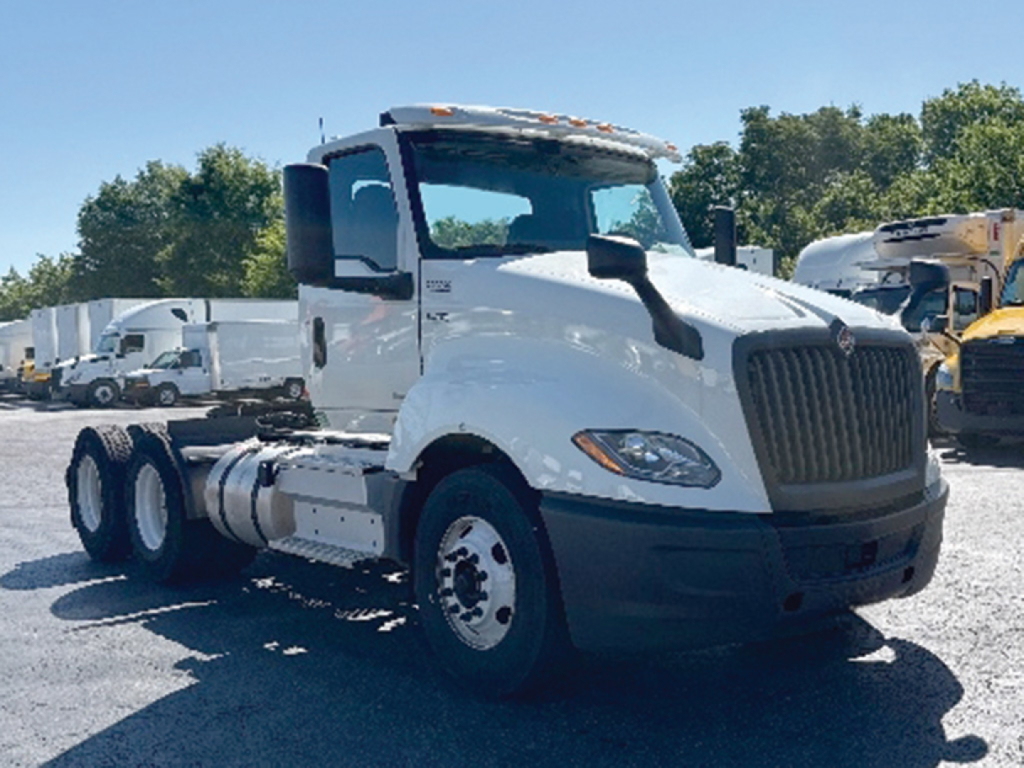
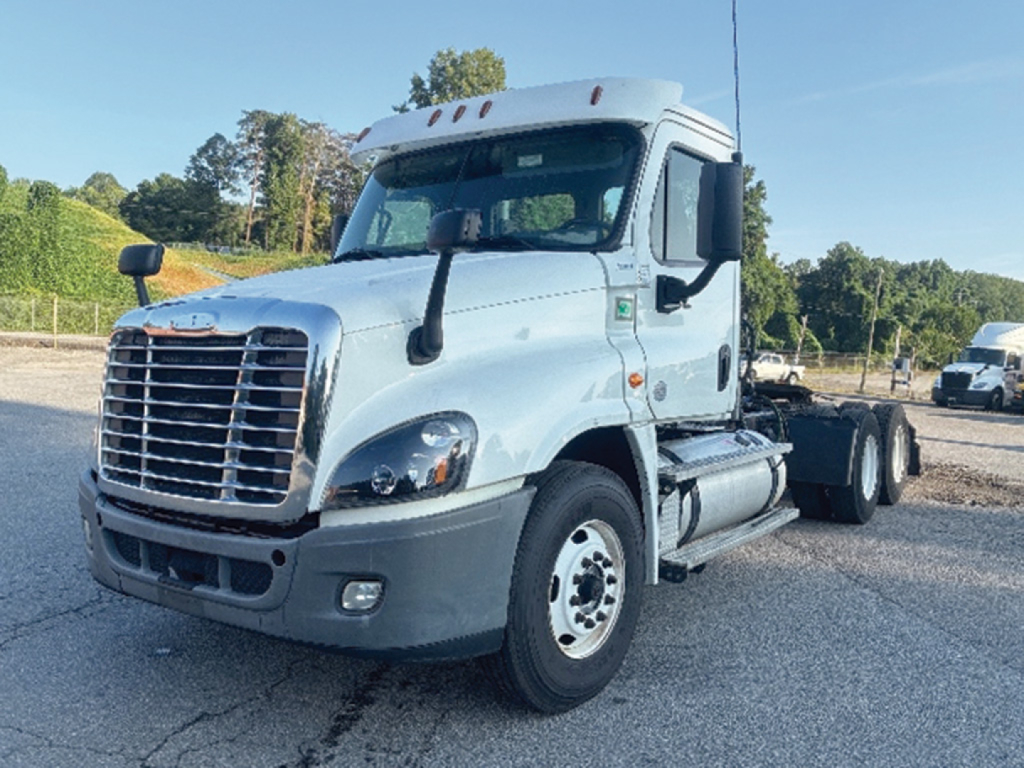
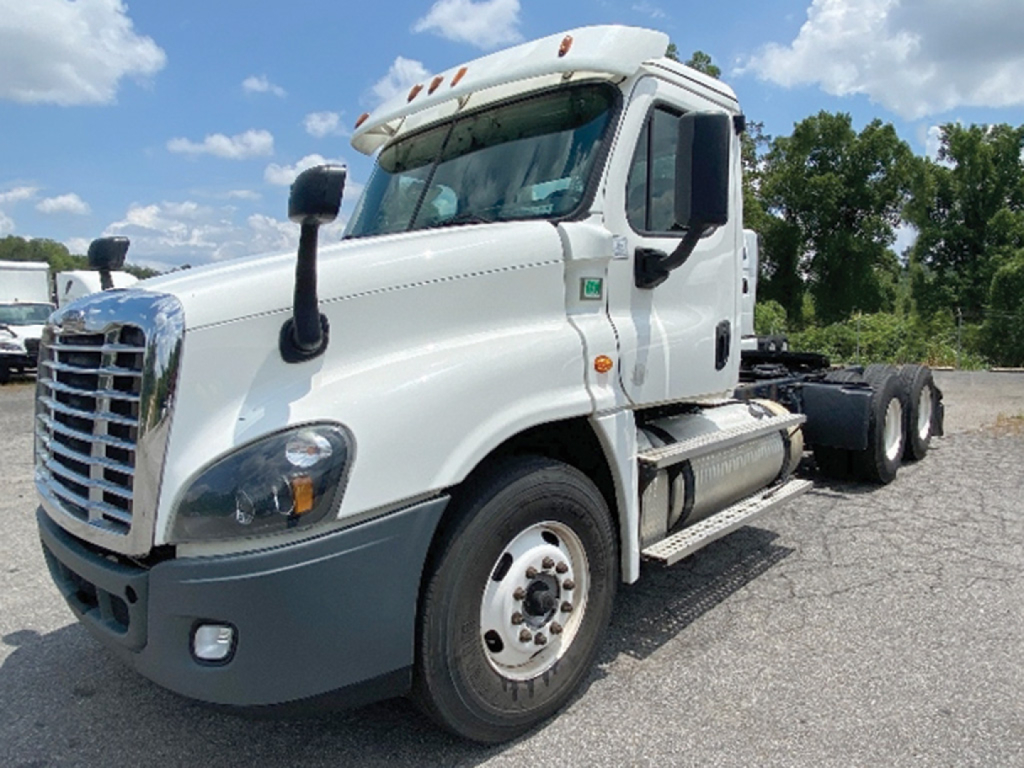
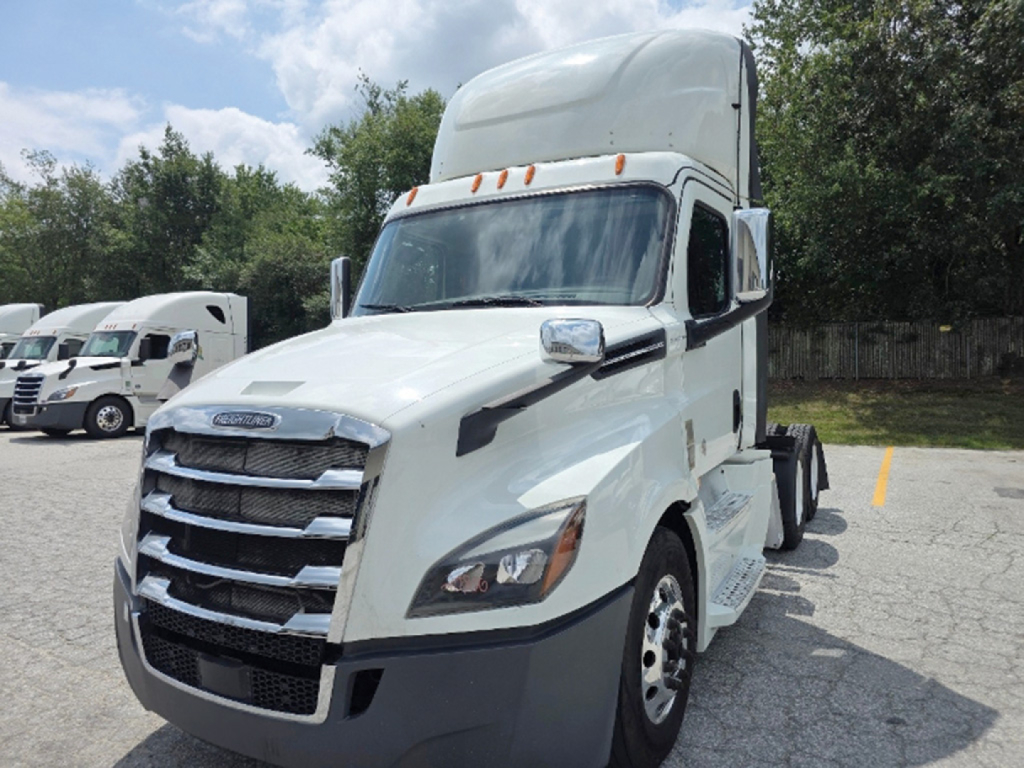
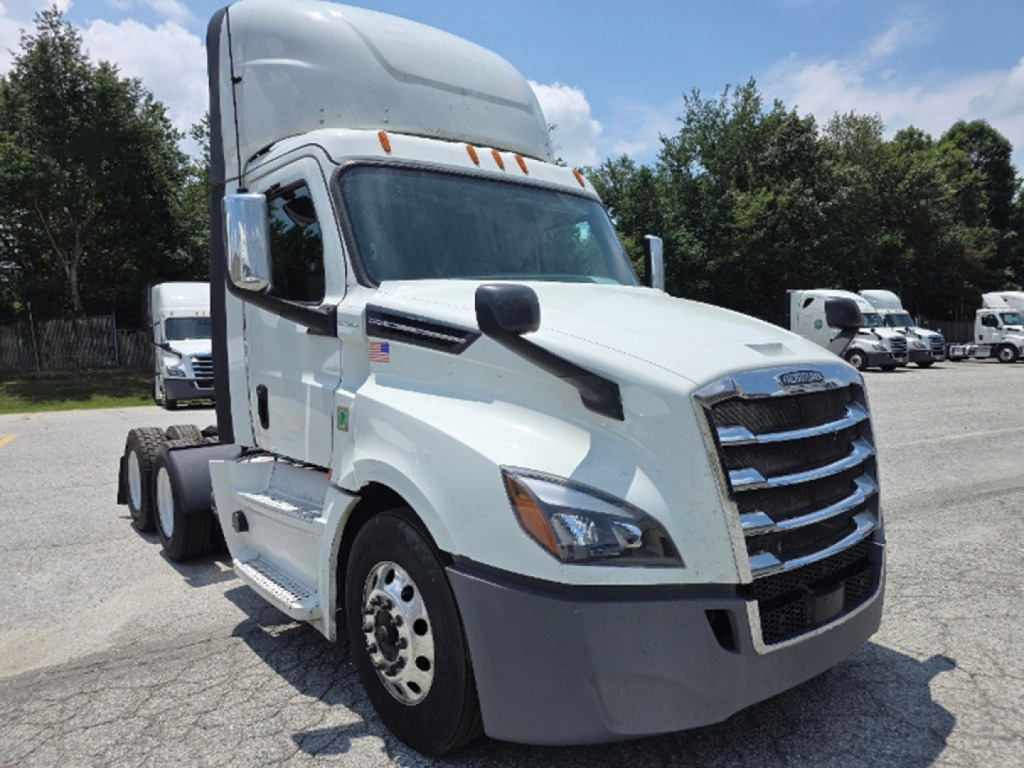
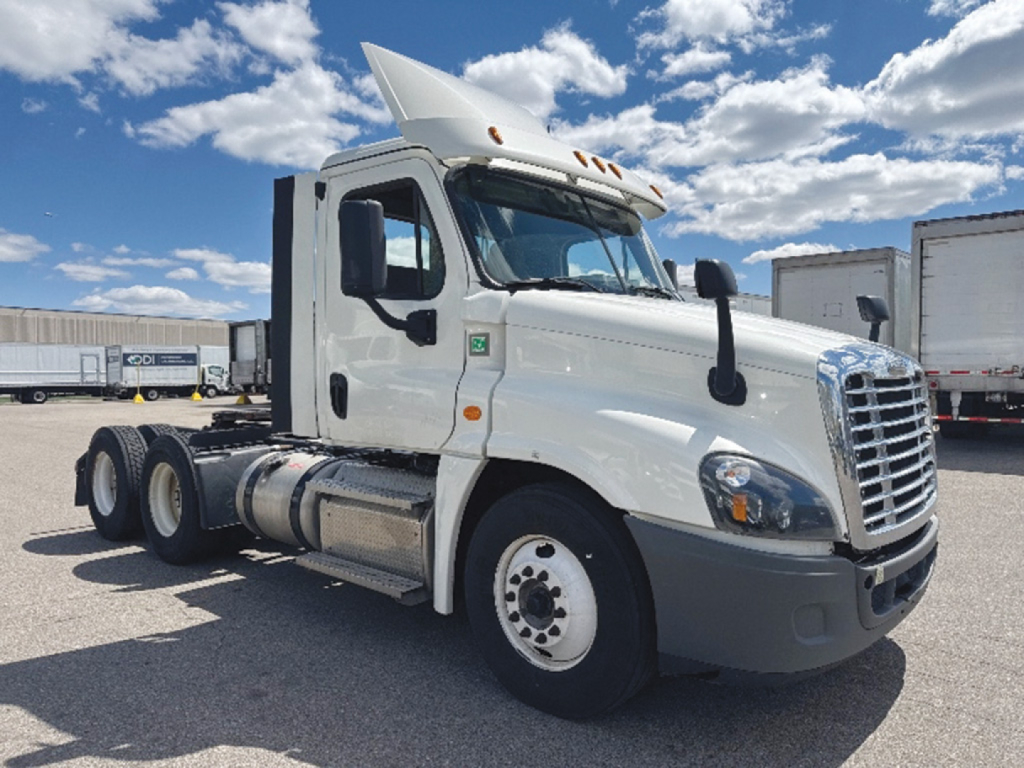
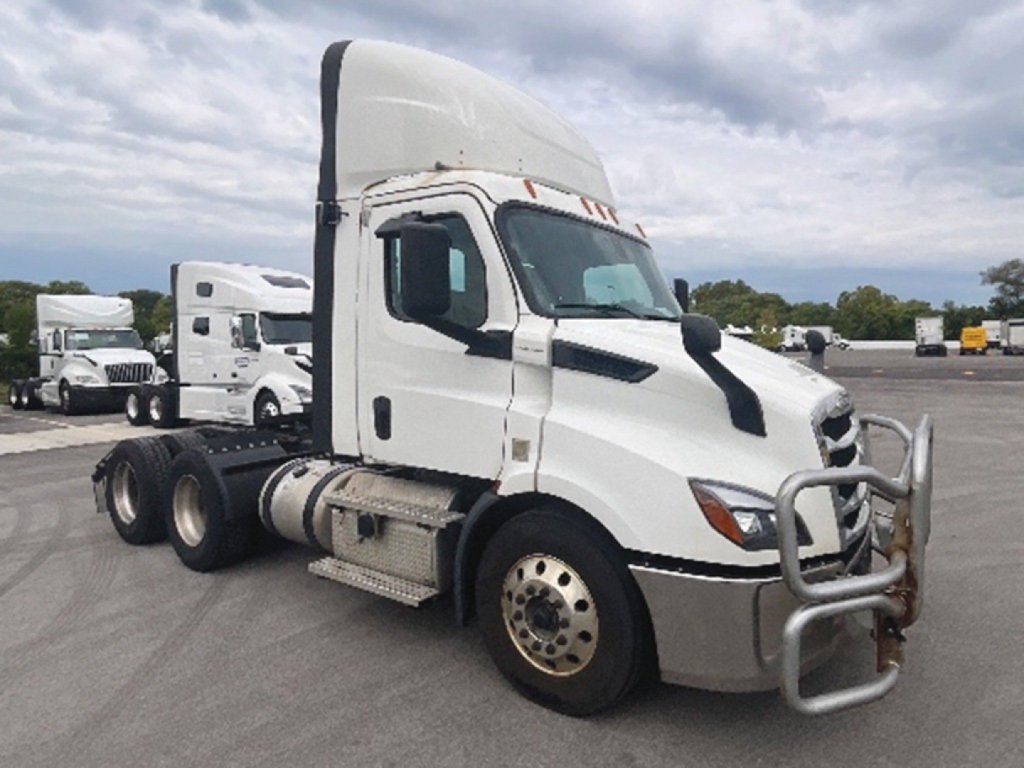
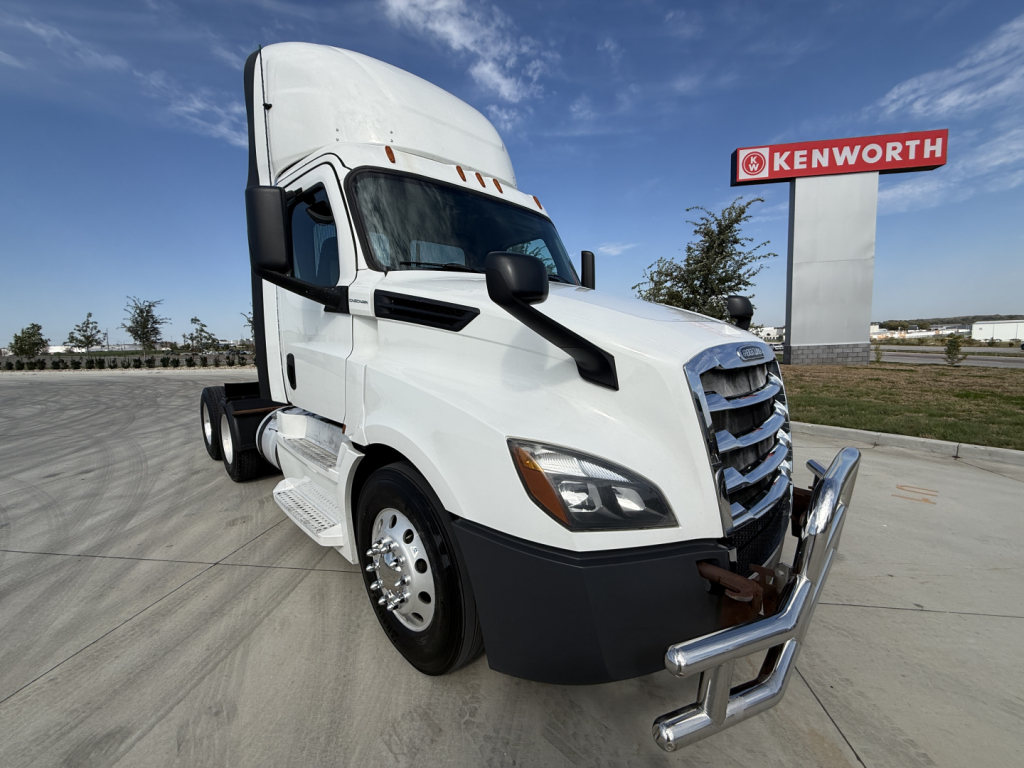
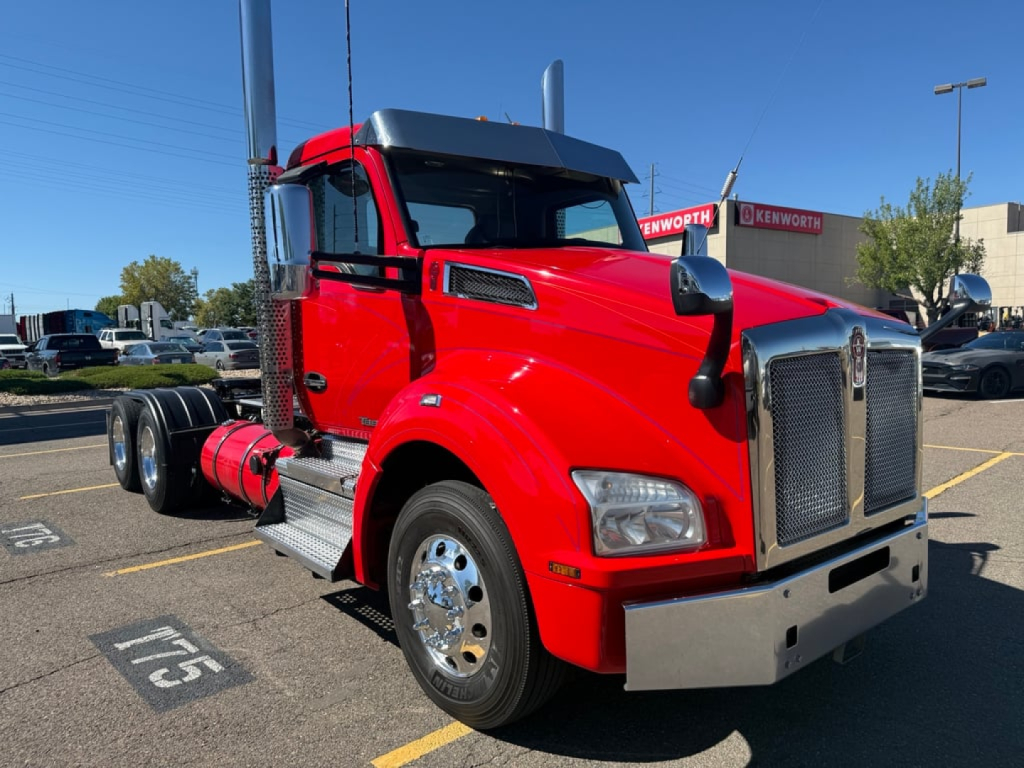
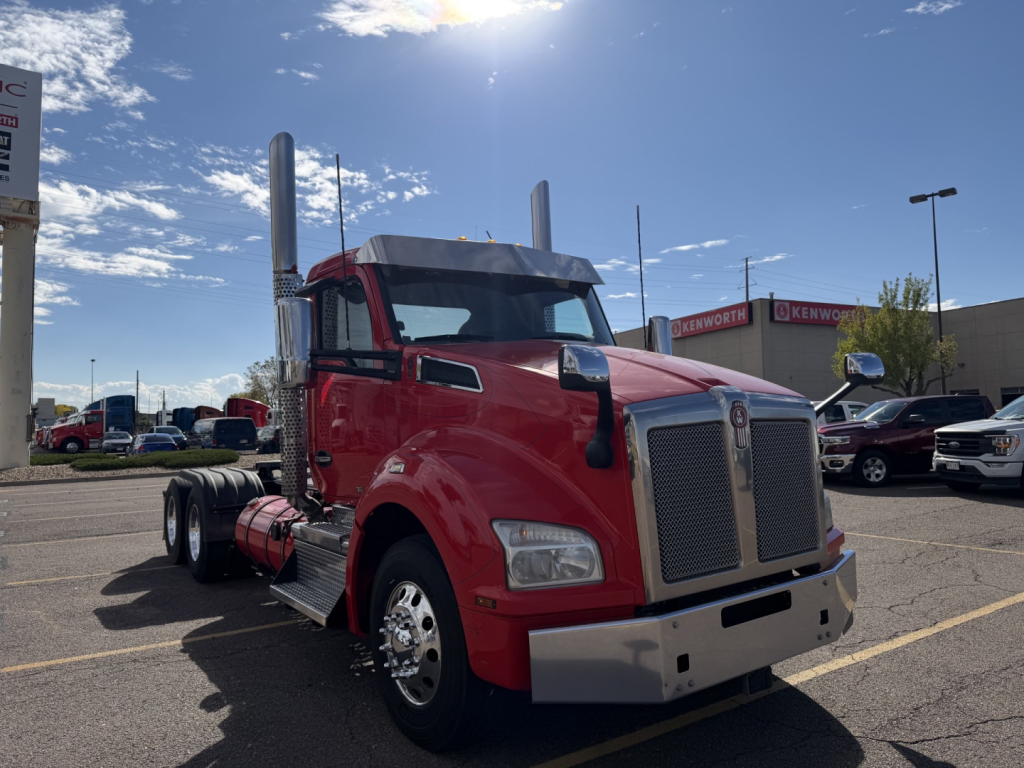
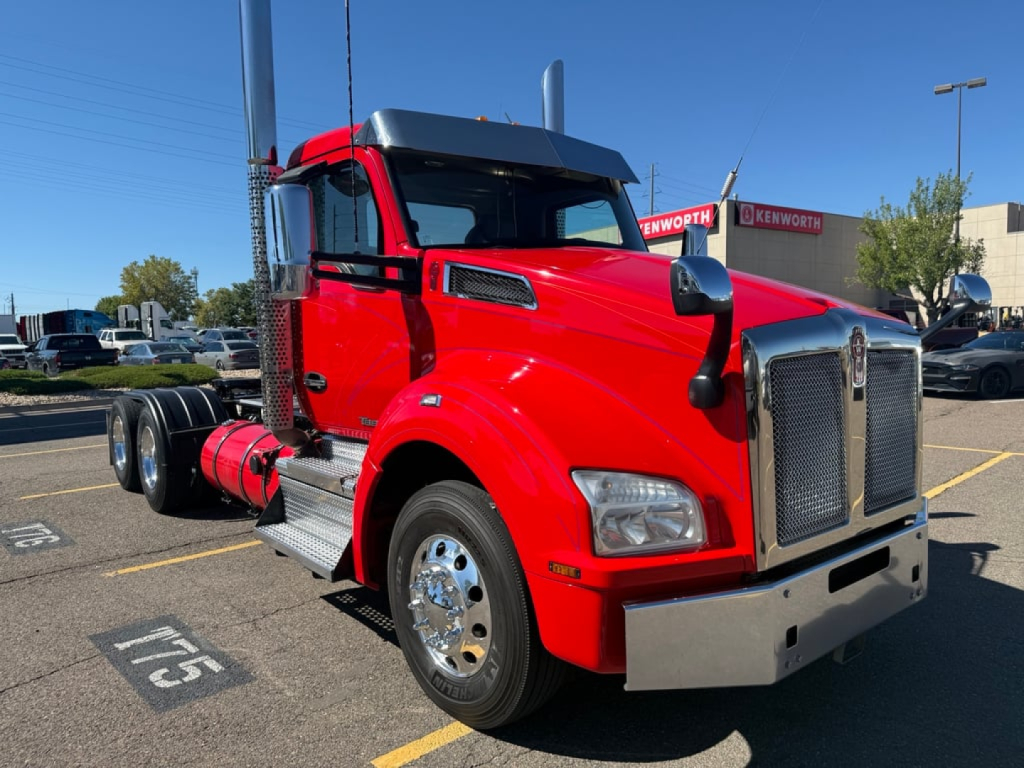
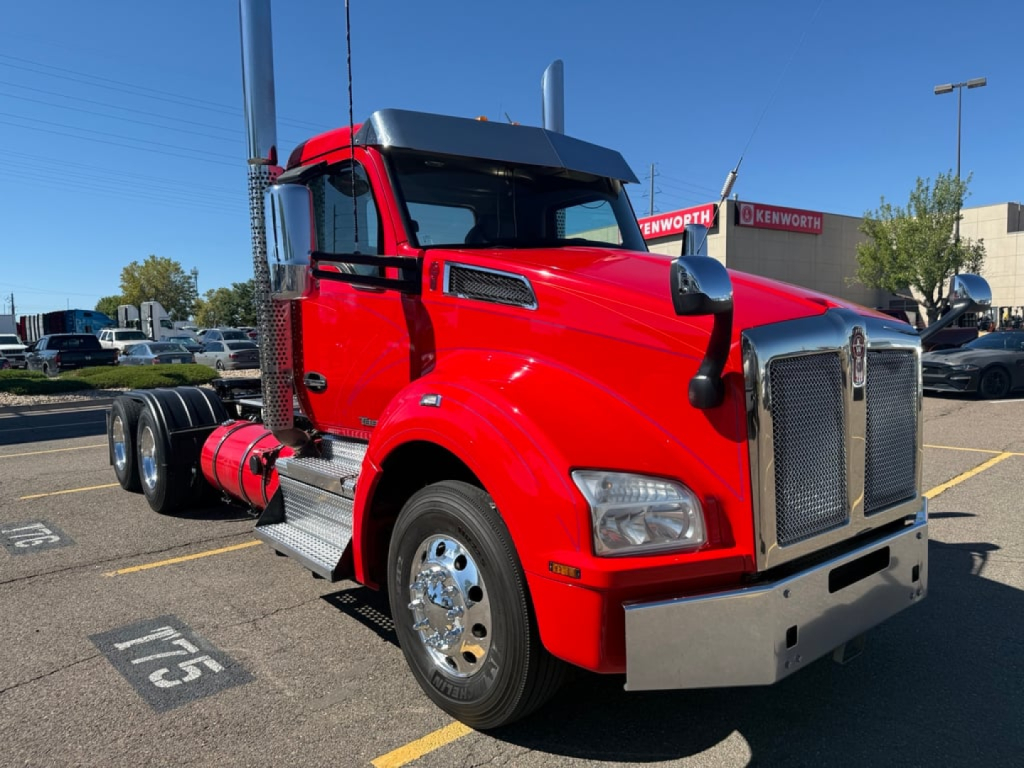
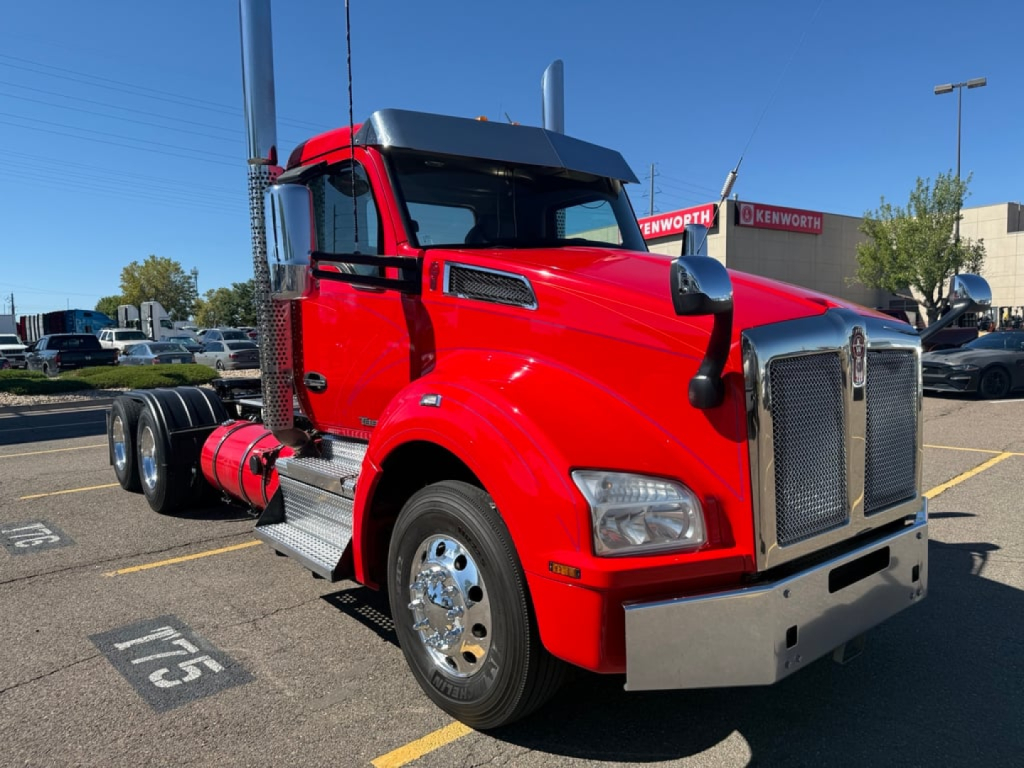
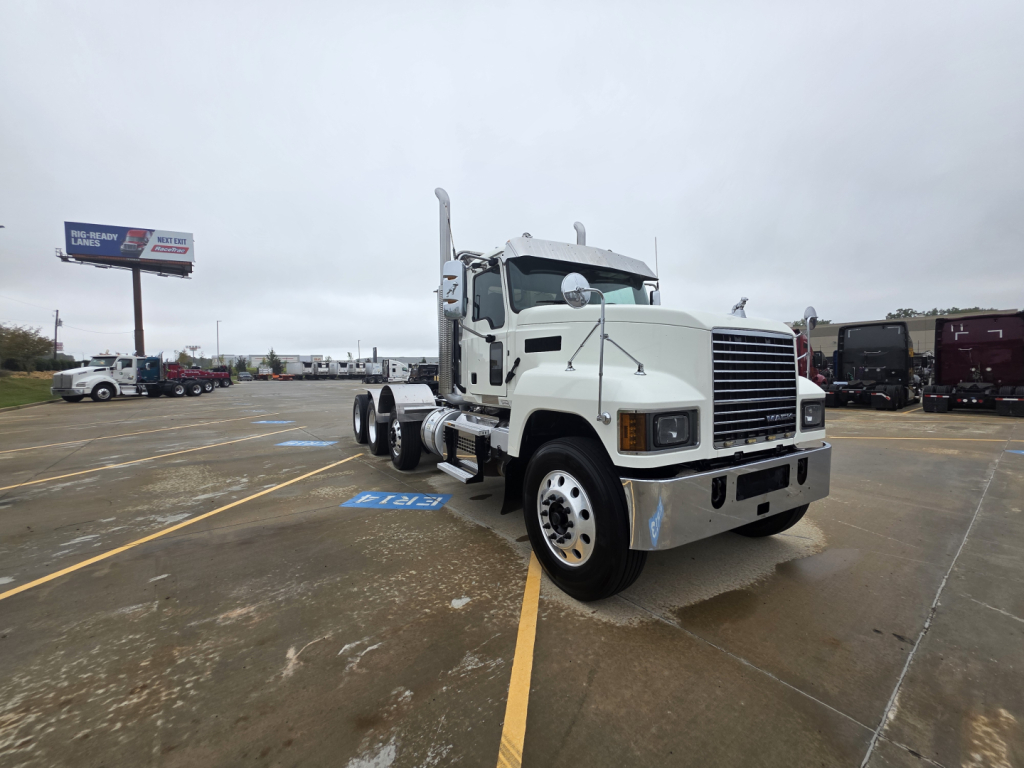
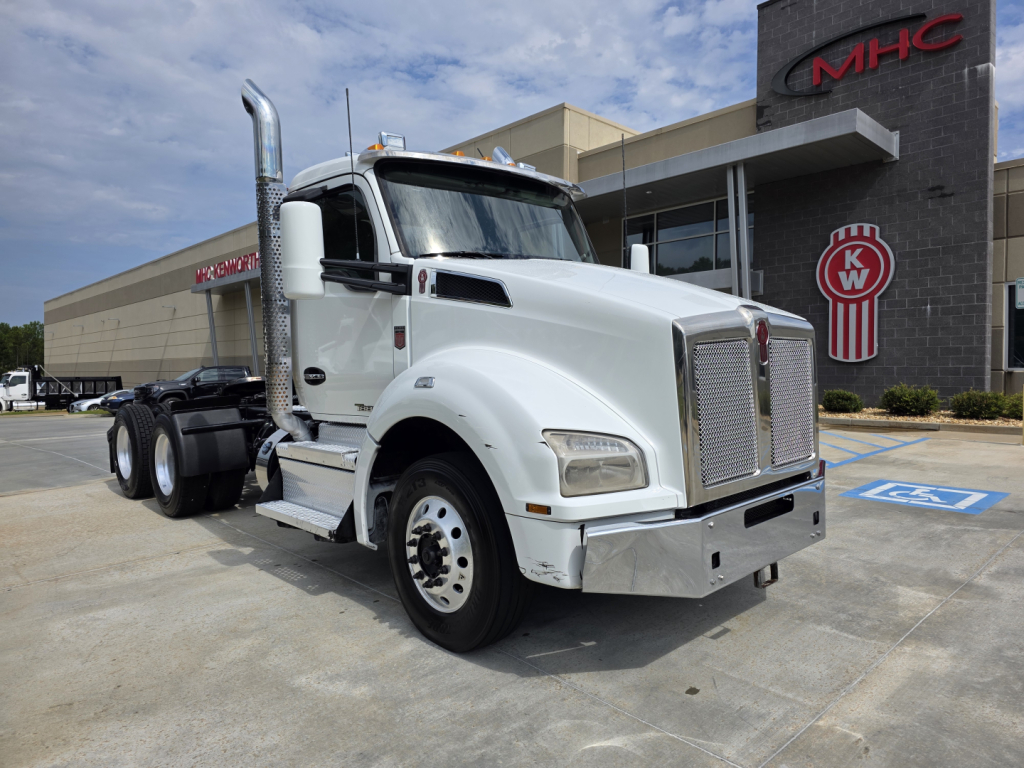
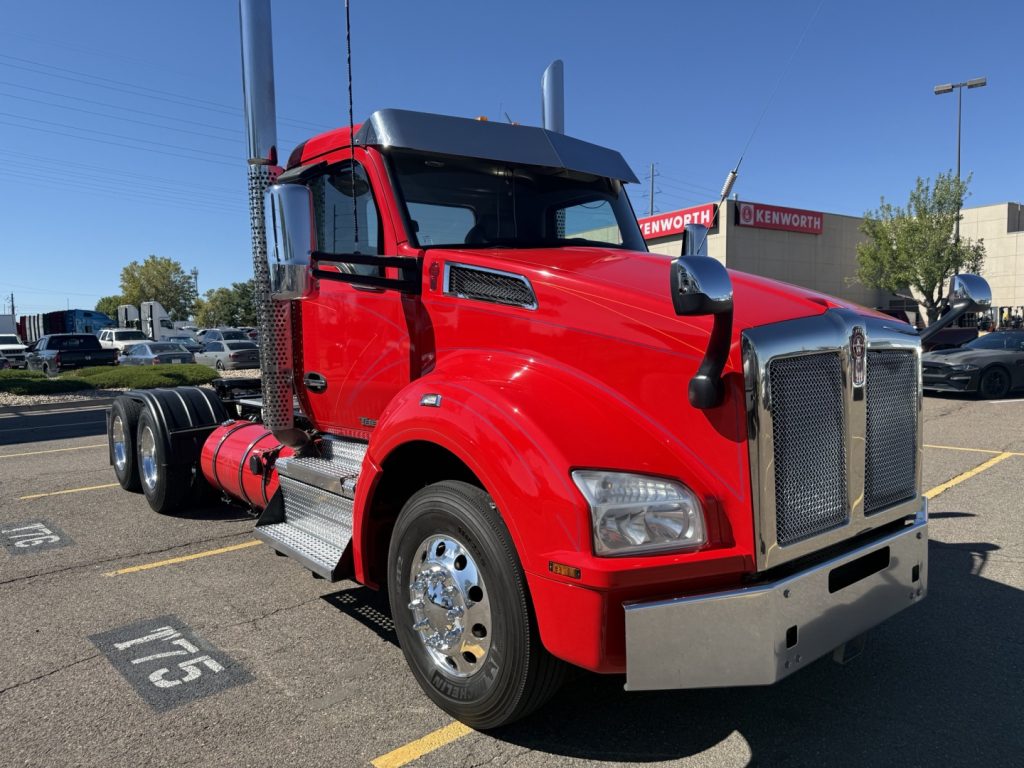
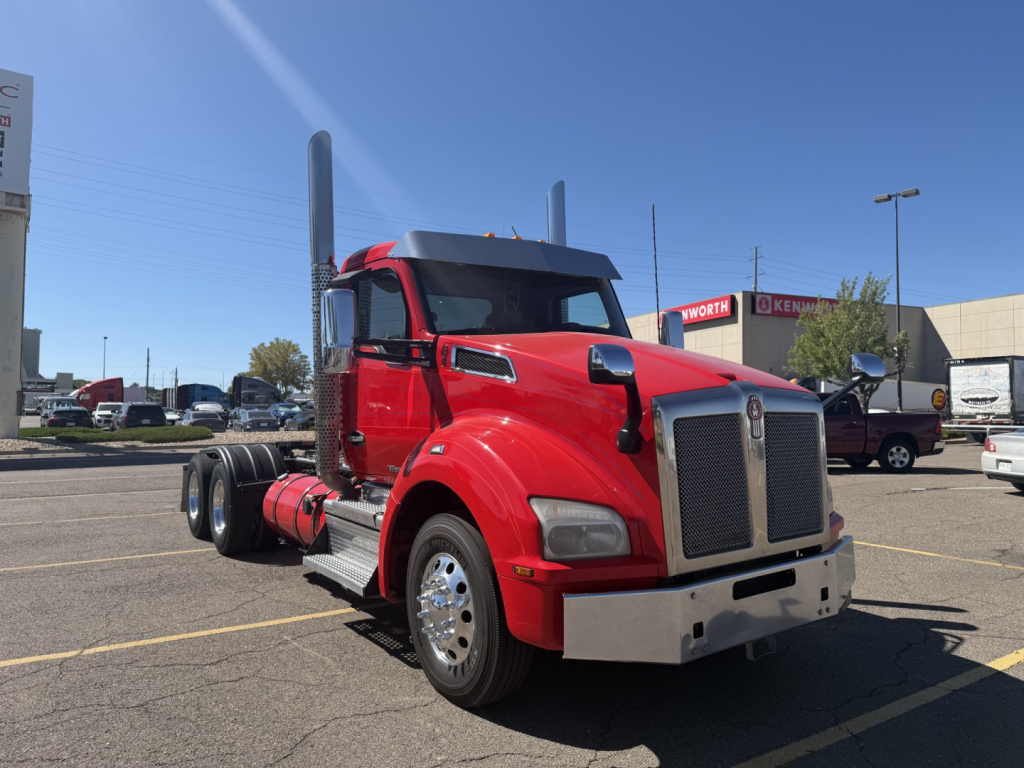
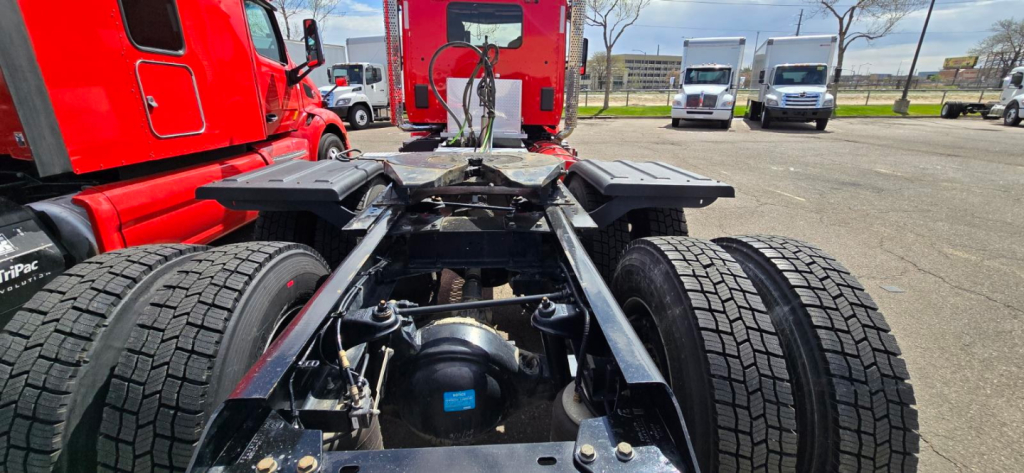
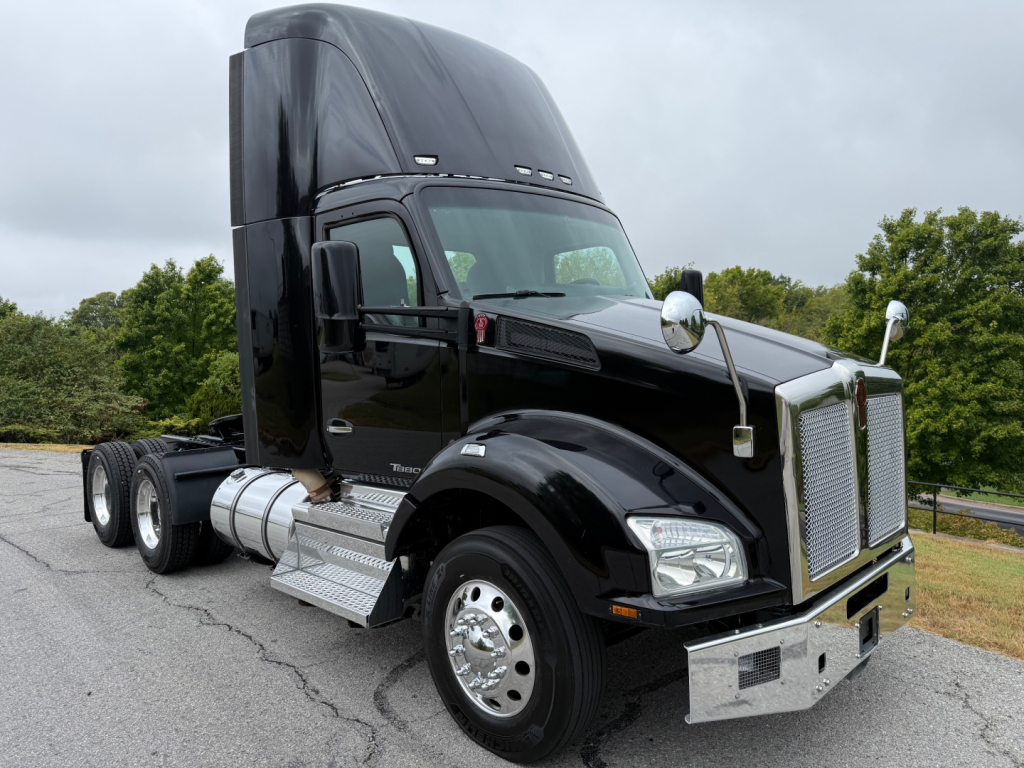
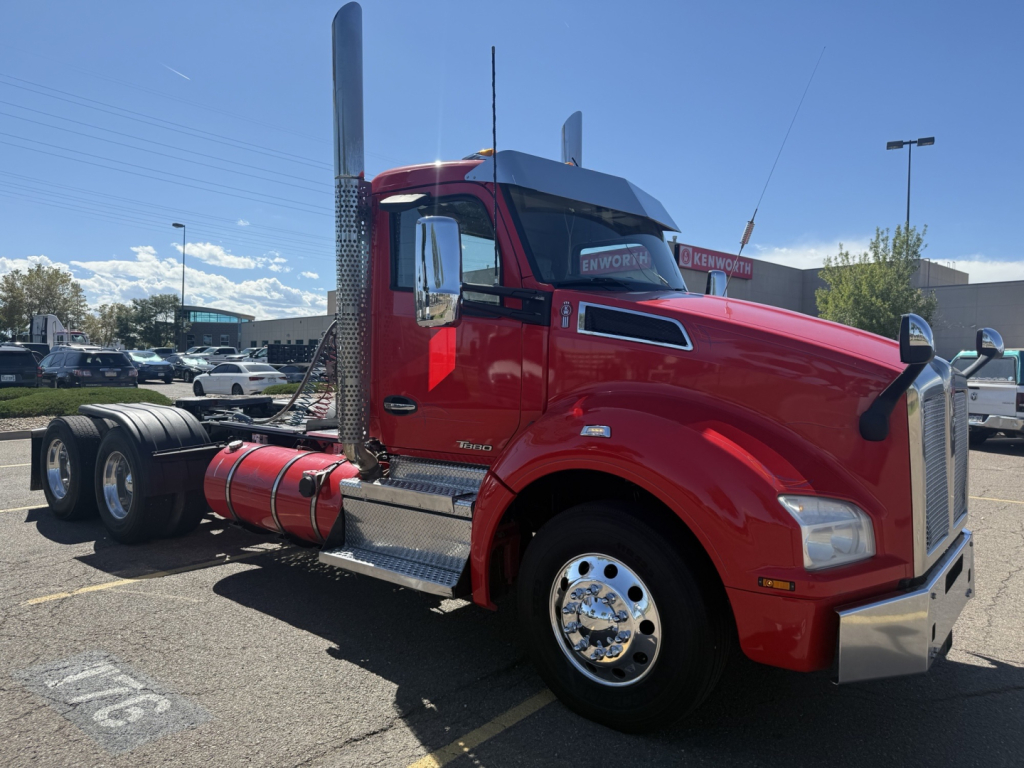
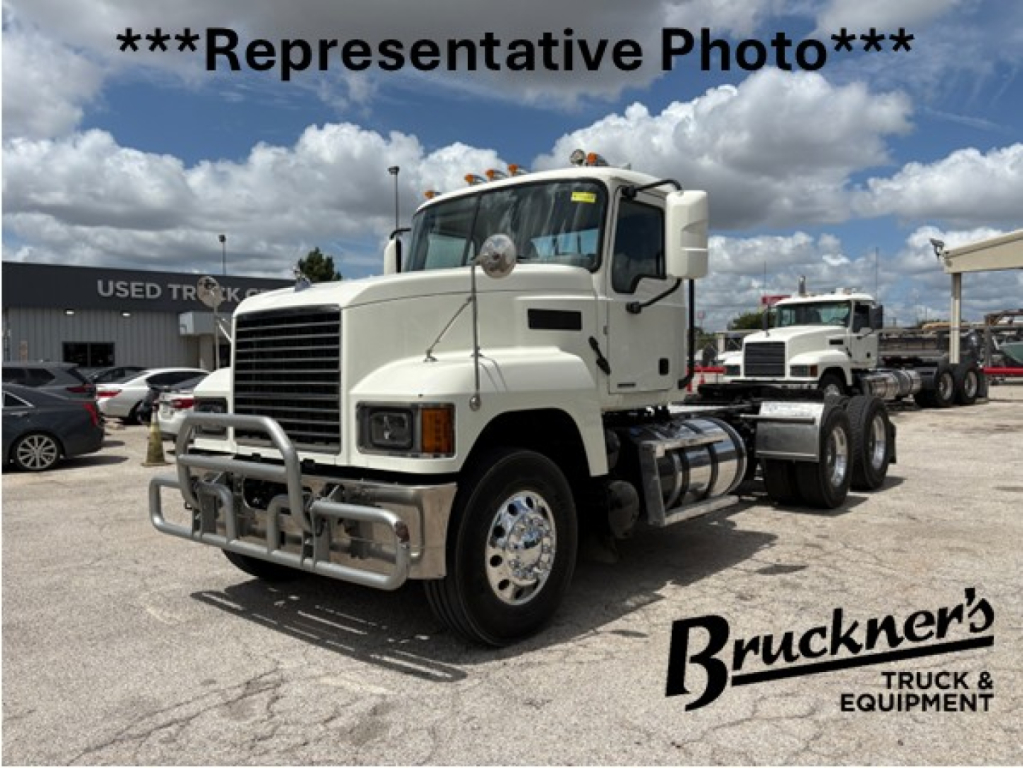
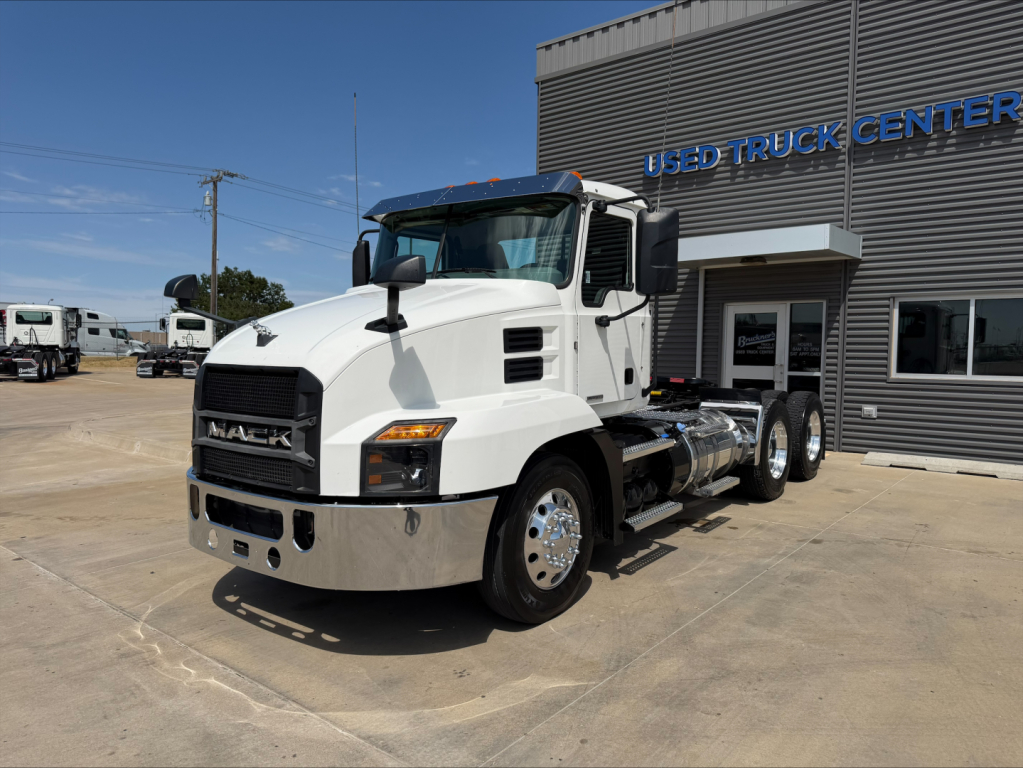
Showing 1 to 28 of 75 results
Selling a 2020 conventional daycab truck? List your 2020 conventional daycab truck for sale and reach thousands of commercial buyers.
2020 Conventional Daycab Trucks
The biggest buying decision is matching wheelbase, axle configuration, and powertrain to the job. Most 2020 conventional daycab trucks are 4x2 or 6x4 tandem-axle tractors with wheelbases often falling between about 150 and 200 inches, depending on fuel capacity, frame layout, and intended trailer swing clearance. Engines commonly include Detroit DD13 and DD15, Cummins X15, PACCAR MX-13, International A26, Volvo D11 and D13, and Mack MP7 or MP8, usually paired with 10-speed or 12-speed automated manuals, though manual transmissions still appear in some fleet and vocational specs. Horsepower often lands in the 350 to 455 range, with rear axle ratios selected for either low-rpm highway efficiency or quicker startability in city and heavy-load service. Buyers should also pay attention to fifth wheel type, sliding versus stationary, suspension rating, front axle capacity, and whether the truck is set up for PTO, wet kit, or pintle applications.
A 2020 daycab is often attractive because it can include collision mitigation, adaptive cruise, lane departure warning, disc brakes, tire pressure monitoring, and other driver-support systems that became more common in fleet specs around that period. Cab ergonomics matter more than some buyers expect on local and regional routes. Seat condition, steering wheel controls, visibility, HVAC performance, and entry-exit height all affect driver retention and fatigue over a full workday. Fuel tank layout, DEF tank placement, fairings, and battery box position also matter if the truck will see tight docks, bulk tanks, or trailer interference risks. For buyers running frequent turns, emissions history, idle hours, aftertreatment service records, and transmission calibration updates are just as important as odometer miles.
The best 2020 conventional daycab truck is the one spec'd for the trailer and route profile it will actually pull. A lightweight regional tractor may be ideal for dry van or reefer lanes, while a heavier-spec unit with locks, higher suspension capacity, and stronger vocational components may suit end dump, lowboy, or severe-service work better. Reviewing GCWR, frame configuration, brake spec, tire size, and kingpin-to-back-of-cab clearance will usually tell more than the badge on the hood. For buyers comparing many listings, the smartest approach is to separate fleet highway specs from true vocational daycabs, then evaluate maintenance history, emissions compliance, and driveline match before focusing on appearance.
Frequently Asked Questions about 2020 Conventional Daycab Trucks
What is a conventional daycab truck?
A conventional daycab truck is a highway-style tractor with a hooded engine and no sleeper compartment behind the seats. It is built for runs where the driver returns the same day or does not need overnight accommodations. This configuration reduces weight, shortens overall length, and generally improves maneuverability compared with a sleeper tractor.
What are common uses for a 2020 conventional daycab?
A 2020 conventional daycab is commonly used for regional freight, local cartage, drayage, LTL, tanker work, dump trailer service, and dedicated lane operations. The exact application depends on the axle layout, wheelbase, engine rating, suspension, and PTO or hydraulic setup. Many are highway fleet tractors, while others are spec'd for heavier vocational trailer work.
What should I check first when comparing 2020 daycab listings?
Start with axle configuration, wheelbase, engine and transmission, rear axle ratio, suspension capacity, and fifth wheel setup. Those core specs determine whether the truck fits the trailer, payload, and route. After that, review mileage versus engine hours, emissions and aftertreatment service history, brake type, tire condition, and any signs the truck was used in severe-service applications.
Are 2020 conventional daycab trucks available with automatic transmissions?
Yes. Many 2020 conventional daycab trucks were equipped with automated manual transmissions such as Detroit DT12, Mack mDRIVE, Volvo I-Shift, Eaton Endurant, or similar OEM integrated options. These transmissions became common in fleet service because they can improve shift consistency, reduce driver fatigue, and help protect the driveline when spec'd and calibrated correctly.
Is a 2020 daycab better for local work than a sleeper tractor?
In many operations, yes. A daycab is usually easier to maneuver in city traffic, terminals, and customer yards, and it avoids carrying the extra weight and length of a sleeper. That makes it a strong fit for local and regional operations. A sleeper tractor still makes more sense if routes involve layovers, team driving, or long-haul service where onboard rest space is required.