
2020 Peterbilt Conventional Daycab Trucks For Sale
Shop 2020 Peterbilt conventional daycab trucks with MX-13 power, strong specs, and daycab configurations for regional, port, and vocational work.

Selling a 2020 peterbilt conventional daycab truck? List your 2020 peterbilt conventional daycab truck for sale and reach thousands of commercial buyers.
2020 Peterbilt Conventional Daycab Trucks
The first buying decision is usually powertrain. Many 2020 Peterbilt daycabs are spec'd with the PACCAR MX-13 in the 455 to 485 horsepower range, though Cummins-powered trucks can also show up depending on the original fleet order. Transmissions vary from 13-speed manuals to automated manuals, and rear axle ratings commonly land around 40,000 pounds with ratios such as 3.55 or 3.73. Wheelbases often fall in the 200 to 240 inch range depending on fifth wheel placement, PTO needs, and bridge law considerations. Buyers comparing listings should pay attention to engine brake spec, suspension type, wheel and tire size, air slide fifth wheel setup, and whether the truck has a wetline kit, headache rack, or PTO already installed.
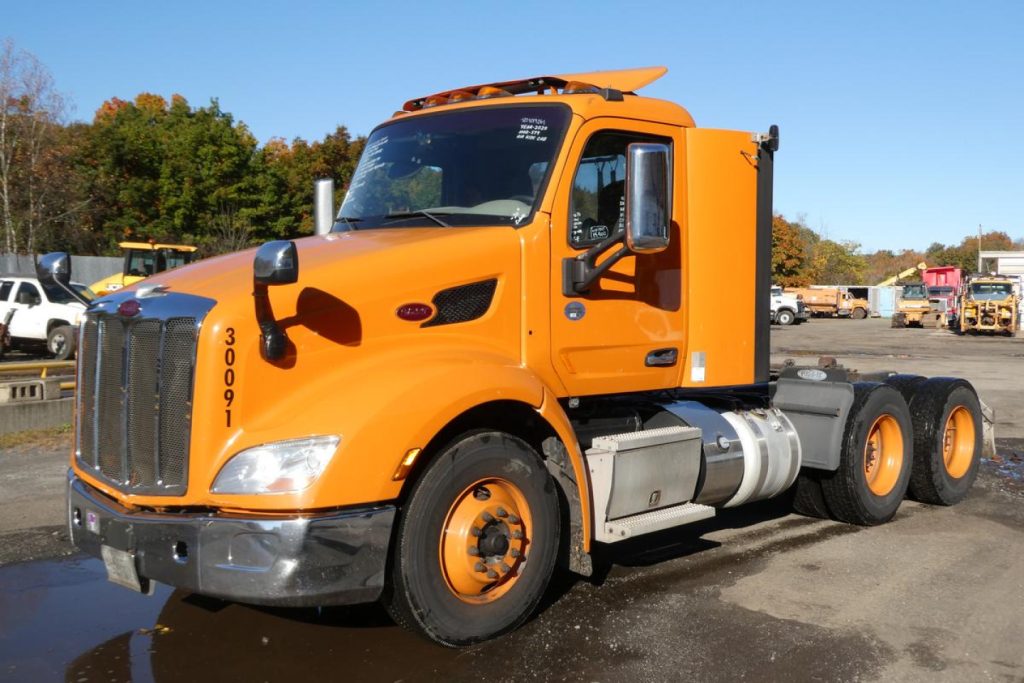
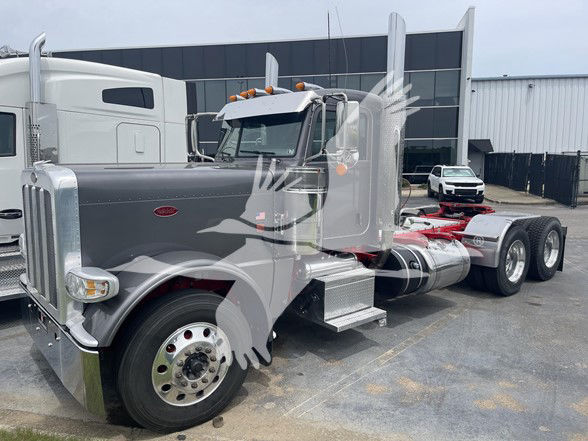
A 2020 model year Peterbilt daycab also benefits from the brand's strong driver acceptance and serviceability. The 579 platform is known for a roomy cab, good sightlines, and a layout that works well in regional duty cycles with frequent stops. Common equipment includes air ride suspension, power windows, tilt and telescoping steering, cruise control, dual fuel tanks, and aluminum wheels. Some trucks are spec'd for linehaul efficiency, while others are set up for vocational crossover work with deer guards, external accessories, or hydraulic systems. That makes configuration more important than badge alone.
Condition matters as much as spec on a used 2020 daycab. Buyers should review engine hours alongside mileage, confirm emissions system service history, and inspect clutch or automated transmission performance, suspension wear, steer axle tire pattern, and frame condition around the fifth wheel or PTO area. If the truck has been used with a wet kit, inspect hydraulic plumbing, tank condition, and controls. On MX-13 trucks, documented maintenance and fault code history can tell you more than appearance alone. A well-spec'd 2020 Peterbilt conventional daycab can still be a strong fit for regional freight and vocational tractor work if the drivetrain, axle ratio, and frame setup match the job.
Frequently Asked Questions about 2020 Peterbilt Conventional Daycab Trucks
What engine is most common in a 2020 Peterbilt conventional daycab?
The PACCAR MX-13 is one of the most common engines in a 2020 Peterbilt conventional daycab, especially in Peterbilt 579 configurations. Many are rated in the mid-400 horsepower range, often around 455 to 485 HP, and are paired with either a manual or automated manual transmission. Some trucks may also be equipped with a Cummins engine depending on the original order spec and application.
What is a 2020 Peterbilt daycab best used for?
A 2020 Peterbilt daycab is commonly used for regional haul, port work, dedicated route service, tanker, flatbed, and local or short-haul freight where a sleeper is not needed. Trucks with PTO and wet kit equipment are also used for dump, walking floor, lowboy, and other hydraulic trailer applications. The shorter overall length and easier cab access make daycabs practical for frequent stops and tighter operating areas.
What specs should I compare when shopping for a used 2020 Peterbilt daycab?
Focus on engine model and horsepower, transmission type, rear axle ratio, suspension, wheelbase, fifth wheel position, and whether the truck includes a PTO or wetline kit. Buyers should also compare axle ratings, brake type, tire size, fuel capacity, and cab features that affect driver comfort. These details determine how well the truck will handle its intended load, terrain, and daily route structure.
Is the Peterbilt 579 a good daycab platform?
The Peterbilt 579 is a widely used daycab platform because it combines aerodynamic design with a roomy cab and strong highway manners. It is a common choice for fleets that want fuel efficiency, driver comfort, and compatibility with regional or dedicated freight operations. The right truck depends on how it was spec'd, so a 579 built for linehaul may differ significantly from one ordered for heavier vocational use.
What should I inspect on a used 2020 Peterbilt MX-13 daycab?
Check maintenance records, engine hours, emissions system history, active or stored fault codes, and any documentation for injector, turbo, or aftertreatment repairs. Inspect the clutch or automated transmission operation, driveline, suspension components, steering play, tire wear, and frame condition around the fifth wheel and crossmembers. If the truck has hydraulic equipment, inspect the PTO engagement, pump, lines, tank, and controls for leaks or wear.