
Peterbilt Conventional Day Cab Trucks For Sale
Compare Peterbilt conventional day cab trucks for sale by model, gearing, emissions equipment, and axle ratings to match regional or vocational work.
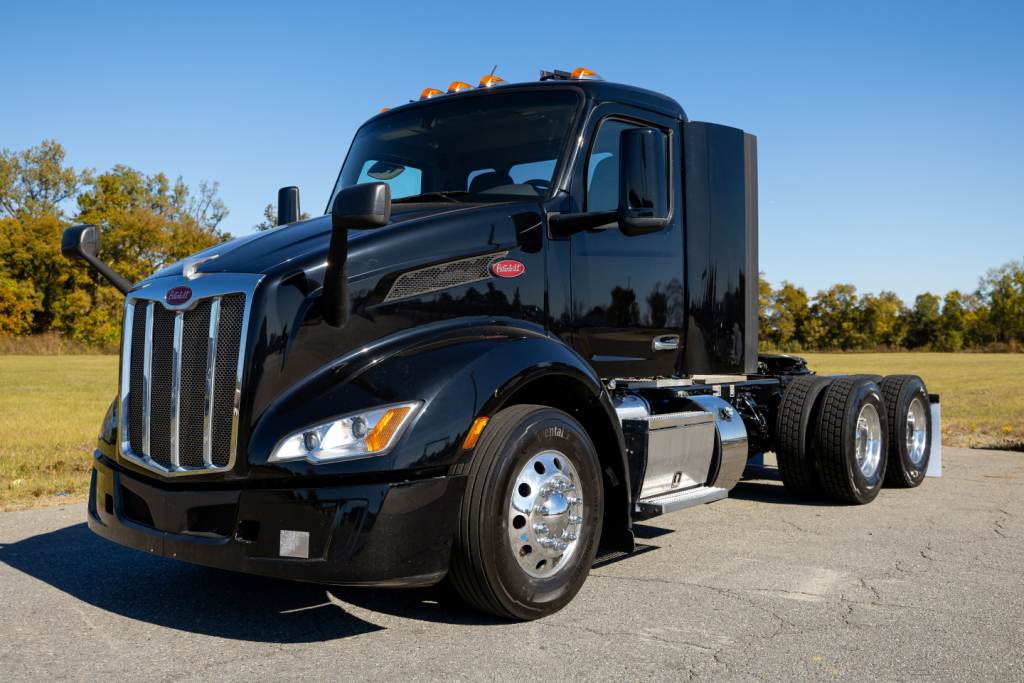
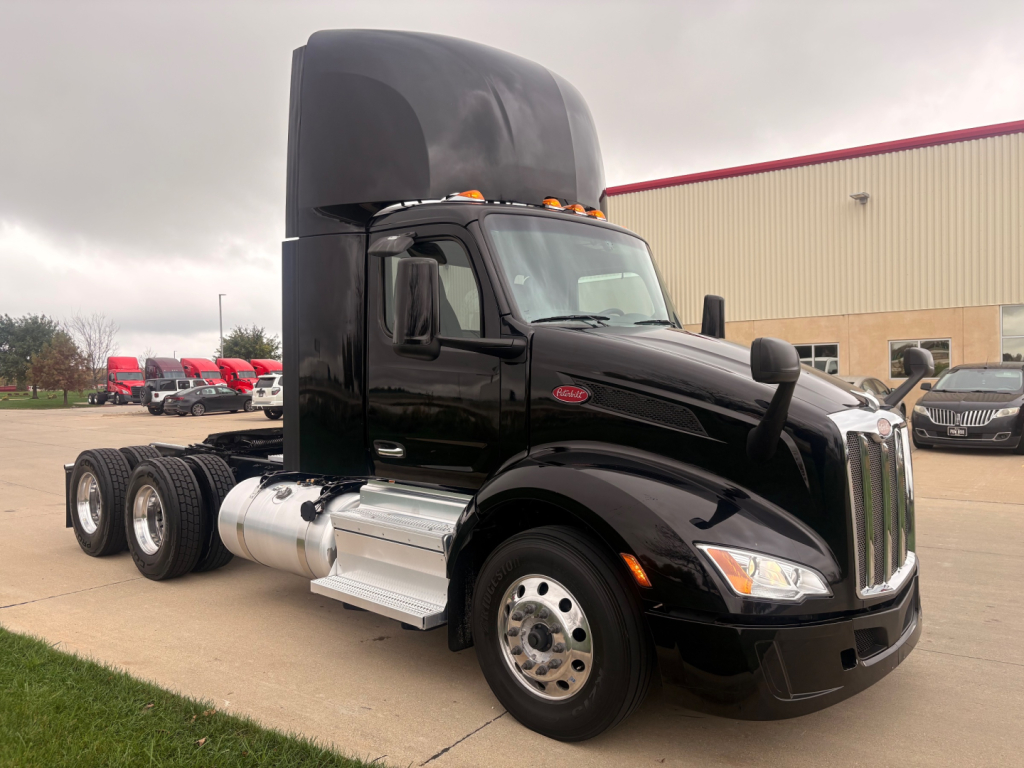
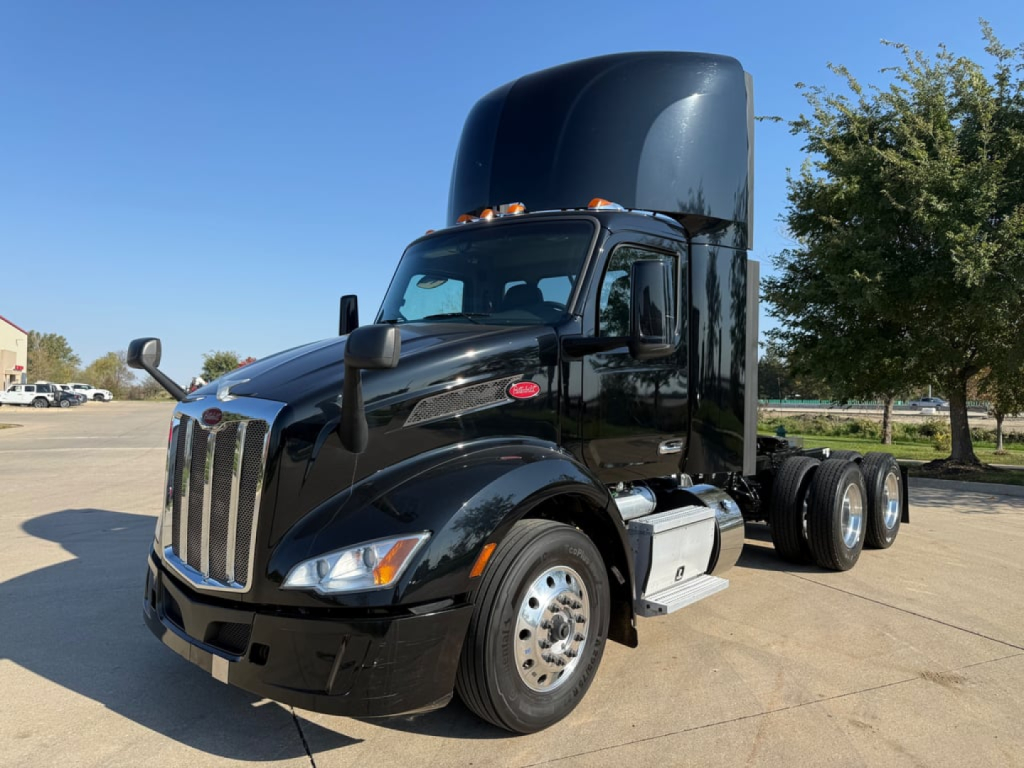
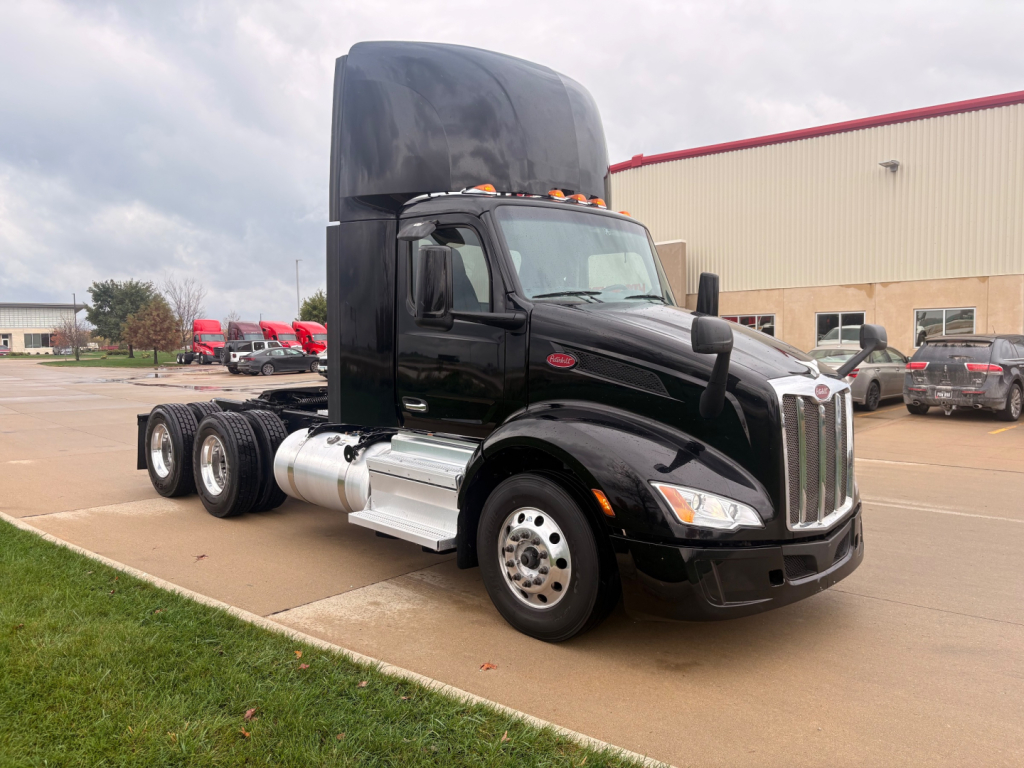
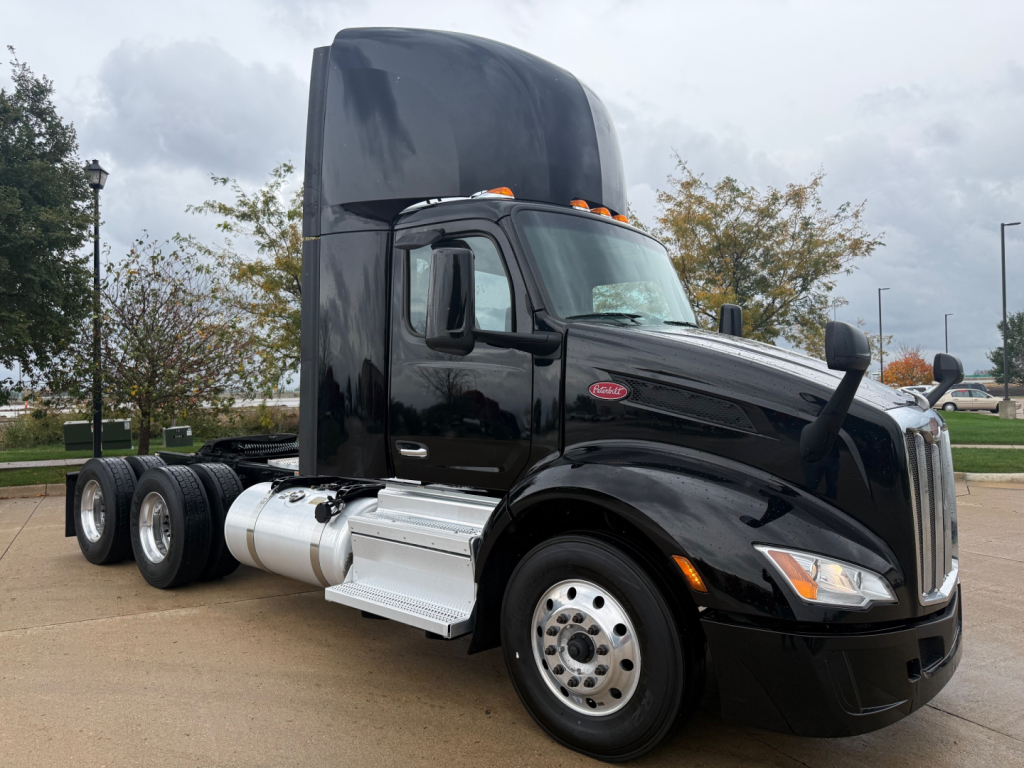
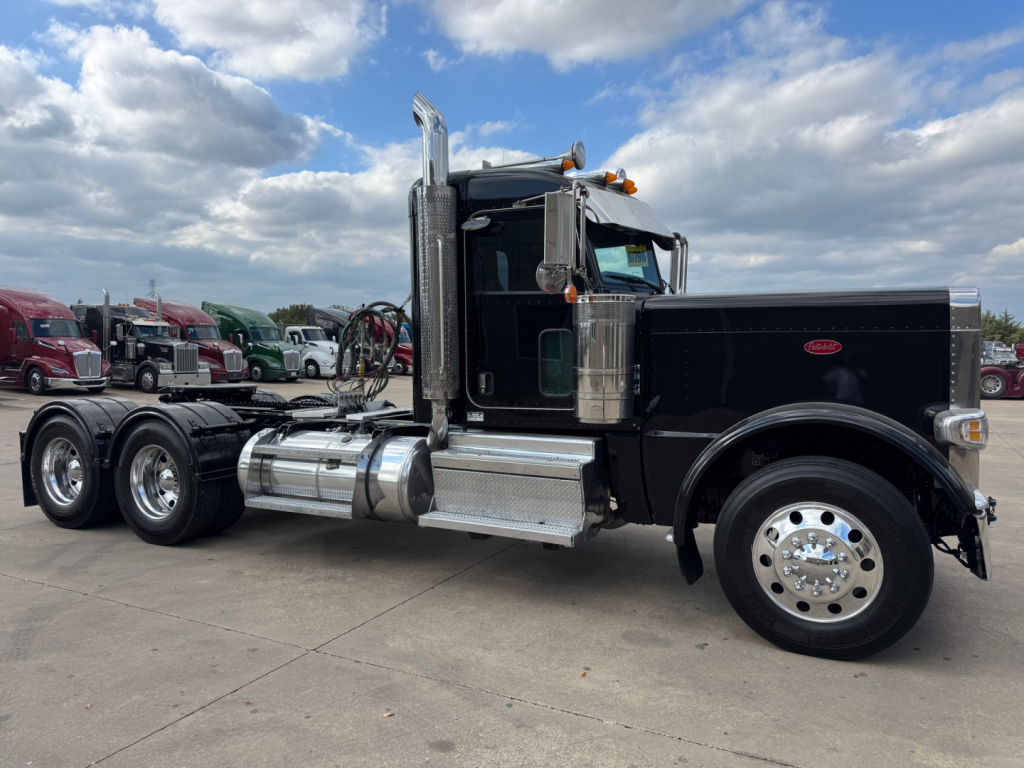
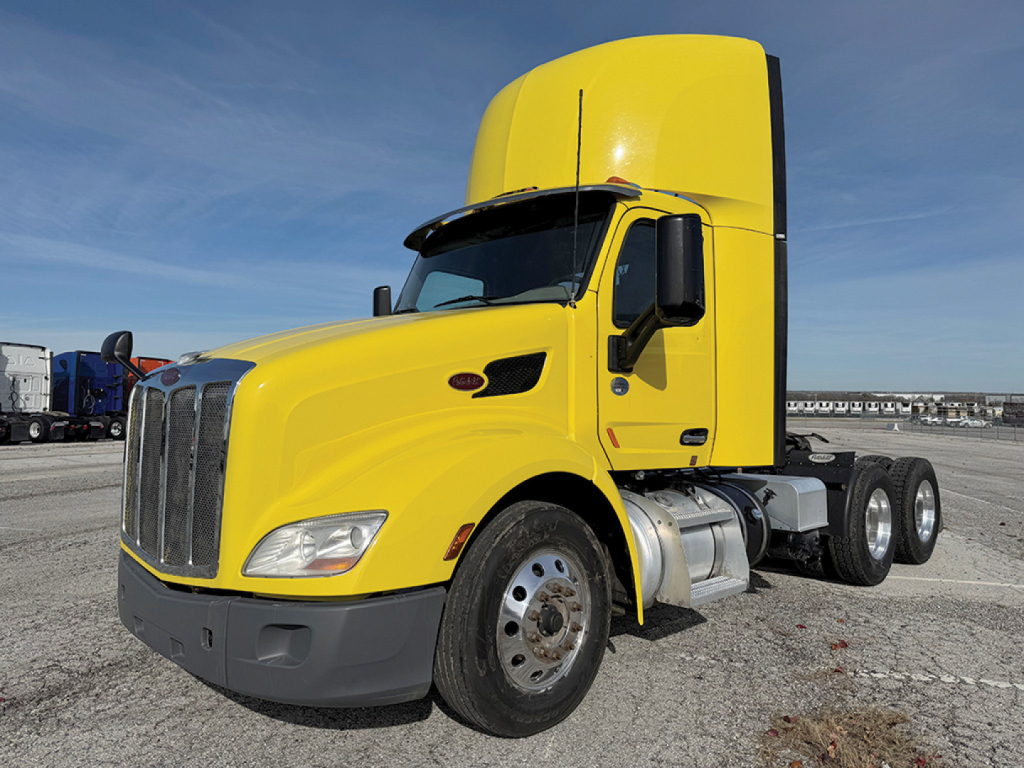
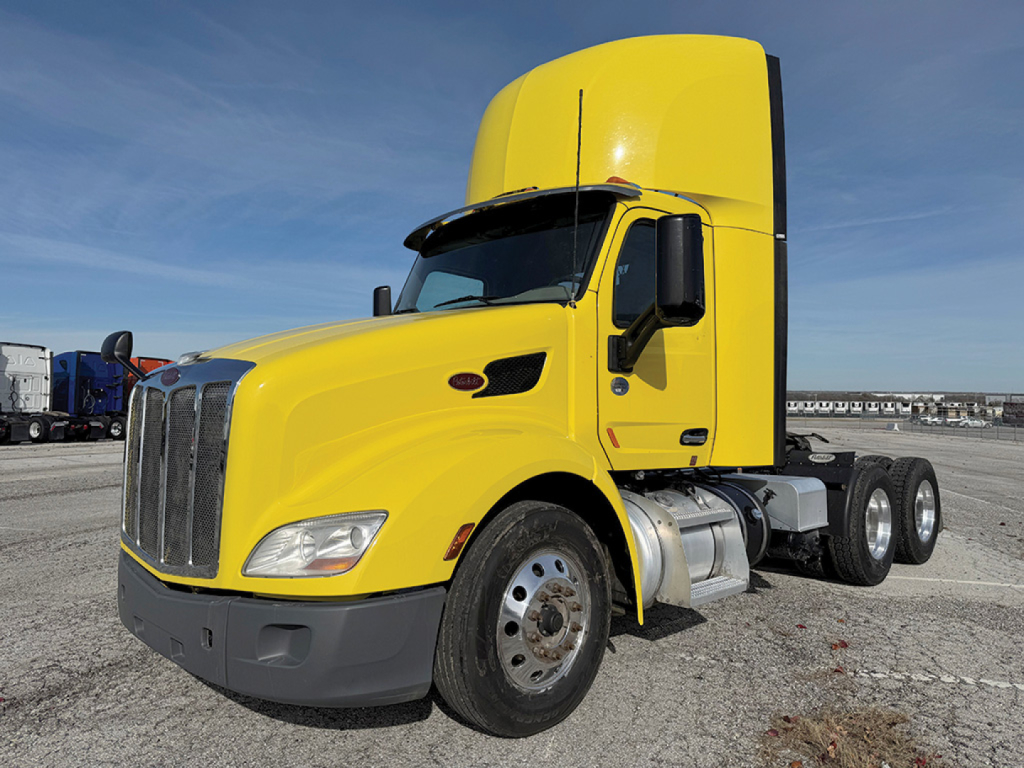
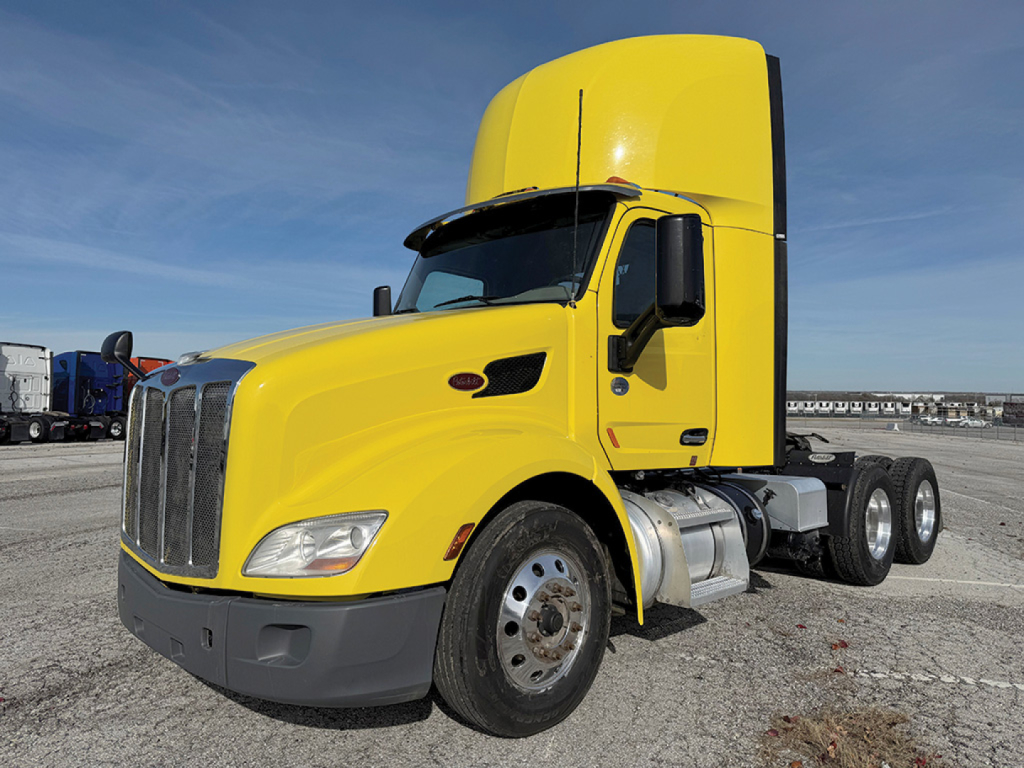
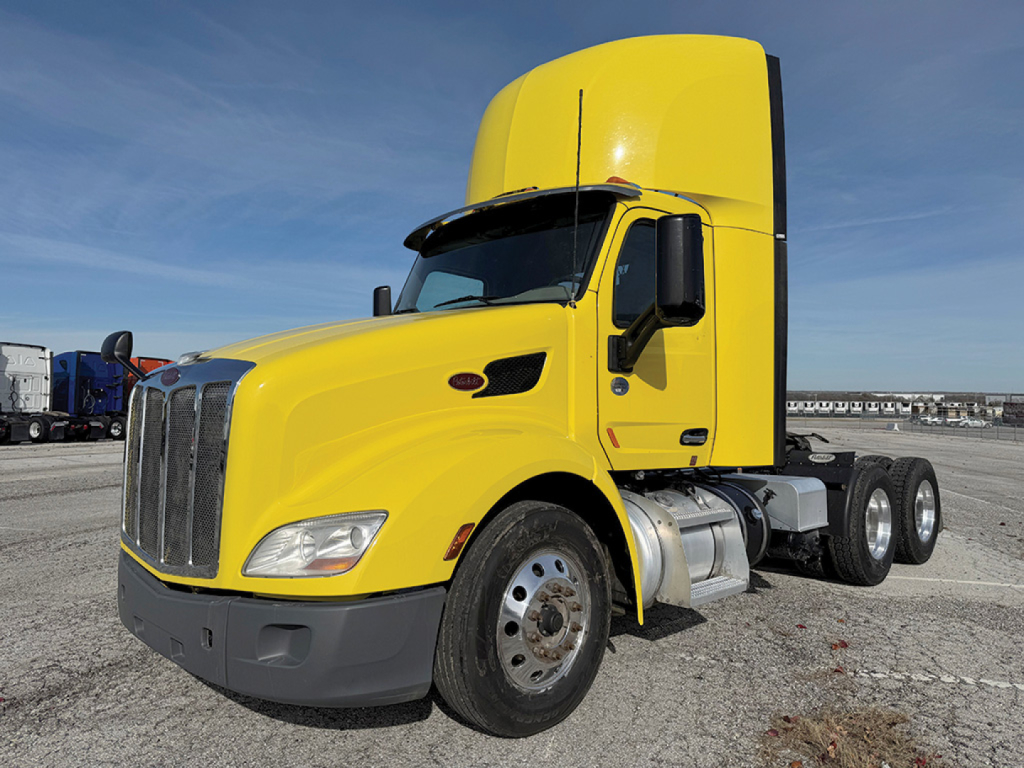
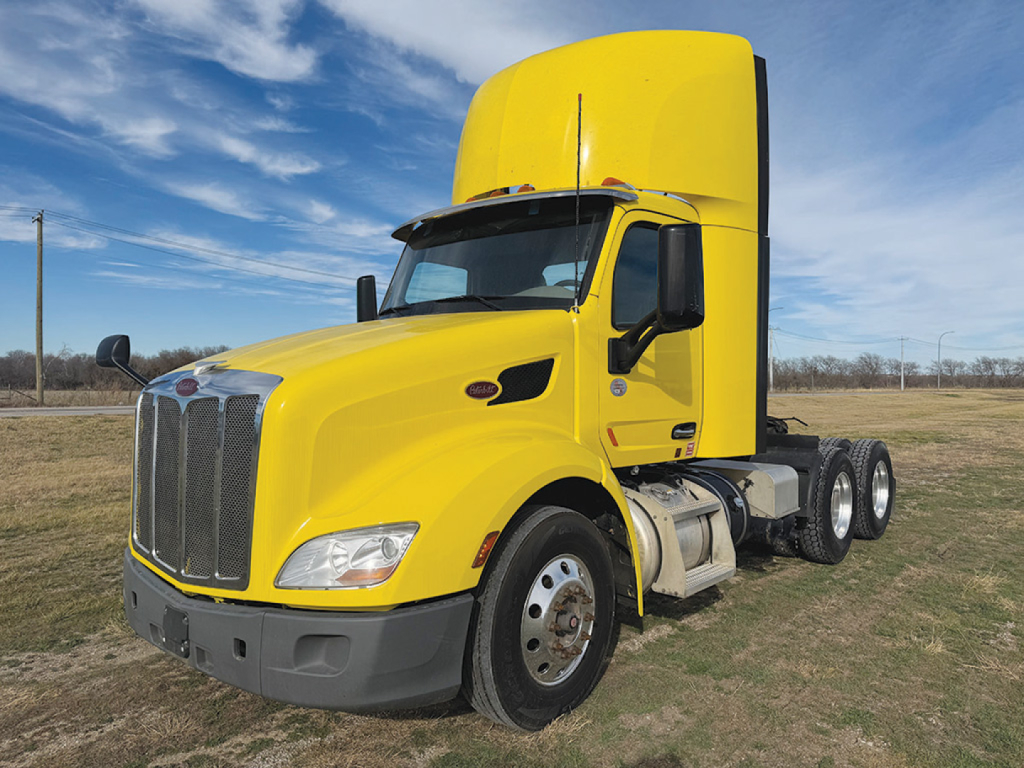
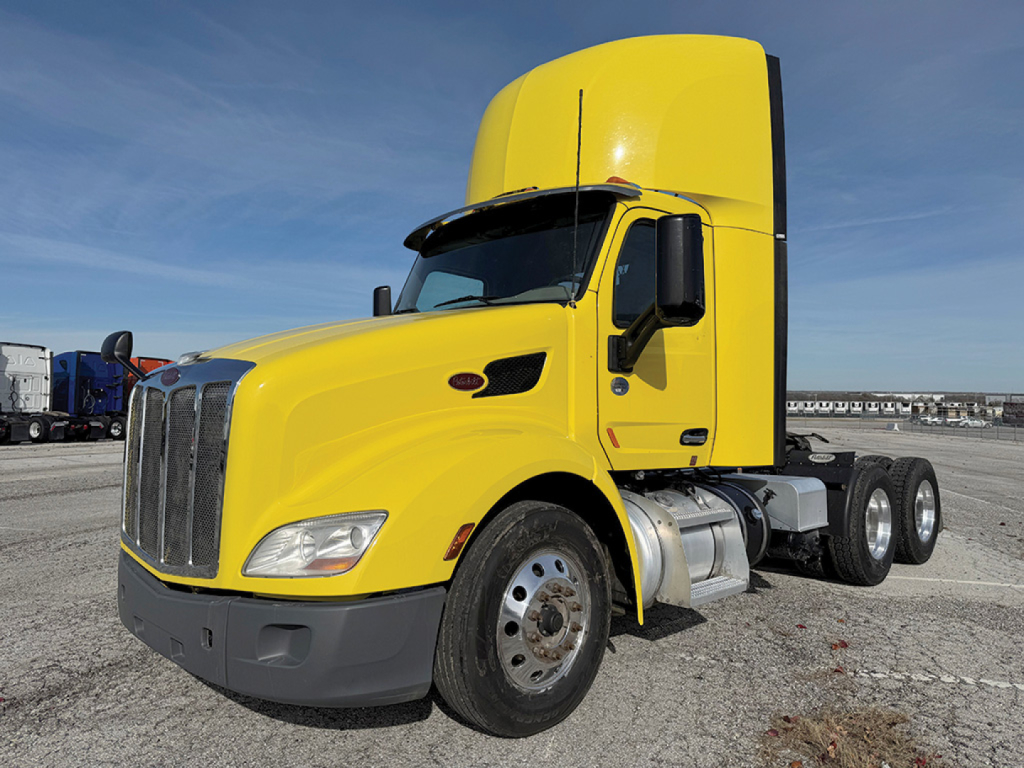
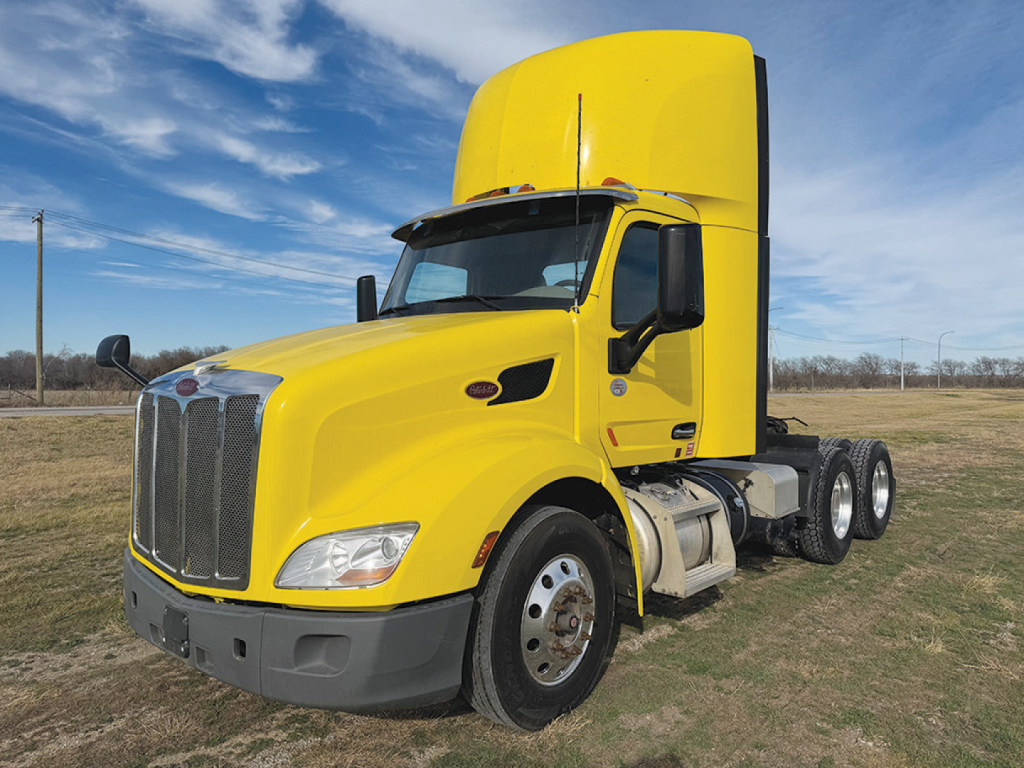
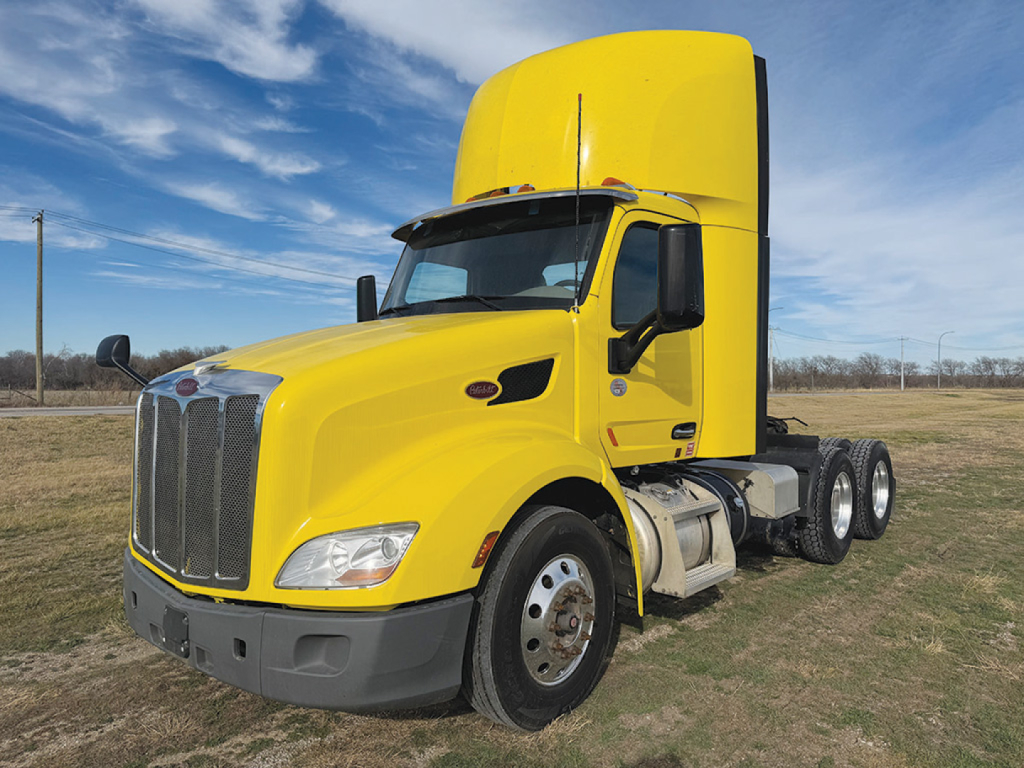
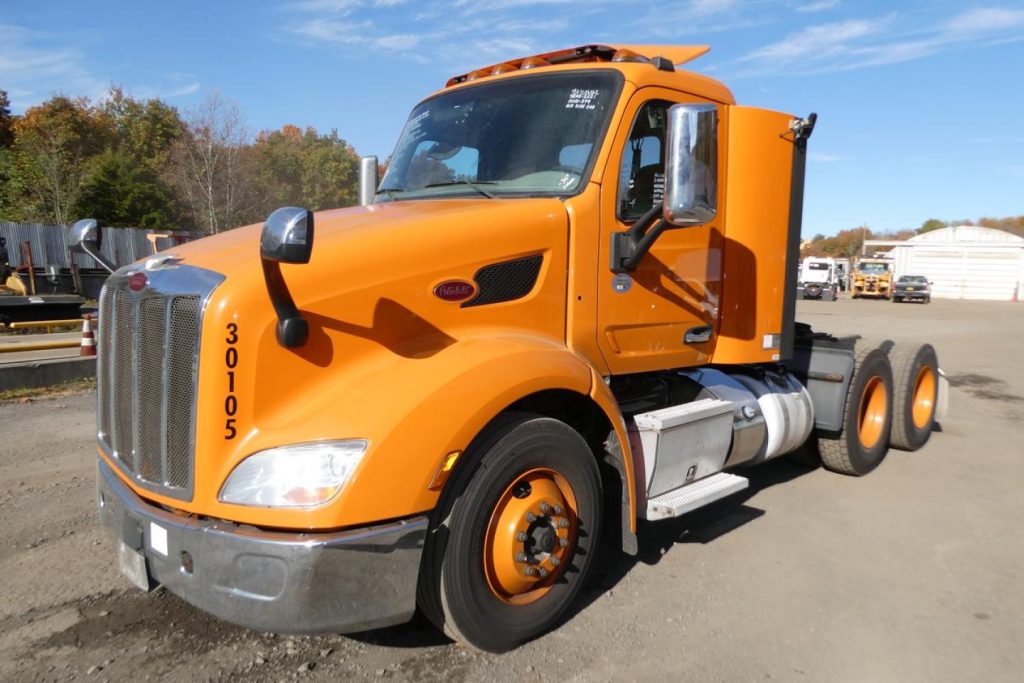
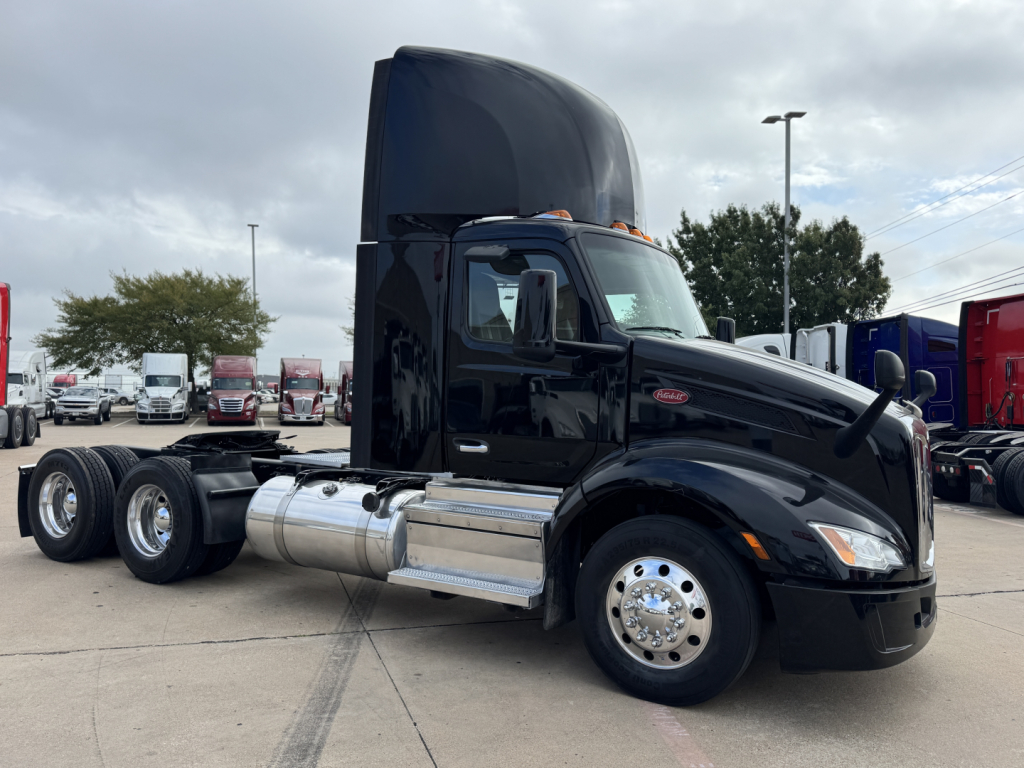
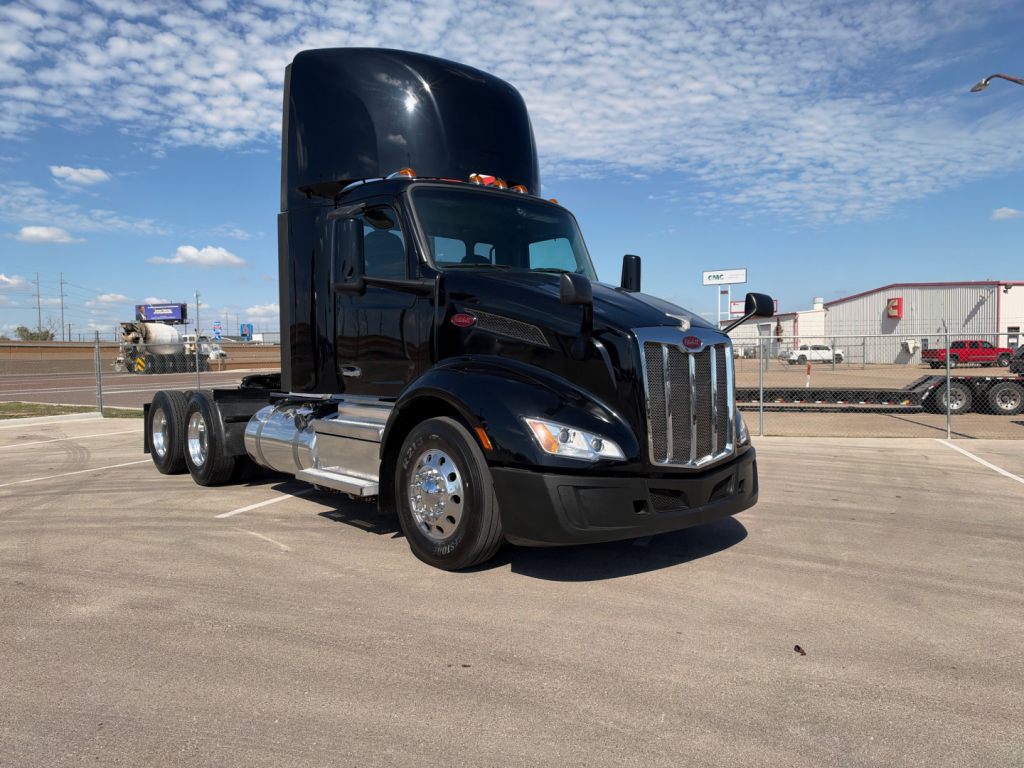
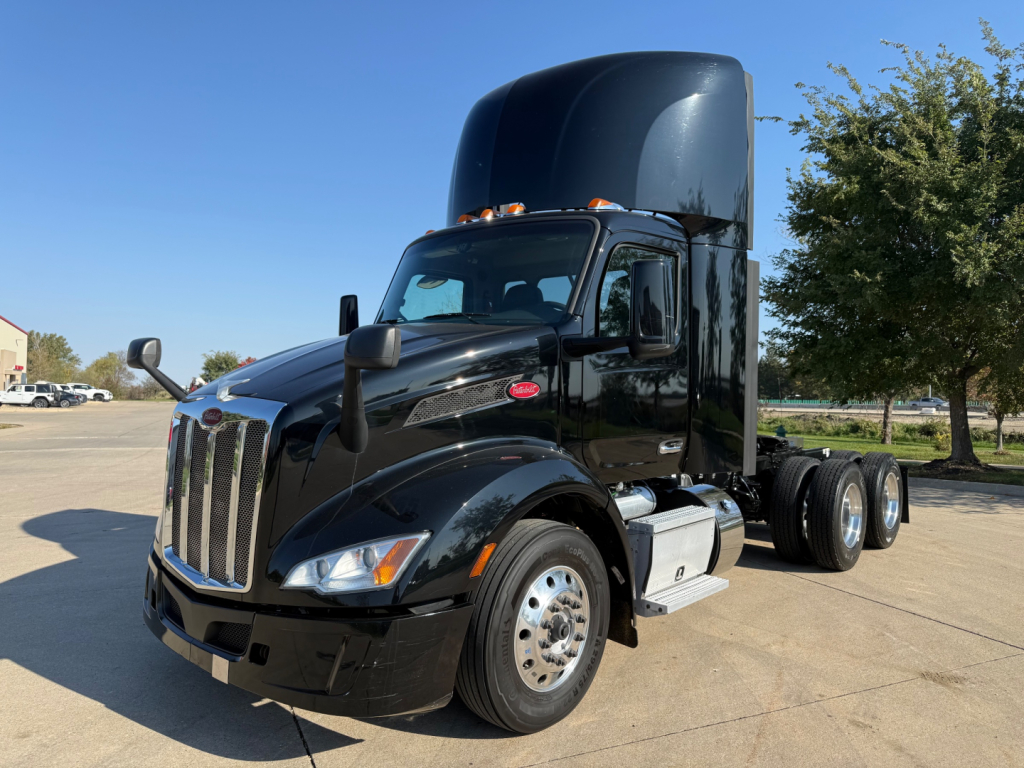
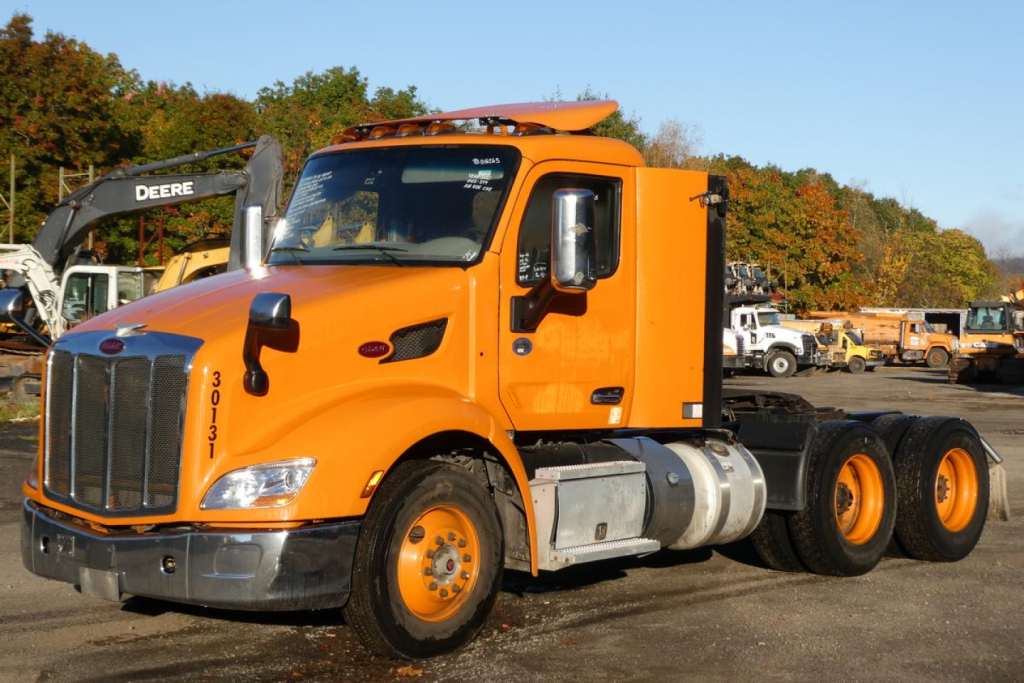
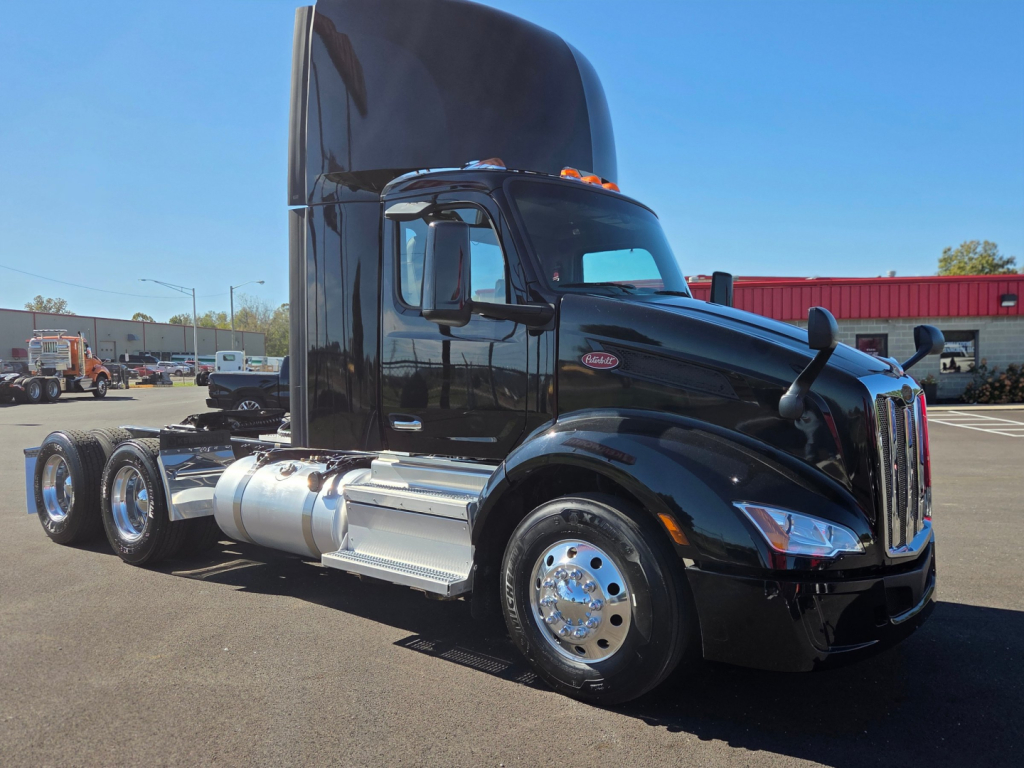
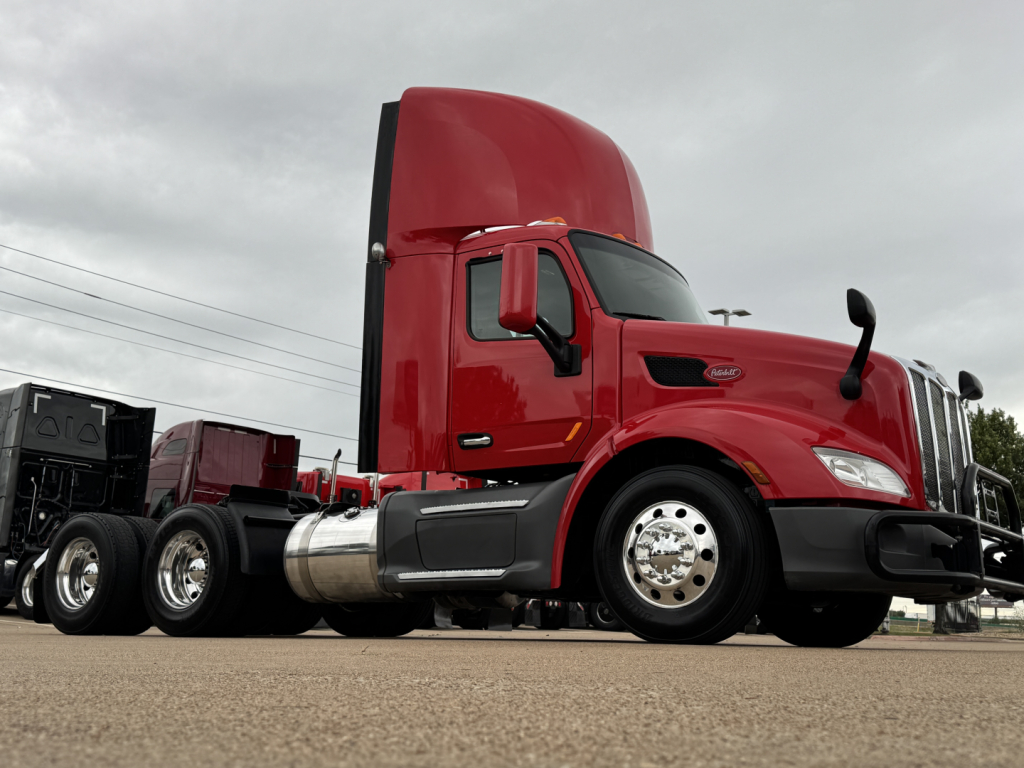
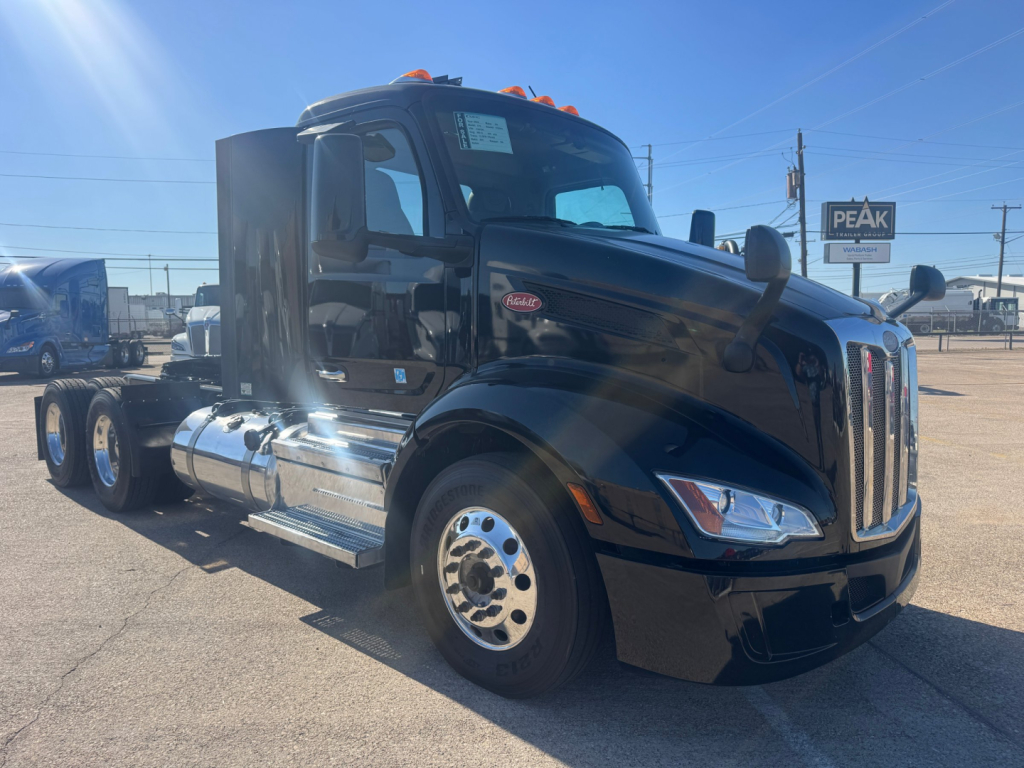
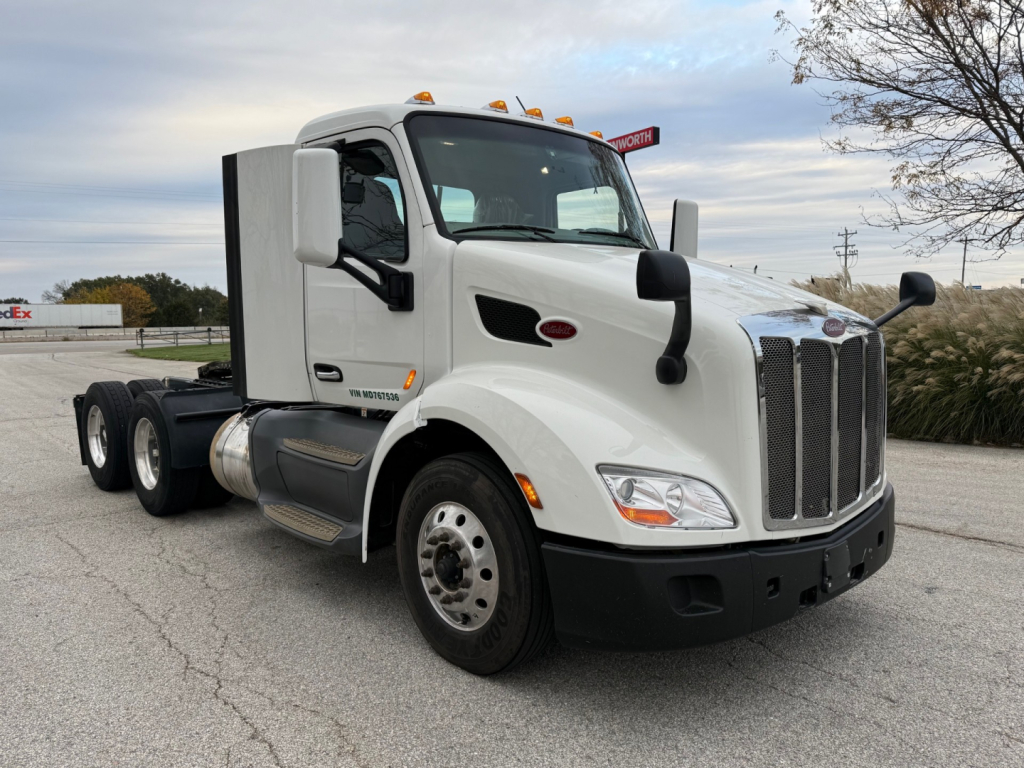
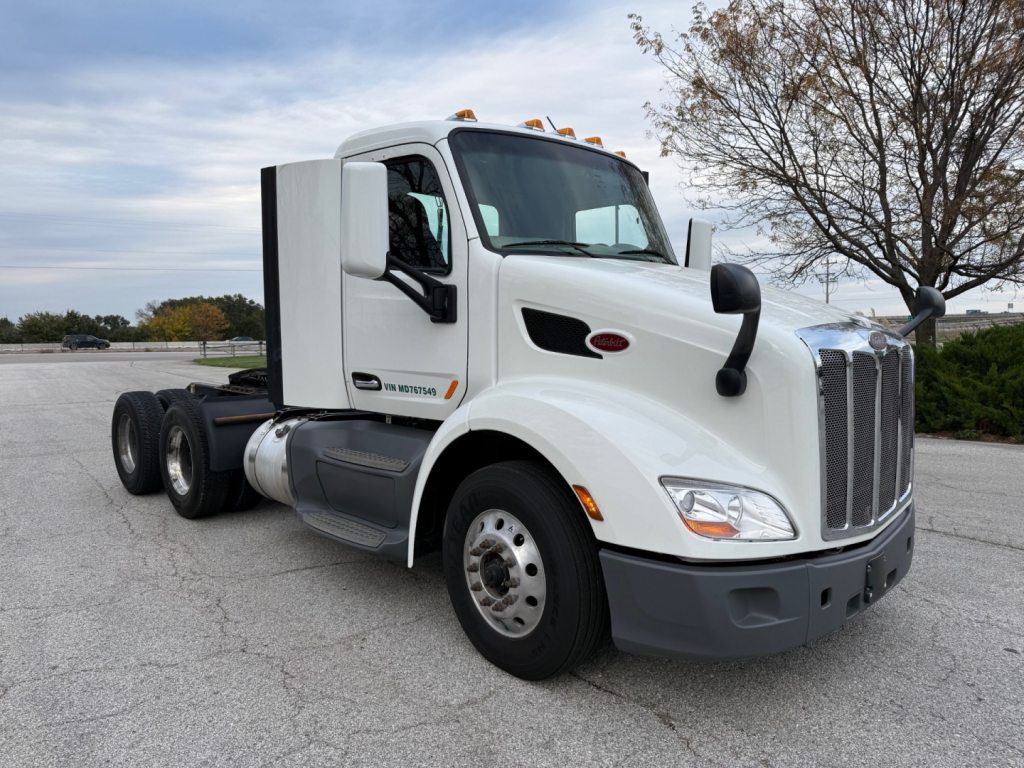
Showing 1 to 28 of 50 results
Selling a peterbilt conventional day cab truck? List your peterbilt conventional day cab truck for sale and reach thousands of commercial buyers.
Peterbilt Conventional Day Cab Trucks
Choose gearing around loaded starts, cruising speed, terrain, and tire size rather than horsepower alone. PACCAR MX-13 engines are common in later 579 tractors, while Cummins ISX, ISX15, and X15 engines appear across different Peterbilt models and production eras. Eaton Fuller manuals and automated transmissions, including PACCAR 12-speed units in appropriate later configurations, require different operating and inspection approaches. A highway-oriented low numerical axle ratio needs the correct transmission pairing; heavy starts and steep grades demand adequate startability. Verify the original build sheet and installed components.
A shorter wheelbase helps maneuver around loading docks, but trailer swing clearance, landing-gear clearance, and steer-axle loading still need checking. Longer conventional tractors can accommodate additional equipment or axle arrangements but require more turning room. Match fifth-wheel height to the trailer and confirm usable slider travel with the intended load. For aggregate, bulk, or equipment hauling, establish GCWR, individual axle ratings, suspension capacity, and any wet-kit requirements before choosing a chassis. Component ratings do not override state, provincial, bridge-formula, or route-specific weight limits.
Used Peterbilt day cab tractors need an ECM download showing mileage, engine hours, idle time, and fault history, backed by service records. Inspect fifth-wheel mounts, frame rails, cab mounts, steering components, suspension bushings, and driveline joints for hard local-service wear. EPA 2007-era engines generally brought diesel particulate filters, while most EPA 2010-and-later highway diesels use SCR and DEF. Check regeneration history and documented aftertreatment repairs where equipped. Cold-start behavior, cooling-system pressure testing, and a loaded road test reveal problems that clean paint and an unloaded drive can hide.
For new trucks, specify PTO provisions, axle ratios, fuel capacity, cold-weather equipment, and trailer connections before ordering; review chassis, engine, transmission, and aftertreatment warranty terms separately. The United States generally applies a 12% federal excise tax to qualifying new heavy truck tractors, unlike Canadian tax treatment. Across the Snow Belt and Canadian winter routes, inspect used frames, air tanks, wiring, and brake hardware for salt damage. California operation requires a separate emissions-compliance check, while mountain routes put greater emphasis on engine braking, cooling capacity, and suitable gearing.
Frequently Asked Questions about Peterbilt Conventional Day Cab Trucks
Can a Peterbilt day cab pull an end dump trailer?
A Peterbilt day cab tractor can pull an end dump when the chassis ratings, fifth wheel, and hydraulic wet kit match the trailer. Confirm transmission PTO compatibility, pump output, reservoir capacity, and the trailer manufacturer's hydraulic requirements. Inspect hose routing and couplers for damage or contamination. Dumping also requires stable ground and proper alignment; extra horsepower does not compensate for an unsuitable chassis or unsafe dumping conditions.
Should I choose a 6x2 or 6x4 Peterbilt day cab?
A 6x4 Peterbilt day cab is usually the better choice for frequent starts on gravel, snow, mud, or steep grades because both rear axles provide drive traction. A 6x2 has only one driven rear axle and can suit paved regional work where weight and efficiency matter. Verify the actual axle arrangement, differential locks, and any load-transfer controls rather than assuming every tandem-axle tractor is a 6x4.
How can I tell whether a Peterbilt day cab was converted from a sleeper?
The original Peterbilt build record is the best starting point for identifying a sleeper-to-day-cab conversion. Compare the factory cab configuration and wheelbase with the truck's current layout. Inspect the rear cab panel, weather sealing, cab mounts, wiring, and any frame alterations. A properly engineered conversion can serve well, but the workmanship and documentation matter more than whether the finished cab looks factory-built.
Can an older Peterbilt day cab operate in California?
Most diesel Peterbilt day cab tractors over 26,000 pounds GVWR need a 2010-or-newer emissions-compliant engine to meet California's Truck and Bus Regulation, unless a valid exemption applies. Chassis model year alone does not establish compliance. Verify the engine label, applicable CARB records, and Clean Truck Check requirements before purchase. Port and rail drayage operations can carry additional requirements, so highway eligibility does not automatically establish drayage eligibility.
What should I check on a used Peterbilt with an automated transmission?
A loaded low-speed test and a transmission diagnostic report are essential checks on a used Peterbilt day cab with an automated transmission. Test forward and reverse engagement, dock approach, hill starts, and shifts through the operating range. Review clutch condition or wear data where supported, actuator faults, software status, and calibration history. Automated manuals still have clutch and shifting components that can wear heavily in stop-and-go service.