
Peterbilt Conventional Daycab Trucks For Sale in Georgia
Shop Peterbilt conventional daycab trucks in Georgia. Compare specs, wheelbases, engines, axles, and vocational-ready configurations.
Selling a peterbilt conventional daycab truck? List your peterbilt conventional daycab truck for sale and reach thousands of commercial buyers.
Peterbilt Conventional Daycab Trucks in Georgia
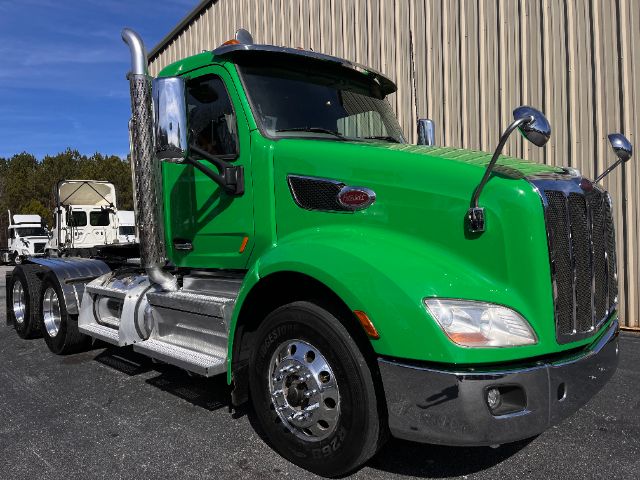
Peterbilt daycabs in the conventional class are often built on proven highway platforms such as the 579, with 6x4 tandem rear axles, air ride suspension, and front axle ratings around 12,000 pounds. Common engine choices include Cummins and PACCAR MX series diesels, with horsepower often falling in the 400 to 500 HP range for general freight and heavier vocational pulls. Automated and fully automatic transmissions are popular in regional service because they reduce driver fatigue and can help with training and consistency across a fleet. Features like an air slide fifth wheel, engine brake, aluminum wheels, low-profile 22.5 tires, and air ride cab and seat setups are also common on used Peterbilt daycabs because they support driver comfort and quick trailer matching.
For buyers comparing listings, the important details are usually in the setup rather than just the badge on the hood. A shorter wheelbase can be a better fit for urban delivery, port drayage, and jobsite access, while a longer wheelbase may ride better and leave room for frame-mounted equipment such as wet kits, headache racks, or hydraulic components. If the truck will pull end dumps, live floors, lowboys, or other hydraulic trailers, confirm that the PTO and wet kit are already installed and matched to the intended application. Rear axle ratio, suspension spec, fifth wheel travel, and tire size all affect how the truck performs under load, especially if it will spend time on uneven yards, in aggregate service, or moving between highway and off-road conditions.
Condition still matters more than cosmetics on a used daycab. Engine history, emissions system maintenance, clutch or transmission service, turbo replacement, brake life, tire condition, and signs of frame or suspension wear deserve close review. Peterbilt trucks hold strong appeal because of driver acceptance, parts support, and a chassis design that adapts well to both linehaul and vocational work. A well-specced conventional daycab can serve as a straightforward fleet tractor, a heavy regional puller, or a specialized local truck, provided the wheelbase, powertrain, and vocational equipment match the job.
Frequently Asked Questions about Peterbilt Conventional Daycab Trucks in Georgia
What is a Peterbilt conventional daycab truck best suited for?
A Peterbilt conventional daycab is best suited for local and regional work where the driver returns daily and does not need a sleeper. Common uses include dedicated freight lanes, port and container work, tanker service, dump and construction hauling, and short-haul agricultural transport. The daycab design improves maneuverability and reduces empty weight, which makes it a practical choice for operations that value payload, access, and frequent stops over overnight accommodations.
Which specs matter most when buying a used Peterbilt daycab?
The most important specs are wheelbase, axle configuration, engine, transmission, rear axle ratio, suspension type, and fifth wheel setup. Those items determine turning radius, ride quality, trailer compatibility, launch under load, and highway efficiency. Buyers should also check front and rear axle ratings, tire size, PTO or wet kit equipment if needed, and the condition of emissions and drivetrain components. A clean spec match saves more money long term than buying a truck with the wrong gearing or frame layout.
Are Peterbilt 579 daycabs only for highway freight?
No. The Peterbilt 579 is widely recognized as a highway platform, but many daycab configurations are used in vocational and mixed-duty service. With the right wheelbase, suspension, axle ratings, and hydraulic setup, a 579 daycab can be used for tanker, flatbed, dump trailer, container, and equipment-hauling applications. The key is not the model name alone but how the truck was ordered and whether its frame and powertrain match the work.
Should I choose an automatic transmission in a daycab?
An automatic or automated transmission is a strong fit for most daycab applications, especially regional routes, urban freight, and fleets managing multiple drivers. It reduces fatigue in traffic, helps with consistency, and can simplify driver onboarding. A manual may still appeal in certain vocational uses or for buyers with a strong preference for direct gear control, but many modern used daycabs are equipped with automatics because they perform well in stop-and-go and highway service alike.
Why would a daycab need a wet kit?
A wet kit is needed when the truck will power hydraulic trailer functions such as end dump, live floor, moving floor, walking floor, or some lowboy and detachable trailer systems. If that application is part of the job, having a daycab already equipped with the correct PTO, pump, tank, and lines can reduce upfit cost and downtime. Buyers should verify that the hydraulic system capacity and controls are appropriate for the trailer type they plan to run.