
2021 Peterbilt Conventional Daycab Trucks For Sale
Shop 2021 Peterbilt conventional daycab trucks. Compare 579 and 389 specs, wheelbases, engine options, transmissions, and axle setups.
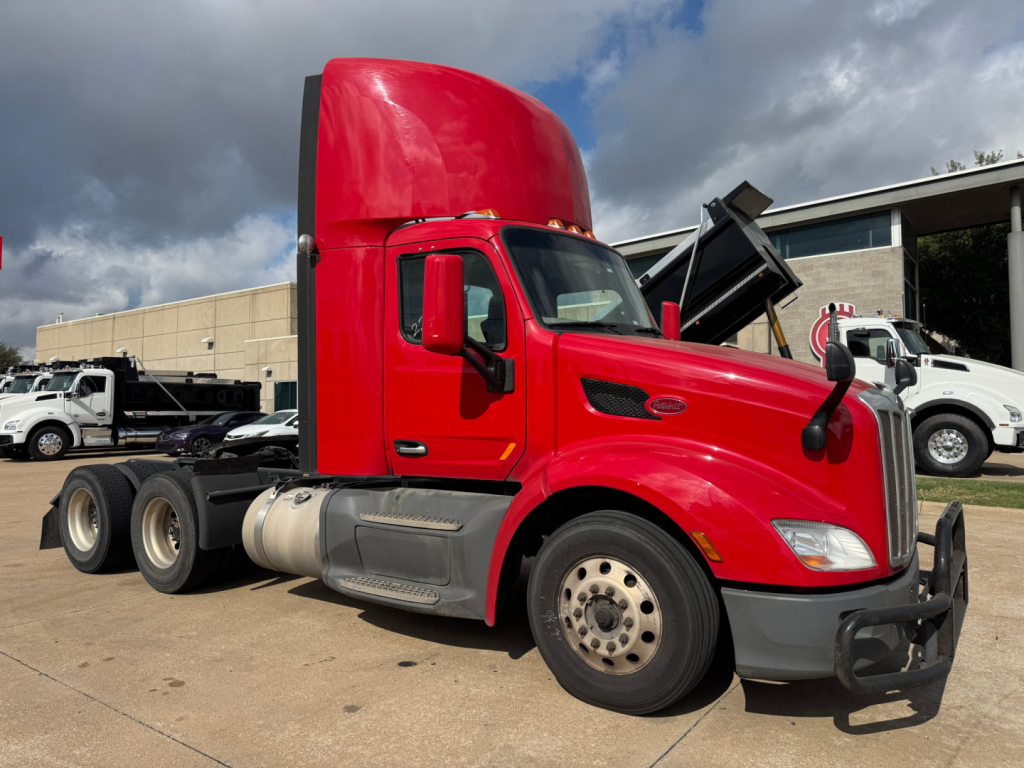
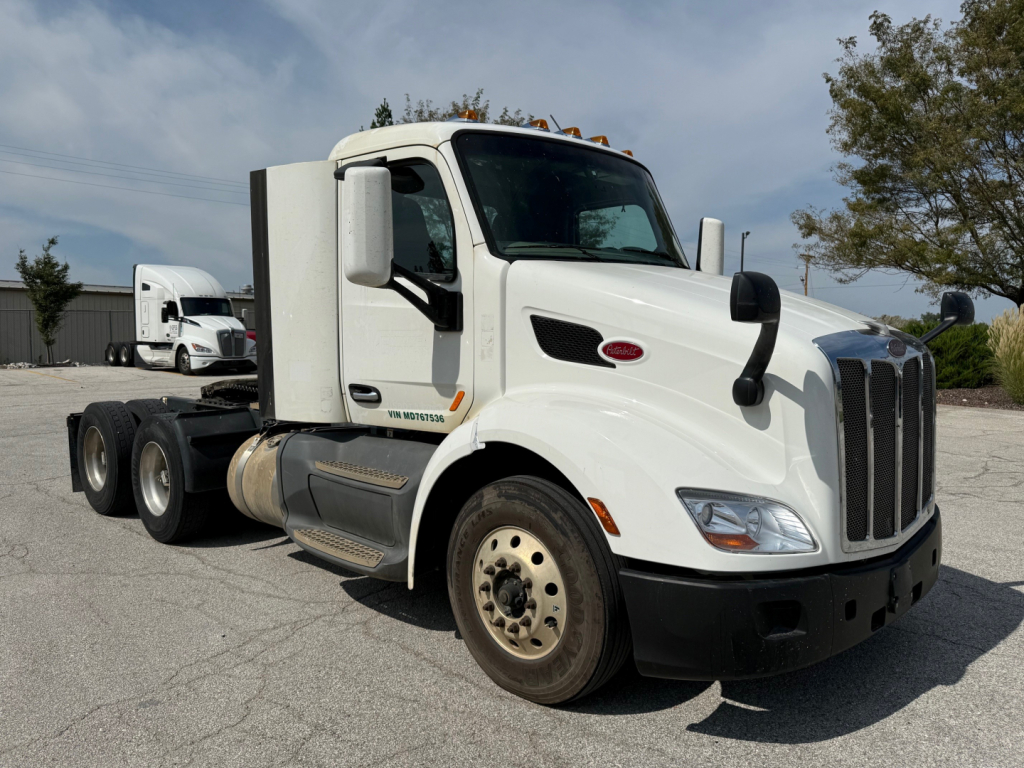
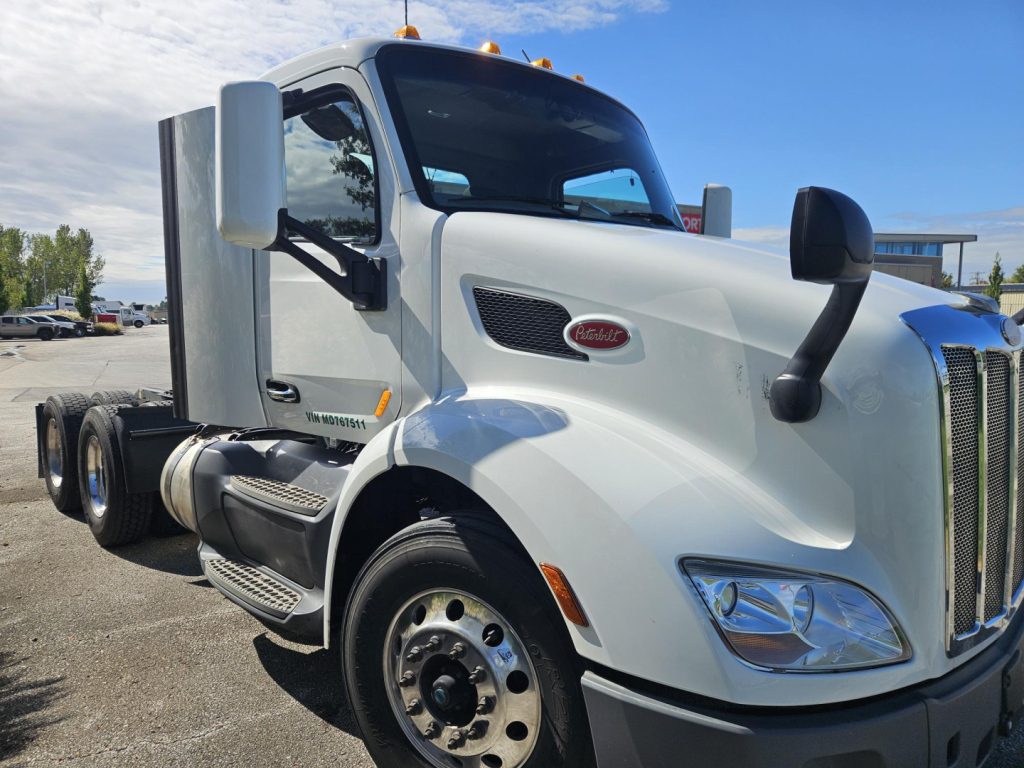
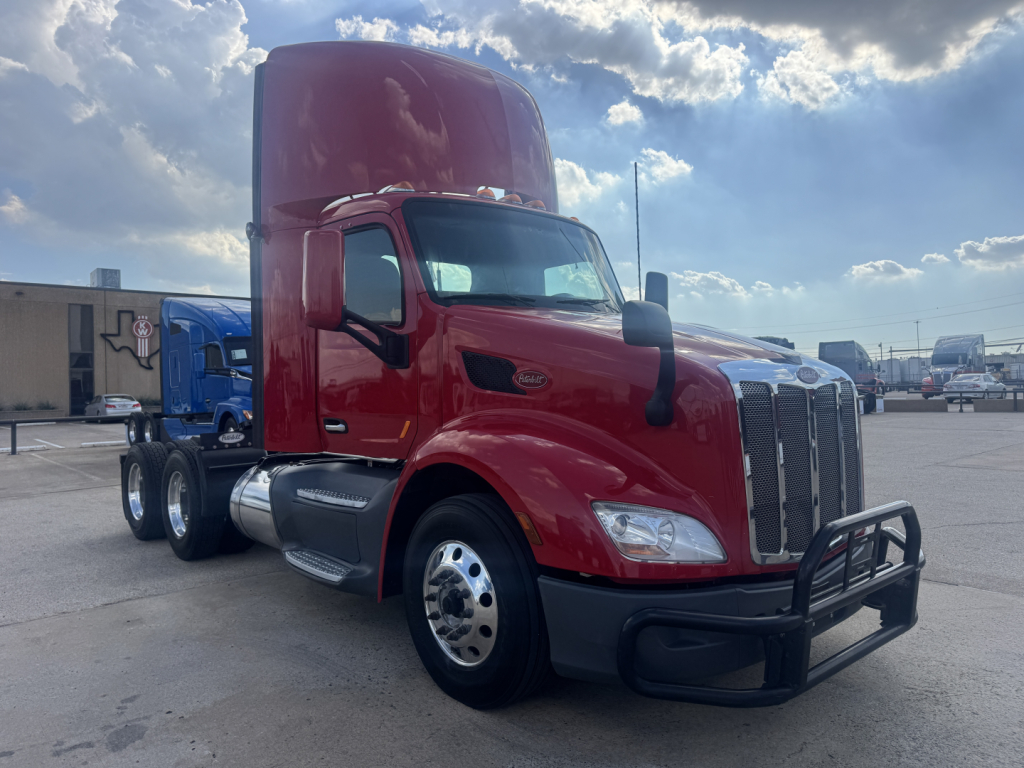
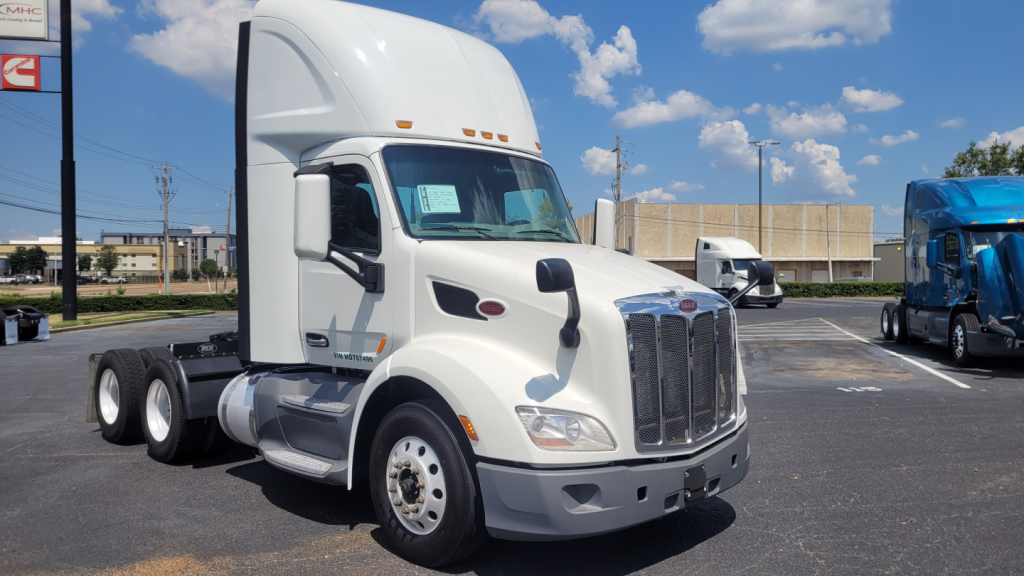
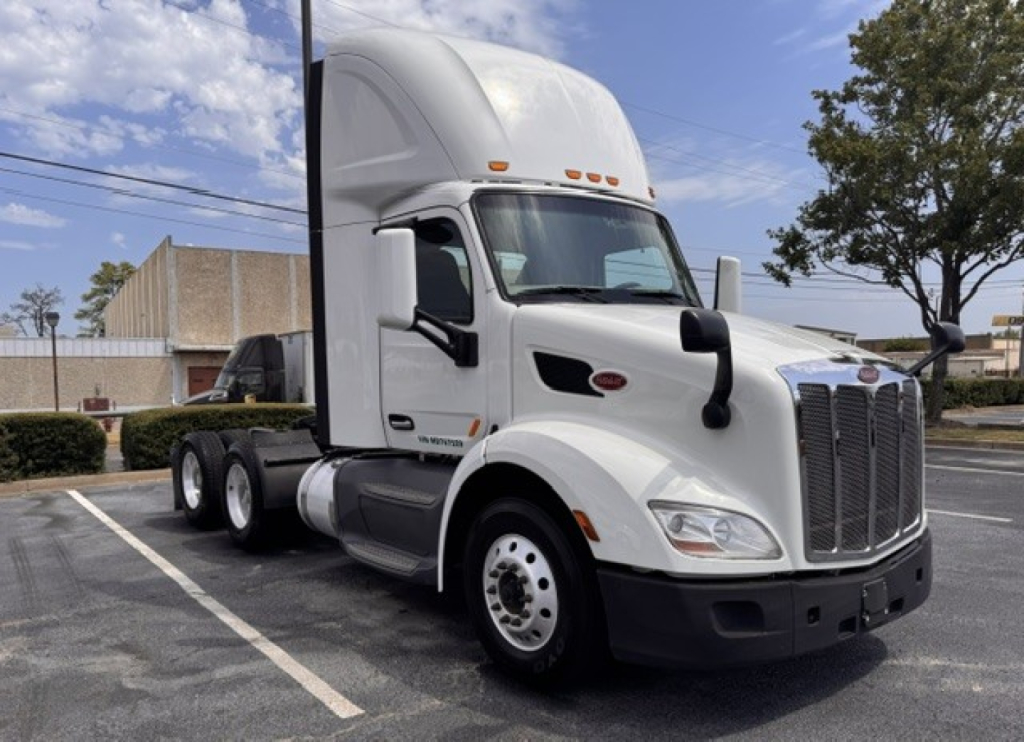

Selling a 2021 peterbilt conventional daycab truck? List your 2021 peterbilt conventional daycab truck for sale and reach thousands of commercial buyers.
2021 Peterbilt Conventional Daycab Trucks
The main spec decisions start with engine, transmission, wheelbase, and rear axle ratio. Common 2021 Peterbilt daycab engines include the PACCAR MX-13 and Cummins X15, usually in horsepower ranges suited to anything from van freight to heavier gross combination weights. Transmission choices often include Eaton Fuller manual, automated manual, and in some configurations an Allison automatic for vocational crossover use. A shorter wheelbase helps maneuverability in city delivery, container yards, and tight customer docks, while a longer wheelbase can improve ride quality, deck clearance, and fuel tank capacity. Buyers should also verify front axle capacity, tandem rating, suspension type, brake configuration, and fifth wheel style, especially if the truck will see mixed trailer lengths or changing kingpin settings.
Peterbilt daycabs from this era are known for a driver-friendly cab layout, strong resale demand, and broad parts and service support. On a 2021 model, condition matters as much as badge and trim. Review engine hours against miles, maintenance history, aftertreatment status, and clutch or AMT service records. Pay close attention to DPF and SCR service intervals, coolant history, steer tire wear patterns, and signs of suspension or alignment issues. If the truck has an air-slide fifth wheel, check travel and locking operation. If it has disc brakes, inspect rotor and caliper condition; if drums, confirm lining life and bushing wear. For fleet buyers, telematics compatibility, collision mitigation systems, and ELD readiness may also be part of the purchasing decision.
For many operations, a 2021 Peterbilt conventional daycab hits a useful middle ground between modern emissions-era efficiency and proven on-road spec flexibility. The best truck depends on lane, payload, trailer mix, and terrain. A fuel-conscious regional carrier may prioritize an aerodynamic roofline, lower ride height, and direct-drive gearing. A heavier haul or rugged local application may call for more horsepower, an 18-speed, higher axle ratings, lockers, and a more substantial frame spec. Matching the truck to the job is what determines long-term operating cost, uptime, and driver acceptance.
Frequently Asked Questions about 2021 Peterbilt Conventional Daycab Trucks
What is the difference between a Peterbilt 579 daycab and a Peterbilt 389 daycab?
The Peterbilt 579 daycab is generally the aerodynamic choice, designed for fuel efficiency, regional freight, and highway use with modern fleet-oriented specs. The Peterbilt 389 daycab is the long-hood conventional option, often selected for heavier-duty applications, owner-operator appeal, and more traditional styling. In practical terms, buyers usually look at a 579 for fuel economy and tight operating cost control, while a 389 is more common when appearance, heavier drivetrain options, or specialized hauling requirements matter more.
What engine and transmission options are common in a 2021 Peterbilt conventional daycab?
Common engine choices in a 2021 Peterbilt daycab include the PACCAR MX-13 and Cummins X15, with horsepower ratings that can support standard van freight, tanker work, bulk hauling, and heavier GCW applications. Transmission options often include Eaton Fuller manual gearboxes and automated manual transmissions, with some vocational or local-duty builds using an automatic. The right combination depends on route profile, driver preference, start-stop frequency, and the loaded weight the truck will pull on a regular basis.
What wheelbase should I look for in a 2021 Peterbilt daycab?
Wheelbase should match the operating environment and trailer setup. A shorter wheelbase is typically better for city maneuverability, port work, and customers with tight dock access. A longer wheelbase can improve ride quality, provide room for larger fuel tanks, and help with weight distribution depending on trailer kingpin setting and axle placement. Buyers should also consider bridge laws, cab-to-axle measurement, and how often the truck will switch between trailer types.
Are 2021 Peterbilt daycabs good for regional and local hauling?
Yes. A 2021 Peterbilt conventional daycab is well suited for regional haul, dedicated short-to-mid range lanes, local shuttle work, and applications where the truck returns to base rather than needing sleeper accommodations. The platform is especially attractive for operations that want a highway tractor with better maneuverability, lower empty weight than some vocational units, and a cab designed for driver comfort over repeated daily runs.
What should I inspect first on a used 2021 Peterbilt daycab?
Start with maintenance records, engine diagnostics, and emissions-system history. On a 2021 truck, the aftertreatment system, including DPF and SCR components, should be reviewed carefully along with coolant service records and any fault-code history. Then inspect clutch wear or AMT service data, suspension condition, brake type and remaining life, steer and drive tire wear, and fifth wheel operation. Mileage alone does not tell the full story; service history and application use are often better indicators of remaining life and expected repair cost.