
Peterbilt Conventional Daycab Trucks For Sale in California
Browse Peterbilt conventional daycab trucks in California. Compare popular models, engine options, axle setups, and specs for regional haul work.
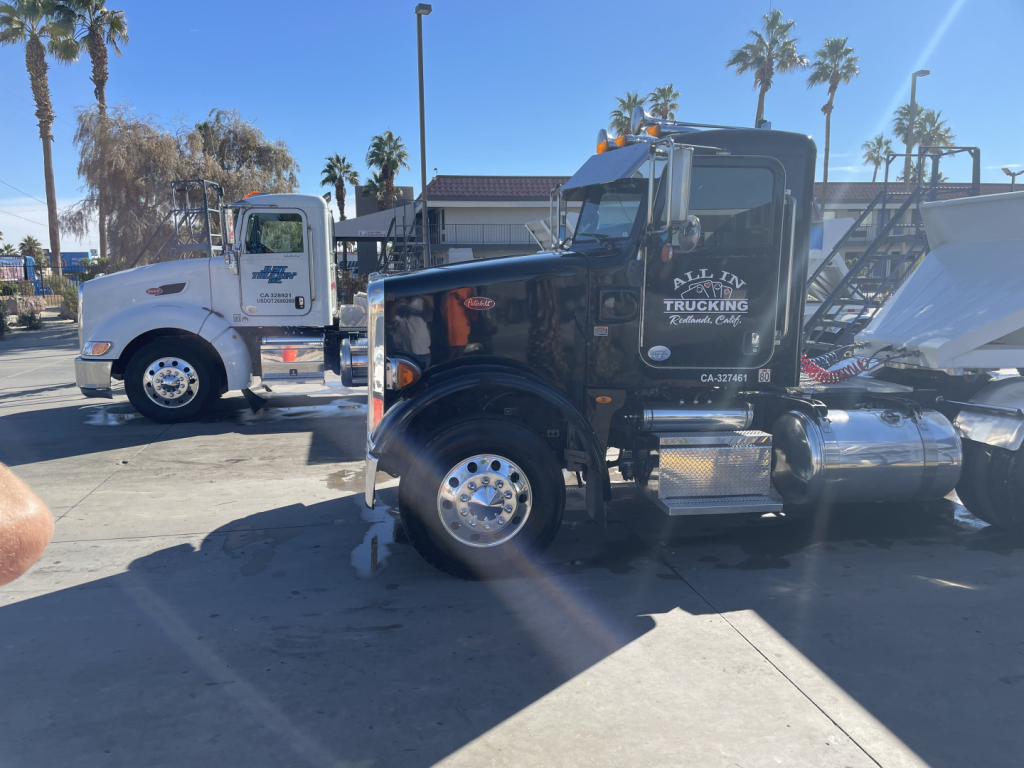
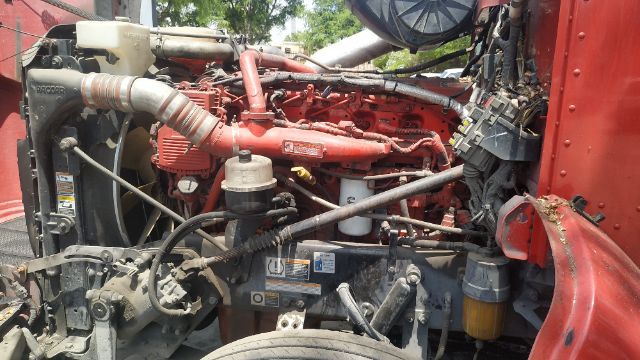

Selling a peterbilt conventional daycab truck? List your peterbilt conventional daycab truck for sale and reach thousands of commercial buyers.
Peterbilt Conventional Daycab Trucks in California
Spec differences matter more than the badge on the hood. Many Peterbilt daycabs are equipped with Cummins ISX or PACCAR MX series engines, often paired with 10-speed manual or automated transmissions and 6x4 tandem drive axles. Buyers in this category should look closely at horsepower and torque ratings, rear axle ratio, suspension type, fuel capacity, and whether the truck is set up with duals or super singles. A shorter wheelbase generally helps in urban work and dock approach angles, while a longer wheelbase can improve ride quality and frame space for tanks, DEF, wet kits, or additional equipment. Interior trim is usually straightforward, but comfort items like air ride seats, cruise control, engine brake, and good HVAC still matter on high-frequency regional routes.
California buyers should pay special attention to aftertreatment condition and engine history. DPF, SCR, and DEF systems can make or break uptime on later-model emissions trucks, and repair costs add up quickly if service records are thin. On used Peterbilt daycabs, it is smart to inspect for signs of recent engine work, blow-by, fault codes, cooling system condition, clutch wear, suspension play, and frame damage around the fifth wheel area. Tire spec also deserves attention because super singles versus duals changes replacement cost, traction characteristics, and roadside service options. If the truck will pull a range of trailer lengths or operate at ports and distribution centers, confirm fifth wheel travel, frame height, and kingpin-to-cab clearance.
Peterbilt remains a strong choice in the conventional daycab segment because parts support is broad, resale is generally solid, and the trucks are familiar to most fleets and owner-operators. The best unit for the job is usually the one with the cleanest maintenance background and the right drivetrain for the lane, not simply the newest model year. For California operations, that often means balancing emissions legality, fuel economy, turning radius, and durability under stop-and-go service. A properly spec'd Peterbilt daycab can be a productive tractor for short-haul and regional work for many years.
Frequently Asked Questions about Peterbilt Conventional Daycab Trucks in California
What are Peterbilt conventional daycab trucks typically used for?
Peterbilt conventional daycab trucks are commonly used for regional haul, local freight, drayage, tanker, flatbed, and dedicated route work. The absence of a sleeper reduces weight and shortens overall length, which helps in city traffic, tight yards, and frequent stop applications. They are a practical choice when the truck returns to base daily and does not need overnight accommodations.
Which engines are common in Peterbilt daycab trucks?
Common engine options in Peterbilt conventional daycabs include the Cummins ISX and PACCAR MX-13, with horsepower and torque varying by model year and application. Buyers should compare engine ratings with the intended payload, terrain, and average trip length. A regional tractor pulling mixed loads may prioritize fuel economy and emissions reliability, while a heavier vocational or port application may need stronger low-end torque and a more durable axle ratio.
What should I check on a used Peterbilt daycab in California?
Start with emissions equipment, engine diagnostics, and service history. In California, DPF, DEF, and SCR condition is especially important because compliance and repair costs can directly affect operability. Also inspect the clutch, transmission, driveline, suspension, steering components, cooling system, tires, and frame rails. If the truck has had an engine rebuild, confirm who performed the work, what parts were replaced, and whether documentation is available.
Is a 10-speed transmission a good fit for a Peterbilt daycab?
A 10-speed is a common and versatile spec for Peterbilt daycab tractors. It works well for regional and local applications where the truck sees a mix of highway and stop-and-go driving. The right transmission still depends on the engine rating, axle ratio, gross combination weight, and driver preference. For some operations, an automated manual may improve driver consistency and reduce clutch wear, while a manual 10-speed remains popular for simplicity and serviceability.
How do I choose between super singles and dual drive tires on a daycab tractor?
Super singles can reduce weight and may improve fuel economy, but replacement cost, roadside availability, and traction preferences should be considered. Dual drive tires remain common because they are familiar to most shops and can be easier to support in mixed fleet service. The best choice depends on route type, maintenance plan, payload sensitivity, and the level of tire support available in the areas where the truck operates.