
Peterbilt Conventional Day Cab Trucks For Sale in Iowa
Compare Peterbilt conventional day cab trucks for sale in Iowa by gearing, axle ratings, corrosion history, and emissions equipment for local hauling.
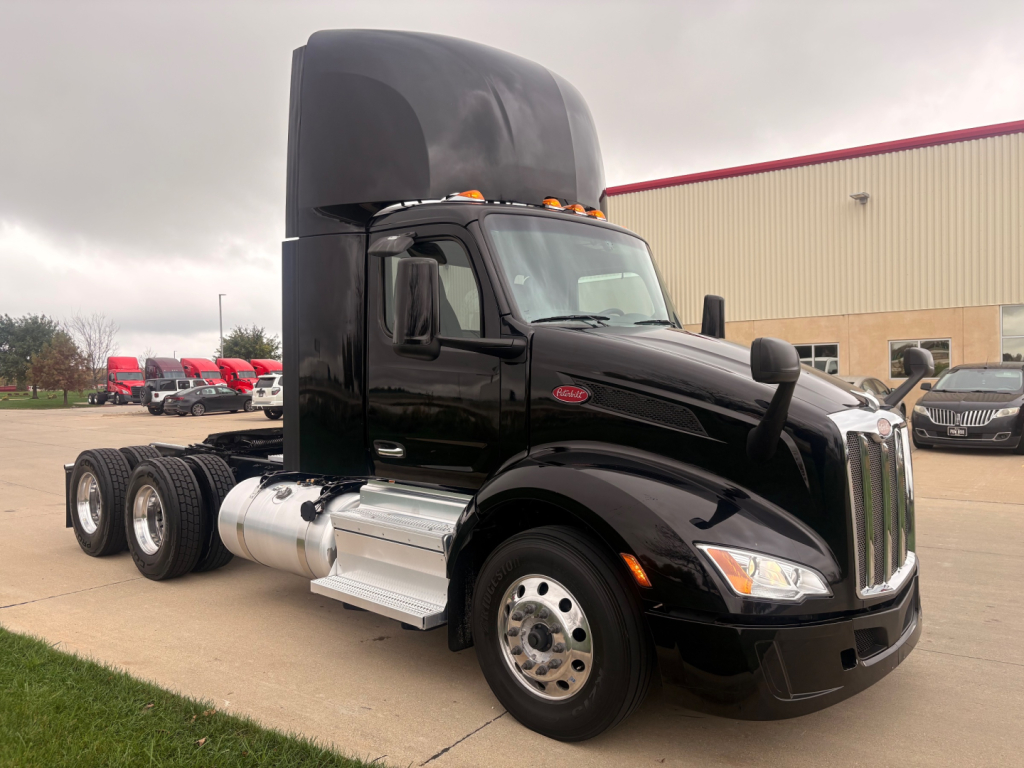
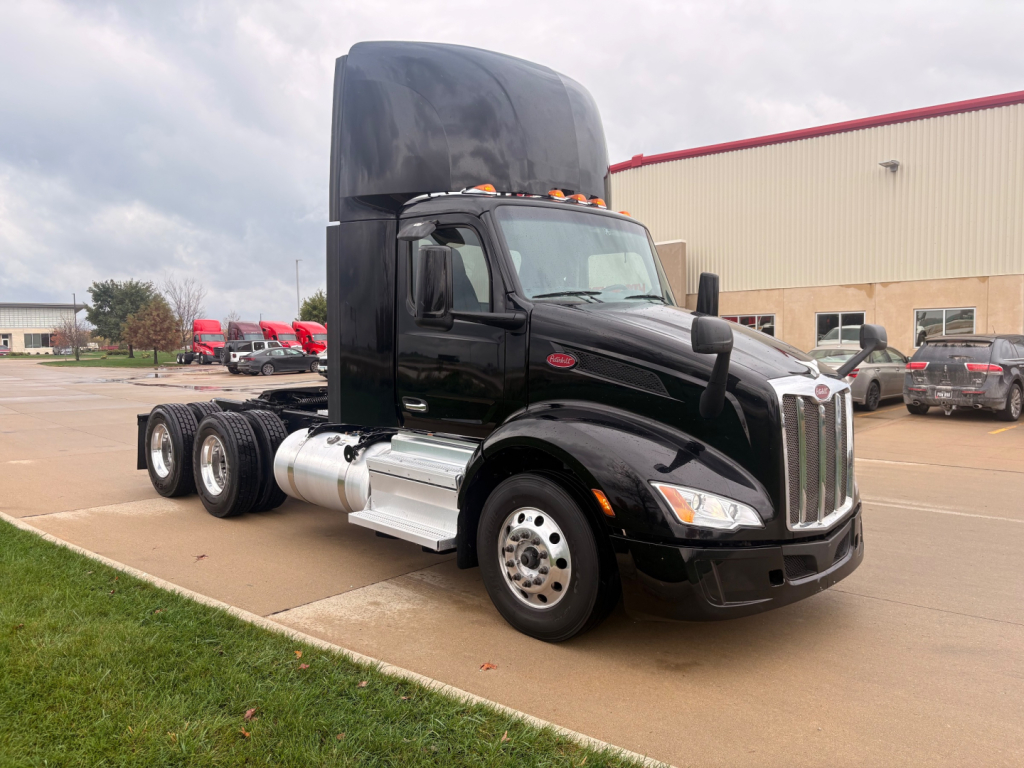
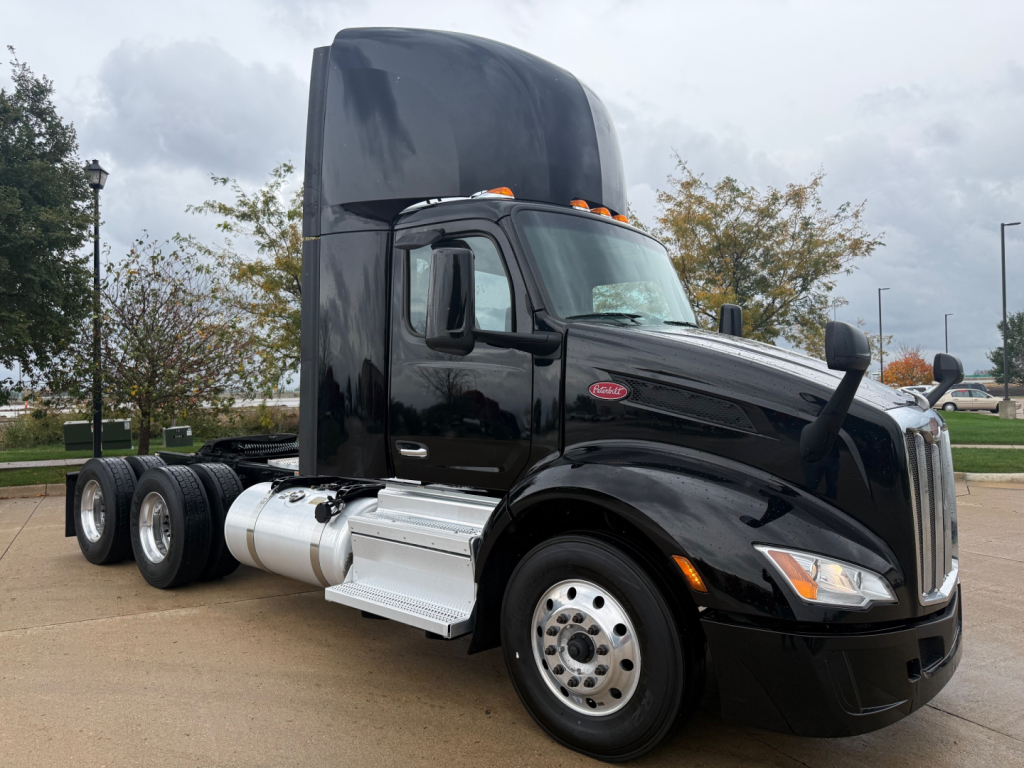
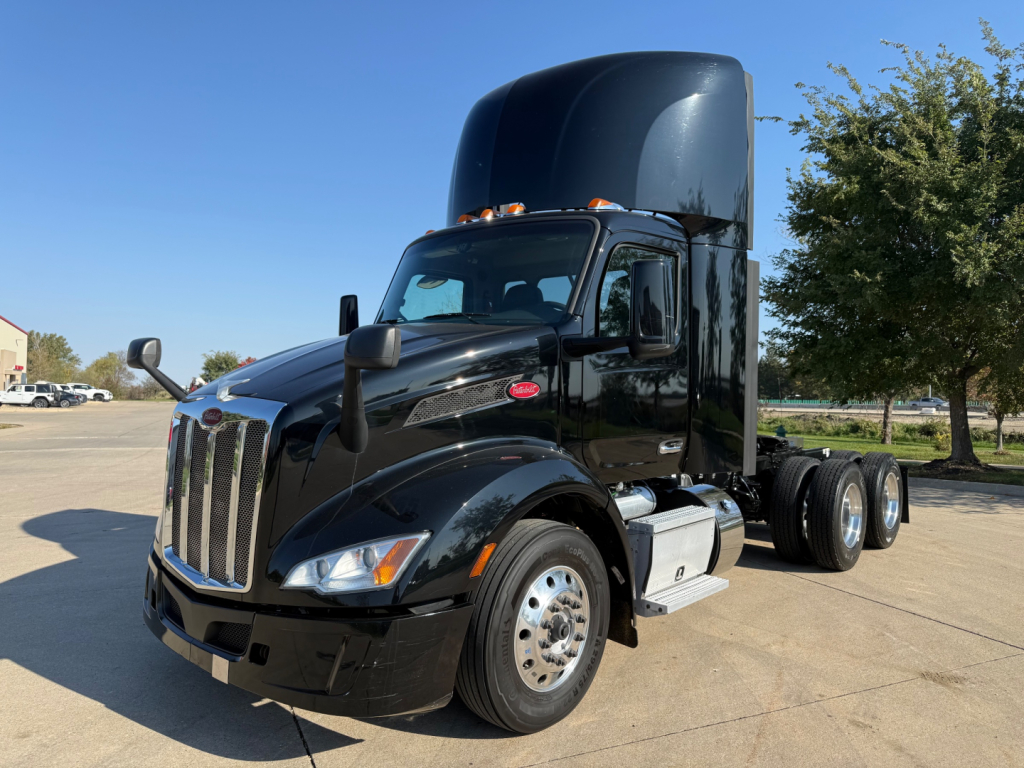
Selling a peterbilt conventional day cab truck? List your peterbilt conventional day cab truck for sale and reach thousands of commercial buyers.
Peterbilt Conventional Day Cab Trucks in Iowa
Iowa road salt and gravel exposure make frame rails, crossmembers, air lines, suspension mounts, and fifth-wheel wear priority inspection points on used trucks. Compare ECM hours and idle time with maintenance records, and verify DPF cleaning, SCR repairs, and DEF-system condition where equipped. On older Cummins-powered tractors with manual gearboxes, check clutch operation and differential noise under load. For new trucks, order axle ratings and PTO provisions around the intended trailer and confirm engine and aftertreatment warranty terms. Account for the 12% federal excise tax on qualifying new heavy trucks.
Frequently Asked Questions about Peterbilt Conventional Day Cab Trucks in Iowa
Is a 2.64 rear axle ratio a good choice for an Iowa grain-hauling day cab?
A 2.64 rear axle ratio suits highway-oriented Peterbilt day cab work when the transmission, tire size, and engine calibration support that gearing. For loaded starts at field entrances or steep elevator approaches, compare overall starting reduction and clutch operating limits, not rear ratio alone. Confirm the drivetrain's approved GCWR and evaluate the complete powertrain specification against the route.
How can I tell whether an older Peterbilt day cab should have a DPF or DEF?
Most heavy-duty diesel engines built for 2007 emissions standards use a DPF, and most built for 2010 standards add SCR and DEF. On a Peterbilt day cab, verify the engine's emissions label and serial number rather than relying solely on the truck's model year, because engine production dates can differ. Missing or disabled original aftertreatment is a compliance problem, not an upgrade.
Does a 40,000-pound rear axle rating let a Peterbilt day cab haul more weight in Iowa?
A 40,000-pound tandem rating does not automatically permit 40,000 pounds on the road. Standard Interstate limits generally allow 34,000 pounds on a tandem and 80,000 pounds gross for a five-axle combination, subject to axle spacing and bridge requirements. A Peterbilt day cab's component ratings, registered weight, route restrictions, and any applicable permit conditions must all support the intended load.
What warranty details matter on a new Peterbilt day cab?
Written time and mileage limits for the engine, aftertreatment, transmission, and chassis matter more than a blanket claim of factory coverage. A new Peterbilt day cab can have different coverage terms for each component, with exclusions for wear items and certain applications. Confirm the warranty start date, deductibles, towing coverage, and whether vocational or agricultural use changes eligibility before finalizing the specification.
Does a Peterbilt day cab need a wet kit to pull a grain trailer?
A conventional hopper-bottom grain trailer usually does not require a tractor wet kit, but an end-dump or hydraulically driven live-bottom trailer often does. Match a Peterbilt day cab's PTO, hydraulic pump flow, reservoir capacity, pressure, and return plumbing to the trailer manufacturer's requirements. Verify transmission PTO compatibility before purchase, because adding hydraulics can require more than installing a pump.