
Peterbilt Conventional Daycab Trucks For Sale
Browse Peterbilt conventional daycab trucks with specs buyers compare most: engine, wheelbase, axle ratings, transmission, and vocational setup.
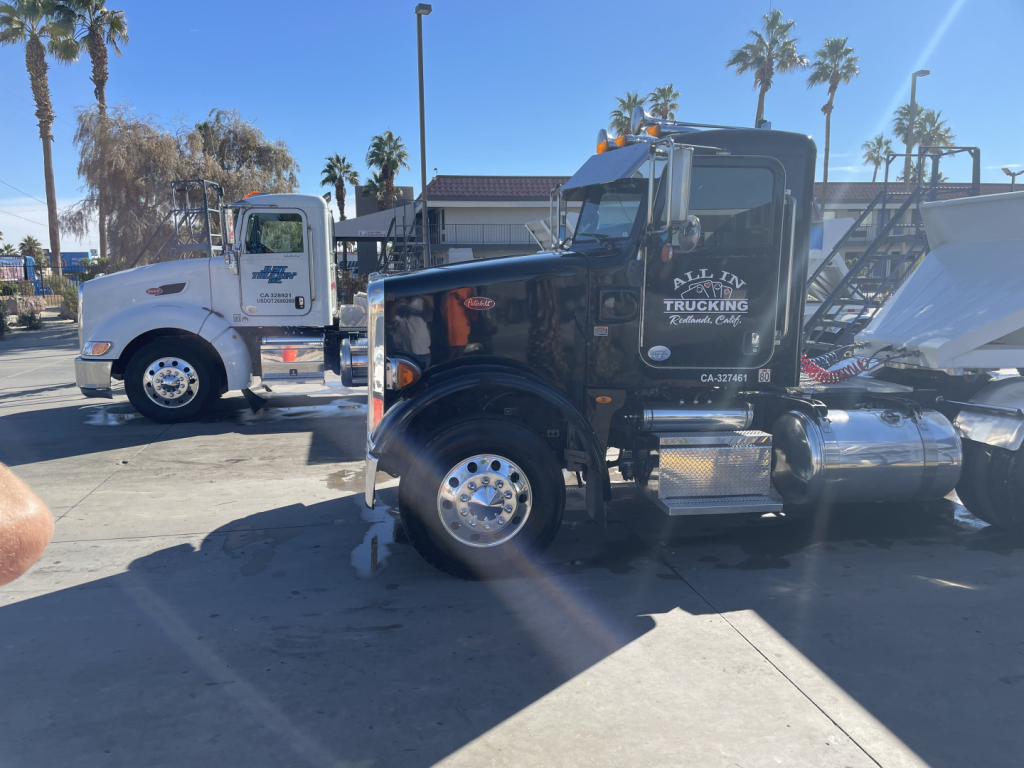
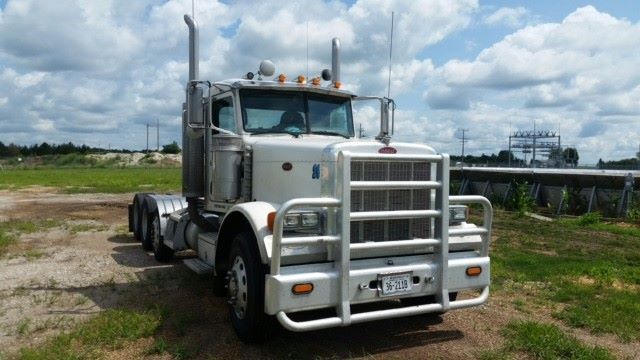
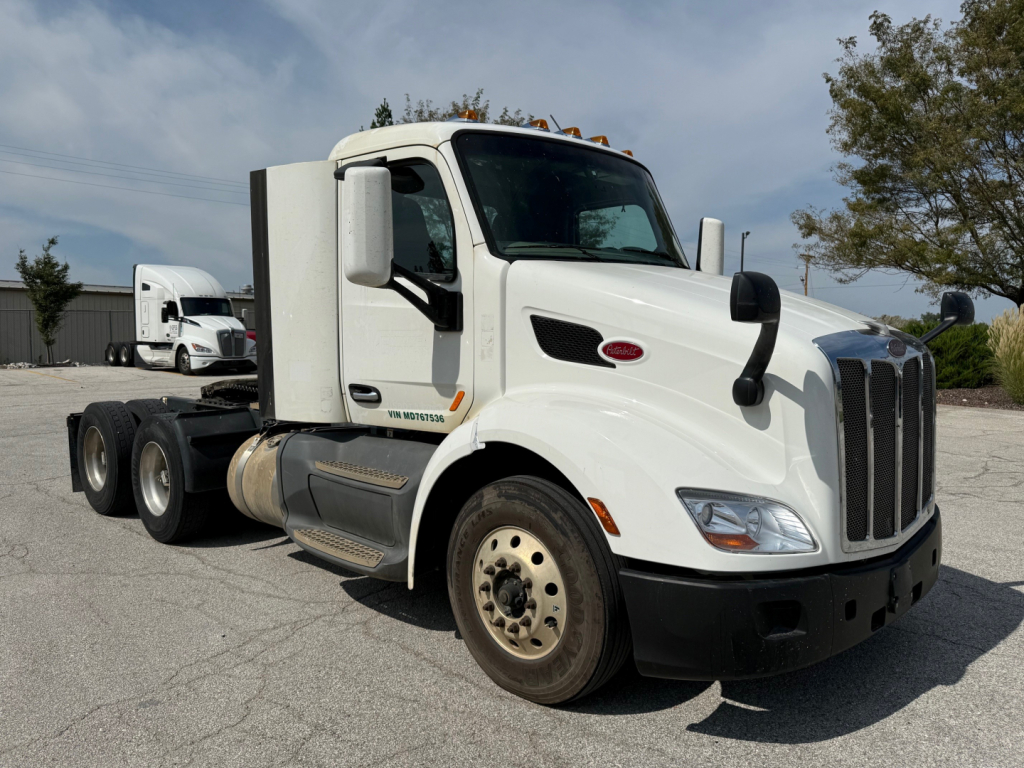
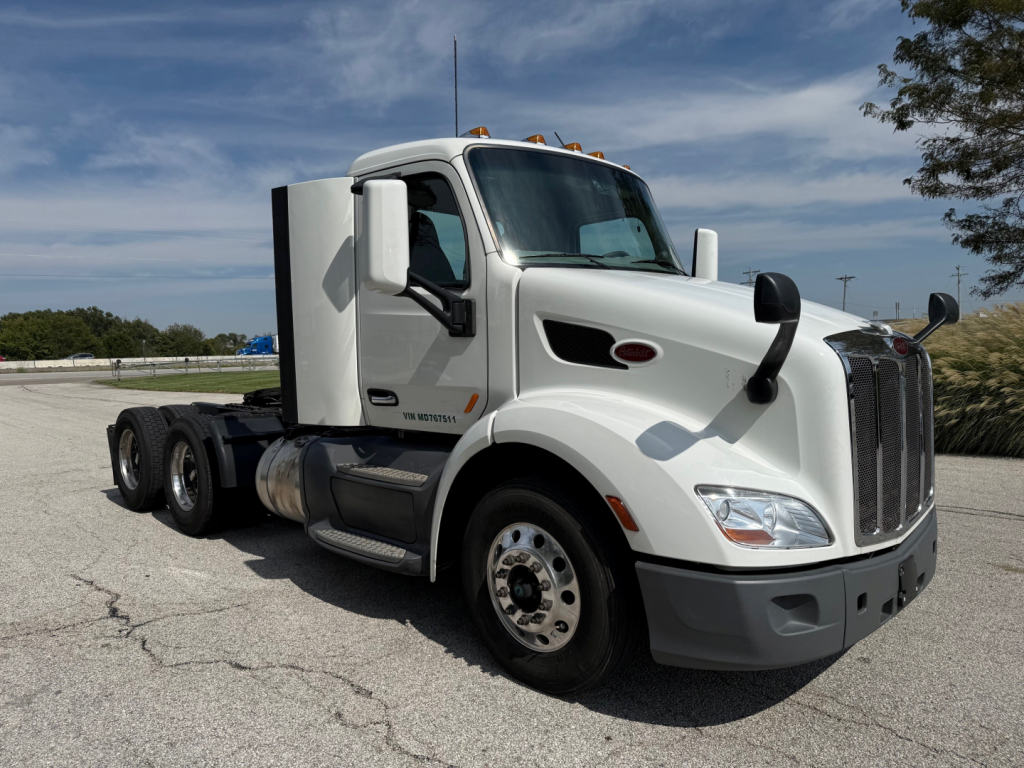
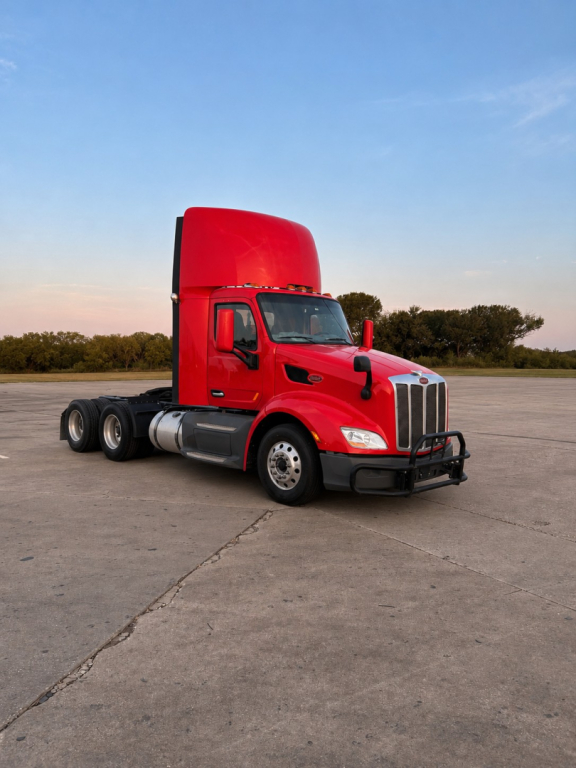
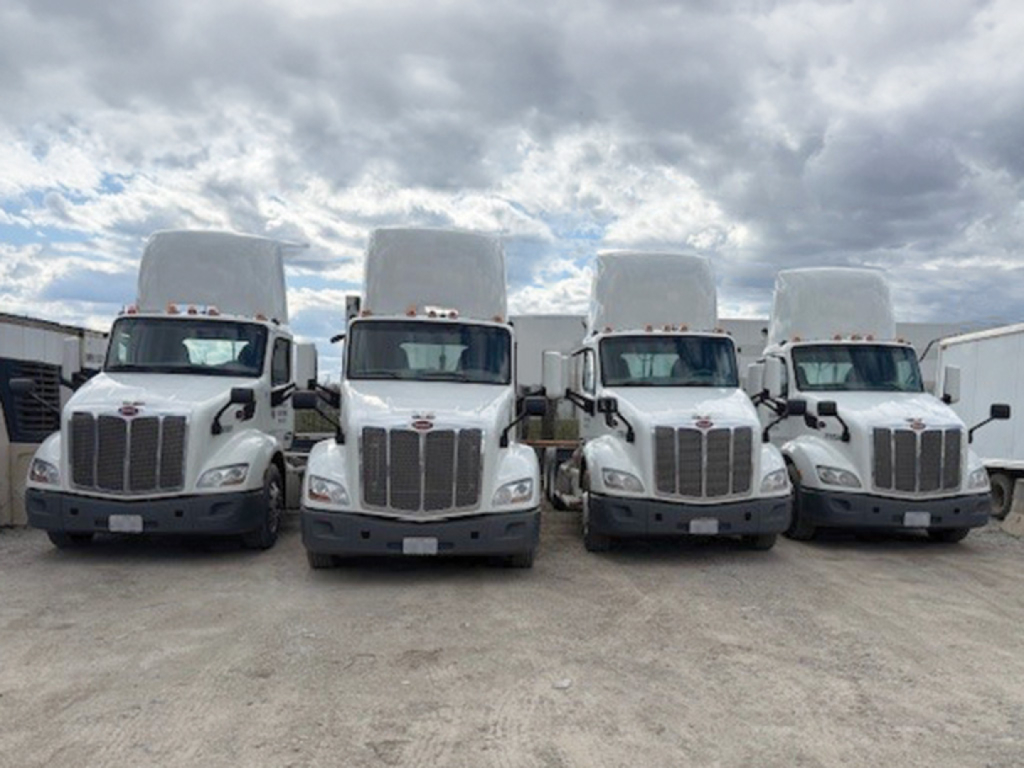
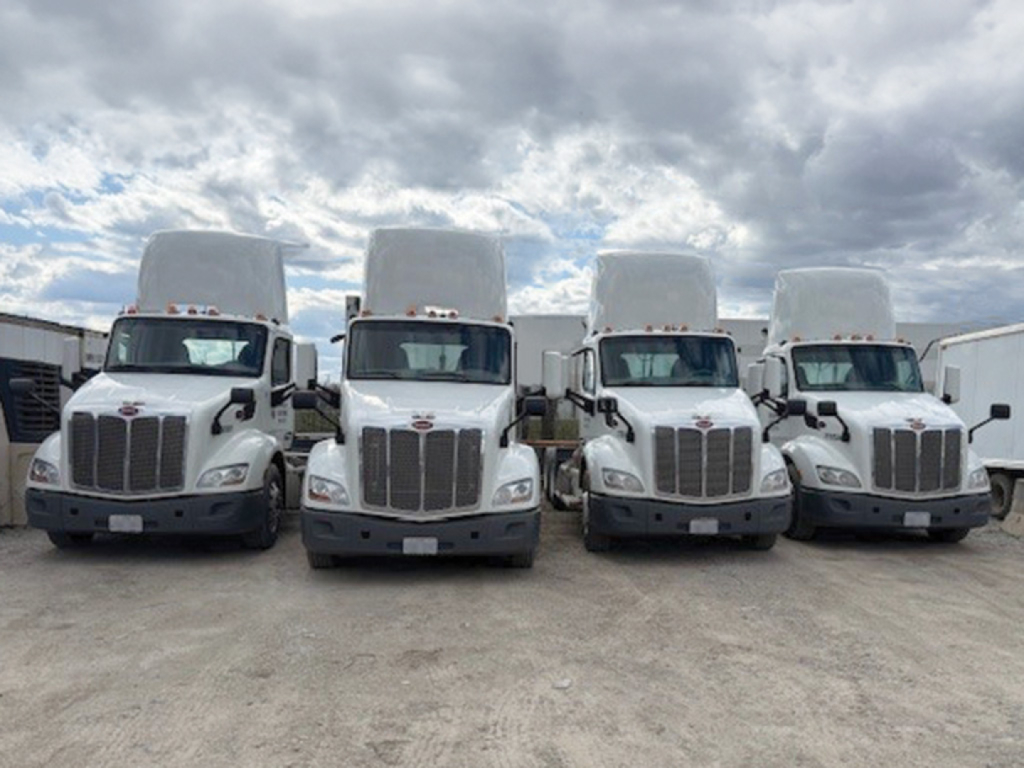
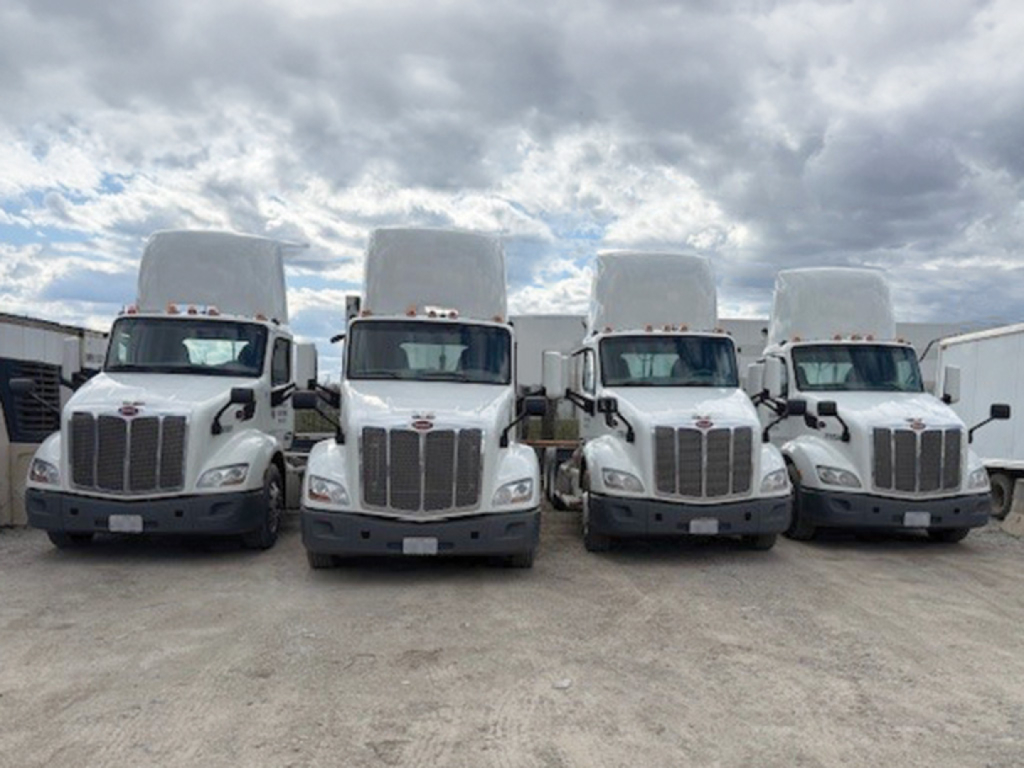
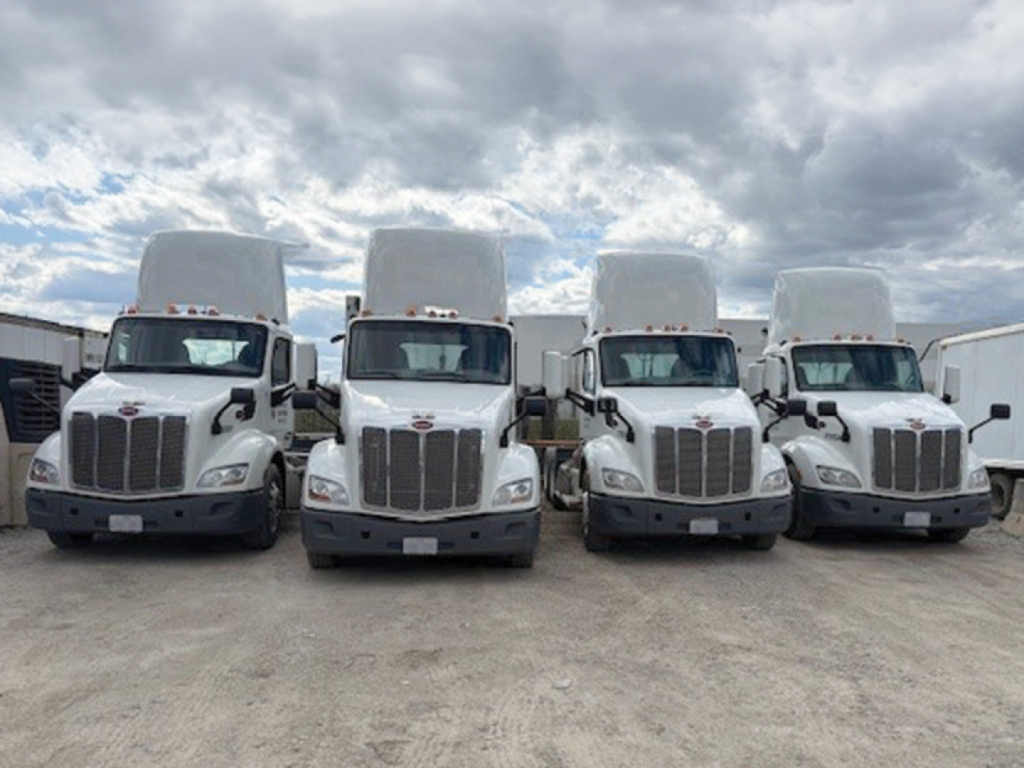
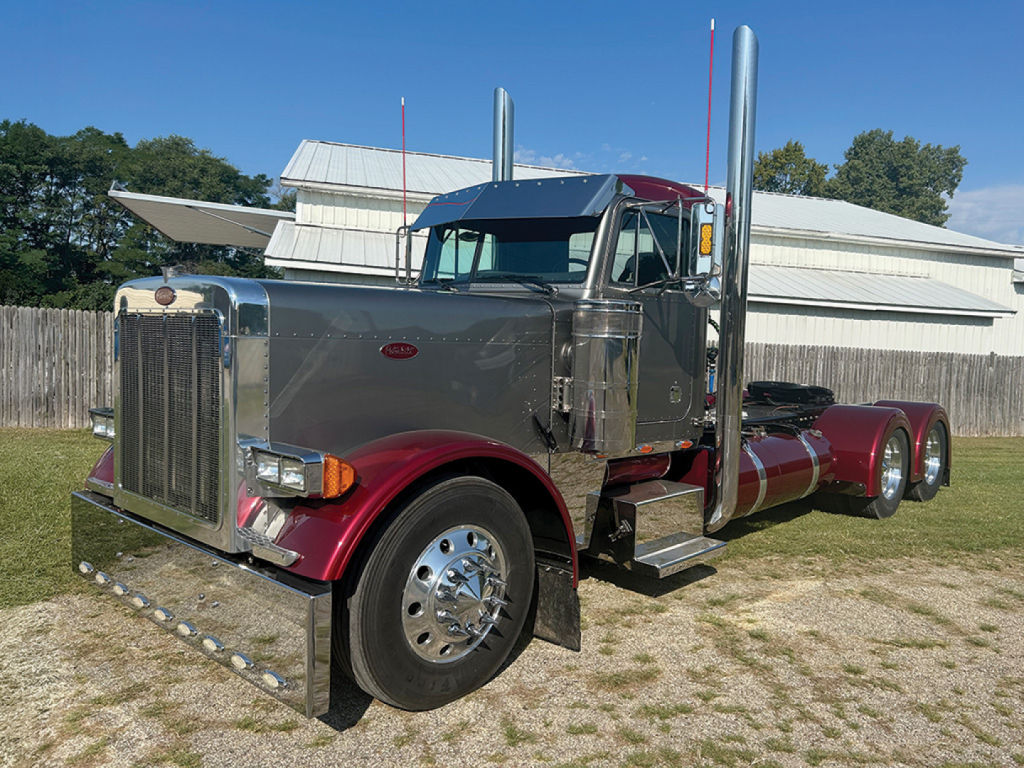
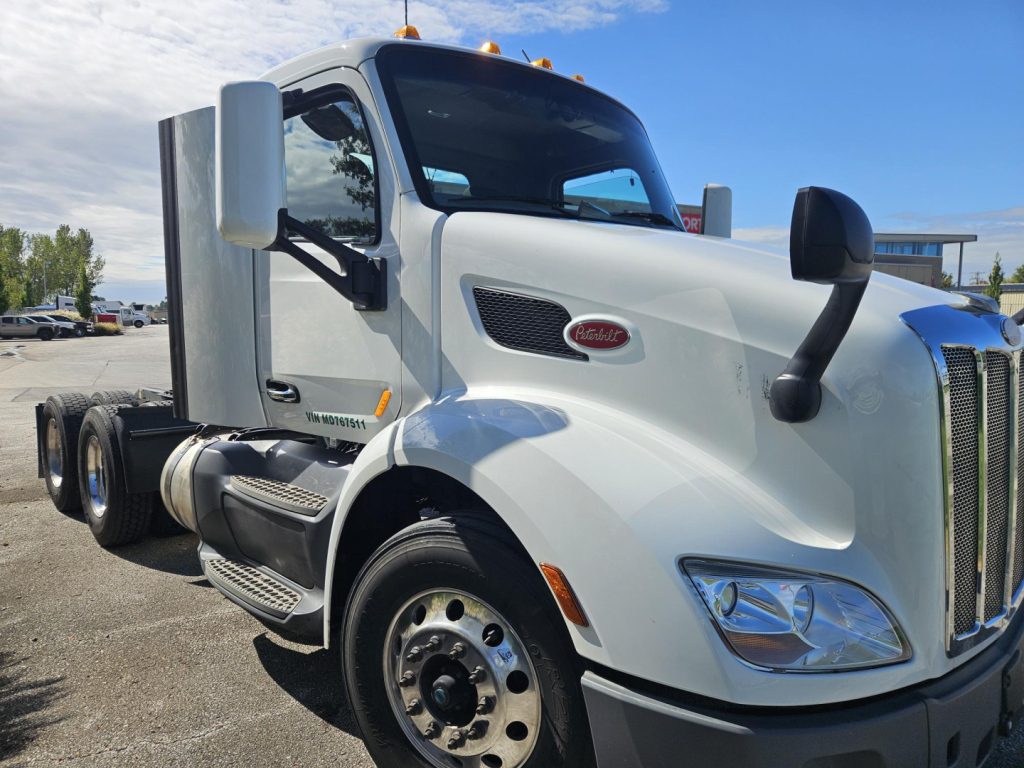
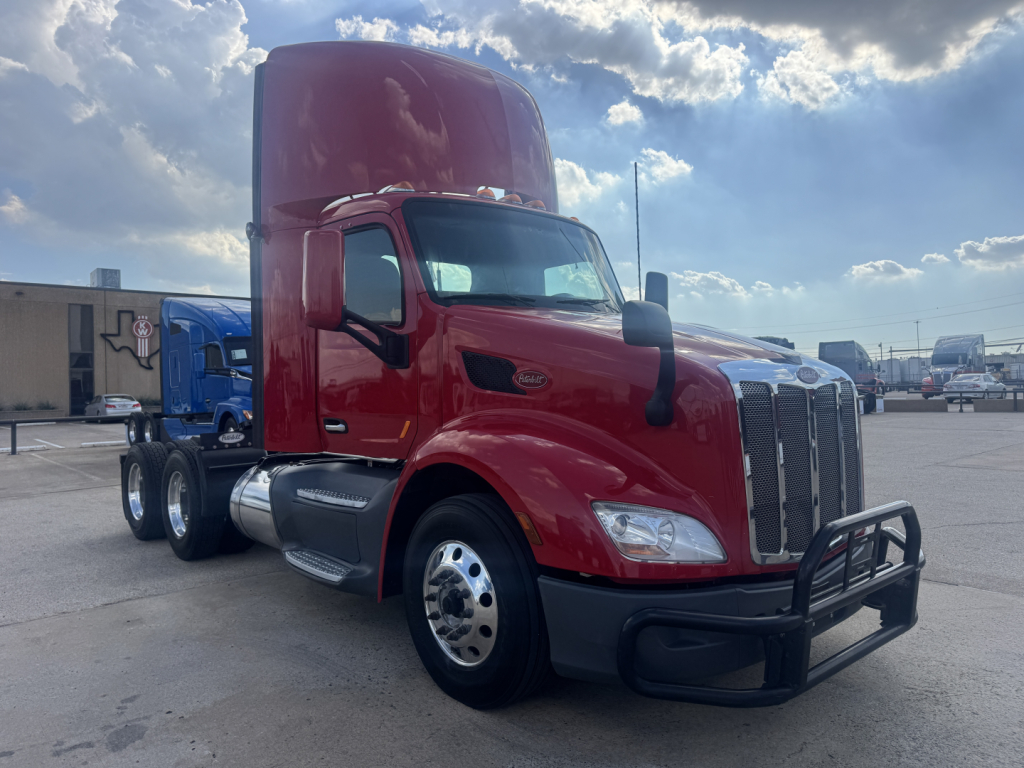
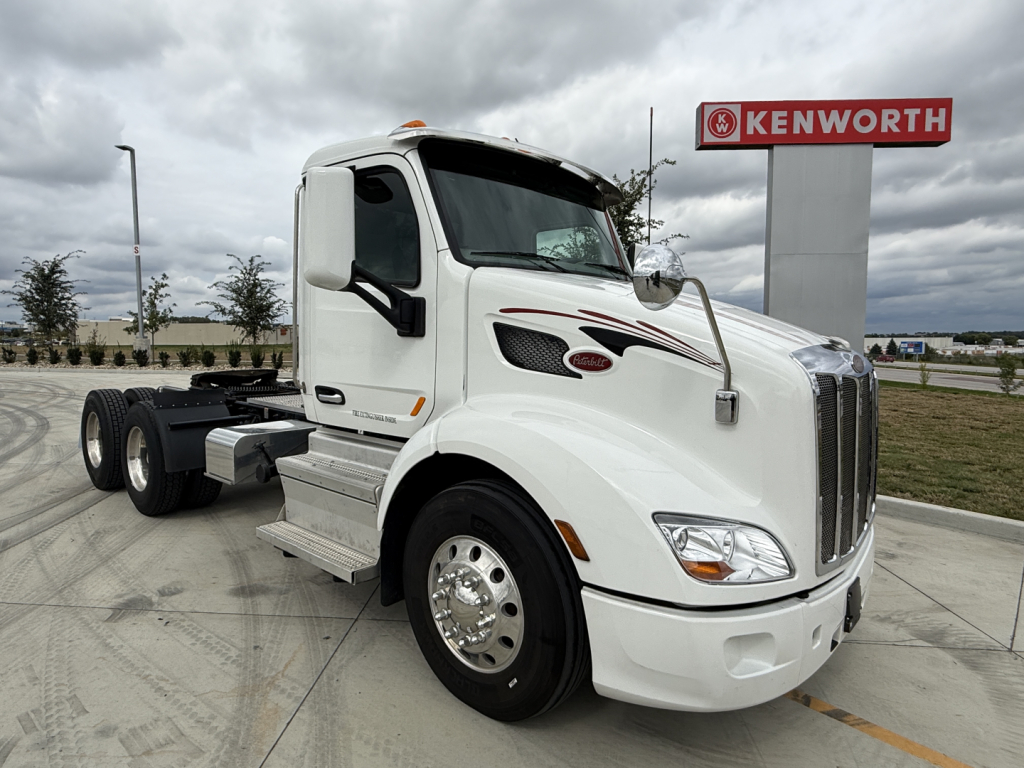
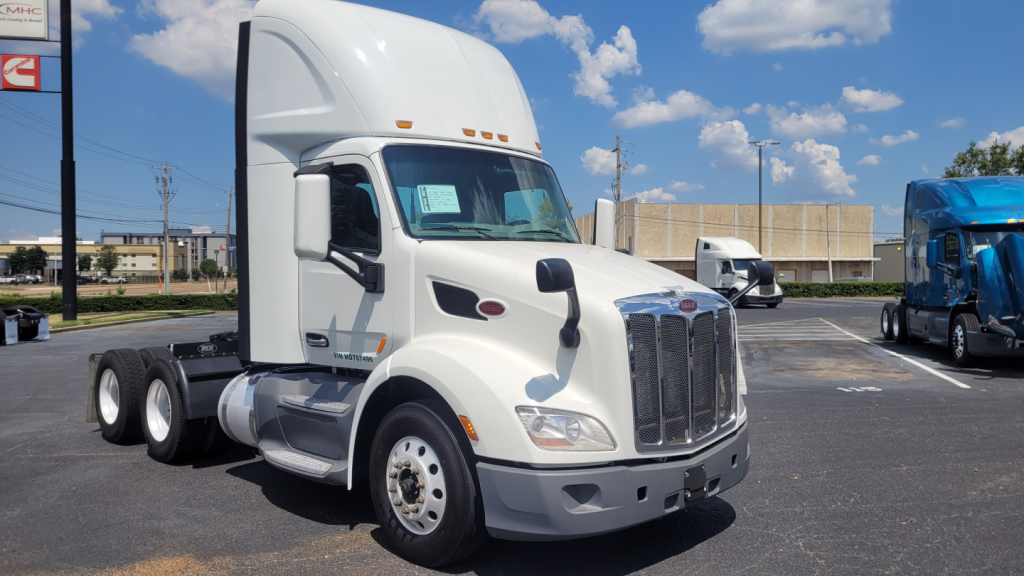
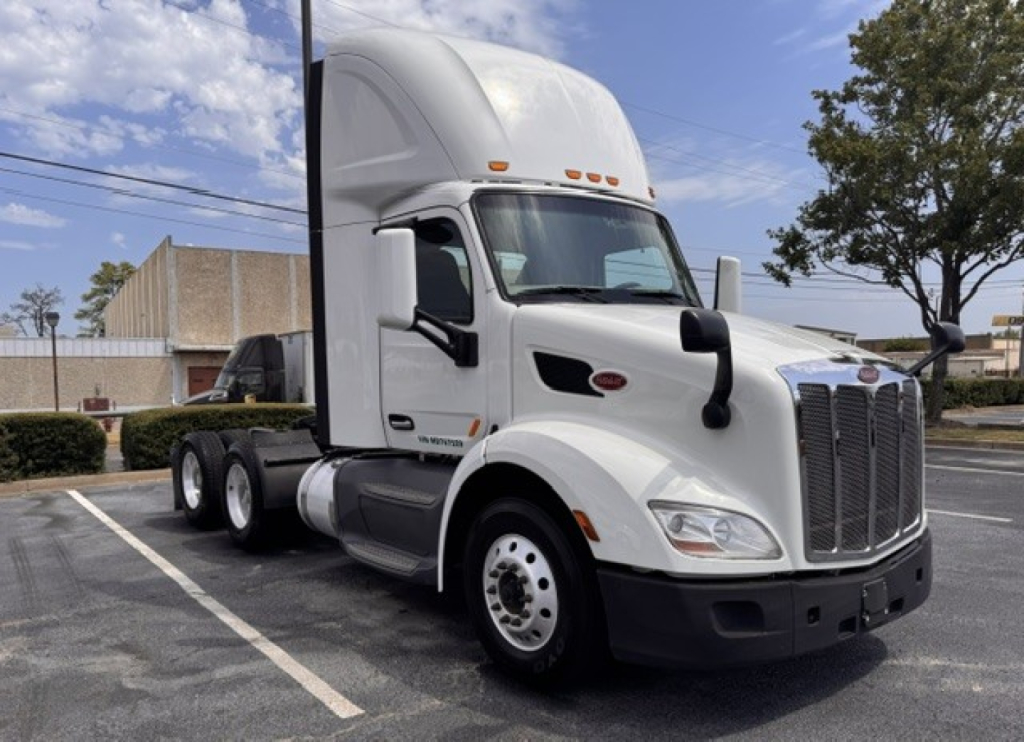
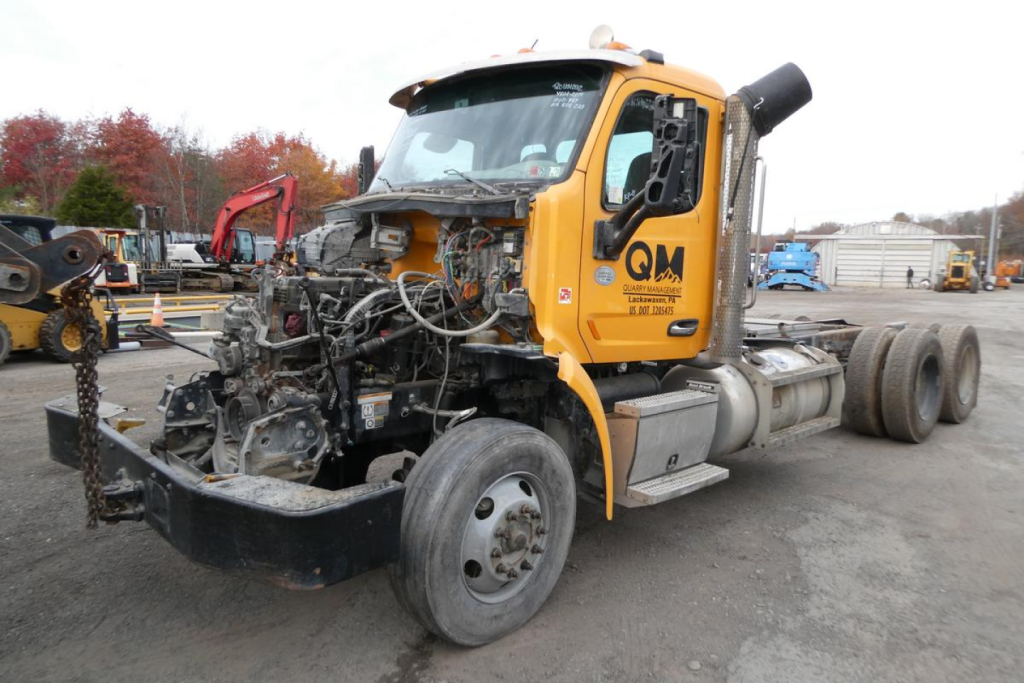

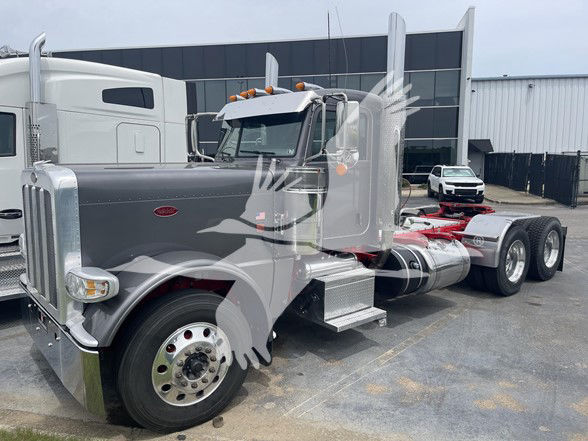
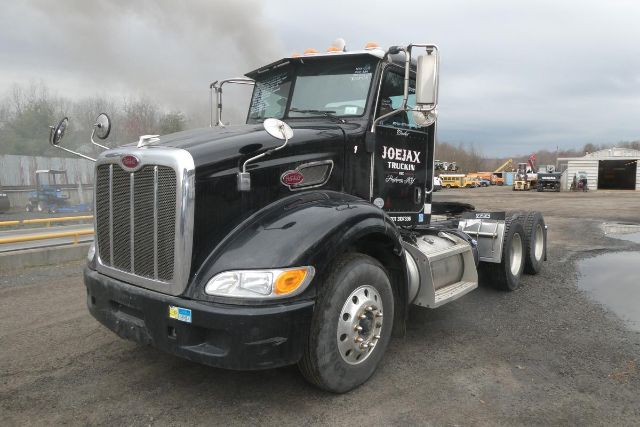
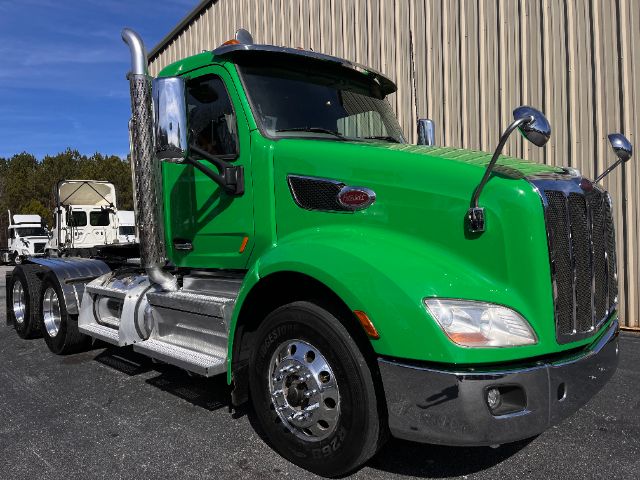

Showing 1 to 28 of 31 results
Have peterbilt conventional daycab truck to sell? List it here to reach thousands of buyers.
Peterbilt Conventional Daycab Trucks
The most important buying decisions are usually powertrain, wheelbase, and rear axle specification. Many Peterbilt daycabs are equipped with PACCAR MX-13 or Cummins X15 engines, commonly in the 400 to 500 horsepower range, paired with 10-speed manual or automated transmissions. Rear axle ratings around 40,000 pounds and ratios such as 2.79 or 3.36 are typical, but those numbers matter because they change how the truck performs in regional highway service versus stop-and-go or heavier start-and-stop applications. A 2.79 ratio generally favors fuel economy and cruise-speed efficiency, while a 3.36 ratio is often better suited for heavier loads, mixed terrain, or more frequent acceleration cycles. Wheelbase is just as important. A 178-inch to 186-inch wheelbase is common on tandem axle daycabs, and it directly affects bridge compliance, turning radius, trailer gap, and how the truck handles specialized bodies or wet kits.
Cab and chassis details deserve close attention on a Peterbilt conventional daycab. Buyers often compare 6x4 tandem axle setups, front axle ratings around 12,000 pounds, air ride suspension, air slide fifth wheels, and aluminum versus steel wheel packages. If the truck is intended for tanker, pneumatic, end dump, lowboy, or other PTO-driven work, verify whether it already has a hydrapack or wet kit and confirm the frame layout, cab-to-axle, and cab-to-end dimensions. On aerodynamic Peterbilt daycabs like the 579, items such as roof fairings, cab extenders, quarter fenders, and horizontal exhaust can affect trailer matching, service access, and fuel efficiency. Disc brakes, low-profile 22.5 rubber, and driver comfort features such as air ride seats, tilt-telescoping steering, and power windows also show up frequently and can matter on high-utilization regional trucks.
Condition matters more than model year alone. On a used Peterbilt daycab, engine health, emissions history, clutch or automated transmission performance, suspension wear, fifth wheel condition, and frame integrity should be evaluated before cosmetics. Review engine hours alongside odometer miles, look for evidence of rebuilds or major component replacement, and confirm whether the truck spent its life in linehaul, local P&D, or vocational service. A well-matched Peterbilt daycab can be a strong asset because these trucks are widely supported, driver-friendly, and easy to spec for specific trailer and route requirements.
Frequently Asked Questions about Peterbilt Conventional Daycab Trucks
What is the difference between a Peterbilt daycab and a sleeper truck?
A Peterbilt daycab is a conventional truck without a sleeper compartment behind the seats. That makes it lighter, shorter, and easier to maneuver than a comparable sleeper tractor. Daycabs are typically used for local, regional, drayage, tanker, and dedicated route work where the driver returns home or does not need overnight accommodations.
Which engines are common in Peterbilt conventional daycab trucks?
Common engines in Peterbilt conventional daycab trucks include the PACCAR MX-13 and Cummins X15. Horsepower often falls in the 400 to 500 horsepower range depending on the application. The right engine choice depends on duty cycle, terrain, gross combination weight, maintenance preference, and whether the truck will spend most of its time in fuel-sensitive highway service or heavier vocational work.
What rear axle ratio should I look for in a Peterbilt daycab?
Rear axle ratio should match the truck's job. Ratios such as 2.79 are often selected for highway and regional hauling because they help keep engine RPM down at cruise speed and can improve fuel economy. Ratios like 3.36 are more common when buyers need better startability, stronger pulling performance, or more flexibility in mixed terrain and heavier load conditions. The transmission, tire size, and average load all need to be considered with the ratio.
What wheelbase is typical on a Peterbilt conventional daycab?
Many tandem axle Peterbilt daycabs are spec'd in the roughly 178-inch to 186-inch wheelbase range, although the correct wheelbase depends on trailer type, bridge law requirements, fifth wheel travel, and body equipment. A shorter wheelbase usually improves turning in urban settings, while a longer wheelbase can help with ride quality, weight distribution, and fitting equipment such as hydraulic systems or larger fuel tanks.
Are Peterbilt daycabs good for vocational applications?
Yes, many Peterbilt conventional daycab trucks are well suited for vocational use when properly spec'd. Buyers often use them for dump, tanker, lowboy, pneumatic, and other PTO or hydraulics-based applications. The key is verifying axle ratings, suspension, frame specification, transmission type, PTO or wet kit compatibility, and cab-to-axle dimensions so the truck matches the intended body or trailer setup.