
2023 Peterbilt Conventional Day Cab Trucks For Sale
Compare 2023 Peterbilt conventional day cab trucks for sale by engine, gearing, axle ratings, emissions history, and new or used warranty considerations.
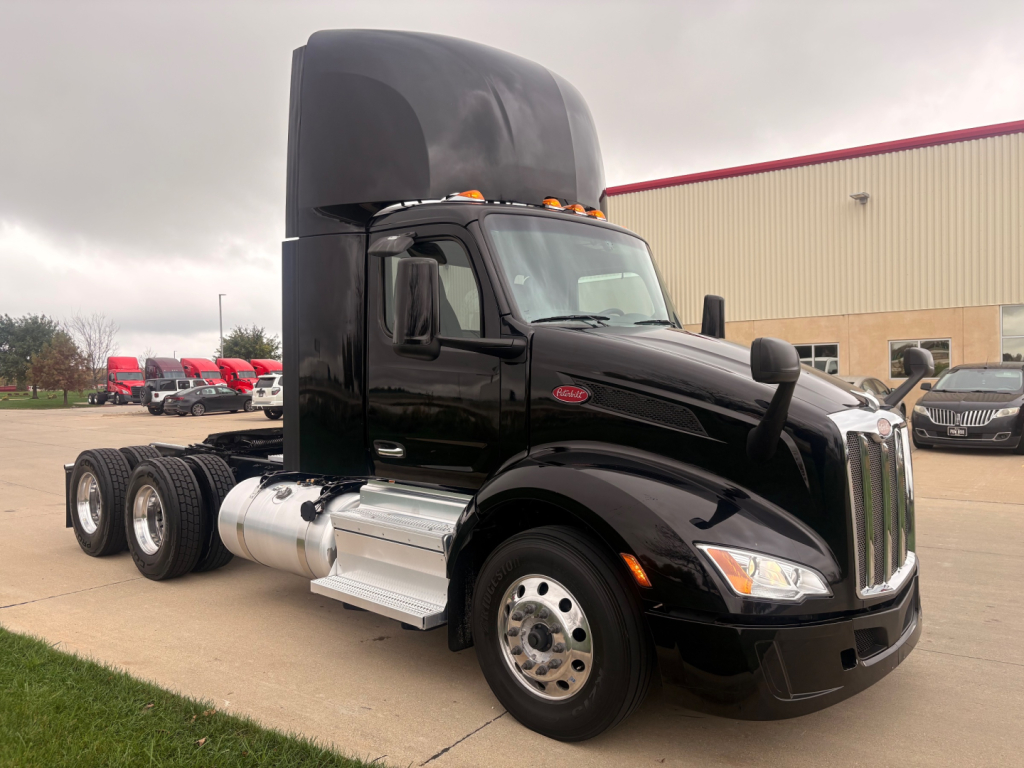
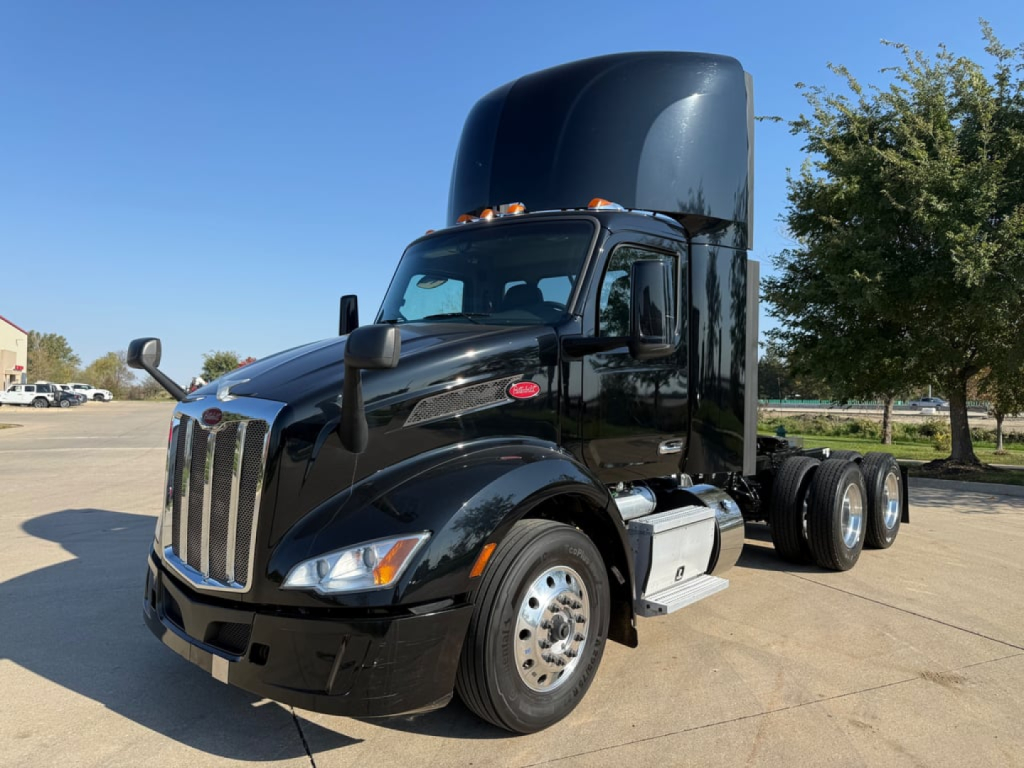
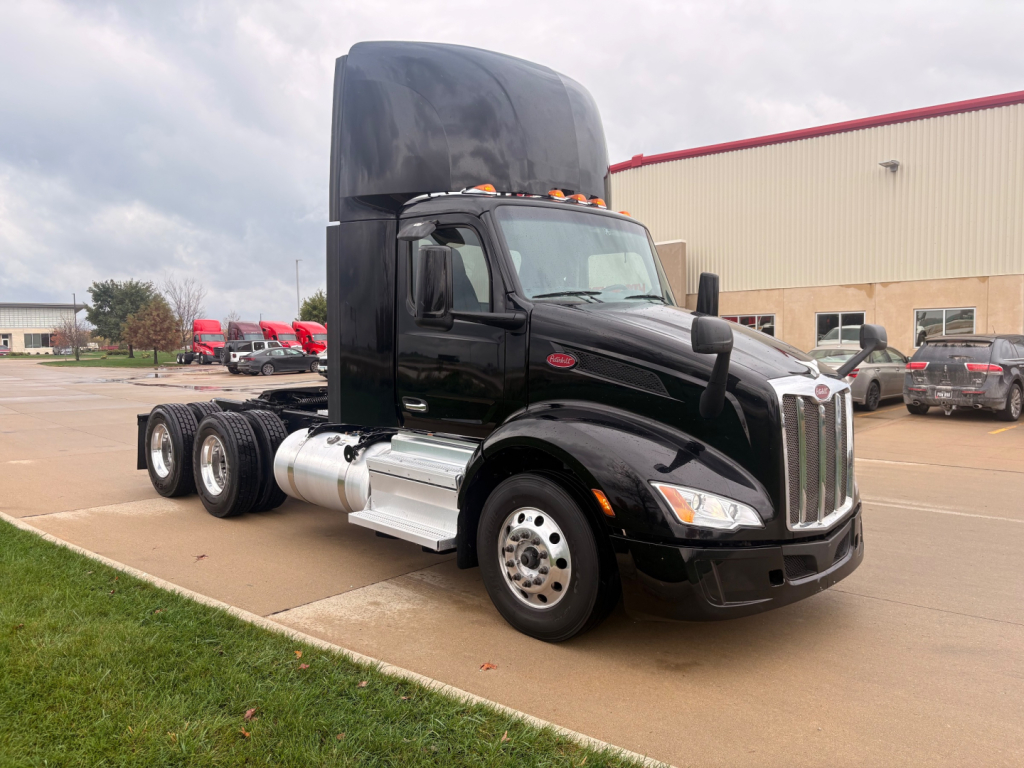
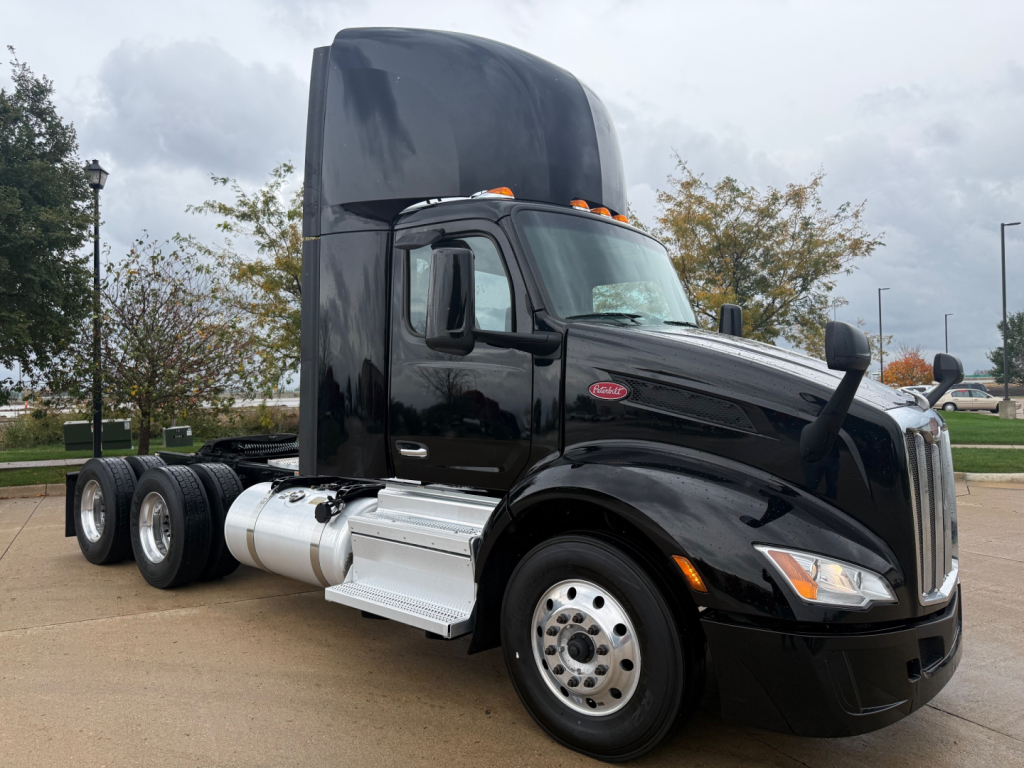
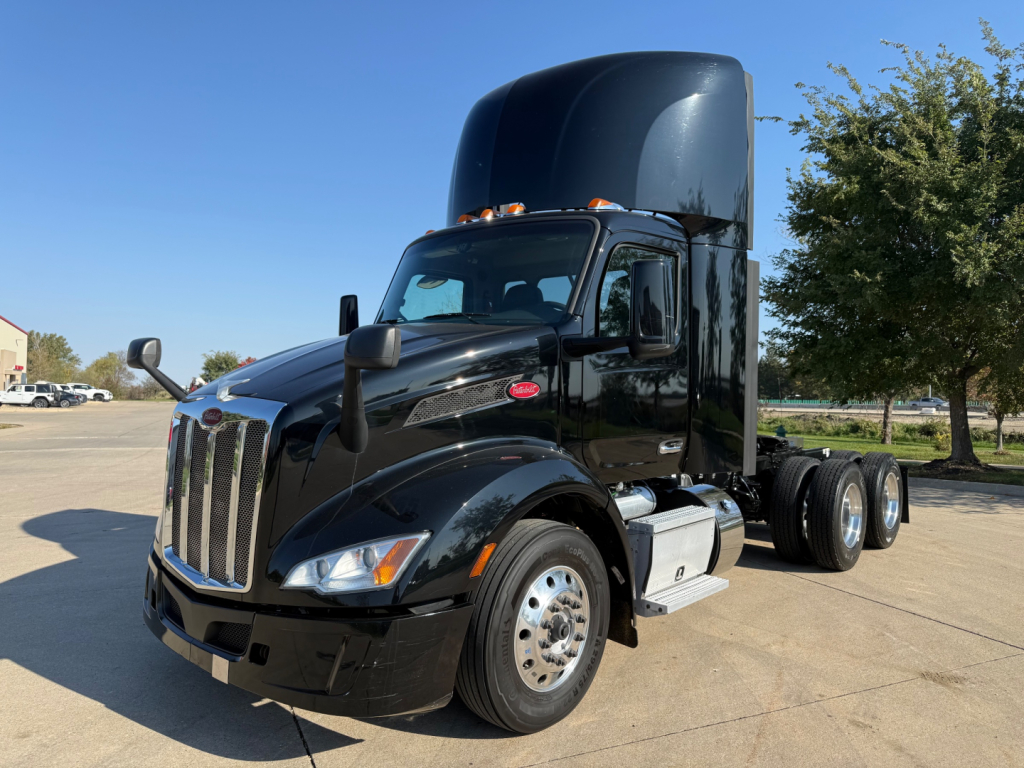
Selling a 2023 peterbilt conventional day cab truck? List your 2023 peterbilt conventional day cab truck for sale and reach thousands of commercial buyers.
2023 Peterbilt Conventional Day Cab Trucks
Match axle ratio, transmission gearing, and tire size to loaded starts, cruising speed, and terrain. A low numerical axle ratio can suit highway operation but deserves closer scrutiny for repeated heavy starts on grades. Shorter wheelbases improve maneuverability, while fifth-wheel travel and cab-to-trailer clearance determine compatibility with particular trailers. A 40,000-pound tandem rating does not establish legal payload; actual empty weight, axle spacing, tire ratings, and applicable state or provincial limits still control.
Diesel-powered 2023 models use DPF and SCR aftertreatment with DEF, so emissions-system condition belongs near the top of a used-truck inspection. Verify the engine's certification label rather than assuming the chassis model year identifies its emissions family. Obtain ECM mileage, engine hours, idle history, fault records, and documented aftertreatment service. Repeated parked regenerations or emissions derates deserve diagnosis before purchase. Inspect fifth-wheel locking components, suspension bushings, air-system leaks, brakes, and tire wear. Northern US and Canadian service calls for close inspection of frame corrosion and electrical connectors; hot-weather operation makes cooling-system condition especially important.
For a new 2023 truck, verify the original build sheet rather than assuming factory-order changes remain possible. Confirm required PTO provisions, axle capacities, and trailer connections, then establish warranty start dates and remaining coverage in writing. Stored trucks also need battery, tire, seal, and fluid checks despite low mileage. Qualifying new heavy trucks generally incur the 12% US federal excise tax at first retail sale; Canadian taxes and cross-border import requirements are separate considerations.
Frequently Asked Questions about 2023 Peterbilt Conventional Day Cab Trucks
Is a 2.64 axle ratio suitable for a 2023 Peterbilt day cab doing local work?
A 2.64 axle ratio can suit highway-heavy regional work, but frequent heavy starts require a startability check using the complete drivetrain specification. On a 2023 Peterbilt day cab, transmission first gear, engine torque, tire revolutions per mile, gross combination weight, and launch grade matter together. Request a drivetrain performance calculation rather than judging the ratio by itself, especially for steep delivery entrances or bulk hauling.
Can a 2023 Peterbilt day cab run an end dump or hydraulic trailer?
A 2023 Peterbilt day cab can operate a hydraulic trailer when its transmission supports the required PTO and the wet kit matches the trailer. Confirm hydraulic pressure, flow, reservoir capacity, control arrangement, and whether the trailer needs a two-line or three-line system. Check pump clearance and mounting provisions before installation. Tractor wheelbase, fifth-wheel position, and trailer articulation also need review for end-dump work.
How should I inspect the automated transmission in a used 2023 Peterbilt day cab?
Clutch condition and loaded shift behavior are the key checks for an automated transmission in a used 2023 Peterbilt day cab. Have a qualified shop retrieve transmission faults and available clutch wear or adaptation data, then road-test forward engagement, reverse engagement, hill starts, and shifts under load. Verify fluid-service records and inspect wiring and air supplies where applicable. A dashboard without warning lights does not establish transmission condition.
Can I import a 2023 Peterbilt day cab between the United States and Canada?
Safety and emissions certification determine whether a 2023 Peterbilt day cab qualifies for cross-border import, not its model year alone. For entry into Canada, verify Transport Canada admissibility and Registrar of Imported Vehicles requirements where applicable, plus provincial inspection rules. For entry into the United States, verify EPA and DOT eligibility and documentation. Obtain the certification labels and compliance records before committing, particularly if the engine or aftertreatment has been modified.