
Peterbilt Conventional Daycab Trucks For Sale in Texas
Shop Peterbilt conventional daycab trucks in Texas. Compare 579 specs, Cummins and MX-13 engines, wheelbases, ratios, wet kits, and axle setups.
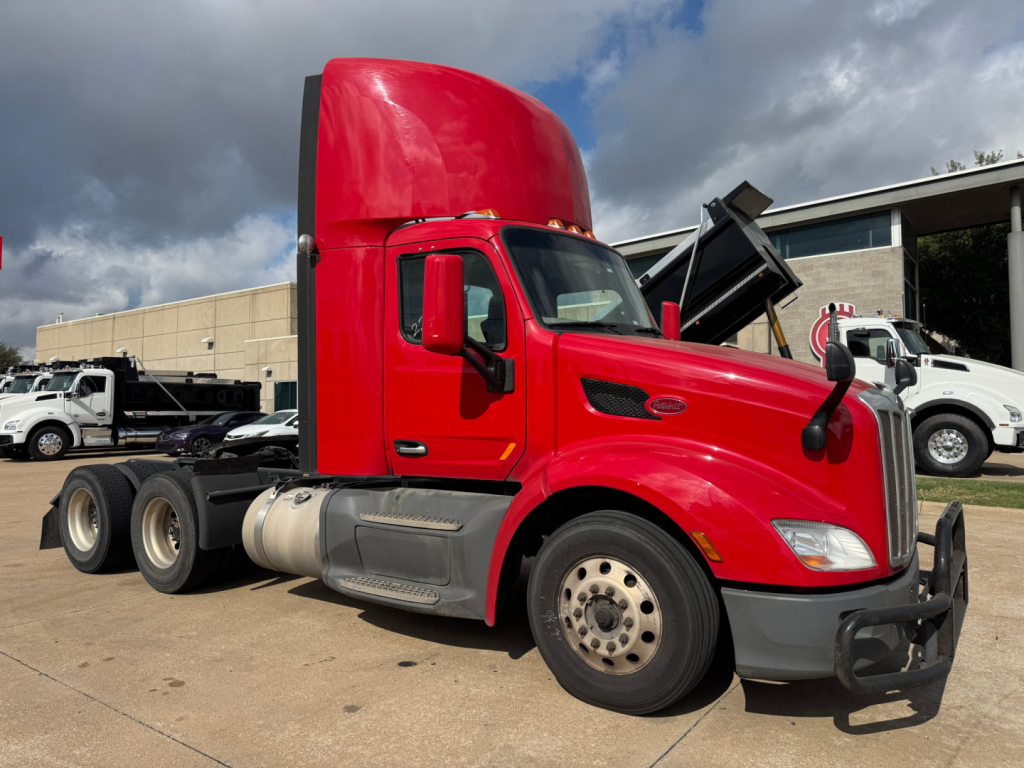
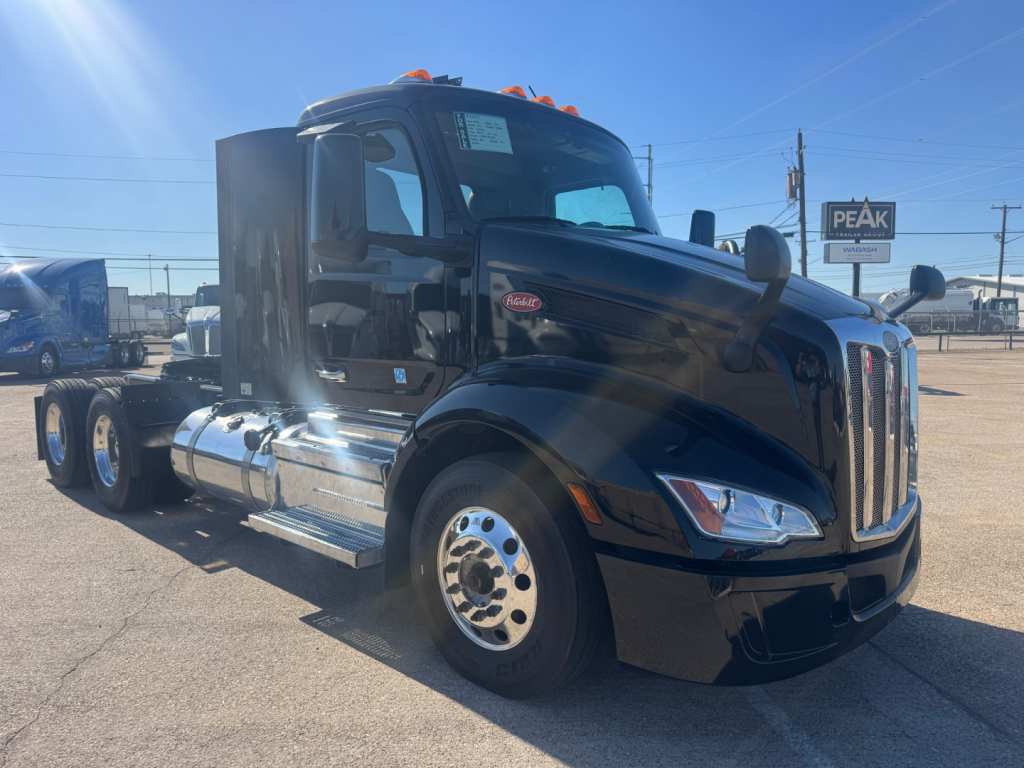
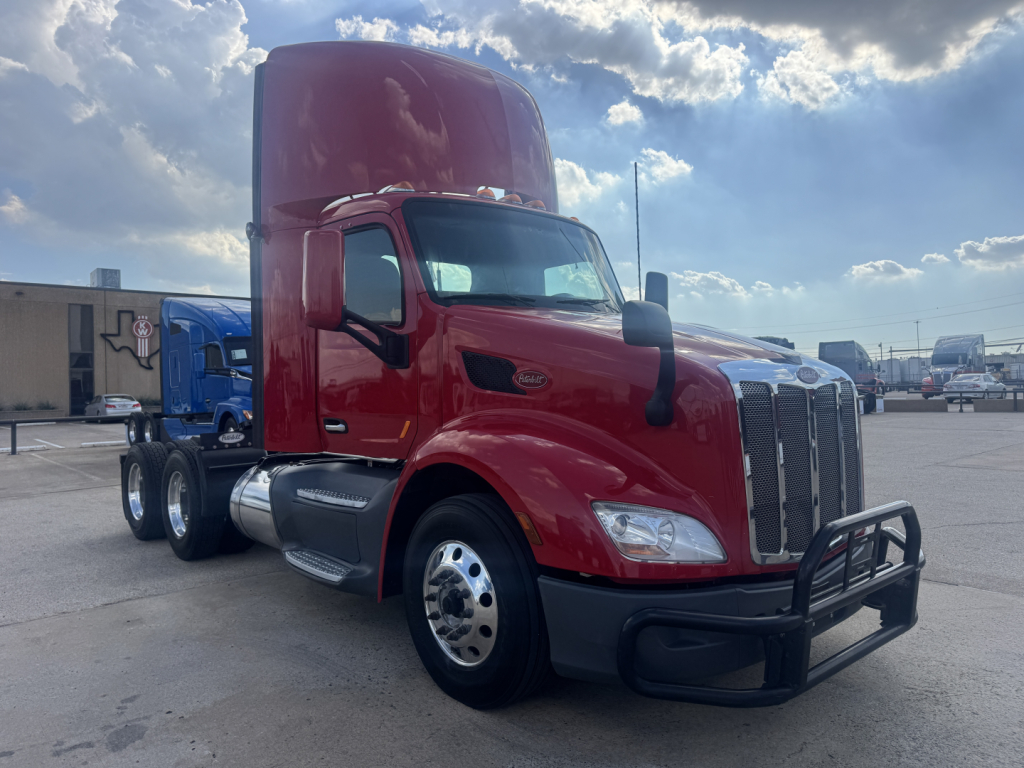
Selling a peterbilt conventional daycab truck? List your peterbilt conventional daycab truck for sale and reach thousands of commercial buyers.
Peterbilt Conventional Daycab Trucks in Texas
Common engine options in this class include the Cummins X15 and PACCAR MX-13, usually in the 400 to 450 horsepower range. That power band covers a wide range of freight without pushing the truck into an unnecessarily heavy or fuel-hungry spec for daycab duty. Automated manuals are common in newer Peterbilt daycabs, though 10-speed and 13-speed manual transmissions still appeal to fleets and owner-operators who want more direct control over shift behavior and maintenance planning. Rear axle ratings around 40,000 pounds, 12,000-pound front axles, tandem drive setups, and air ride suspension are all standard features to expect. Ratios such as 2.79, 3.08, 3.36, and 3.55 tell you a lot about intended use. Lower numerical ratios generally favor fuel economy and highway speed, while deeper ratios are better suited for heavier starts, vocational use, or mixed-route operation.
A buyer should also pay close attention to wheelbase, fifth wheel type, and frame equipment. Wheelbases in the mid-180-inch to low-190-inch range are common on Peterbilt daycab tractors because they balance trailer swing clearance with turning radius and bridge law flexibility. An air slide fifth wheel adds versatility if trailer lengths and kingpin settings vary across the operation. If the truck has a wet kit, headache rack, or other PTO-related equipment, that can make it immediately usable for dump, tanker, lowboy, or certain hydraulic trailer applications. Disc brakes, low-profile 22.5 tires, aluminum wheels, dual aluminum fuel tanks, roof fairings, and cab extenders are also worth noting because they affect maintenance cost, weight, and fuel efficiency.
Peterbilt daycabs tend to attract buyers who want a driver-friendly cab with strong resale value and broad service support. The cab layout is usually straightforward, with good visibility, comfortable steering and dash ergonomics, and aerodynamic features that matter on longer regional routes. For Texas buyers, it is smart to match the spec to the terrain and freight mix rather than just the engine badge. A 400 to 405 horsepower aero truck with a tall rear ratio can be a very efficient choice for general freight, while a 450 horsepower truck with a 13-speed, deeper gears, and a wet kit may be the better fit for heavier commodity work or mixed on-road and jobsite duty. The right Peterbilt conventional daycab is the one whose drivetrain, suspension, and chassis equipment already match the lanes and trailers it will pull most often.
Frequently Asked Questions about Peterbilt Conventional Daycab Trucks in Texas
What is the most common Peterbilt conventional daycab model in this category?
The Peterbilt 579 is one of the most common conventional daycab models on the used market. It is an aerodynamic highway tractor platform that is frequently spec'd as a non-sleeper for regional freight, local haul, and dedicated fleet work. Buyers often choose it because it offers modern aerodynamics, a comfortable cab, and a wide range of engine, transmission, and wheelbase configurations.
Which engine is better in a Peterbilt daycab, the Cummins X15 or PACCAR MX-13?
Both engines are widely used and each has a place depending on fleet preference and duty cycle. The Cummins X15 is popular for its broad service network, familiarity across independent shops, and strong performance in 400 to 450 horsepower ratings. The PACCAR MX-13 is also common in aerodynamic fleet tractors and can be a strong fit for fuel-conscious regional operations. The better choice usually comes down to maintenance support, technician familiarity, operating speed, and the exact transmission and rear ratio paired with the engine.
What rear axle ratio works best for a Peterbilt daycab in Texas?
The best rear axle ratio depends on route profile, trailer weight, and cruising speed. Ratios like 2.79 or 3.08 are often chosen for highway and regional freight where fuel economy matters and loads are more consistent. Ratios like 3.36 or 3.55 are better for heavier starts, more stop-and-go work, or applications where the truck needs stronger low-speed pulling power. In Texas, a taller ratio can work well on long interstate lanes, but a deeper ratio may be the smarter spec if the truck sees mixed service or heavier commodities.
What wheelbase is typical on a Peterbilt conventional daycab tractor?
A typical Peterbilt daycab tractor often falls in the 185-inch to 191-inch wheelbase range, although exact dimensions vary by axle placement and intended application. This range is common because it gives a good balance between stability, trailer clearance, and maneuverability. Buyers should confirm wheelbase against the trailers they plan to pull, especially if they need tight turning in urban yards or need room for frame-mounted equipment like a wet kit.
Should I buy a Peterbilt daycab with a wet kit already installed?
A factory or professionally installed wet kit can be a major advantage if the truck will be used with hydraulic trailers such as dumps, end dumps, live floors, or certain lowboy setups. It saves time and upfit cost, and it can make the tractor operational sooner. If the truck will only pull dry vans or reefers, the extra equipment may add unnecessary weight and complexity. The key is to match the chassis equipment to the trailers and jobs the truck will handle most of the time.