
2018 Peterbilt Conventional Daycab Trucks For Sale
Shop 2018 Peterbilt conventional daycab trucks. Compare 579, 567, and similar specs for regional haul, vocational work, and local fleet use.
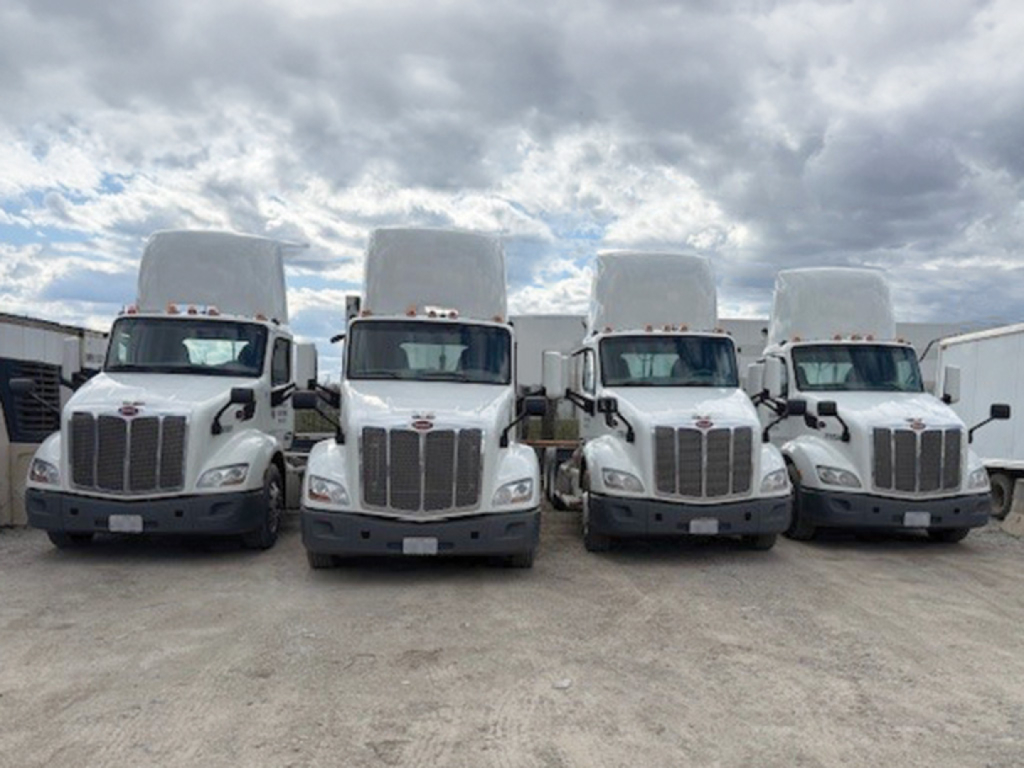
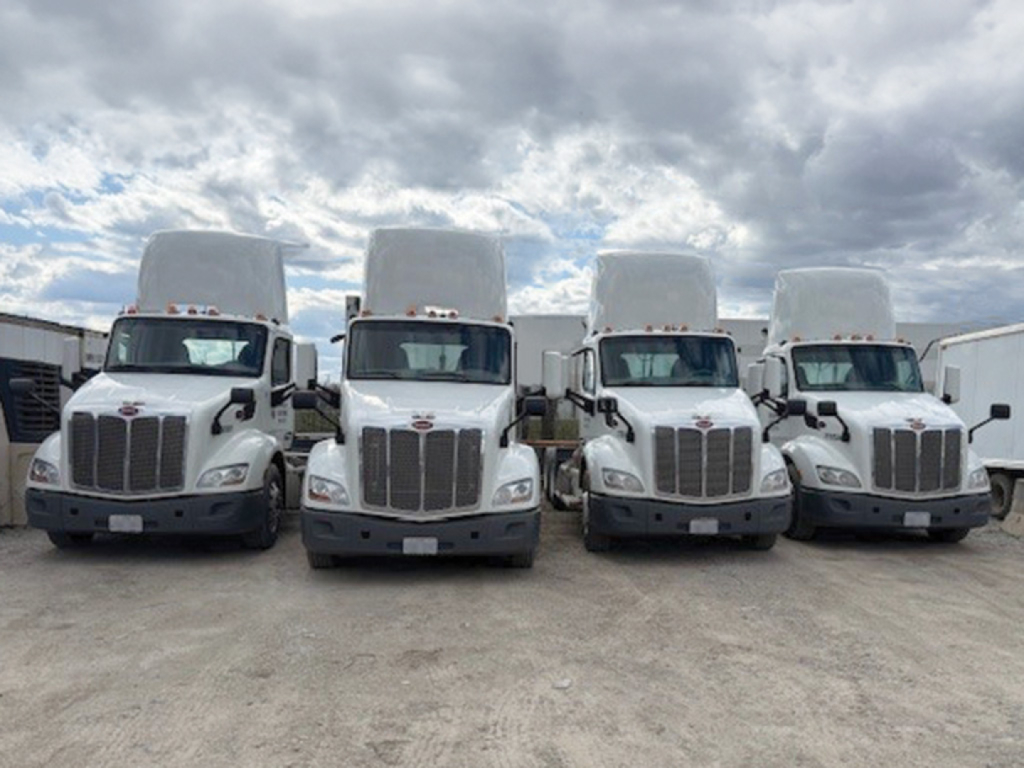
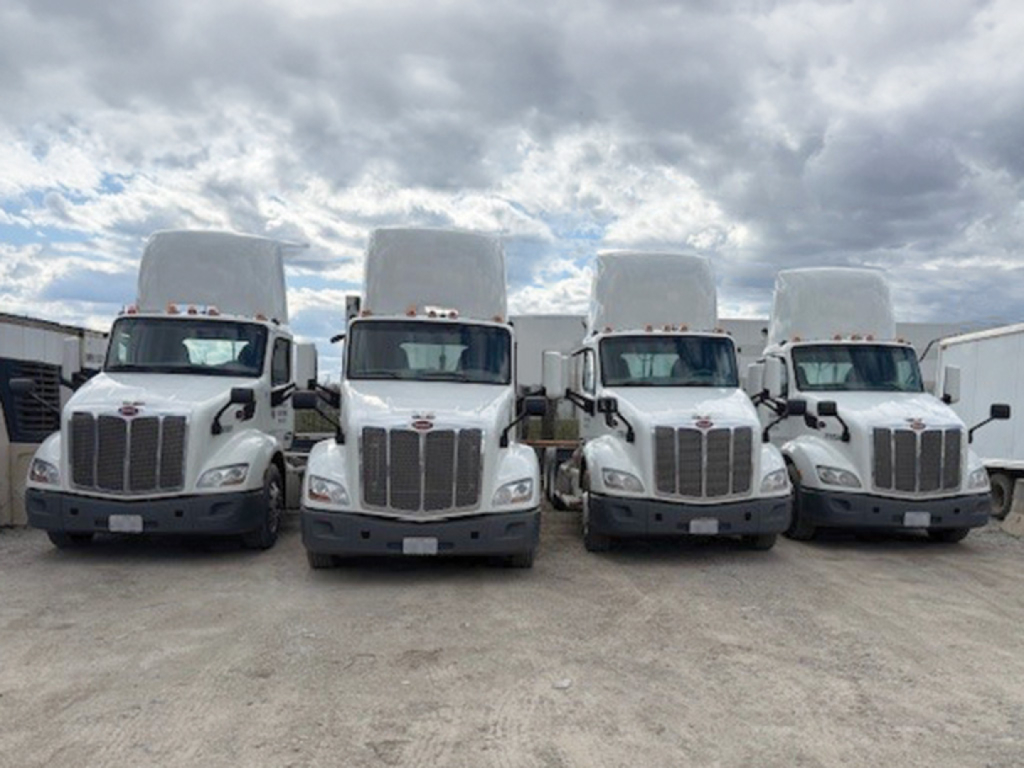
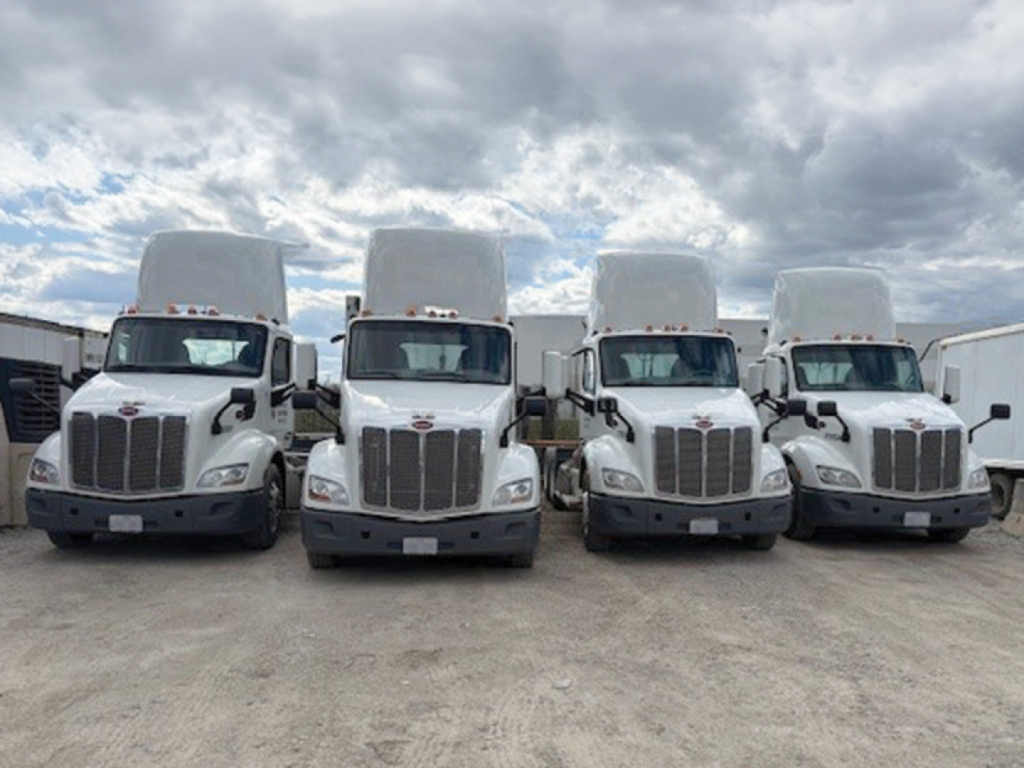
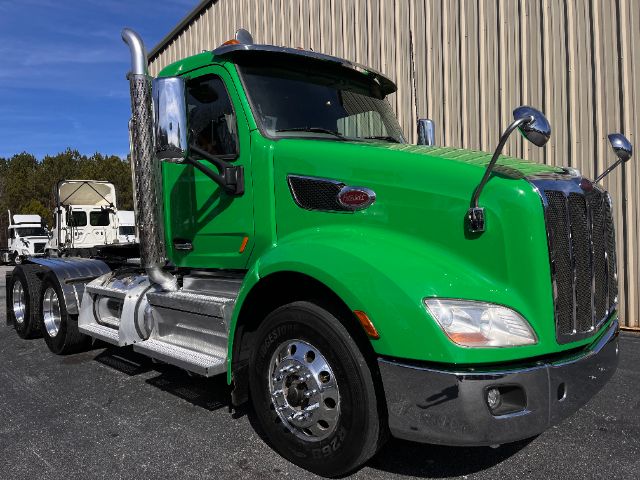
Have 2018 peterbilt conventional daycab truck to sell? List it here to reach thousands of buyers.
2018 Peterbilt Conventional Daycab Trucks
The biggest buying decisions usually come down to engine, transmission, wheelbase, and rear axle ratio. A 2018 Peterbilt daycab commonly shows up with a PACCAR MX-13 in the 455 hp range, often paired with an automated manual or a traditional Eaton Fuller manual depending on fleet spec. For linehaul and regional freight, 3.08 to 3.36 ratios are common when fuel economy matters. For heavier start-and-stop work, buyers often lean toward 3.55 or deeper ratios. Wheelbase matters more than many first-time buyers expect. A shorter wheelbase can improve turning radius and dock access, while a longer wheelbase may be needed for wet kits, sliding fifth wheels, headache racks, or frame-mounted equipment.
Spec details tell you how the truck was actually intended to work. Air ride suspension, 40,000 lb rears, engine brake, disc or drum brakes, low-profile 22.5 rubber, and dual fuel tanks are common on fleet highway tractors. A vocationally spec'd daycab may add a PTO, hydraulic pump, heavier front axle, full locking differentials or power divider, and a frame layout designed for dump, tanker, lowboy, or other jobsite applications. Buyers should also pay attention to collision mitigation systems, fifth wheel type, cab-to-axle measurement, and whether the truck has a single or double frame. These details affect trailer compatibility, bridge law flexibility, and body upfit potential.
For a used 2018 Peterbilt conventional daycab, service history and emissions condition matter as much as mileage. The PACCAR MX platform should be checked for maintenance records, aftertreatment performance, software updates, and evidence of proper cooling system and valve train service. Look closely at suspension wear, steering play, brake life, and frame condition around the fifth wheel or pintle area. If the truck is intended for regional hauling, fuel economy spec and driver comfort features may carry more value. If it is headed into vocational work, rear suspension rating, PTO setup, axle spread, and wheelbase usually matter more than appearance. A well-matched daycab spec can lower operating cost and improve trailer compatibility far more than a small difference in model year or trim level.
Frequently Asked Questions about 2018 Peterbilt Conventional Daycab Trucks
What is the difference between a Peterbilt daycab and a sleeper tractor?
A Peterbilt daycab is a non-sleeper conventional tractor built without a sleeping compartment behind the seats. That reduces weight and shortens the chassis, which usually improves maneuverability and makes the truck better suited for local, regional, drayage, and dedicated route work. A sleeper tractor is designed for over-the-road operations where the driver needs onboard living space and more storage.
What engines and transmissions are common in a 2018 Peterbilt conventional daycab?
Many 2018 Peterbilt daycabs were spec'd with the PACCAR MX-13, often in ratings around 455 hp, although exact horsepower and torque depend on the original application. Buyers will commonly see automated manual transmissions in fleet highway use and manual Eaton Fuller setups in some vocational or owner-operator specs. The right combination depends on route profile, load weight, stop frequency, and driver preference.
What should I check when buying a used 2018 Peterbilt daycab?
Start with service records, engine hours, mileage, and emissions system history. Inspect the aftertreatment, engine brake operation, suspension condition, steering components, brake wear, frame integrity, and signs of fifth wheel abuse or heavy pintle use. Confirm axle ratings, rear ratio, wheelbase, and PTO equipment match the intended job, because a truck spec'd for fuel-efficient regional freight may not be the right fit for heavy vocational duty.
Is a 2018 Peterbilt 579 daycab good for regional hauling?
Yes, the 579 daycab is widely used for regional and short-haul freight because it combines aerodynamic design, driver comfort, and fleet-friendly serviceability. When spec'd with the right rear axle ratio, wheelbase, and transmission, it can deliver solid fuel economy and good trailer compatibility for van, reefer, and many dedicated applications. Buyers should still verify suspension rating, fifth wheel setup, and brake configuration before matching it to a specific lane or trailer type.
Can a Peterbilt daycab be used for vocational work like dump or heavy haul support?
Yes, but only if the chassis was built for that use or can be properly upfitted. Some conventional daycabs are spec'd with PTO provisions, hydraulic systems, heavier front axles, higher rear axle ratios, and suspension packages intended for vocational service. Cab-to-axle length, frame strength, and rear suspension capacity are critical if the truck will pull equipment trailers, operate a wet kit, or handle severe-duty work.