
Peterbilt Conventional Daycab Trucks For Sale in Illinois
Shop Peterbilt conventional daycab trucks in Illinois. Compare 579, 386, and 384 specs, wheelbase, engine, axle, and vocational fit.
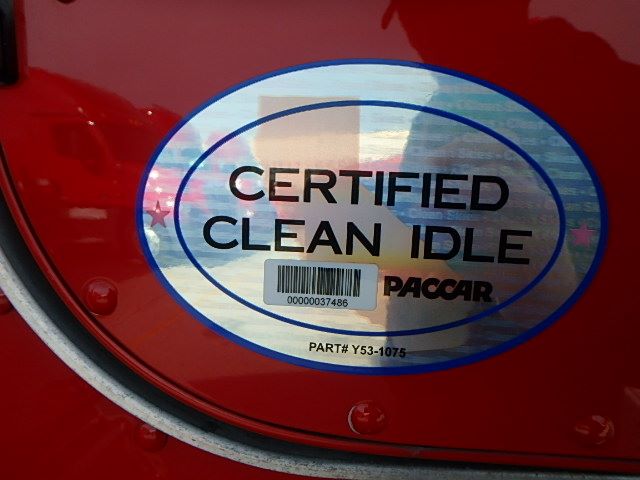
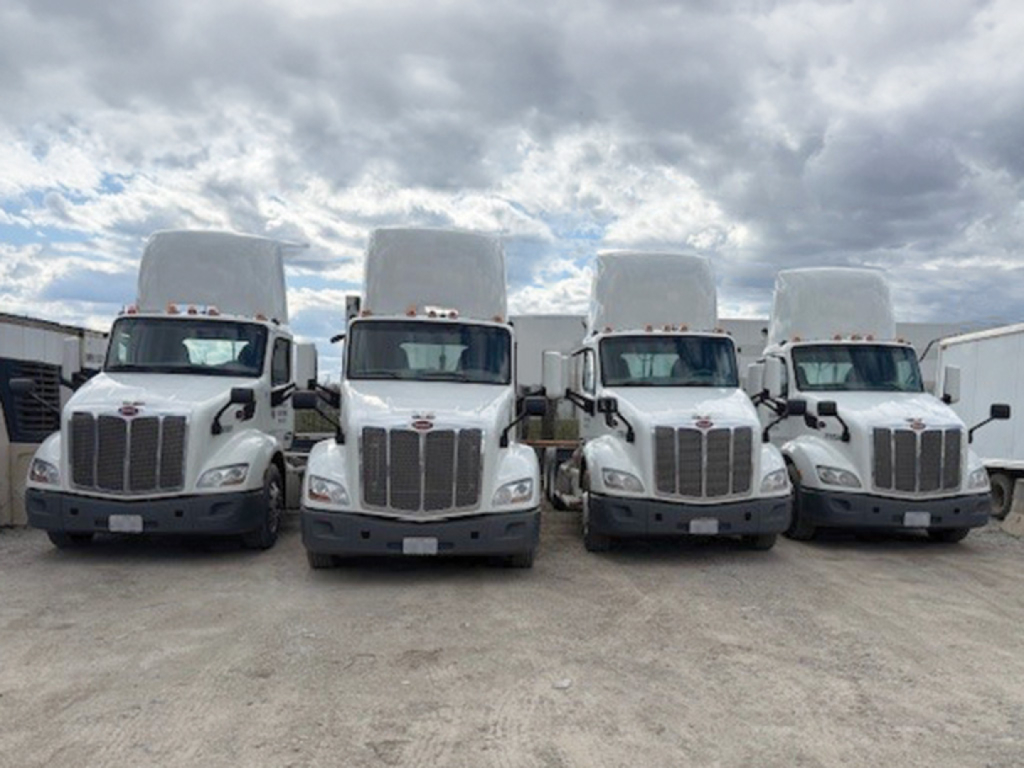
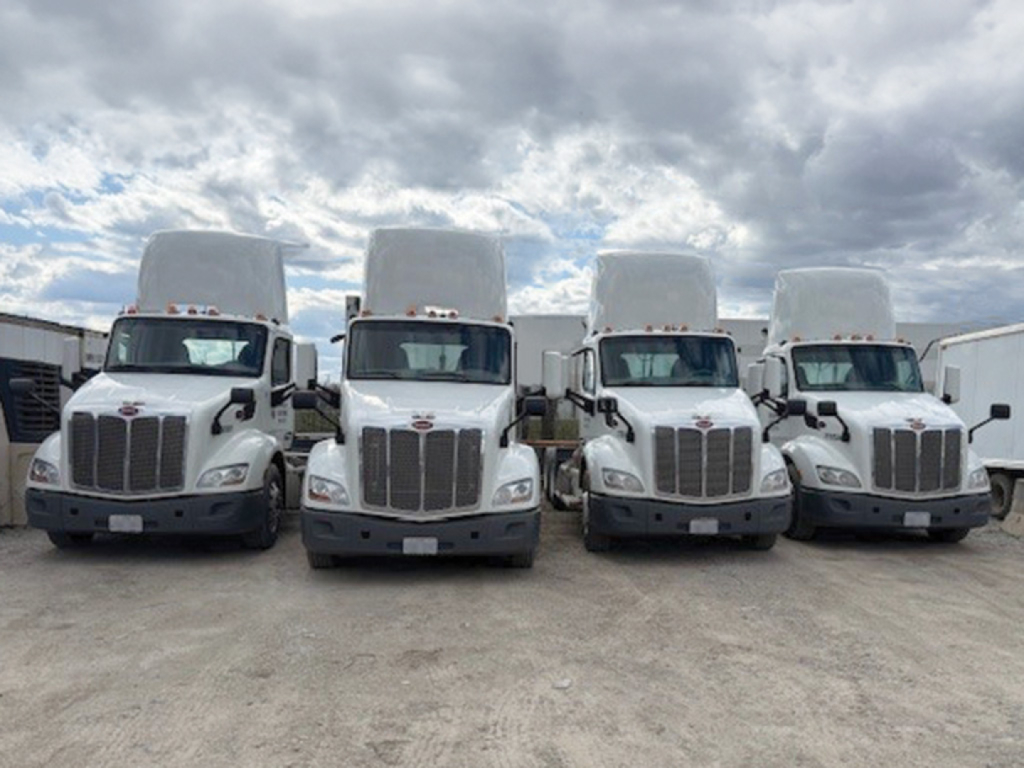
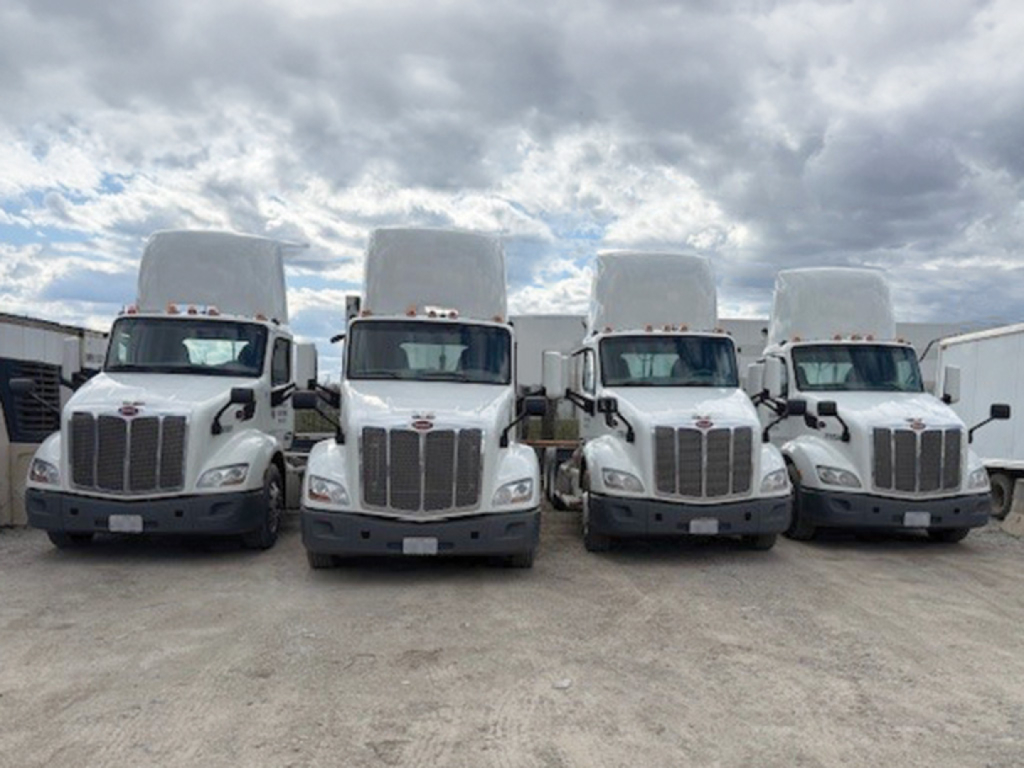

Have peterbilt conventional daycab truck to sell? List it here to reach thousands of buyers.
Peterbilt Conventional Daycab Trucks in Illinois
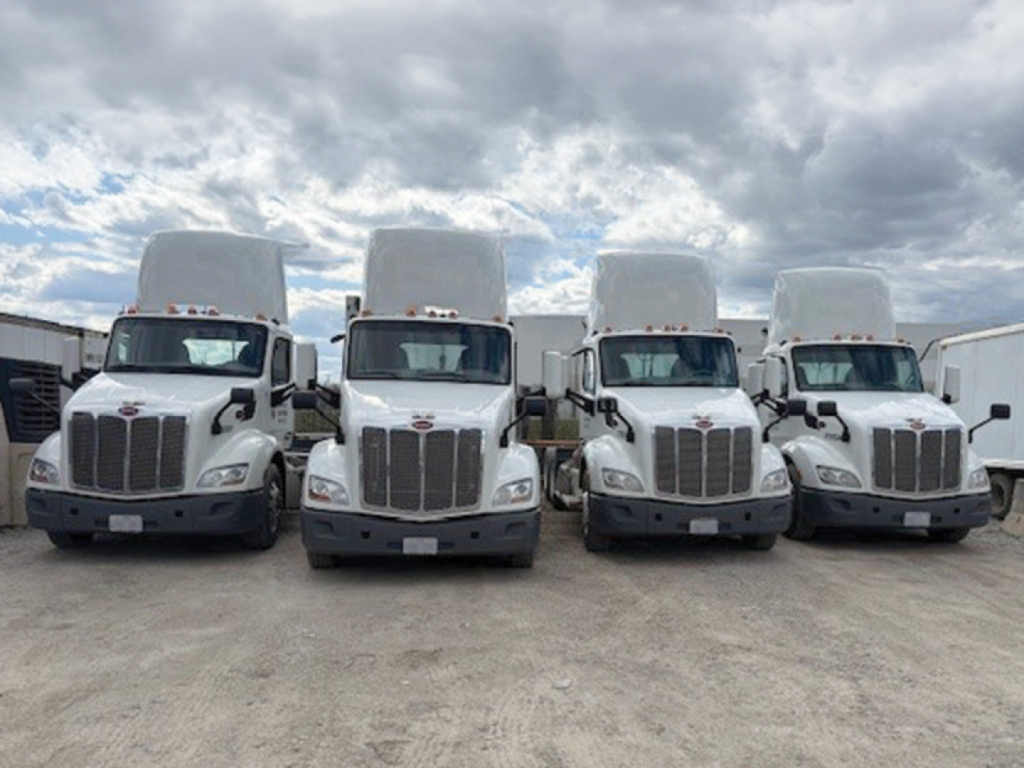
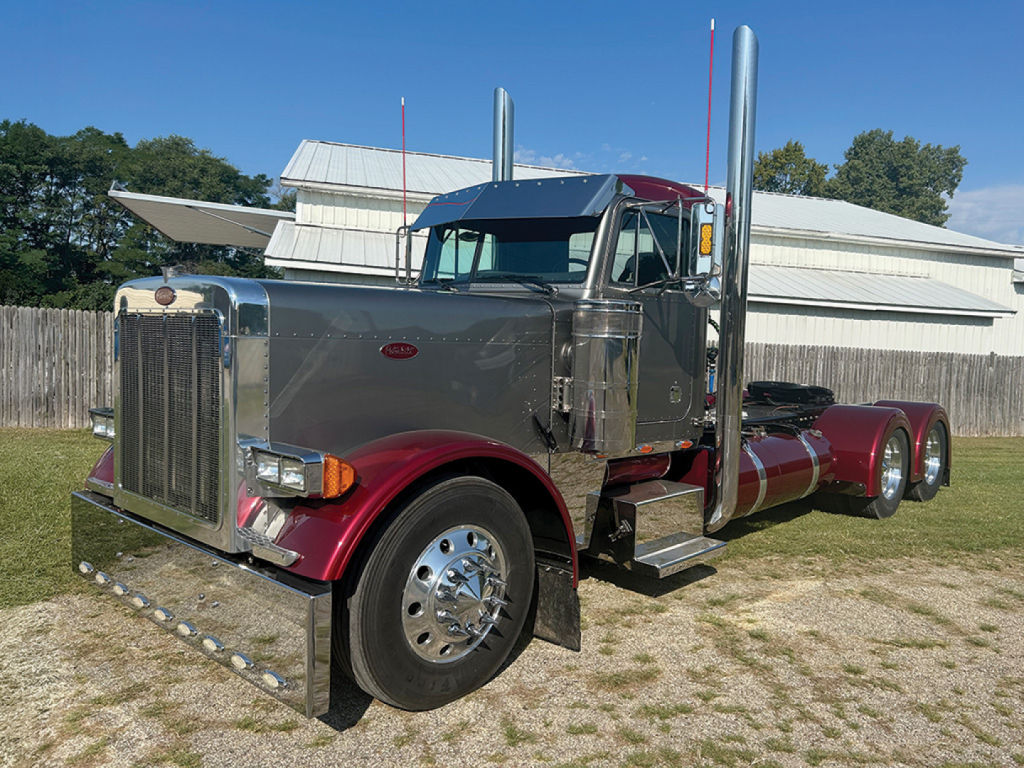
Popular Peterbilt daycab models in this category include the 579, 386, and 384. The newer 579 is generally the more aerodynamic platform, making it attractive for fleets trying to control fuel burn on regional and short line highway routes. Older 386 and 384 daycabs remain relevant for buyers who want a proven conventional chassis with straightforward serviceability and a lower acquisition cost. Typical engines in this class include the PACCAR MX-13 and Cummins X15, usually in the 425 to 455 horsepower range, paired with either Eaton-Fuller manual transmissions or automated and fully automatic options. Tandem rear axles with 40,000-pound ratings, air ride suspension, low profile 22.5 rubber, and wheelbases around 180 to 245 inches are common specs for this group.
A serious buyer should pay close attention to the truck's intended application before comparing price alone. A 180-inch wheelbase daycab may suit container work, city freight, and tighter yards, while a 210-inch to 245-inch truck can offer better ride quality, fuel capacity, and trailer tracking for regional highway lanes. Engine brake spec matters if the truck regularly sees loaded miles on rolling terrain. Fifth wheel style also matters. An air-slide fifth wheel adds flexibility for changing kingpin settings and handling different trailer lengths, while a fixed plate can reduce complexity in a dedicated setup. Suspension type, front axle capacity, brake configuration, and fuel tank size all deserve a close look because they affect payload, maintenance cost, and everyday usability.
Peterbilt daycabs also tend to hold strong appeal with owner-operators and private fleets because of driver comfort, cab visibility, and broad parts support. On used units, service history is especially important on emissions components, aftertreatment, clutch or transmission operation, steer axle wear, suspension bushings, and signs of frame or fifth wheel abuse from repeated trailer impacts. For Illinois operations, corrosion exposure from winter road treatment is worth checking closely on crossmembers, battery boxes, airlines, electrical connections, and cab mounts. A well-spec'd Peterbilt conventional daycab can be a dependable fit for regional freight with the right combination of horsepower, gearing, wheelbase, and chassis condition.
Frequently Asked Questions about Peterbilt Conventional Daycab Trucks in Illinois
What is the best Peterbilt daycab model for regional freight in Illinois?
For many regional applications, the Peterbilt 579 daycab is a strong fit because it combines aerodynamic design, modern driver ergonomics, and common fleet specs for van and reefer work. The right choice still depends on route profile and budget. A 579 often makes the most sense for higher highway miles, while a 386 or 384 can be a practical option for buyers who want a lower purchase price and a simpler older platform.
What engine and horsepower range is common in Peterbilt conventional daycab trucks?
Peterbilt conventional daycabs are commonly equipped with PACCAR MX-13 or Cummins X15 engines in the 425 to 455 horsepower range. That output covers most regional and local tandem axle tractor work. Buyers should not look at horsepower alone. Torque rating, rear axle ratio, transmission type, and total vehicle weight in the planned application all affect real-world performance and fuel economy.
How important is wheelbase on a Peterbilt daycab?
Wheelbase is one of the most important specs on a daycab because it affects maneuverability, ride quality, trailer gap, and weight distribution. Shorter wheelbases are usually easier in urban terminals, container yards, and local delivery environments. Longer wheelbases often ride better and may allow larger fuel capacity, but they can be less flexible in tight docks and crowded lots.
Should I choose a manual or automatic transmission in a used Peterbilt daycab?
That decision depends on driver pool, route type, and maintenance preference. A manual Eaton-Fuller can still appeal to owner-operators who want direct control and familiar service procedures. Automated or automatic transmissions can improve driver acceptance, reduce fatigue in stop-and-go traffic, and help standardize operation across a fleet. On a used truck, condition and maintenance history matter more than transmission type alone.
What should I inspect closely on a used Peterbilt daycab in Illinois?
Pay close attention to emissions system service records, engine fault history, transmission operation, clutch wear if equipped, suspension condition, and steer tire wear patterns. In Illinois, rust and corrosion from winter road chemicals should be checked on frame rails, crossmembers, fuel tank straps, battery boxes, wiring, and air system components. It is also smart to inspect the fifth wheel, frame around the slider area, and signs of cab or hood damage from repeated yard use.