
2020 Conventional Daycab Trucks For Sale in Alabama
Shop 2020 conventional daycab trucks in Alabama. Compare wheelbases, engines, axle setups, transmissions, and vocational specs.
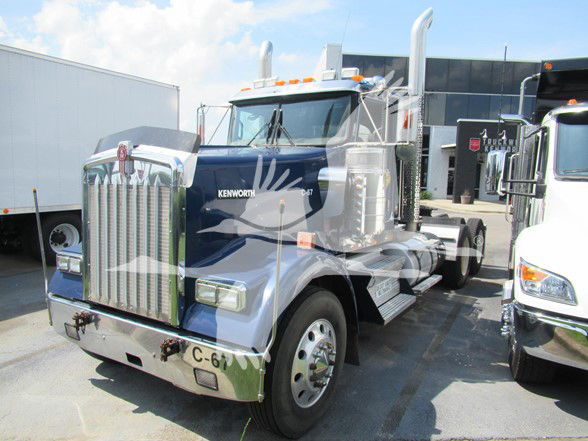
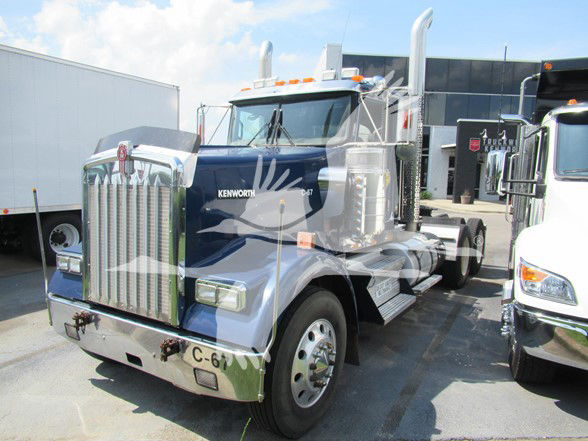
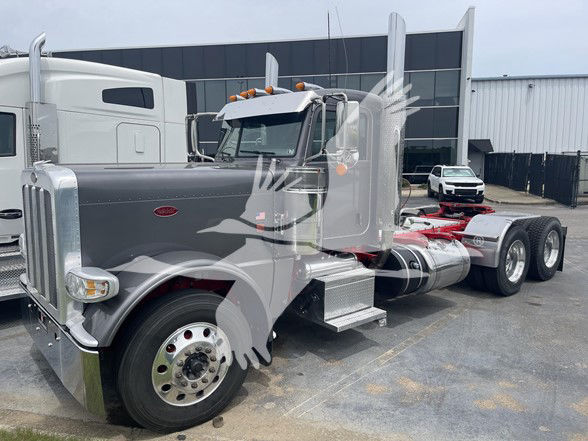
Selling a 2020 conventional daycab truck? List your 2020 conventional daycab truck for sale and reach thousands of commercial buyers.
2020 Conventional Daycab Trucks in Alabama
Powertrain selection matters more than almost any single option on a conventional daycab. In the 2020 market, common engines include Cummins X15 and similar heavy-duty platforms, paired with manual, automated manual, or full automatic transmissions depending on application. A fleet buyer moving van, reefer, or flatbed freight may prefer an automated manual for fuel efficiency and driver acceptance, while heavy equipment hauling, municipal work, or stop-and-go vocational use may lean toward an Allison automatic or a deep-reduction manual. Rear axle ratings, suspension type, and gearing should be checked closely against the truck's intended use. Air-ride rears are common for highway comfort and freight protection, while vocational buyers may prioritize heavier suspensions such as AG-style or severe-service setups for durability.
Cab and chassis details separate a standard road tractor from a true work truck. On a 2020 conventional daycab, look at frame rail specs, PTO readiness, steer axle capacity, fifth wheel type and placement, and fuel tank layout. Buyers pulling lowboys or operating in construction often need a sliding or fixed fifth wheel set to the right kingpin load target, plus enough frame strength for higher vertical loads. Short wheelbase daycabs can be easier in urban and industrial environments, but longer chassis may be necessary for bridge formula compliance, headache racks, wet kits, or body equipment. Visibility, hood set-back, and bumper-to-back-of-cab dimensions also matter if the truck will spend time on jobsites, in terminals, or around tight loading docks.
A 2020 model year can be a strong value point because it is modern enough to offer current driveline technology, emissions refinement, and driver comfort features without moving into a brand-new price bracket. In Alabama, buyers should pay attention to cooling system condition, idle hours, frame corrosion history, and maintenance records, especially on trucks that have seen heavy vocational service or high ambient temperatures. It is also smart to verify tire size, brake configuration, locking differentials, and any installed hydraulic systems before comparing listings. The best 2020 conventional daycab is the one whose wheelbase, axle ratings, transmission, and suspension already fit the job, because correcting a mismatched spec after purchase gets expensive quickly.
Frequently Asked Questions about 2020 Conventional Daycab Trucks in Alabama
What is a conventional daycab truck used for?
A conventional daycab truck is used for hauling where the driver returns home daily or does not need a sleeper berth. Common applications include regional freight, local delivery, port work, dump service, tanker, flatbed, lowboy, and municipal or construction-related operations. The conventional hood design allows easier engine access and supports a wide range of axle, wheelbase, and vocational chassis configurations.
What should I check first on a 2020 conventional daycab?
Start with the truck's intended job and compare that against axle ratings, wheelbase, transmission type, suspension, and fifth wheel setup. A highway daycab spec can be very different from a heavy-haul or vocational spec even when both are labeled conventional daycabs. Engine rating, rear axle ratio, PTO capability, and frame specifications should be confirmed early because these items drive both performance and upfit compatibility.
Is an automated manual or automatic transmission better in a daycab?
It depends on the route and duty cycle. Automated manuals are common in linehaul and regional daycab service because they usually support good fuel economy and simplify driver training. Full automatics are often preferred in severe stop-and-go work, vocational service, and heavy hauling where smoother low-speed control and reduced driver fatigue matter more than highway efficiency.
Why does wheelbase matter on a conventional daycab?
Wheelbase affects turning radius, weight distribution, ride quality, trailer clearance, and body or equipment installation space. A shorter wheelbase is easier to maneuver in terminals, plants, and city streets, while a longer wheelbase may be required for lowboy work, bridge law compliance, larger fuel capacity, wet kit installation, or better kingpin load placement. Matching wheelbase to trailer type and operating environment is one of the most important buying decisions.
Are 2020 daycab trucks a good value for fleet and owner-operator buyers?
A 2020 daycab can offer a strong balance of modern equipment and more manageable acquisition cost than newer model years. Many 2020 trucks include updated powertrains, safety features, and improved cab ergonomics while still being widely serviceable through major dealer and aftermarket networks. The real value depends on prior maintenance, emissions system condition, idle time, and whether the original spec matches the work the truck is expected to do.