
2020 Volvo Conventional Daycab Trucks For Sale
Shop 2020 Volvo conventional daycab trucks with D11 or D13 power, I-Shift options, aerodynamic cabs, and specs built for regional hauling.
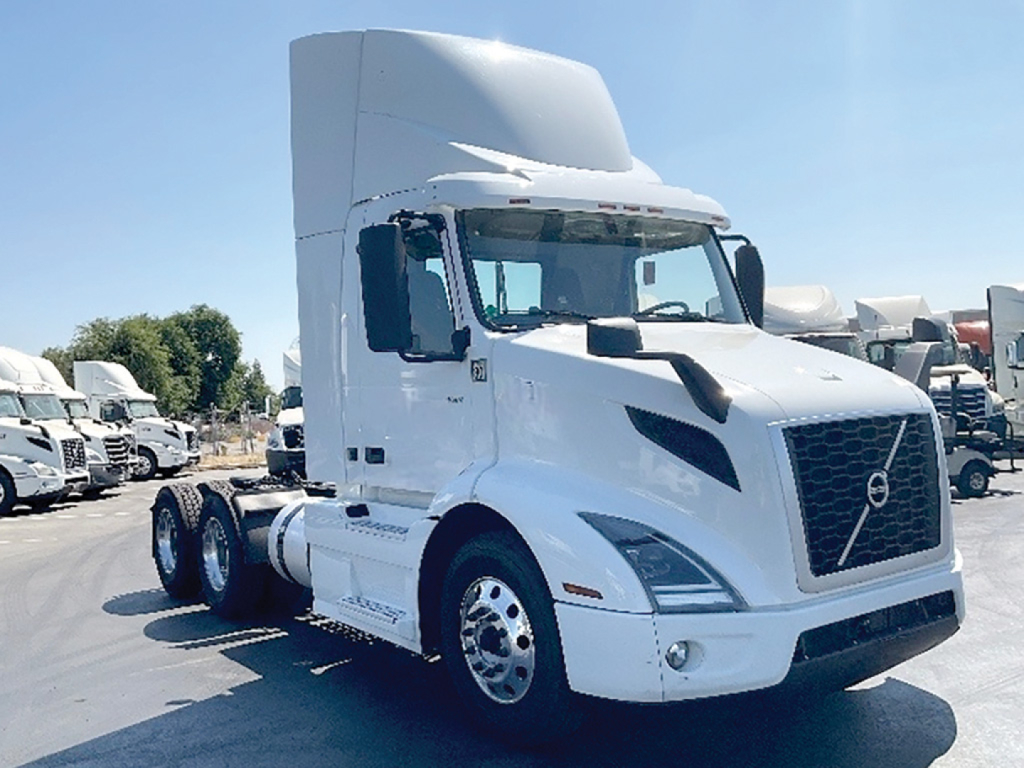
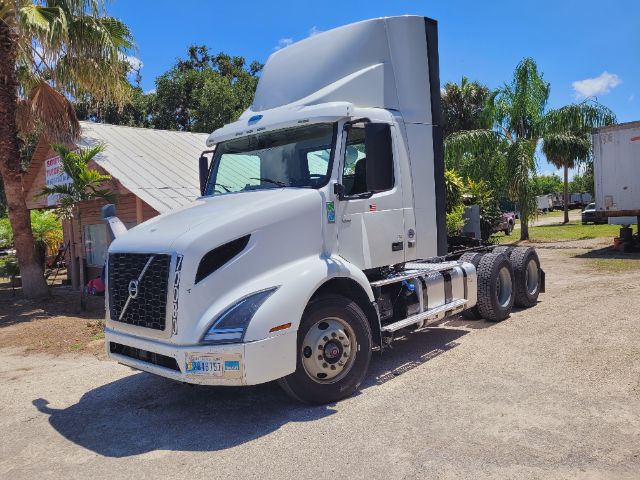

Selling a 2020 volvo conventional daycab truck? List your 2020 volvo conventional daycab truck for sale and reach thousands of commercial buyers.
2020 Volvo Conventional Daycab Trucks
Powertrain choice is a major buying factor on a 2020 model. Many 2020 Volvo daycabs are equipped with Volvo D11 or D13 diesel engines paired with the Volvo I-Shift automated manual, although some fleets still favor manual transmissions for certain vocational or severe stop-start applications. Horsepower and torque ratings vary with the intended duty cycle, but regional specs often land in the range suited for van, reefer, tanker, and intermodal work rather than heavy lowboy service. Rear axle ratios, wheelbase, and suspension setup make a big difference in how the truck performs, especially if the tractor will spend time in tight yards or urban dock environments. Buyers should look closely at front axle rating, rear axle capacity, fifth wheel position, and whether the truck has a single frame or any frame modifications for specialized upfits.
On a used 2020 Volvo conventional daycab, emissions and braking systems deserve close attention. These trucks use modern aftertreatment with DEF, and service records for the DPF, SCR, sensors, and related emissions components can tell you a lot about how the truck was maintained. Volvo’s air disc brake specs are common and are a plus for fleets focused on stopping performance, reduced brake fade, and easier wheel-end service. It is also smart to review ECM miles and engine hours together, because regional daycabs can accumulate substantial idle time or PTO-related hours even when odometer readings look moderate. If the truck is equipped with adaptive cruise, collision mitigation, lane departure warning, or tire pressure monitoring, those features can add value for larger fleets and safety-conscious operators.
Cab condition and chassis layout matter just as much as engine choice. A true daycab should give the driver easy entry and exit, good outward visibility, and a practical interior layout for multi-stop work. On 2020 Volvos, buyers often focus on seat wear, HVAC performance, dash warning history, fairing condition, and signs of front-end or hood damage from city use. Wheelbase and cab-to-axle dimensions should match the trailer types being pulled and the bridge laws in the lanes the truck will run. For buyers comparing multiple 2020 Volvo conventional daycab trucks for sale, the best value usually comes from matching the spec to the route first, then verifying maintenance history, fault codes, clutch or I-Shift behavior, and overall chassis condition.
Frequently Asked Questions about 2020 Volvo Conventional Daycab Trucks
What is a 2020 Volvo conventional daycab best suited for?
A 2020 Volvo conventional daycab is best suited for regional hauling, local and short-haul freight, intermodal work, dedicated fleet routes, and distribution service where drivers return home daily. It offers the visibility and maneuverability needed for terminals, city traffic, and dock work, while still delivering the ride quality and aerodynamics expected from a highway tractor.
Which engines are common in a 2020 Volvo daycab?
Common engine choices in a 2020 Volvo daycab include the Volvo D11 and Volvo D13. The D11 is often favored in weight-sensitive regional applications because it balances power and fuel economy well, while the D13 is more common when buyers need higher torque for heavier freight, steeper terrain, or sustained highway use with higher gross combination weights.
Is the Volvo I-Shift a good transmission for a daycab application?
The Volvo I-Shift is widely considered a strong fit for daycab service because it improves driver consistency, reduces clutch wear, and helps fleets manage fuel economy across mixed driver skill levels. In stop-and-go regional work, it can also reduce driver fatigue compared with a manual transmission. A buyer should still confirm shift quality, software update history, and clutch calibration during inspection.
What should buyers inspect first on a used 2020 Volvo conventional daycab?
Start with maintenance records, fault codes, and engine hours relative to odometer miles. Then inspect the emissions system, transmission operation, brake condition, suspension wear, and signs of frame damage or poor repairs. Because daycabs often work in tighter environments, bumper, hood, steering, and front axle wear can reveal a lot about prior use. Interior wear, seat condition, and HVAC performance also matter on trucks used for daily multi-stop routes.
How do wheelbase and axle ratio affect a Volvo daycab’s performance?
Wheelbase affects turning radius, trailer swing clearance, ride quality, and bridge compliance, while axle ratio influences launch performance, cruise rpm, fuel economy, and gradeability. A shorter wheelbase is often preferred for city, port, and yard access, while a longer wheelbase may track better on highway runs. Matching the axle ratio to the engine, transmission, and average load is important if the truck will be used for regional van, reefer, tanker, or container service.