
2020 Conventional Daycab Trucks For Sale in Oklahoma
Shop 2020 conventional daycab trucks in Oklahoma. Compare specs, axle ratings, wheelbases, engines, and drivetrain setups for regional hauling.
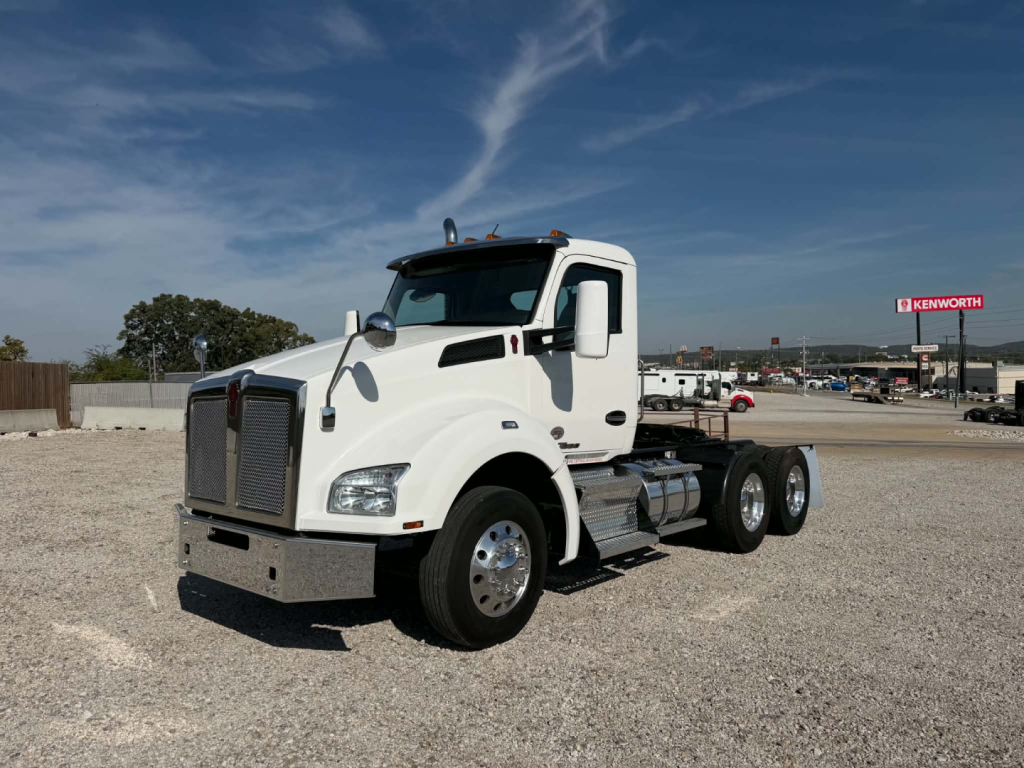
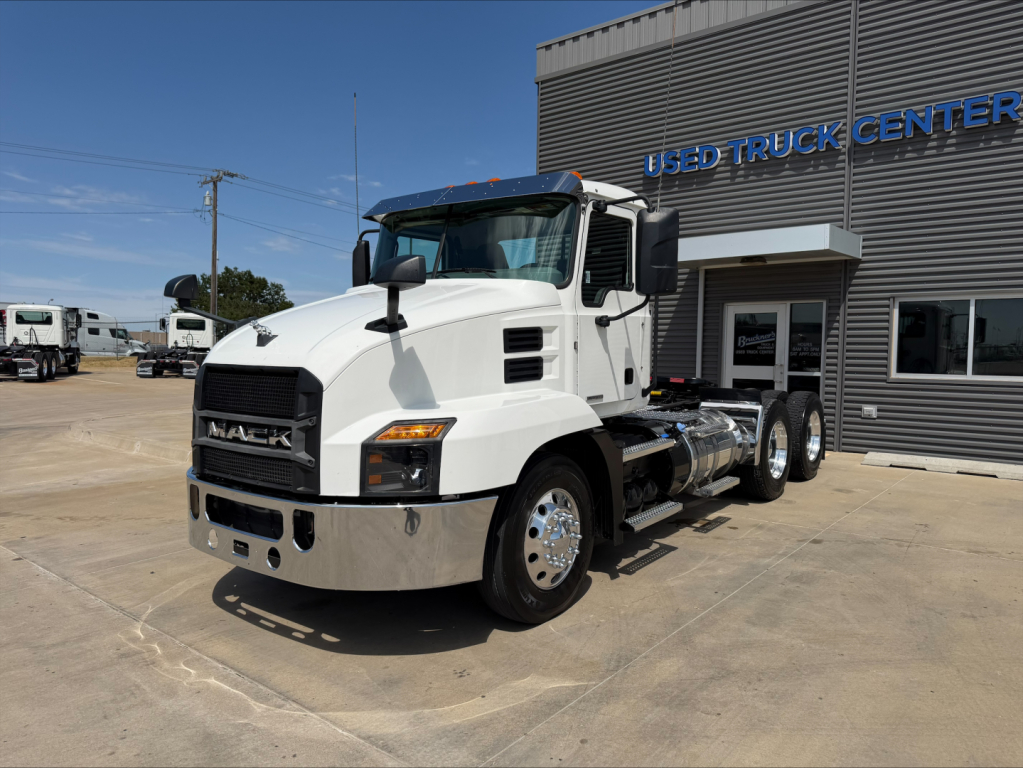
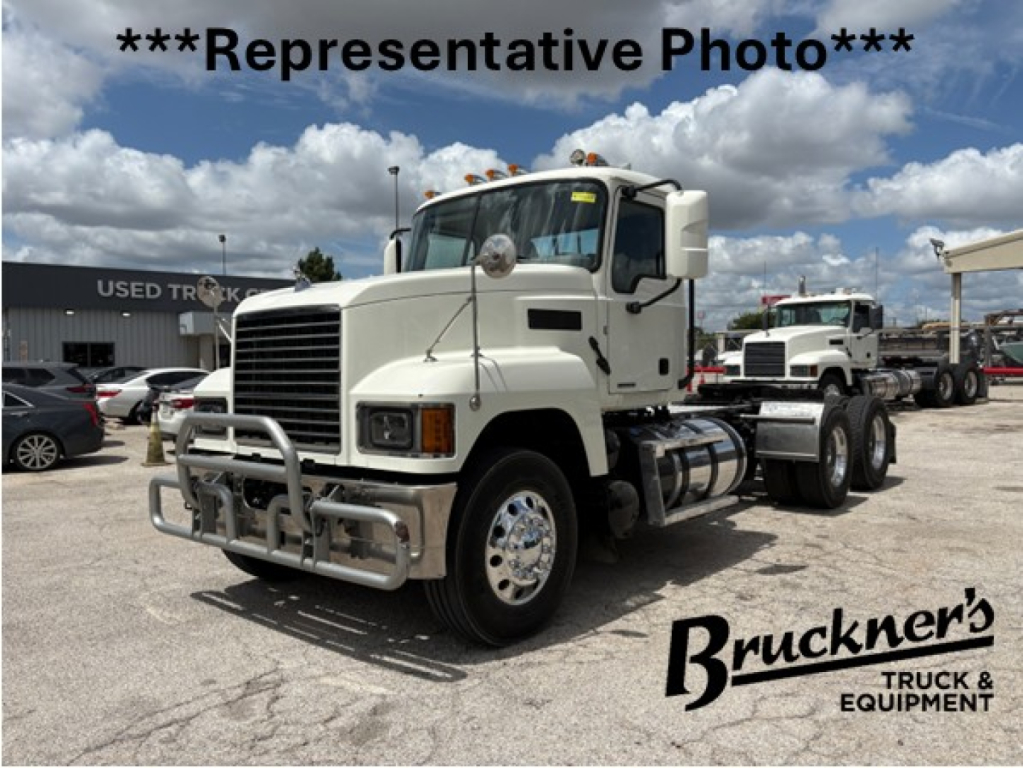
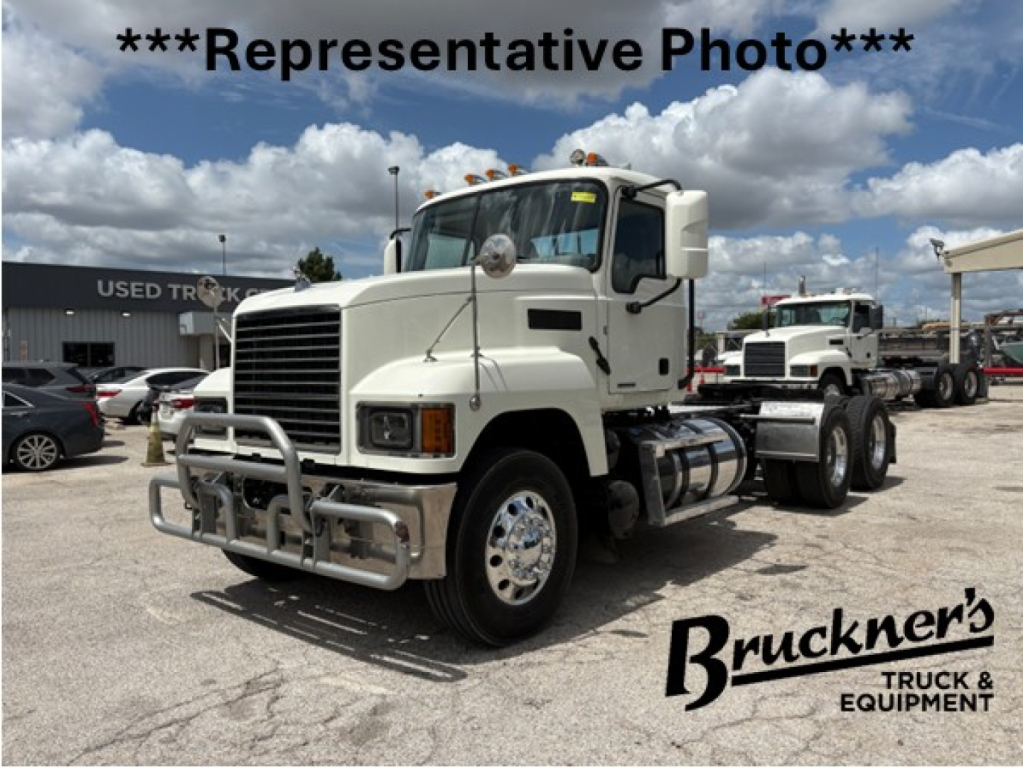
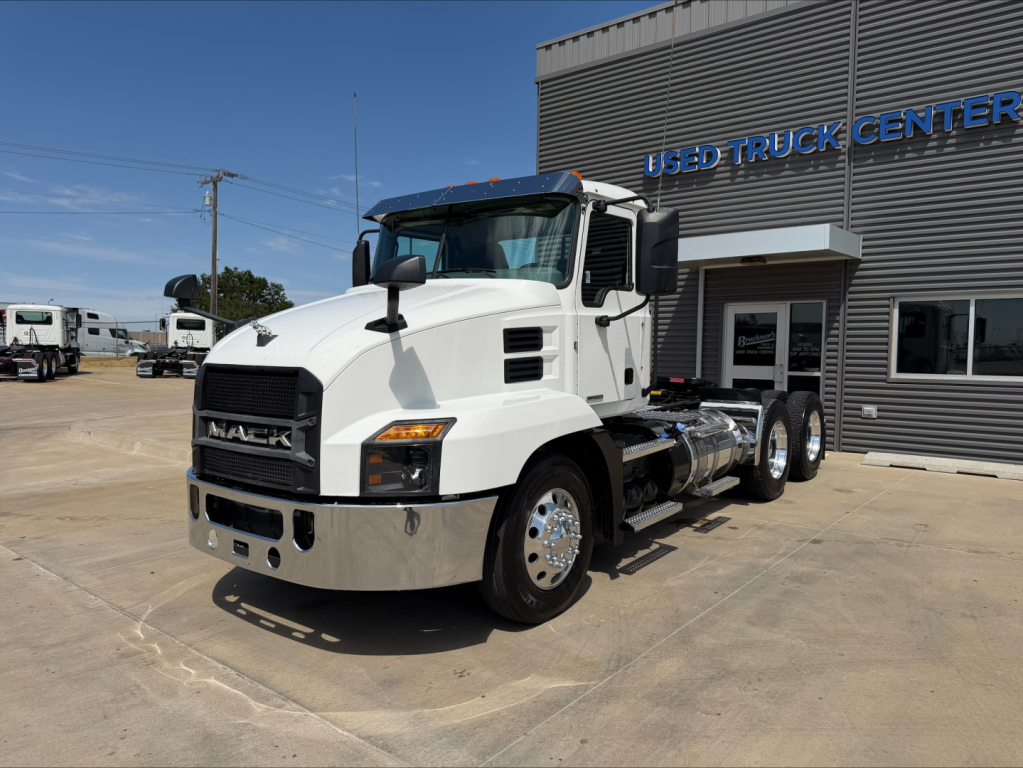
2020 Mack PI64T
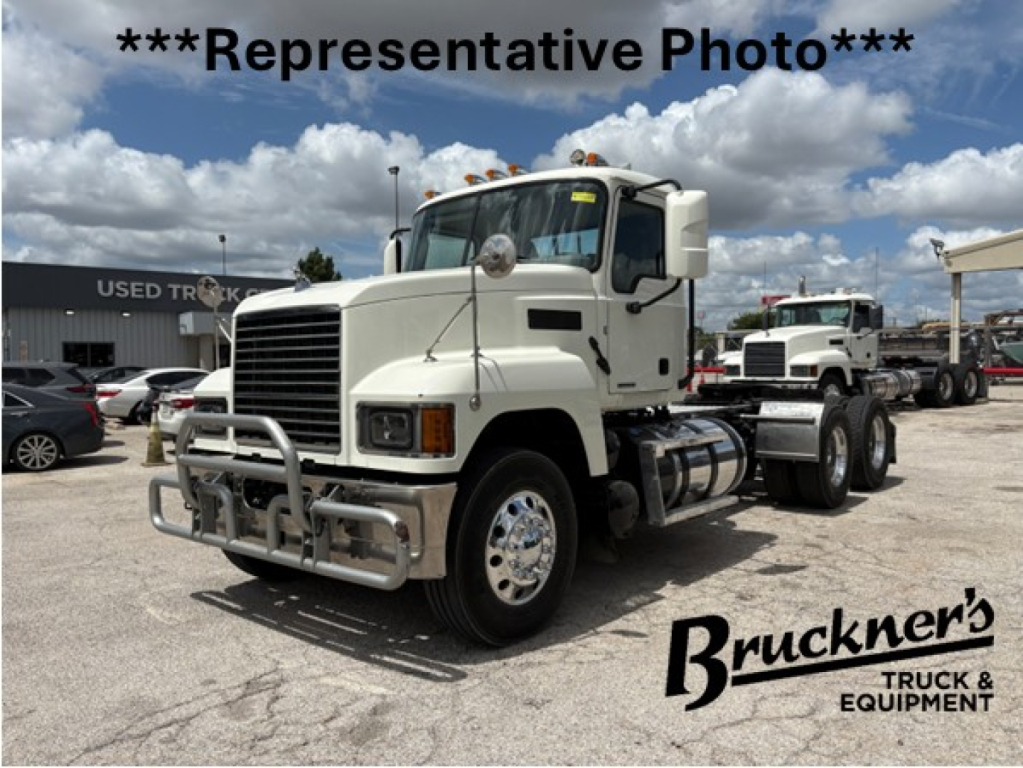
2020 Mack PI64T
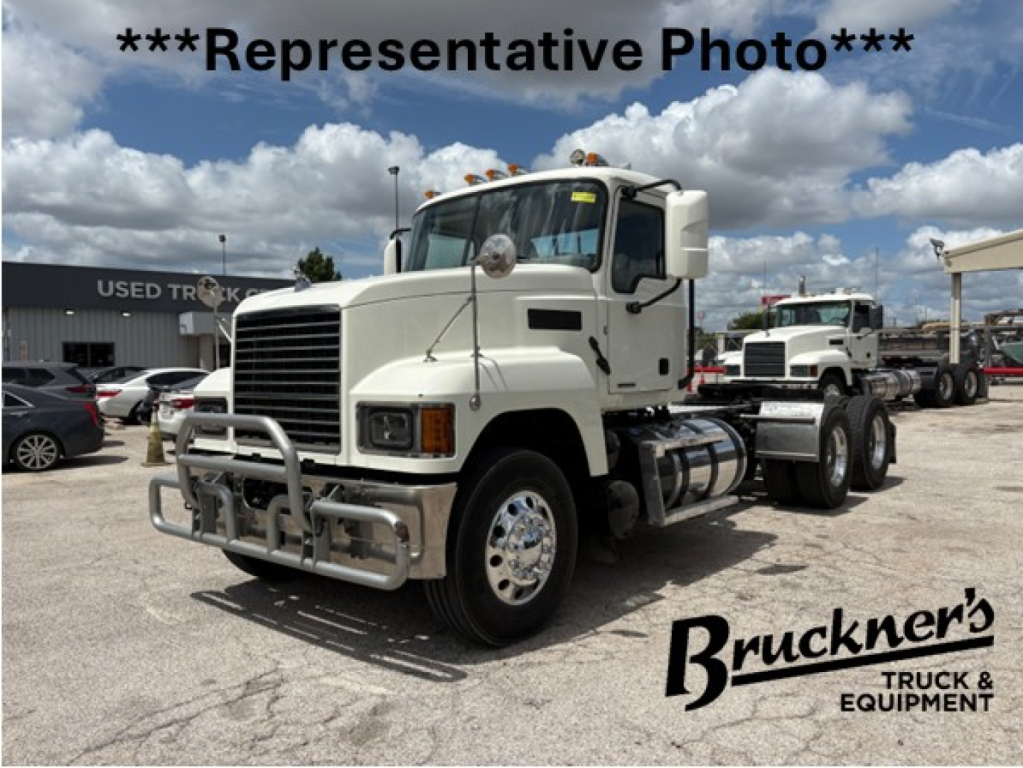
2020 Mack PI64T
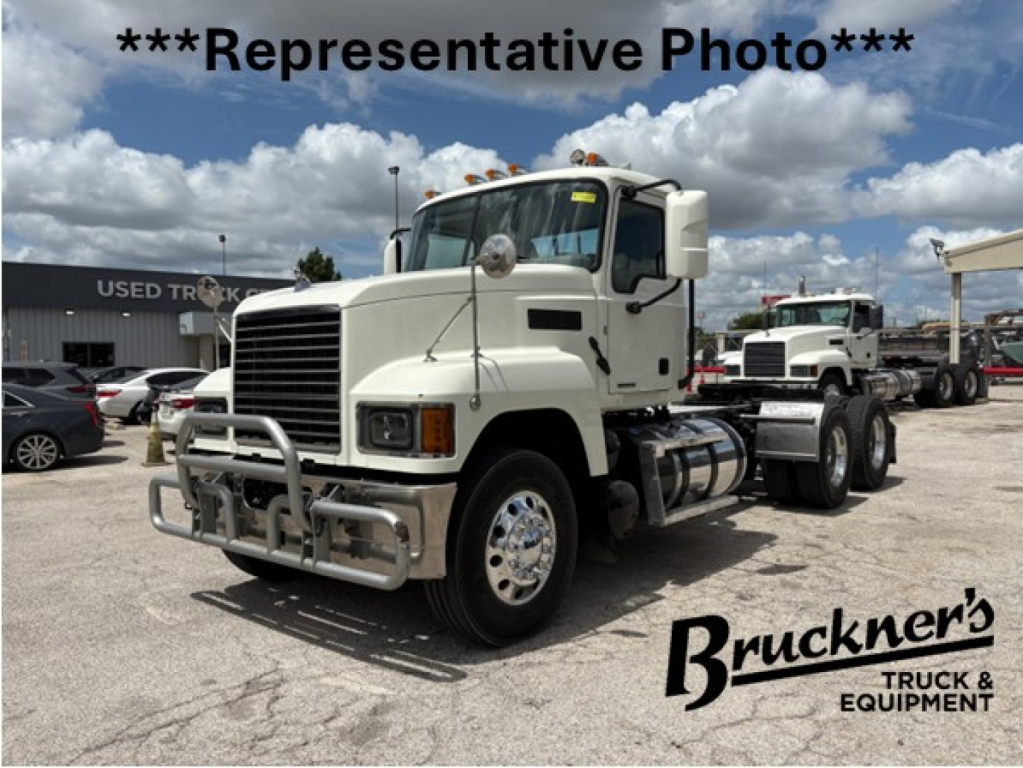
2020 Mack PI64T
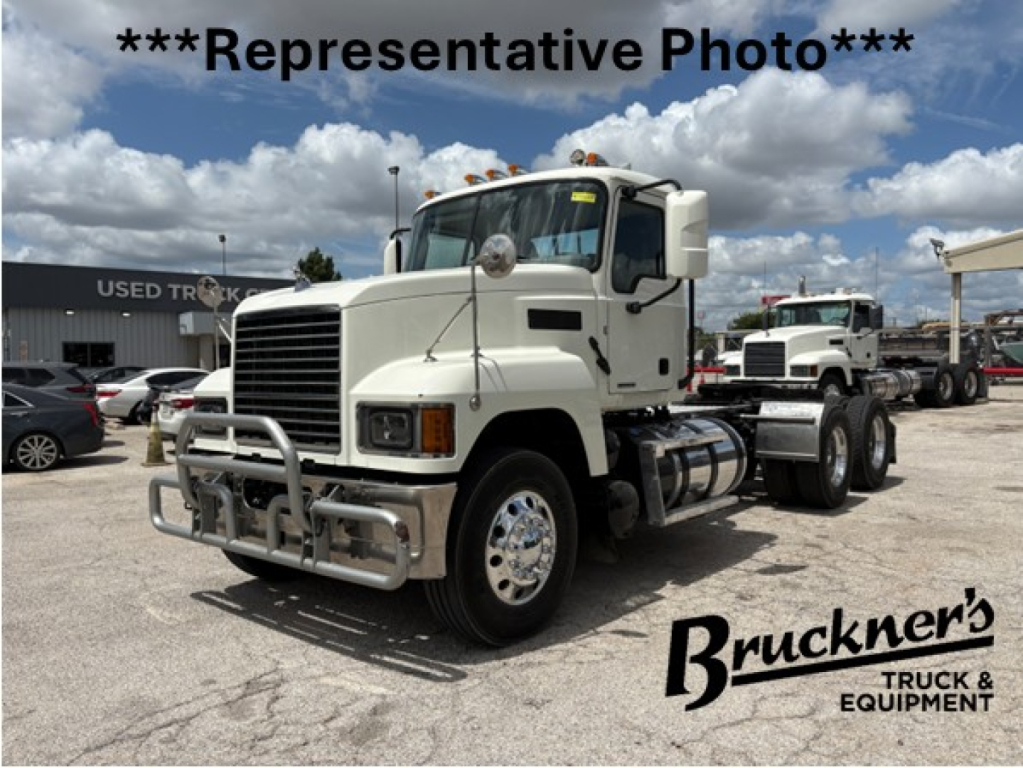
2020 Mack PI64T
Selling a 2020 conventional daycab truck? List your 2020 conventional daycab truck for sale and reach thousands of commercial buyers.
2020 Conventional Daycab Trucks in Oklahoma
On 2020 models, you will commonly see engines in the 400 to 500 horsepower range with torque matched to regional or vocational-style applications. Automated manual transmissions are especially common in this year range, though some buyers still prefer manual gearboxes for specific operations or driver familiarity. Rear axle ratios such as 3.08, 3.25, 3.36, and 3.55 each change how the truck performs under load and at cruise speed. Lower numerical ratios generally favor fuel economy on highway runs, while deeper ratios help with startability, heavier trailers, and stop-and-go service. Wheelbase also matters more than many buyers expect. A shorter wheelbase can improve maneuverability in tight yards and urban docks, while a longer wheelbase may be a better fit for fuel capacity, ride quality, and certain fifth wheel positions.
A good 2020 daycab should be evaluated beyond engine make and mileage. Front axle rating, rear suspension type, tire size, fuel tank capacity, and fifth wheel spec all affect how the truck will work in your operation. Air ride rear suspension remains popular for general freight because it improves ride quality and helps protect cargo, while heavier spring or vocational suspensions may make sense for rougher service. Buyers should also check emissions system history, idle hours, PTO needs, collision mitigation features, and whether the truck has adaptive cruise, lane departure alerts, or other driver-assist systems that became more common around this model year. If the truck will pull a wide mix of trailers, confirm kingpin settings, frame height, and tire profile so the tractor matches your trailer fleet without causing clearance or weight distribution issues.
For many fleets and owner-operators, a 2020 conventional daycab offers a useful midpoint between newer technology and established serviceability. These trucks are modern enough to include updated safety systems, more refined automated transmissions, and efficient aftertreatment calibration, but old enough that maintenance trends and component reliability are easier to judge. The best fit comes down to route length, average payload, trailer type, and shop preferences. A regional van or reefer operation may prioritize fuel economy, lighter spec components, and aero features, while a heavier flatbed or bulk haul application may need higher horsepower, stronger axle ratings, and a more aggressive ratio. Matching the spec to the actual duty cycle is what keeps a daycab productive and cost-efficient.
Frequently Asked Questions about 2020 Conventional Daycab Trucks in Oklahoma
What is the main advantage of a 2020 conventional daycab truck?
The main advantage is that it is optimized for work that does not require a sleeper. A 2020 conventional daycab typically offers a lower curb weight than a sleeper tractor, easier maneuverability in yards and city delivery points, and a lower acquisition cost for many regional applications. It is a strong fit for local and regional hauling, port drayage, dedicated routes, and trailer shuttling where drivers return home regularly.
How do I choose between a single-axle and tandem-axle 2020 daycab?
The choice depends on trailer weight, freight type, and legal weight requirements. A single-axle daycab is often used for lighter freight, short regional routes, and operations that value lower weight and operating cost. A tandem-axle daycab is better for heavier trailers, higher gross combination weight ratings, and more demanding applications such as flatbed, bulk, or multi-stop freight with variable payloads. Buyers should confirm axle ratings, suspension capacity, and the intended GCWR before deciding.
What specs matter most when buying a used 2020 conventional daycab?
The most important specs are engine horsepower and torque, transmission type, rear axle ratio, wheelbase, axle ratings, suspension, and fuel capacity. Those specs determine how the truck starts under load, how efficiently it cruises, how well it turns in tight areas, and what trailers it can handle. Buyers should also review maintenance records, aftertreatment service history, idle hours, tire condition, brake life, and any active fault codes because those factors affect total cost of ownership as much as the basic driveline spec.
Are automated manual transmissions common in 2020 daycab trucks?
Yes. Automated manual transmissions are very common in 2020 conventional daycabs, especially in regional fleet service. They can improve driver consistency, reduce clutch wear, and help fuel economy when matched to the right rear axle ratio and duty cycle. They are not automatically the best choice for every application, so buyers should consider driver preference, terrain, low-speed maneuvering needs, and service support in their area.
What wheelbase works best for a conventional daycab in Oklahoma?
There is no single best wheelbase because Oklahoma operations vary widely. A shorter wheelbase generally works better for city delivery, tight yards, and frequent docking. A longer wheelbase can improve ride quality, fuel tank capacity, and fitment for certain trailer setups on longer regional lanes. The right choice depends on trailer length, kingpin setting, bridge law requirements, and how often the truck needs to maneuver in confined spaces.