
2020 Conventional Daycab Trucks For Sale in Texas
Shop 2020 conventional daycab trucks in Texas. Compare specs, axle ratings, wheelbases, engine options, and fleet-ready regional haul setups.
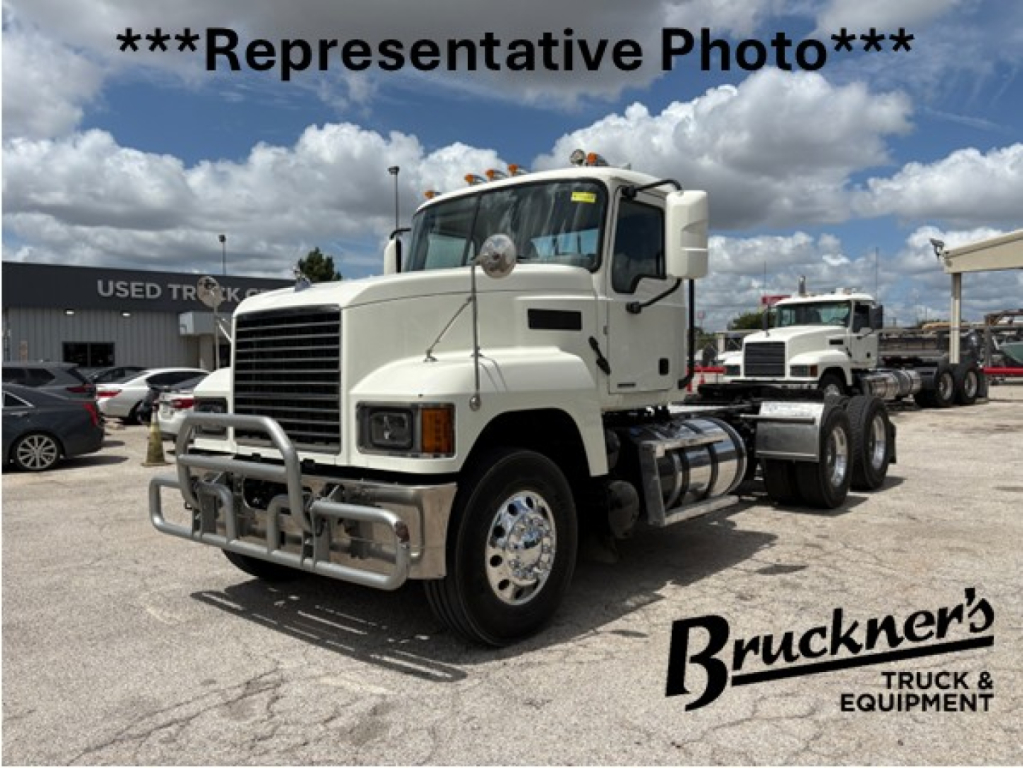
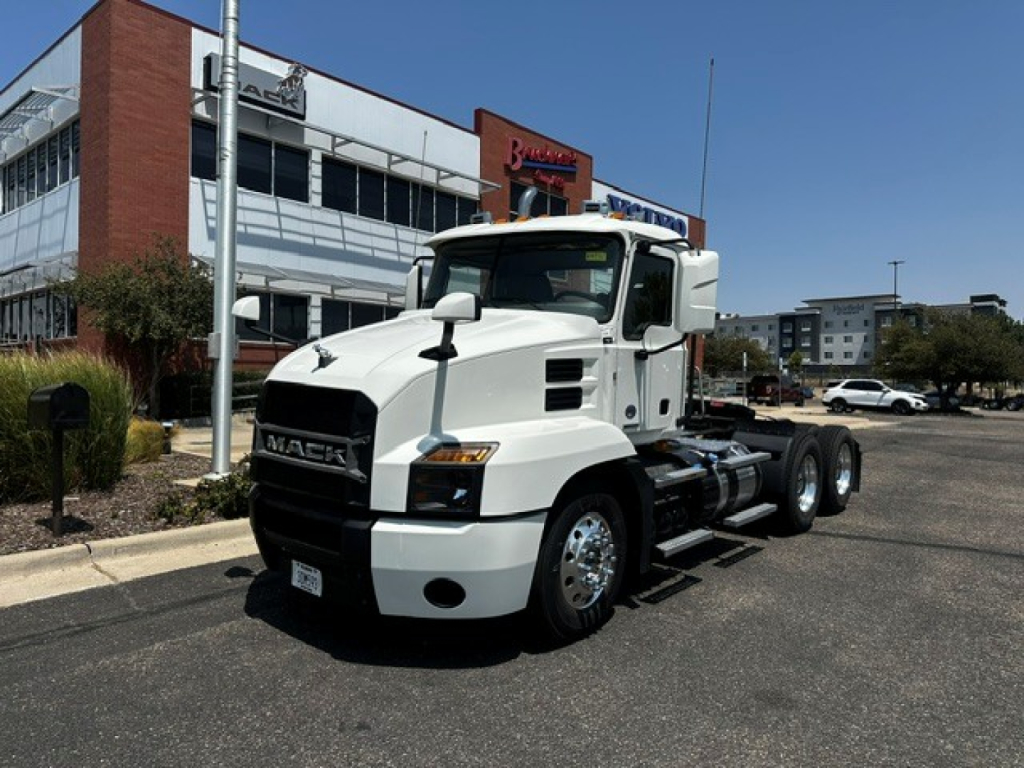
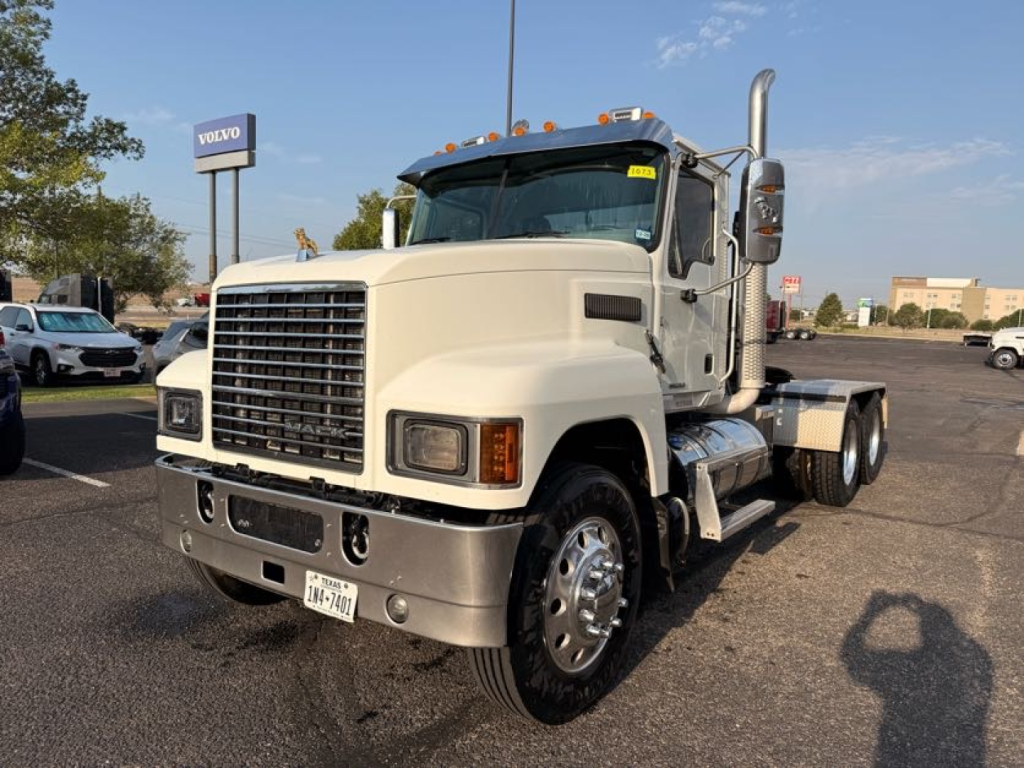
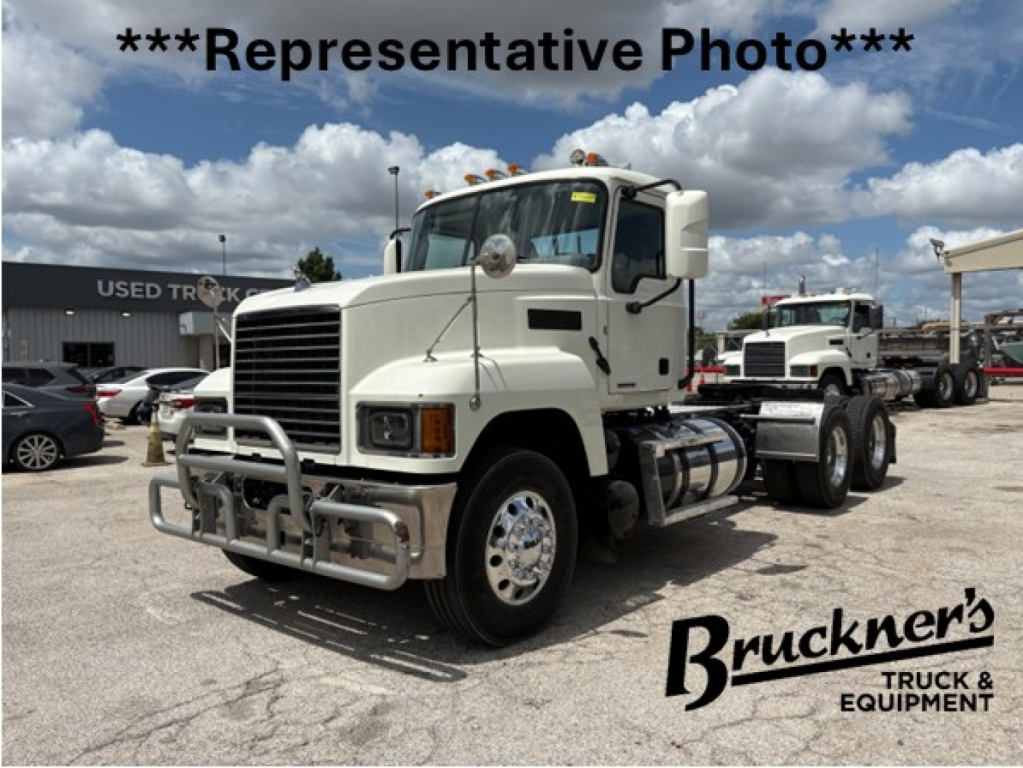
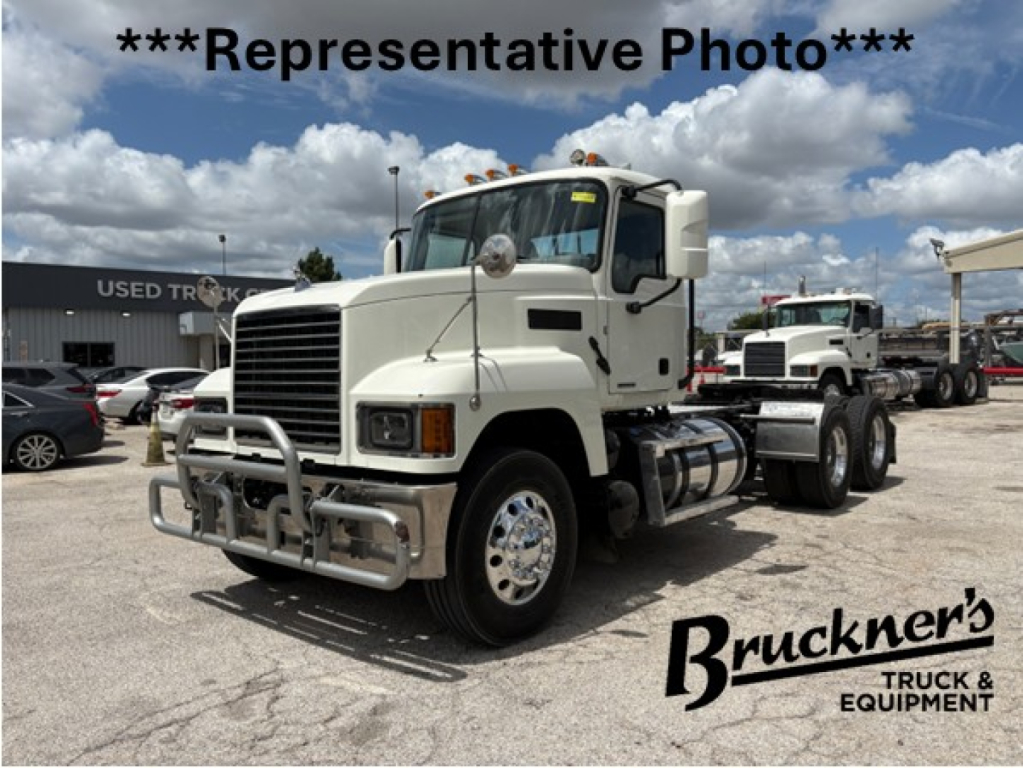
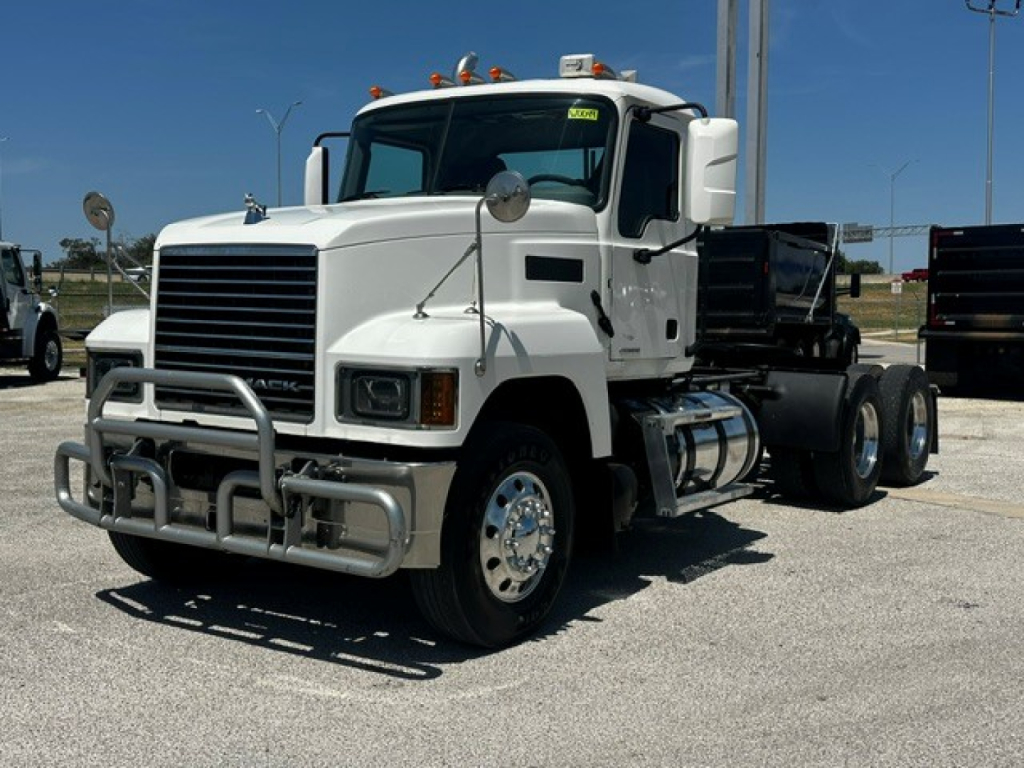
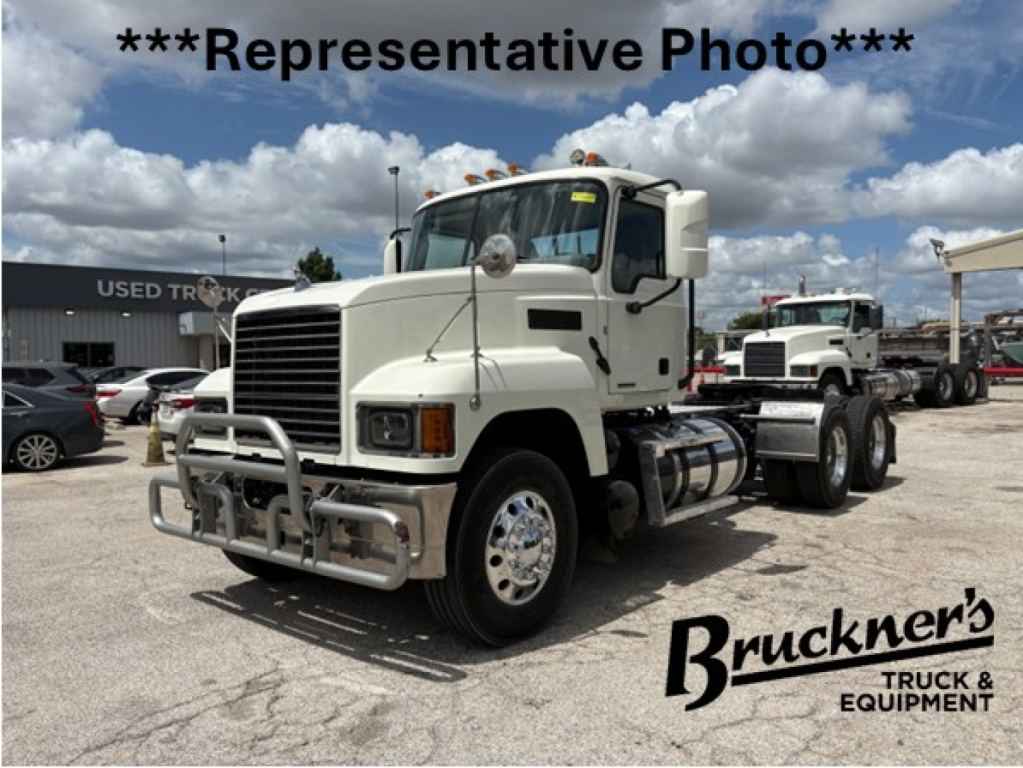
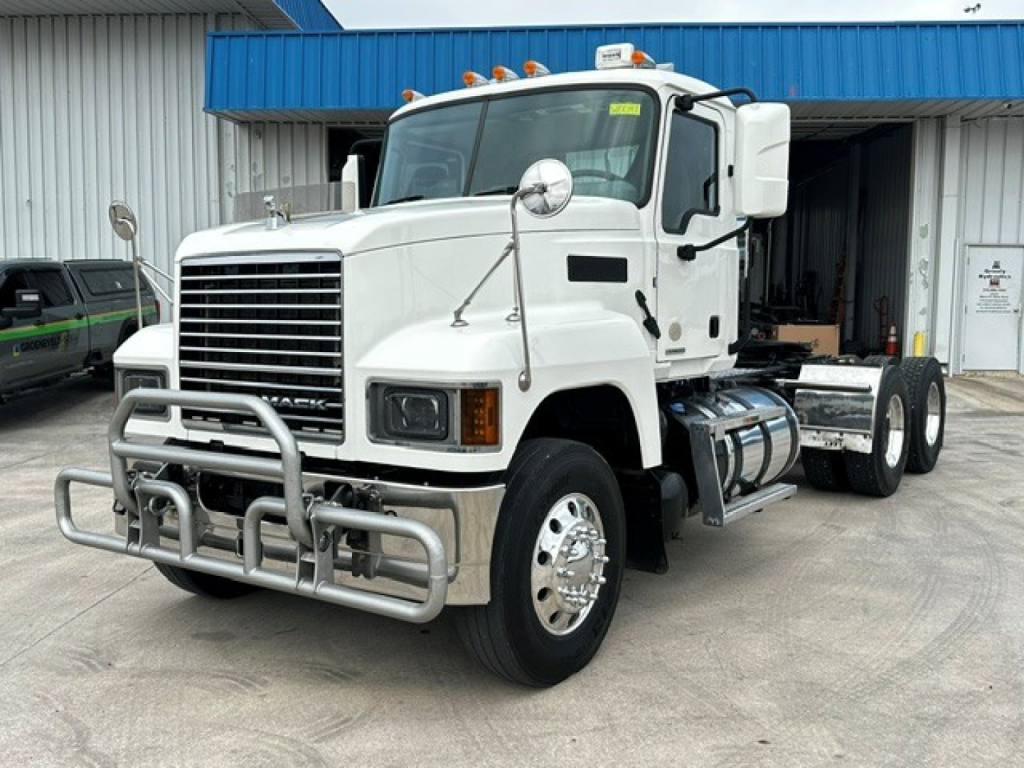
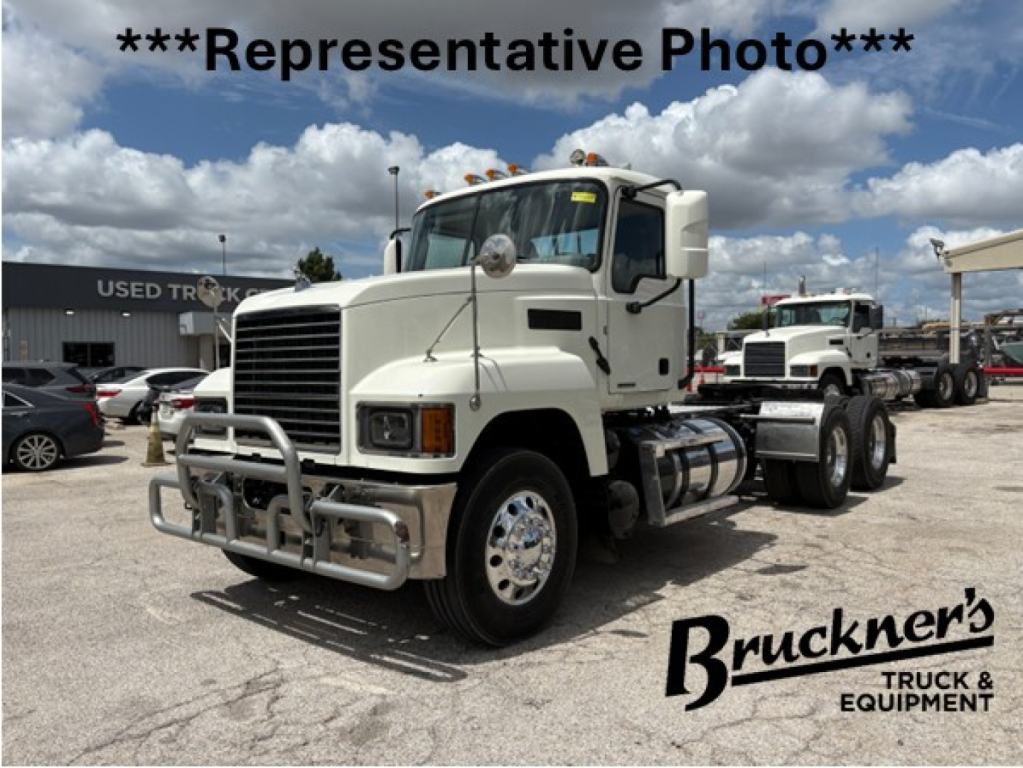
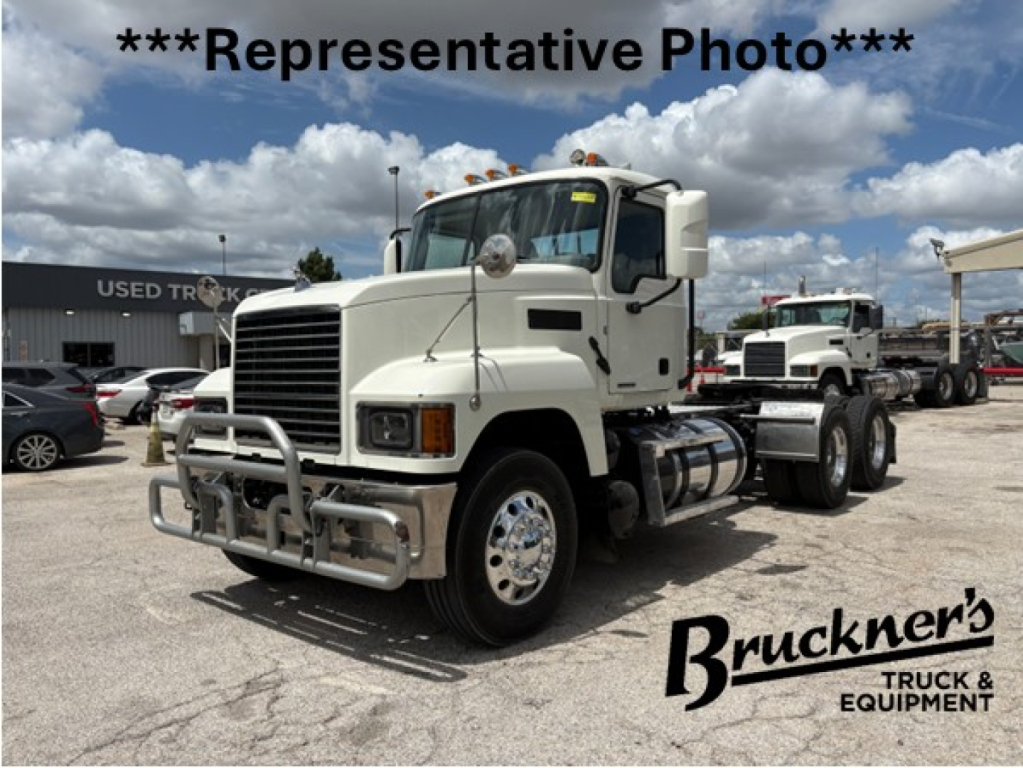
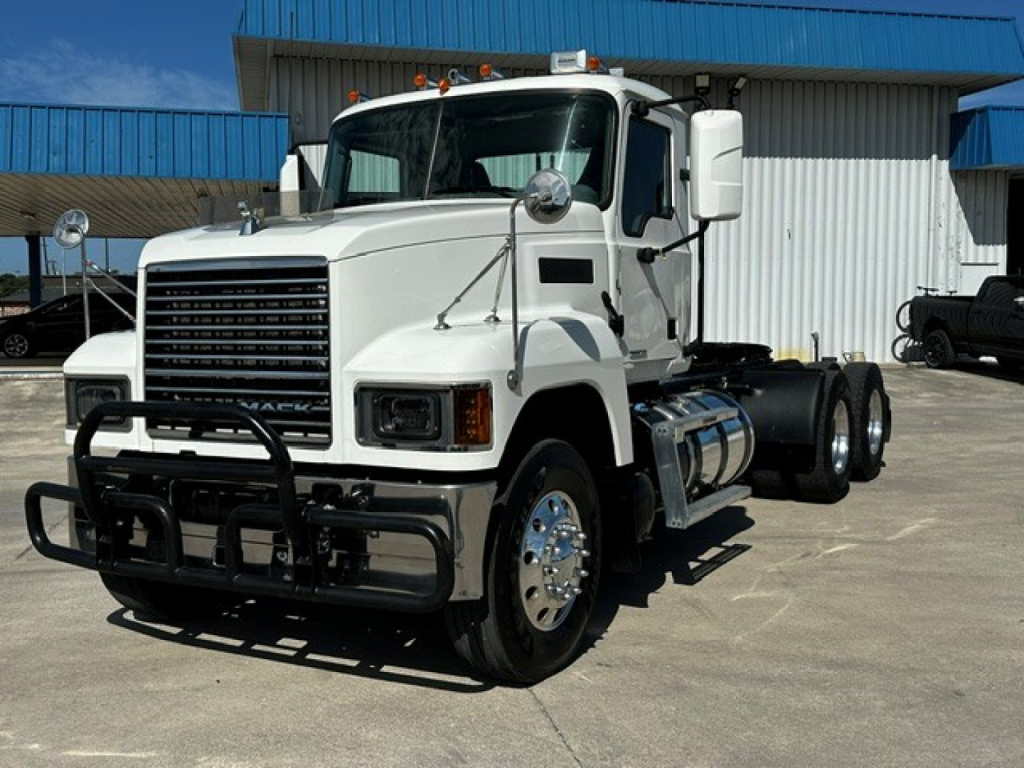
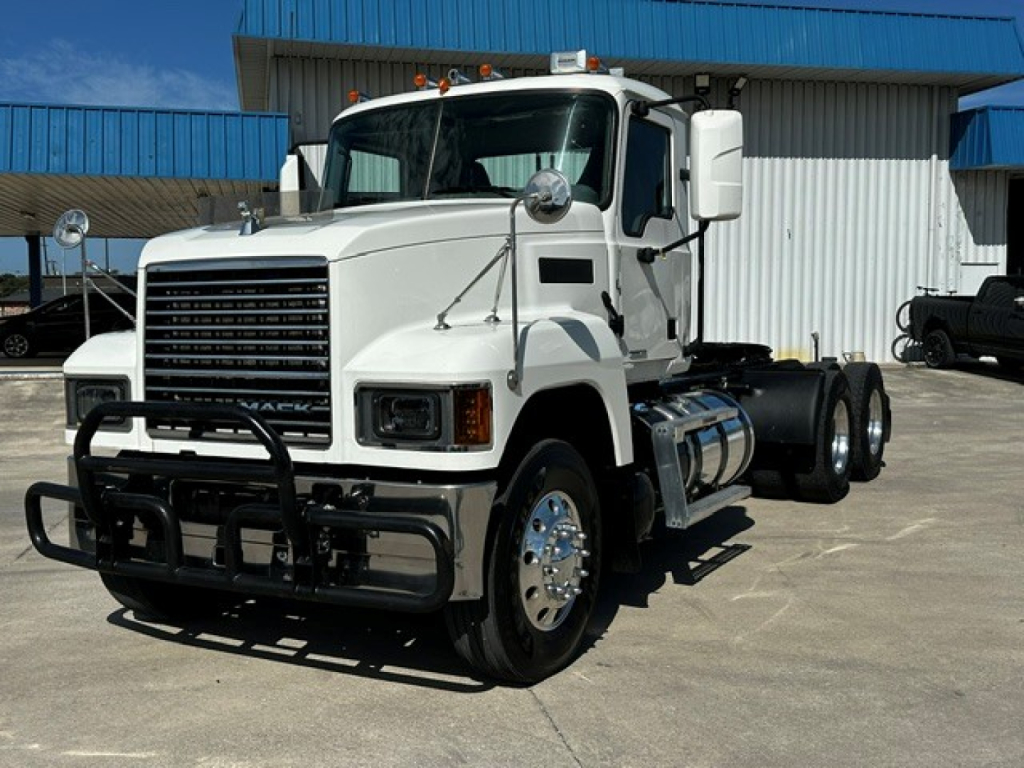
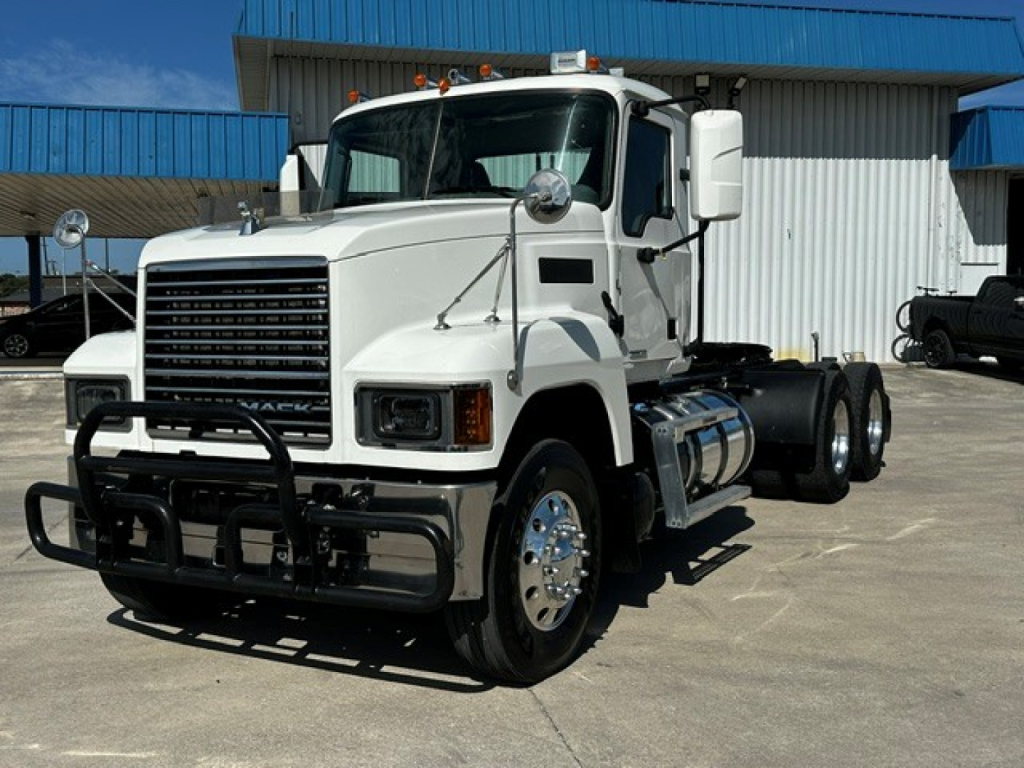
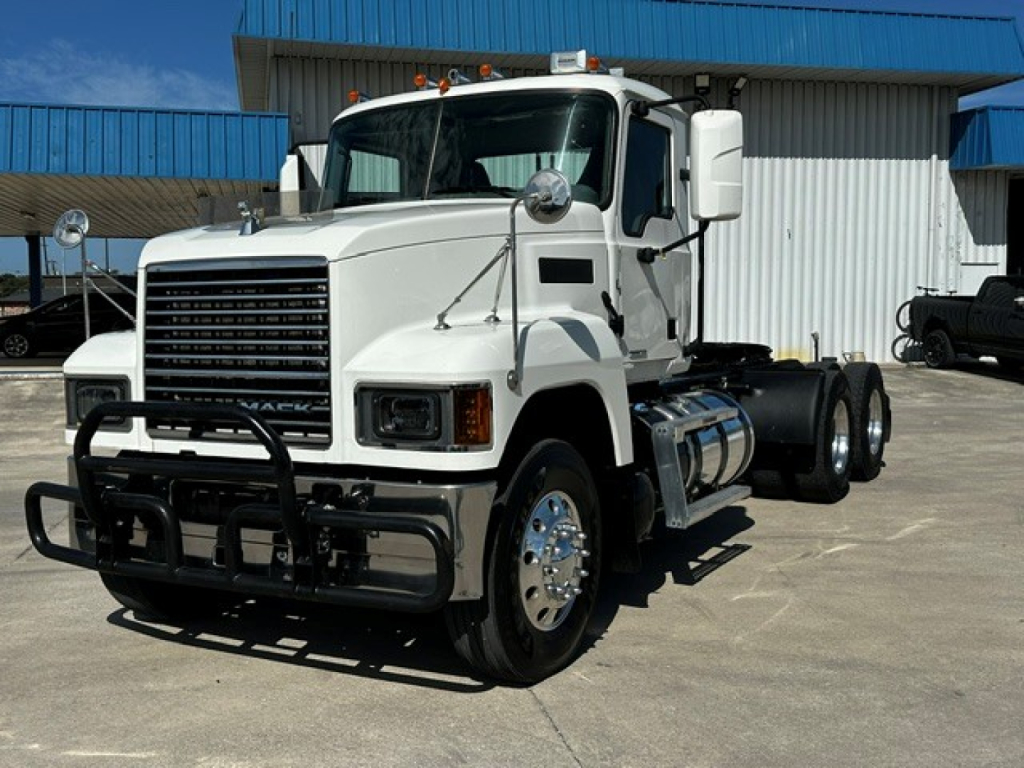
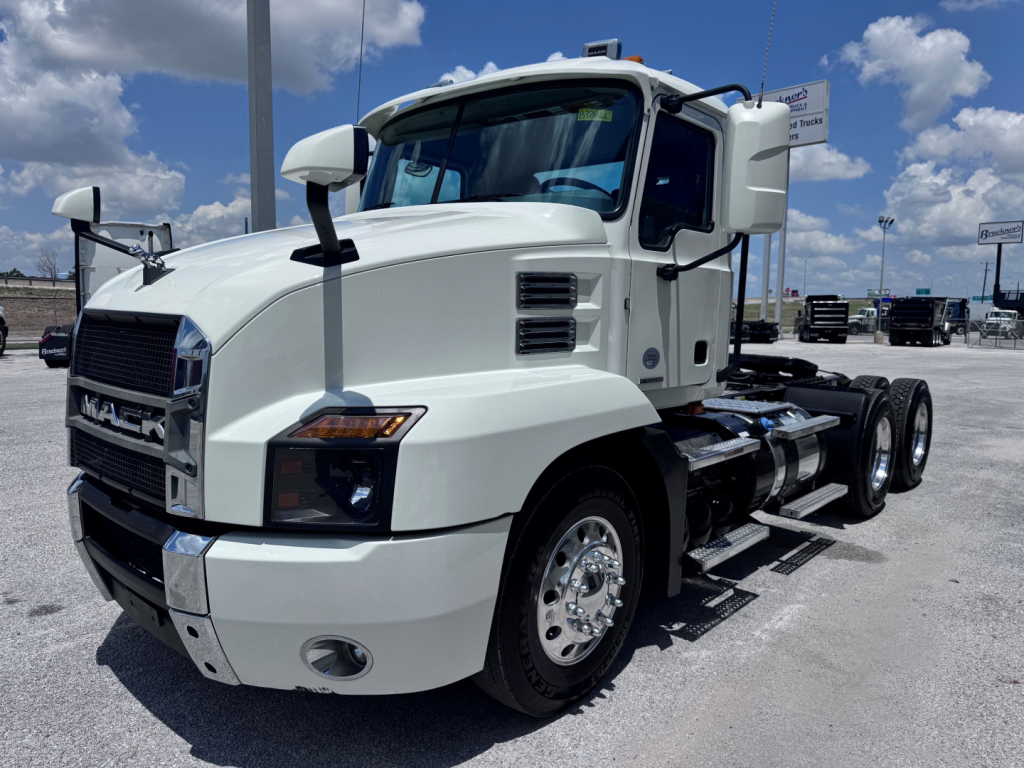
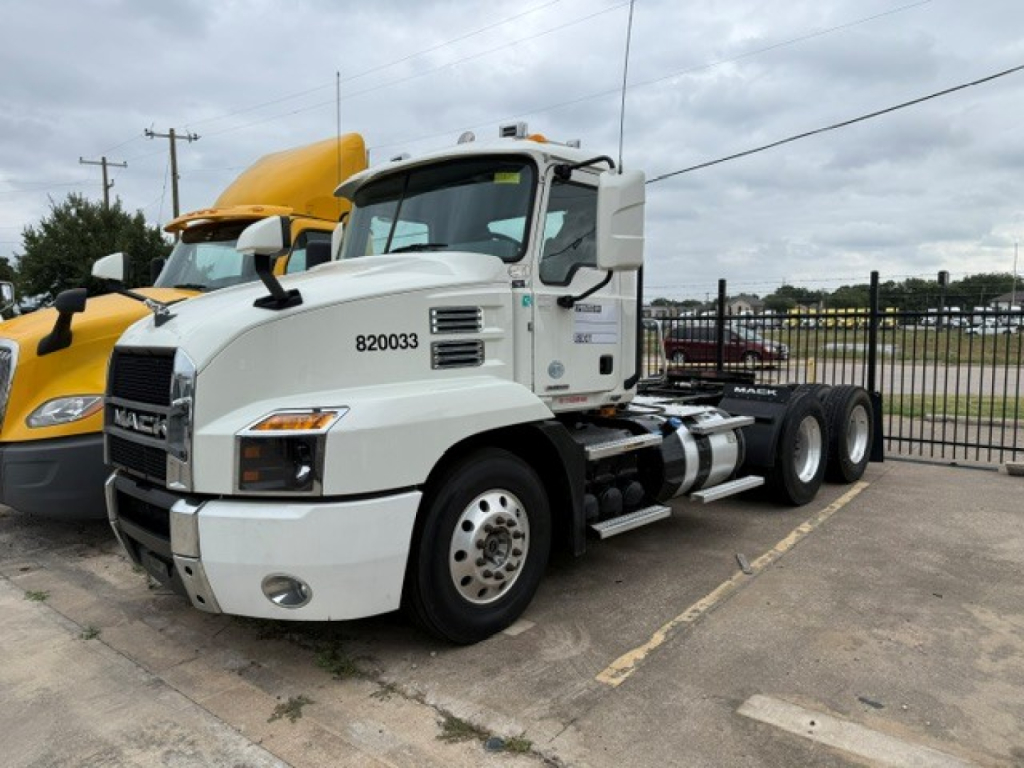
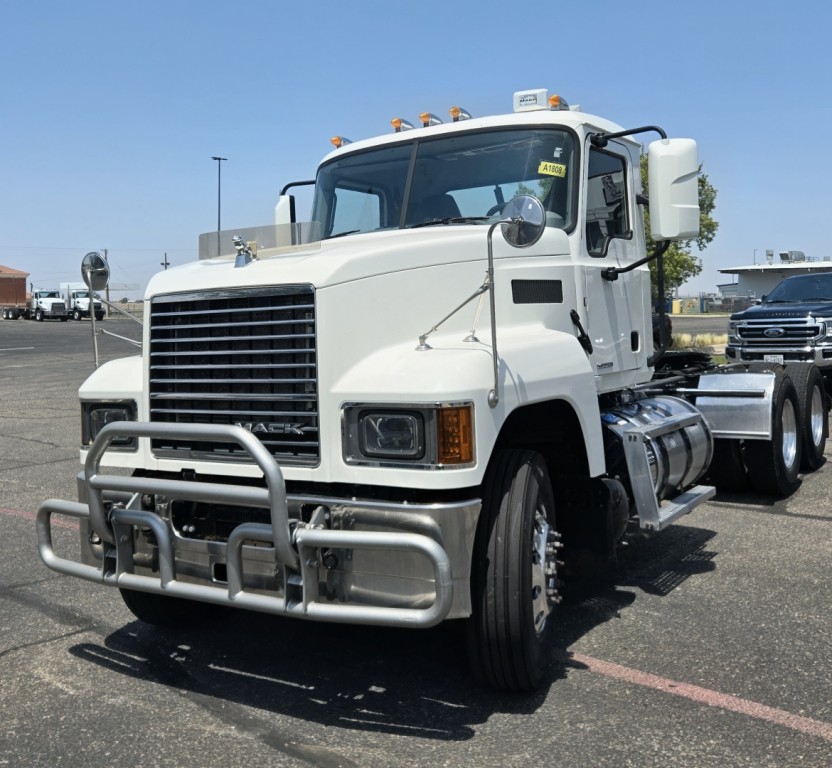
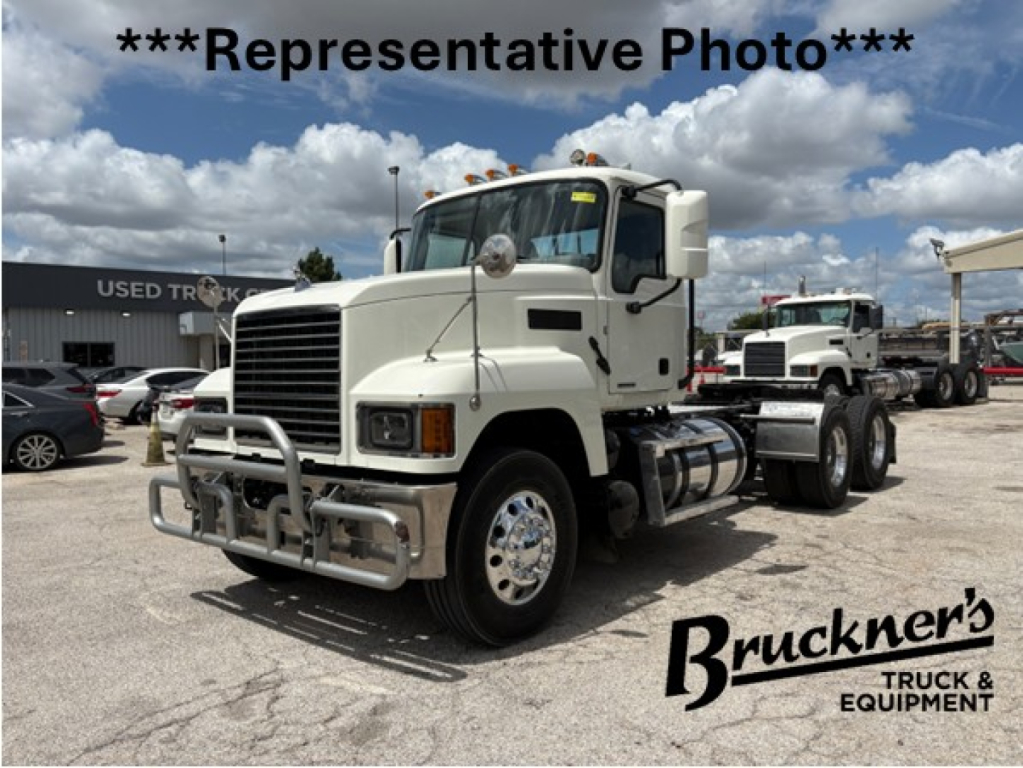
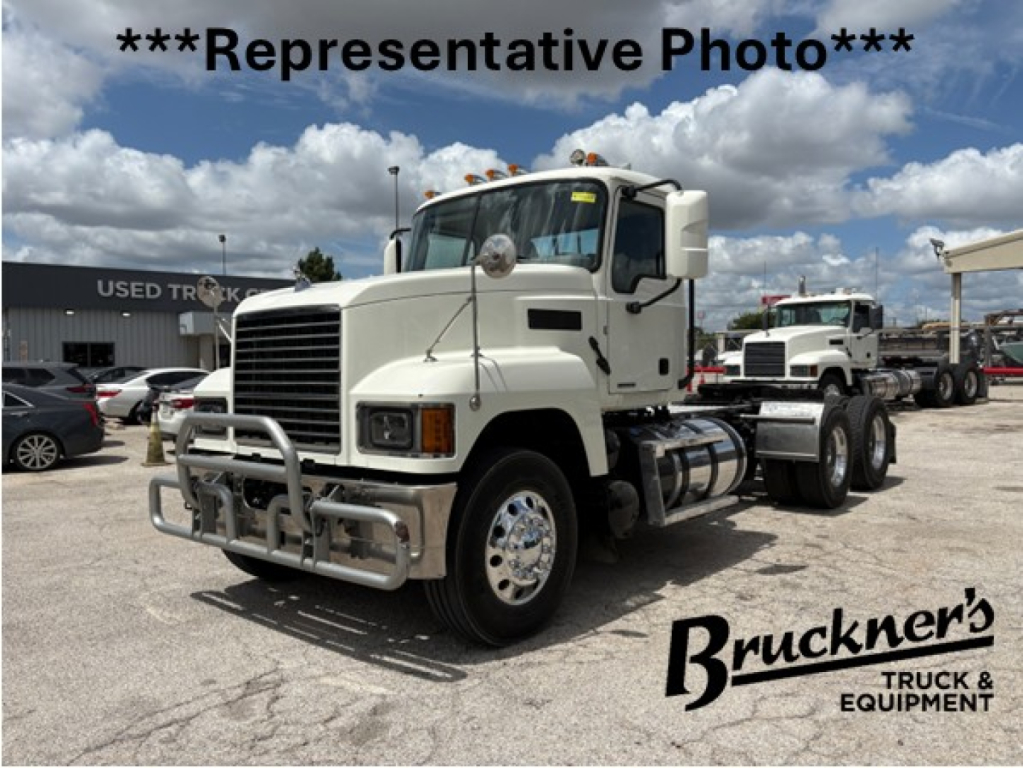
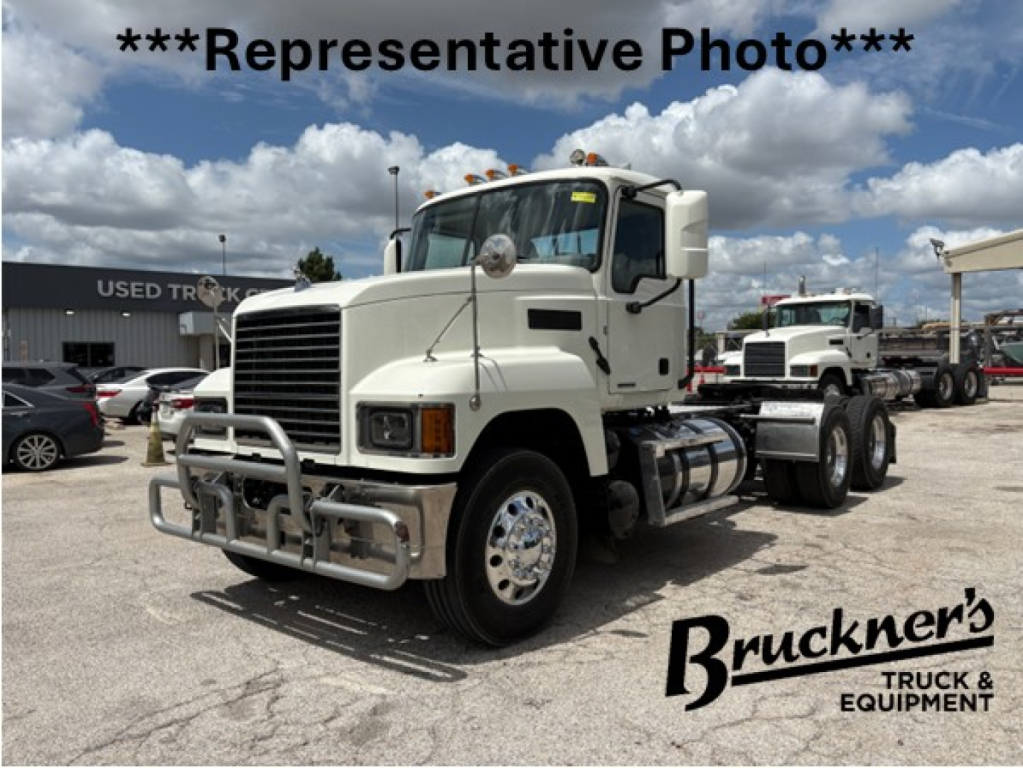
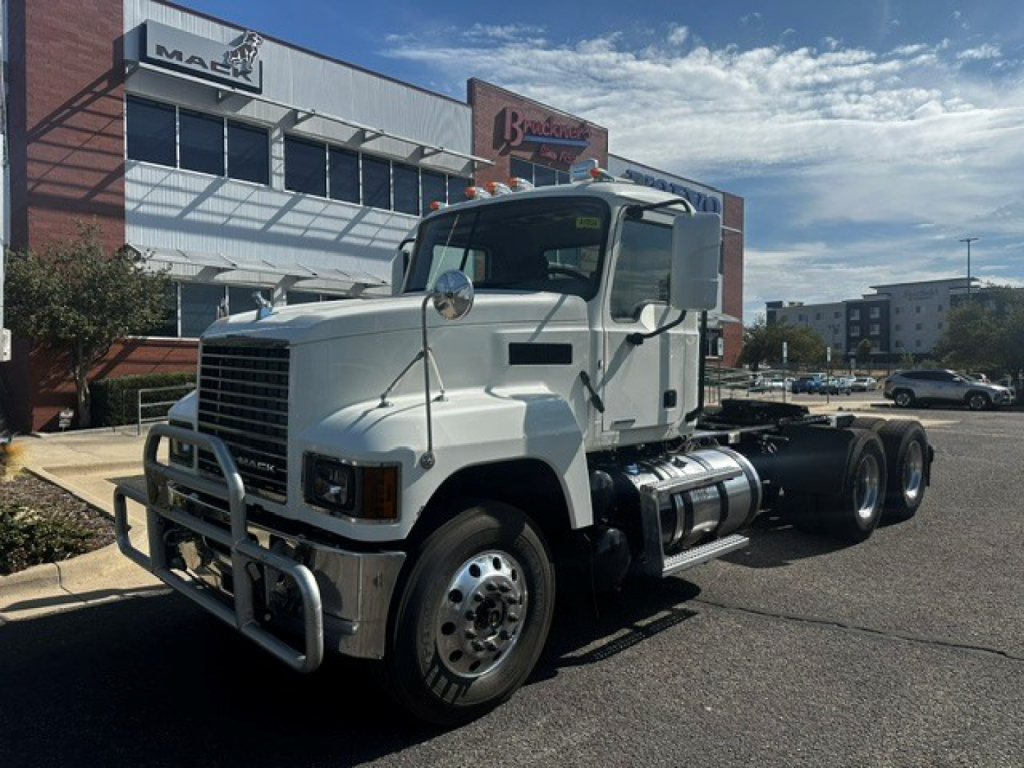
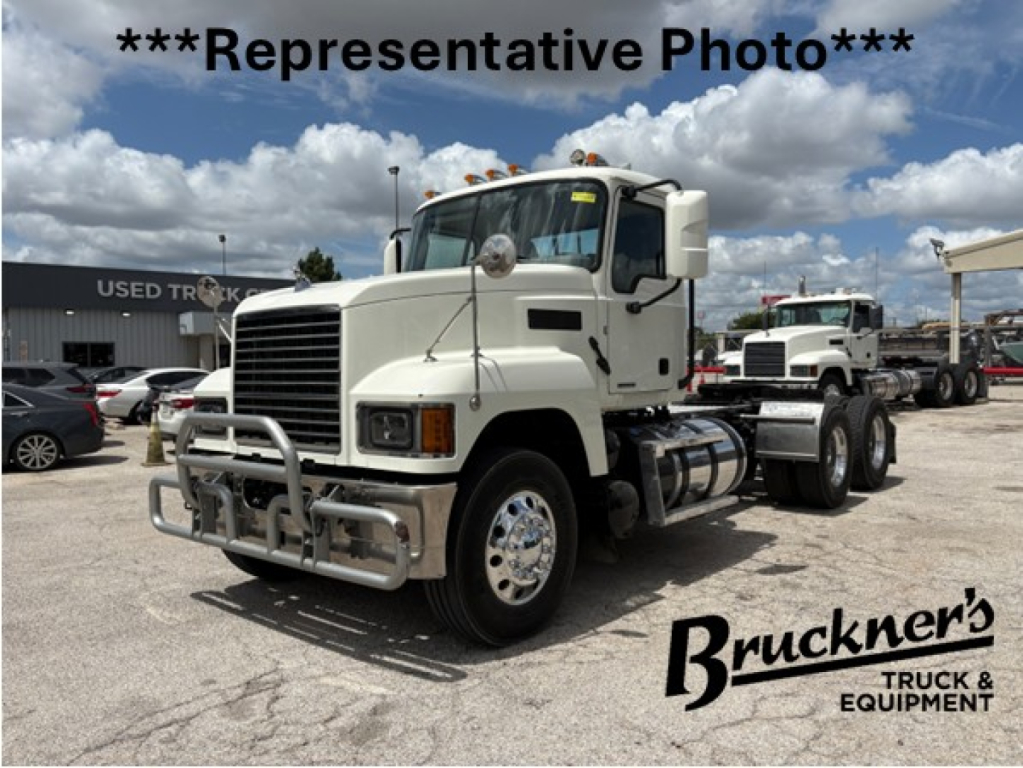
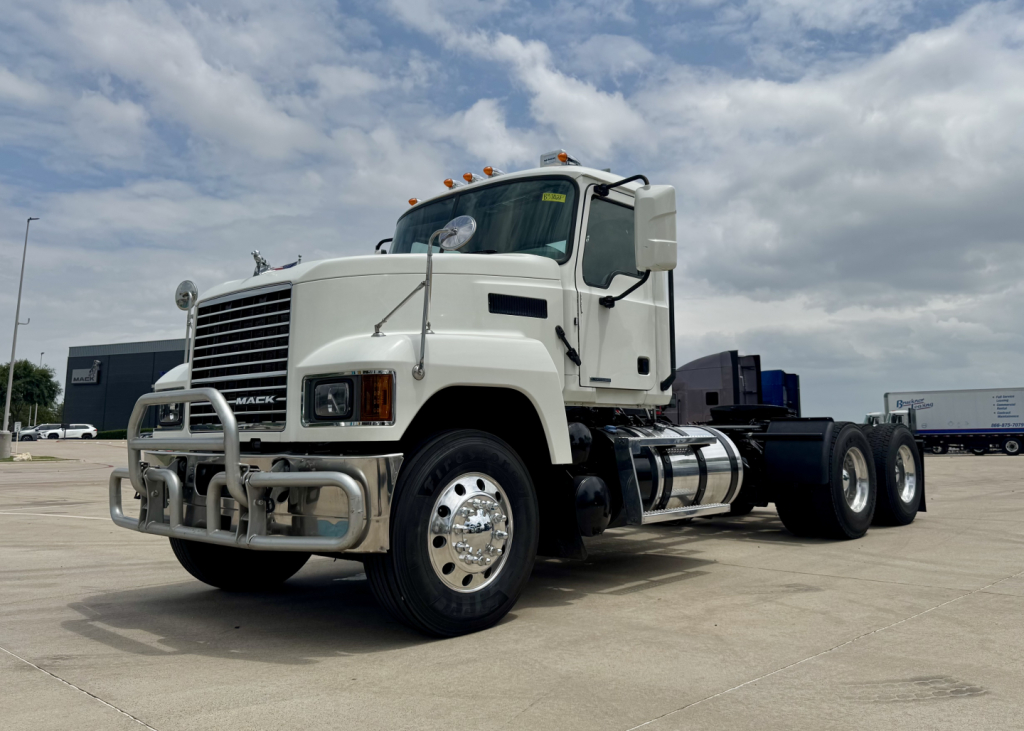
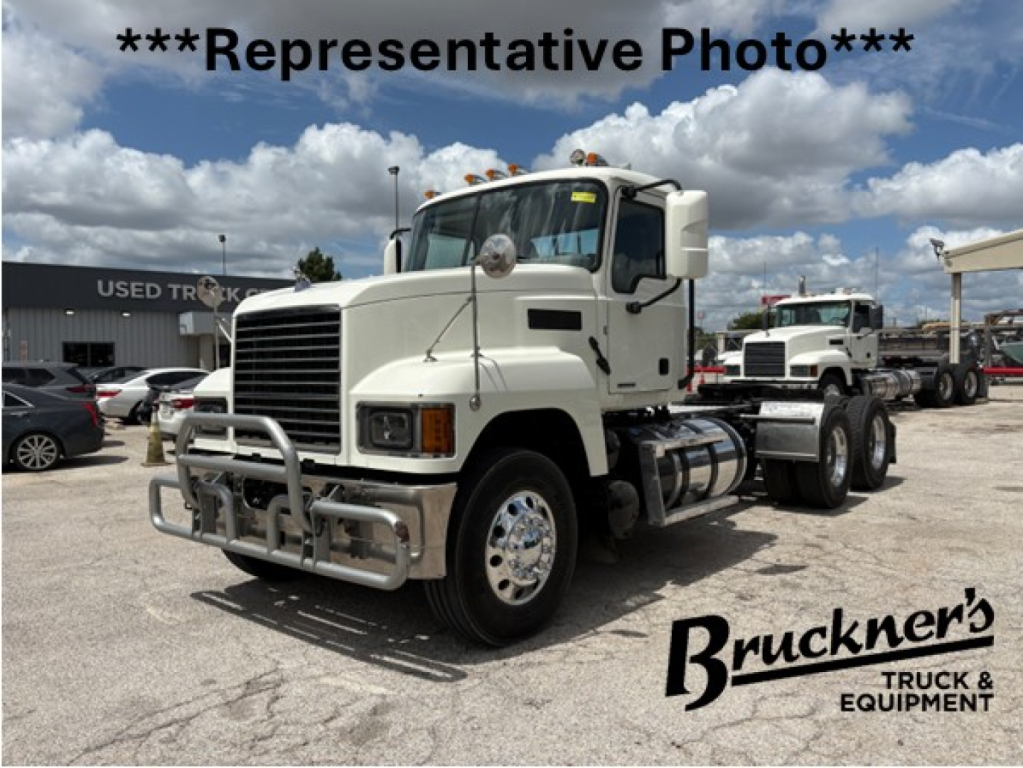
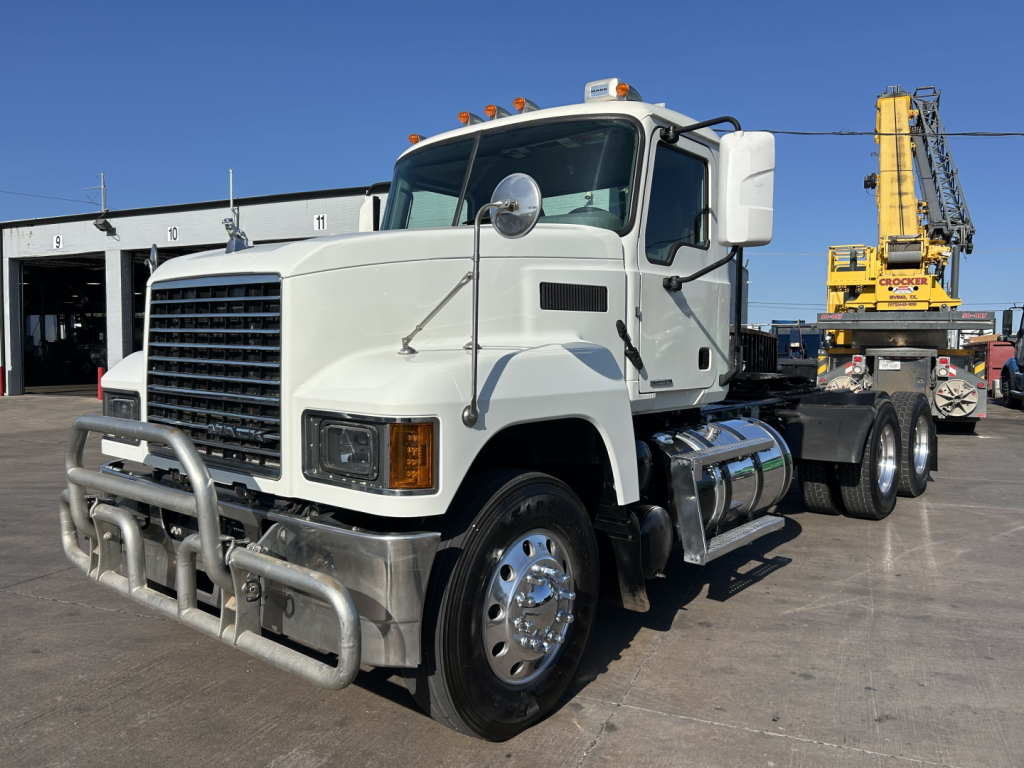
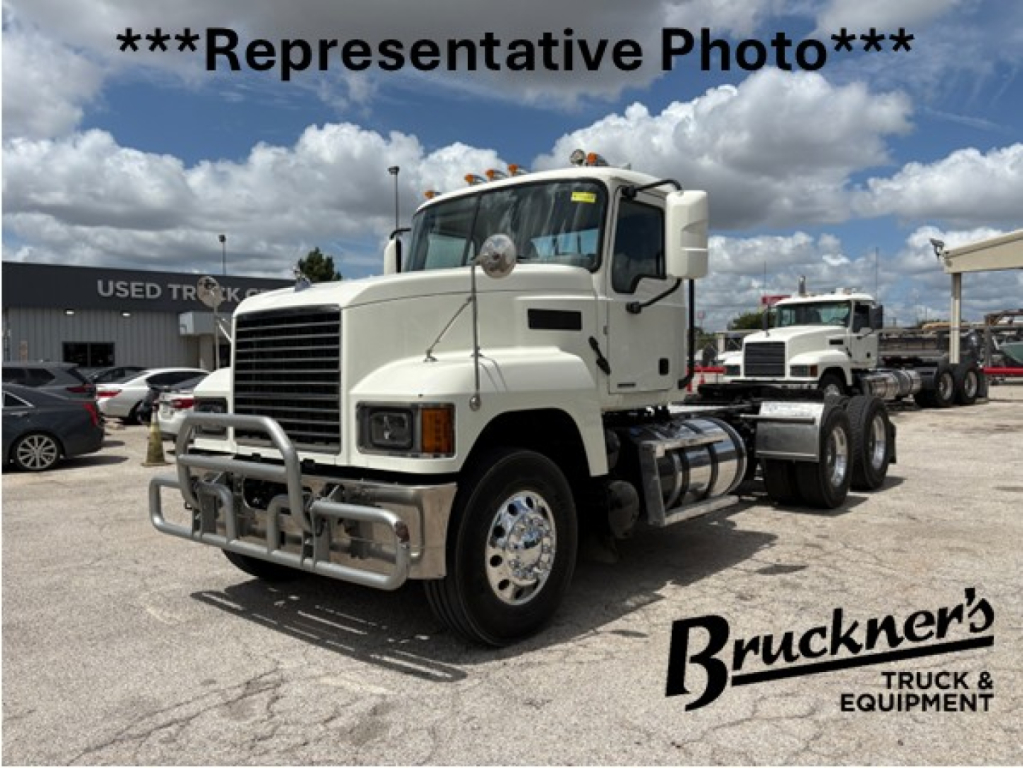
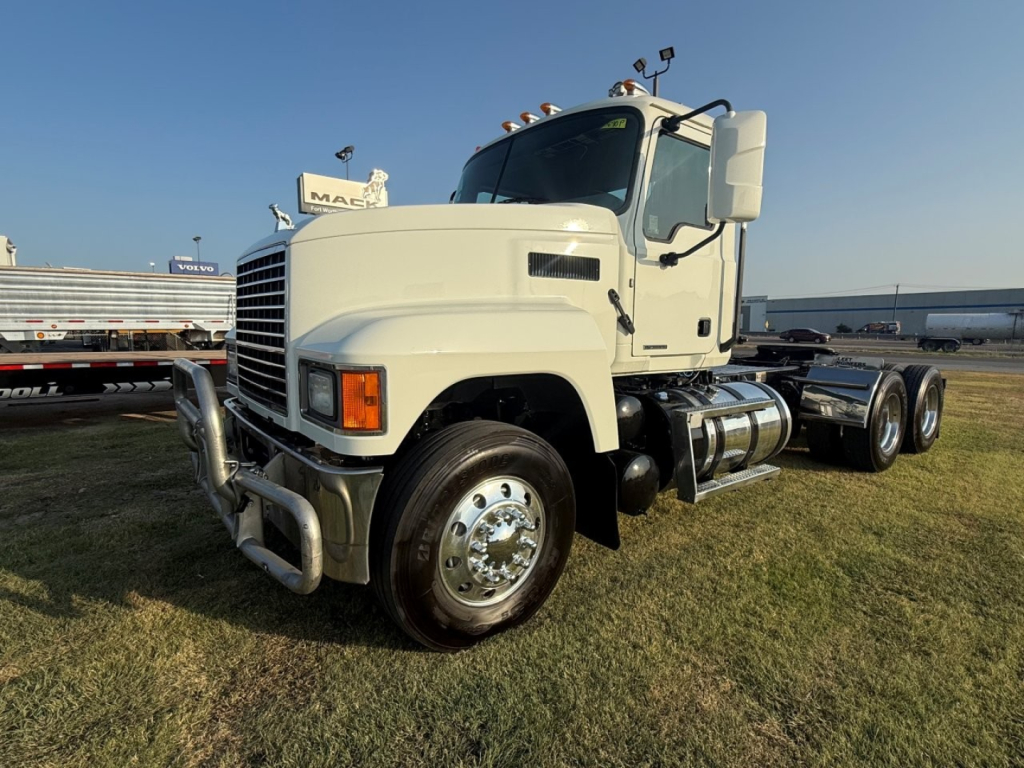
Showing 1 to 28 of 31 results
Selling a 2020 conventional daycab truck? List your 2020 conventional daycab truck for sale and reach thousands of commercial buyers.
2020 Conventional Daycab Trucks in Texas
The most important buying decision is matching the daycab to the freight and route profile. A lighter regional spec with a fuel-efficient rear ratio can make sense for van, reefer, and drop-and-hook work on interstate lanes. A heavier spec with higher horsepower, stronger suspension, and a more aggressive rear ratio is often better for bulk, tanker, vocational pulling, or dense city operation with frequent starts. Many 2020 models in this class came with features that matter in daily fleet use, including air ride suspension, dash-integrated PTO provisions, in-cab fifth wheel release, dump valves, collision mitigation, lane departure or lane keep assist, and upgraded mirror packages. A 6x4 configuration is the standard choice, but the real difference between listings is in the details such as front axle rating, wheelbase, suspension type, and kingpin-to-rear-axle dimension.
Cab layout and driver environment also deserve attention because daycabs are worked hard and cycled frequently between drivers in many fleets. A well-spec'd 2020 conventional daycab may include air ride seats, dual high-back seating, clean switch placement, Bluetooth and telematics integration, wide-opening doors, deck plates, frame access steps, and visibility upgrades that reduce fatigue across a full shift. In Texas service, cooling performance, idle strategy, and A/C output are more than comfort items. They directly affect driver retention and uptime. If the truck will see slip-seat use or urban deliveries, look closely at turning radius, mirror sightlines, bumper set-back, and ease of cab entry.
From a cost standpoint, 2020 conventional daycab trucks often appeal to buyers who want newer emissions-era equipment with more modern safety systems but without the price of late-model replacements. The best value usually comes from confirming the original application and comparing it to your intended use. Check engine family, transmission model, rear ratio, wheelbase, suspension capacity, brake configuration, and any fleet maintenance history before narrowing choices. A daycab that is correctly spec'd for Texas regional work can deliver strong utilization, easier trailer interchange, and lower empty weight than a sleeper tractor while still giving the driver the power, durability, and road manners expected from a highway conventional.
Frequently Asked Questions about 2020 Conventional Daycab Trucks in Texas
What is a conventional daycab truck used for?
A conventional daycab truck is a highway tractor without a sleeper compartment, designed primarily for local and regional hauling. It is commonly used for dry van, reefer, flatbed, tanker, container, and dedicated route work where the driver returns home daily or does not require overnight accommodations. Compared with a sleeper tractor, a daycab usually offers lower curb weight, easier maneuverability, and a simpler cab layout for high-frequency stops and yard activity.
What specs matter most when buying a 2020 conventional daycab in Texas?
The key specs are engine horsepower and torque, transmission type, rear axle ratio, wheelbase, front and rear axle ratings, suspension type, and fifth wheel placement. In Texas, buyers should also pay close attention to cooling performance, A/C function, and highway gearing because trucks may see both long regional runs and high ambient temperatures. Matching the wheelbase and axle setup to trailer type and loading environment is critical, especially for operations that move between open highway and tight customer yards.
Is an automated manual transmission a good choice in a daycab?
For many fleets and owner-operators, an automated manual transmission is a strong fit in a conventional daycab because it reduces driver fatigue, improves shift consistency, and can help protect the driveline in stop-and-go service. It is especially useful in regional and urban applications with frequent lane changes, traffic, and docking. A manual transmission may still appeal to buyers who prefer direct control in specialized heavy-haul or vocational pulling, but AMTs are now common in mainstream daycab tractor specs.
How do I choose the right wheelbase for a conventional daycab truck?
Wheelbase should be selected based on trailer length, landing gear clearance, bridge law considerations, weight distribution, and maneuverability needs. A shorter wheelbase generally improves turning in tight yards and city docks, while a longer wheelbase can provide better ride quality and more flexibility for deck equipment or frame-mounted accessories. Buyers should also review kingpin setting and back-of-cab clearance to make sure the tractor will work safely with the trailers it is expected to pull.
Are 2020 daycab trucks a good value compared with newer models?
A 2020 daycab can be a very practical value point because it often includes modern emissions technology, updated safety systems, improved cab ergonomics, and current drivetrain options without reaching the cost level of the newest model years. The real value depends on maintenance history, fault code history, mileage, idle hours, and whether the truck was originally spec'd for the same kind of work you plan to do. A properly maintained 2020 conventional daycab can still be a high-utilization tractor for regional and local service.