
2021 Conventional Daycab Trucks For Sale
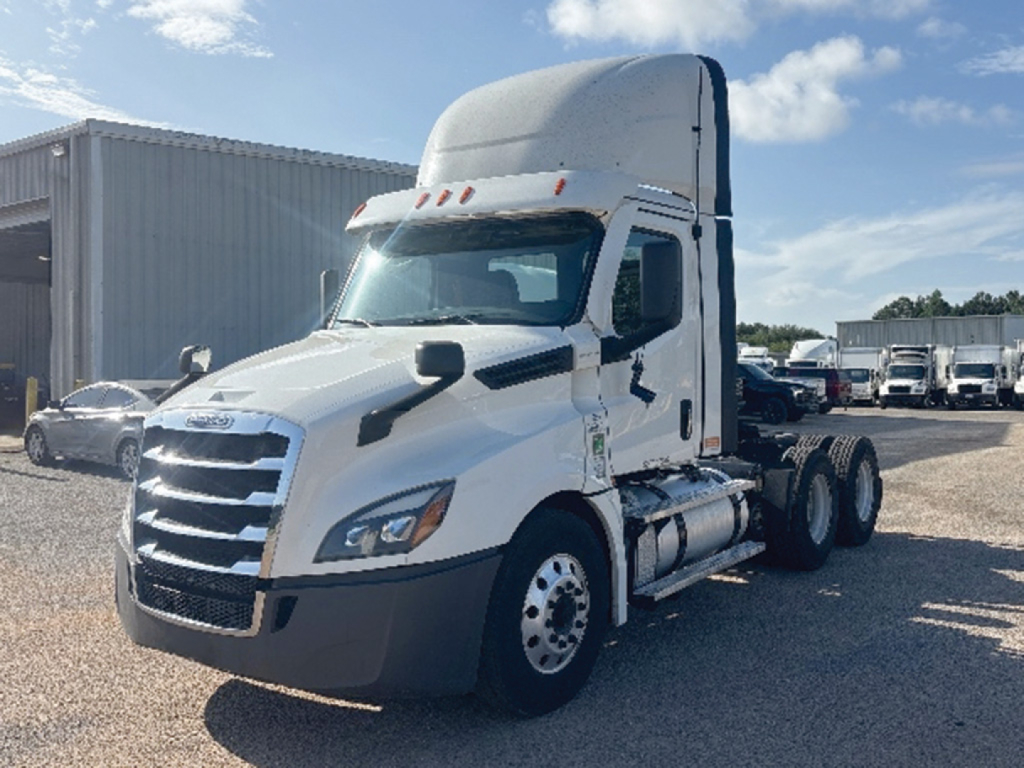
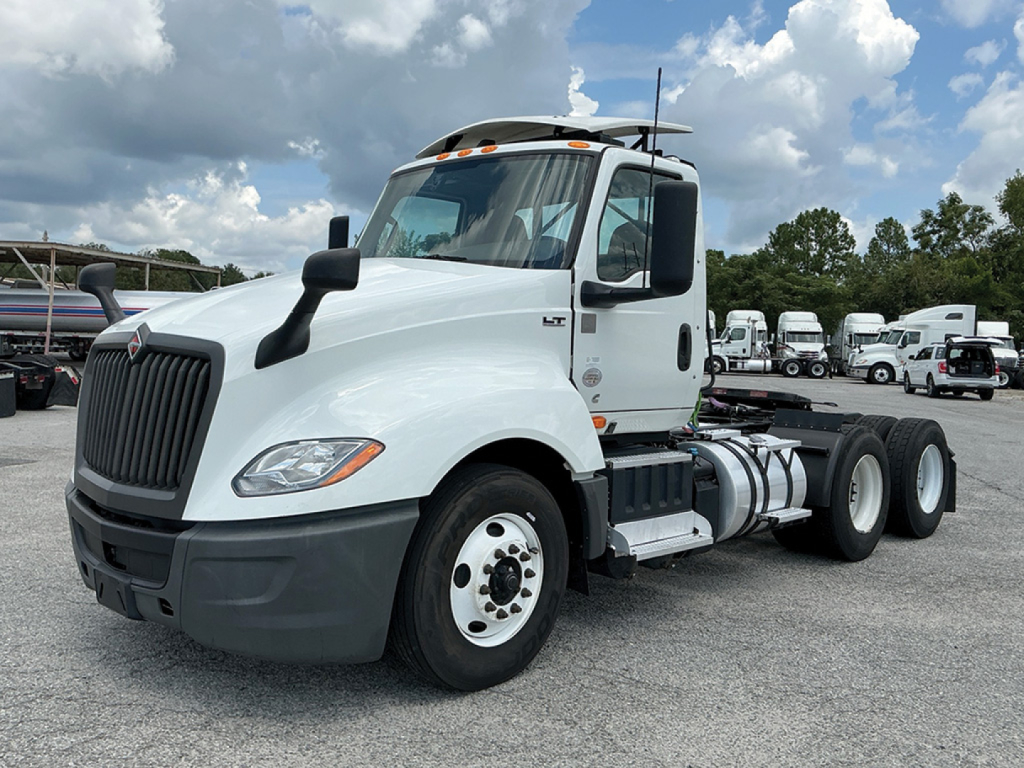
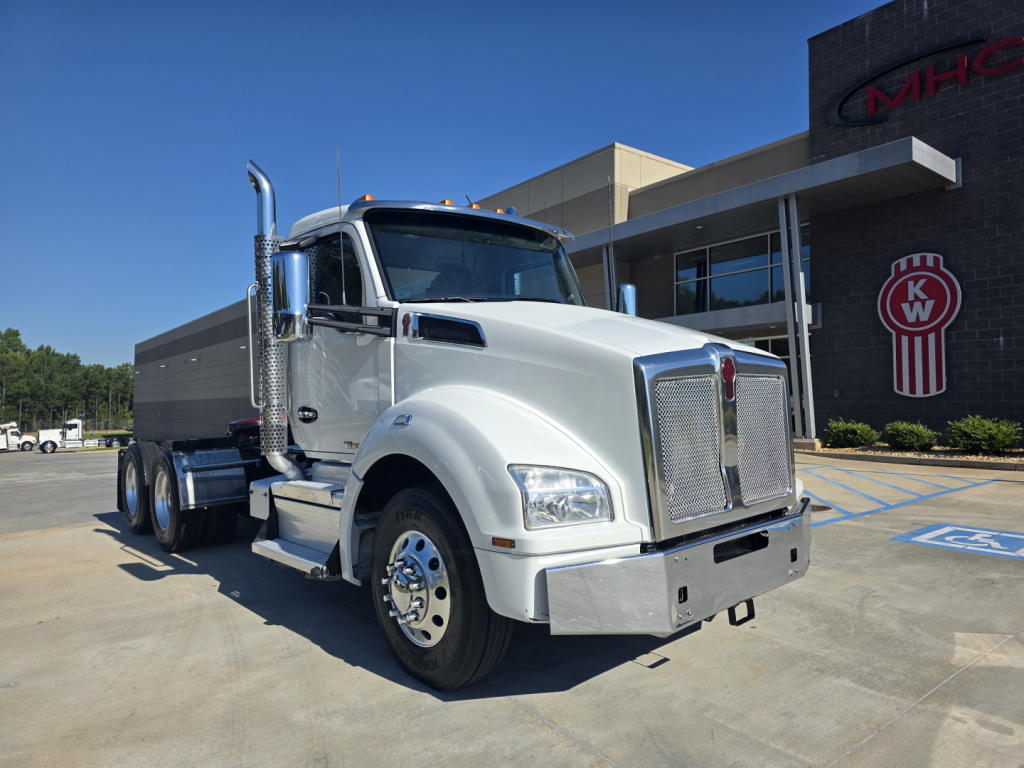
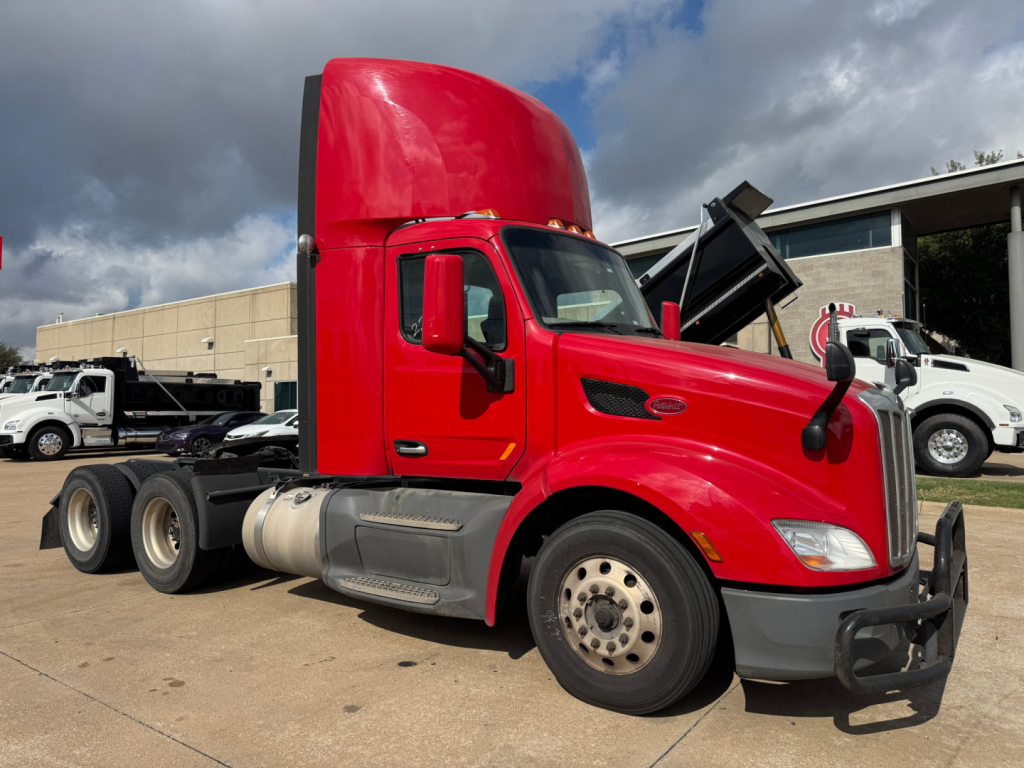
Shop 2021 conventional daycab trucks with aerodynamic specs, automated manuals, and axle ratings suited for regional, port, and local haul.
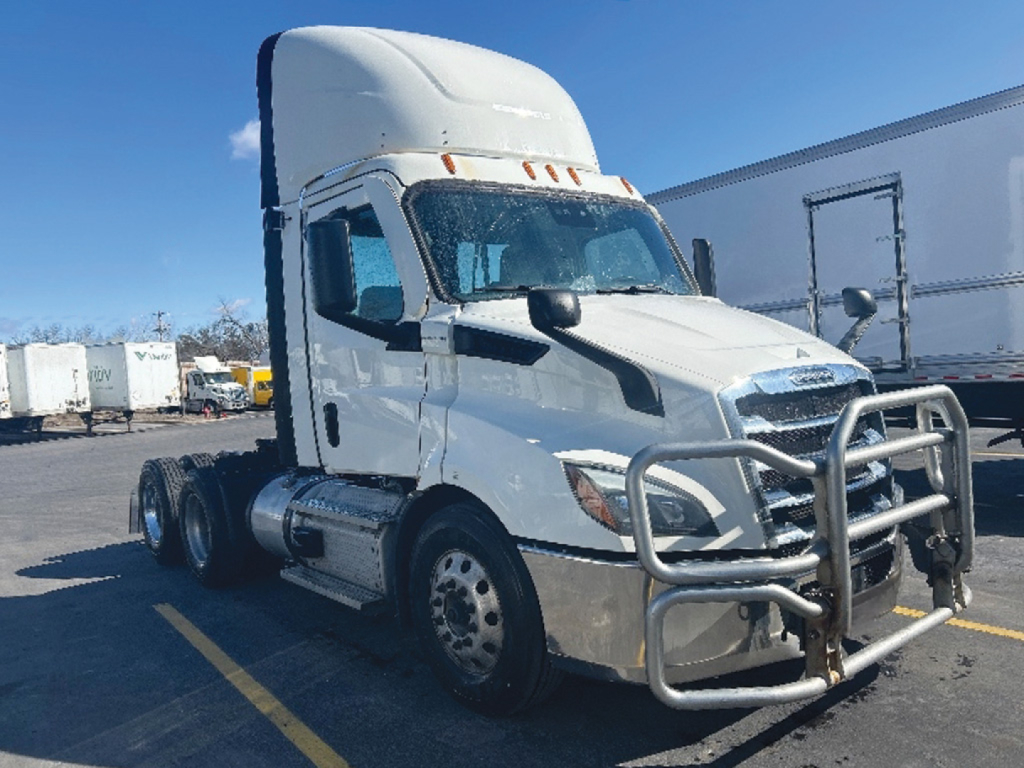
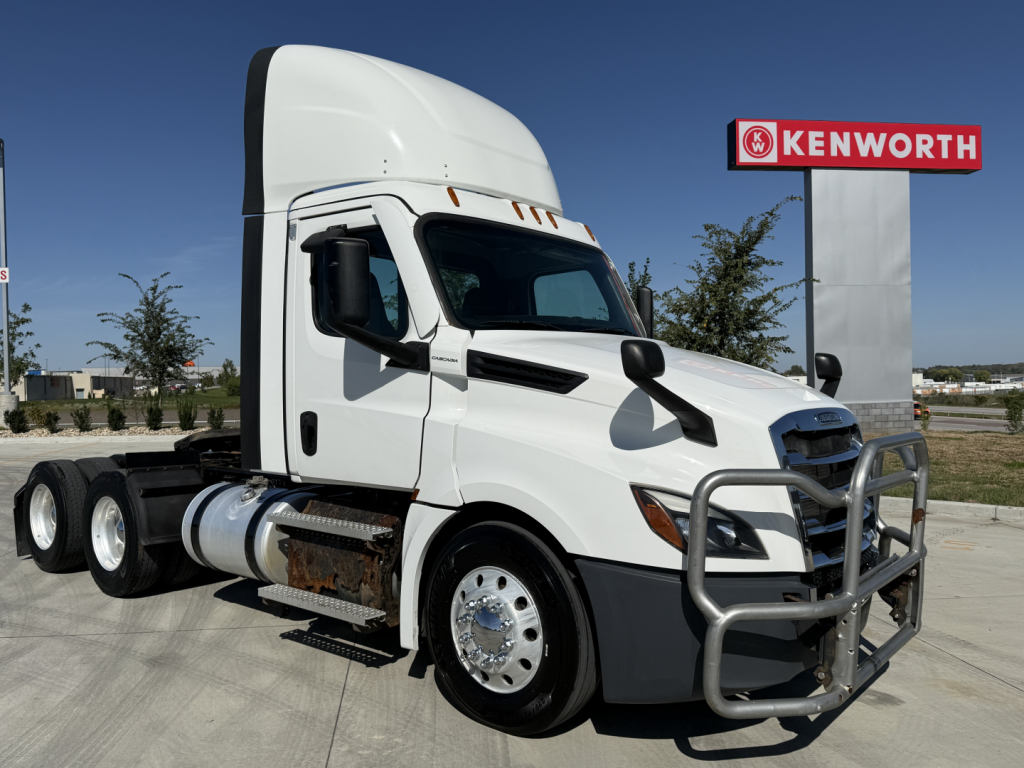
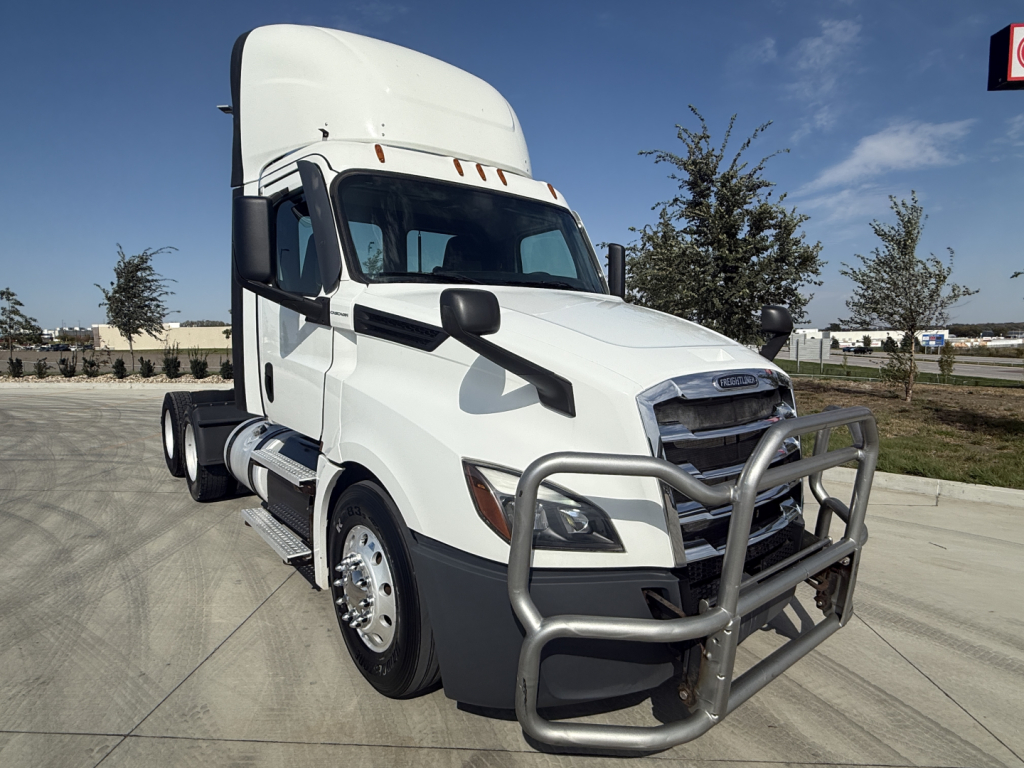
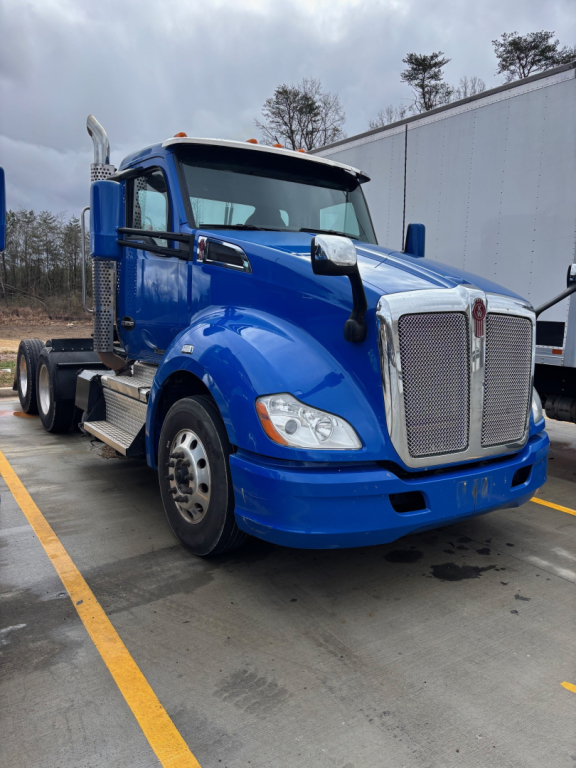
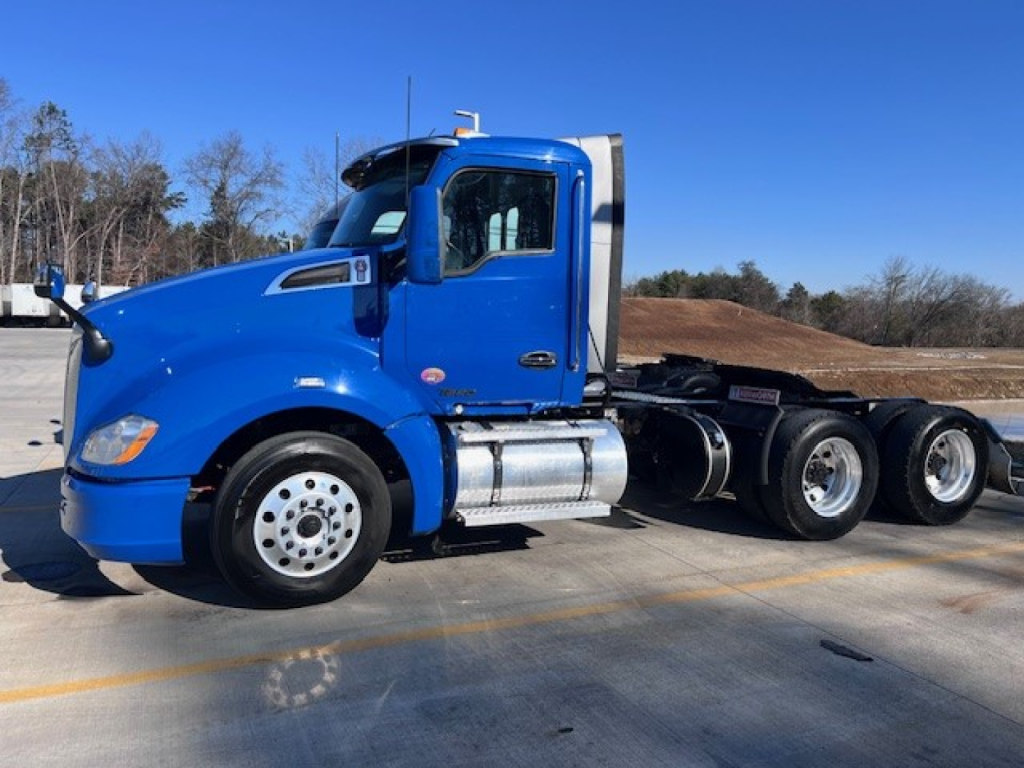
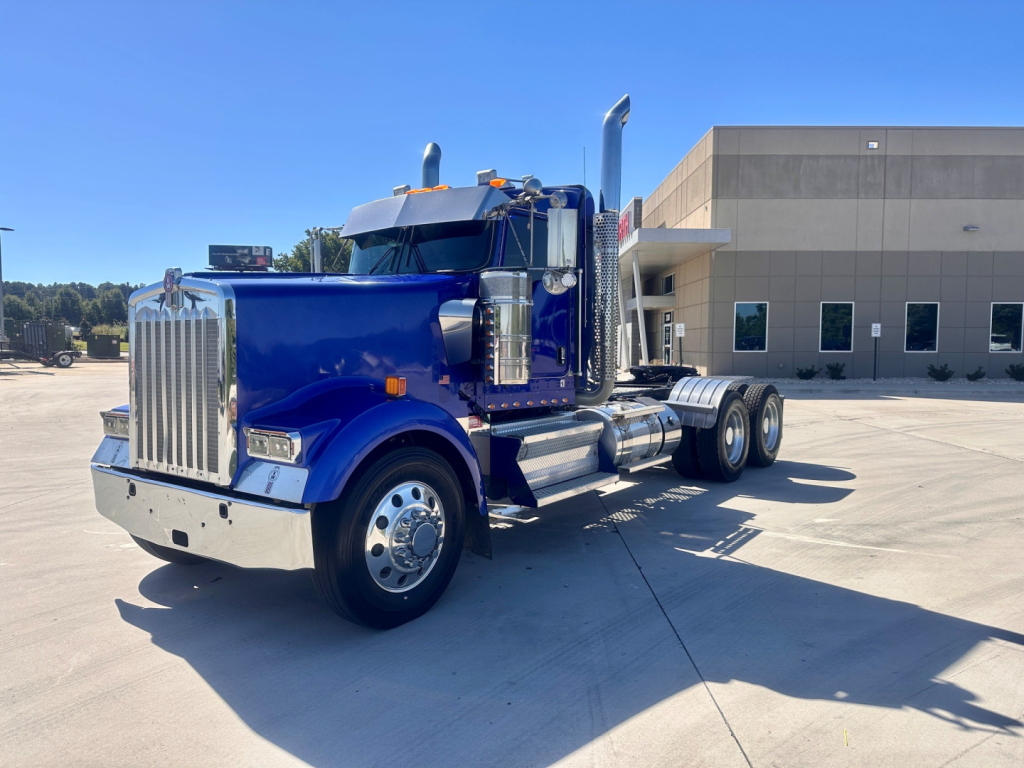
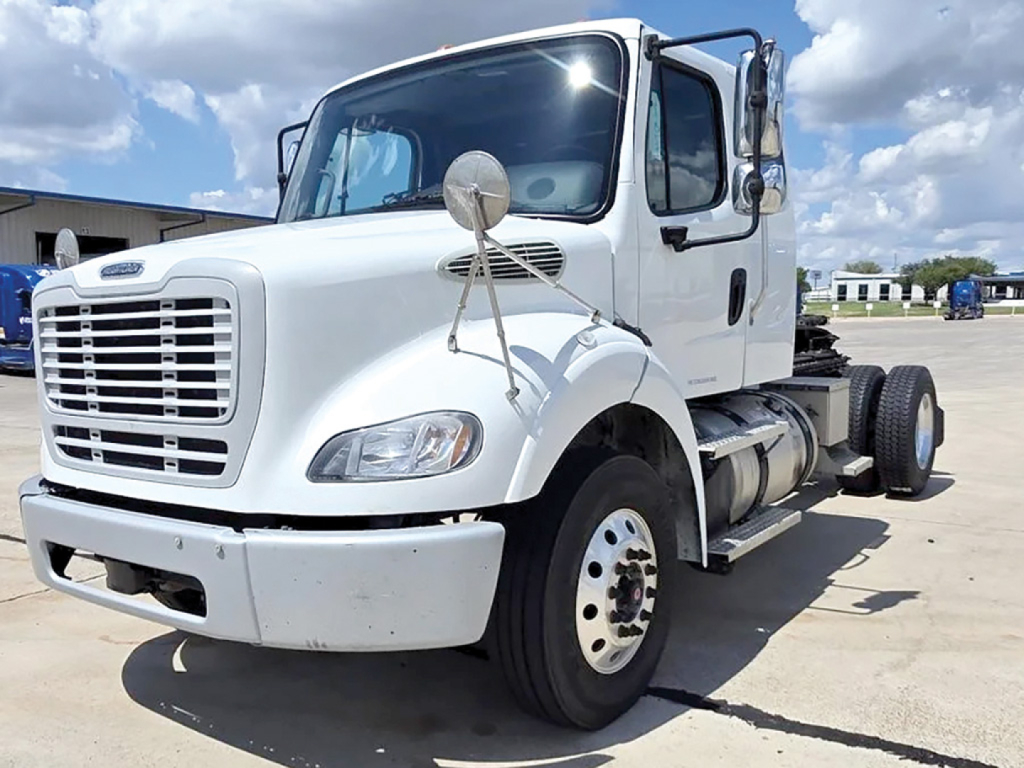
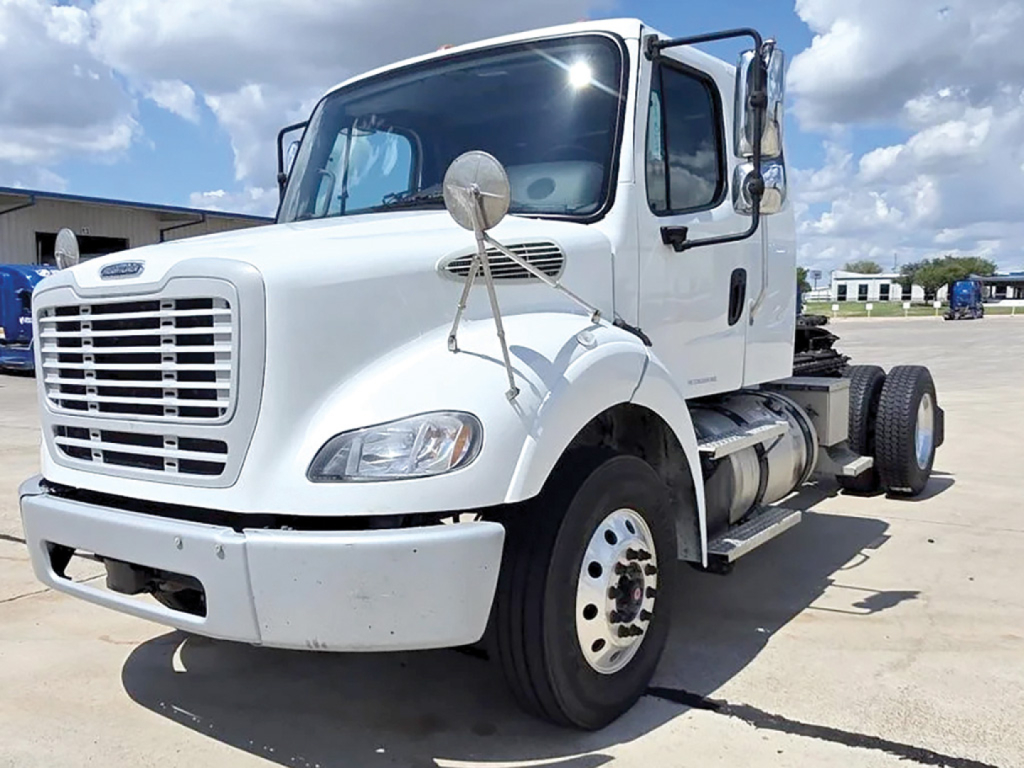
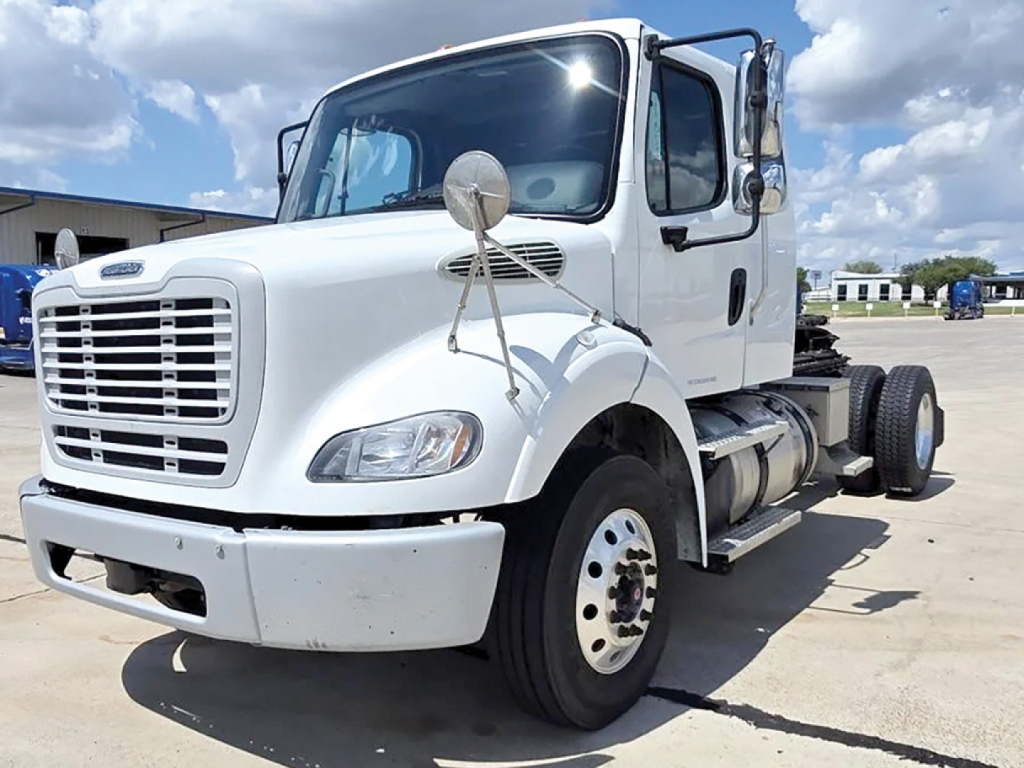
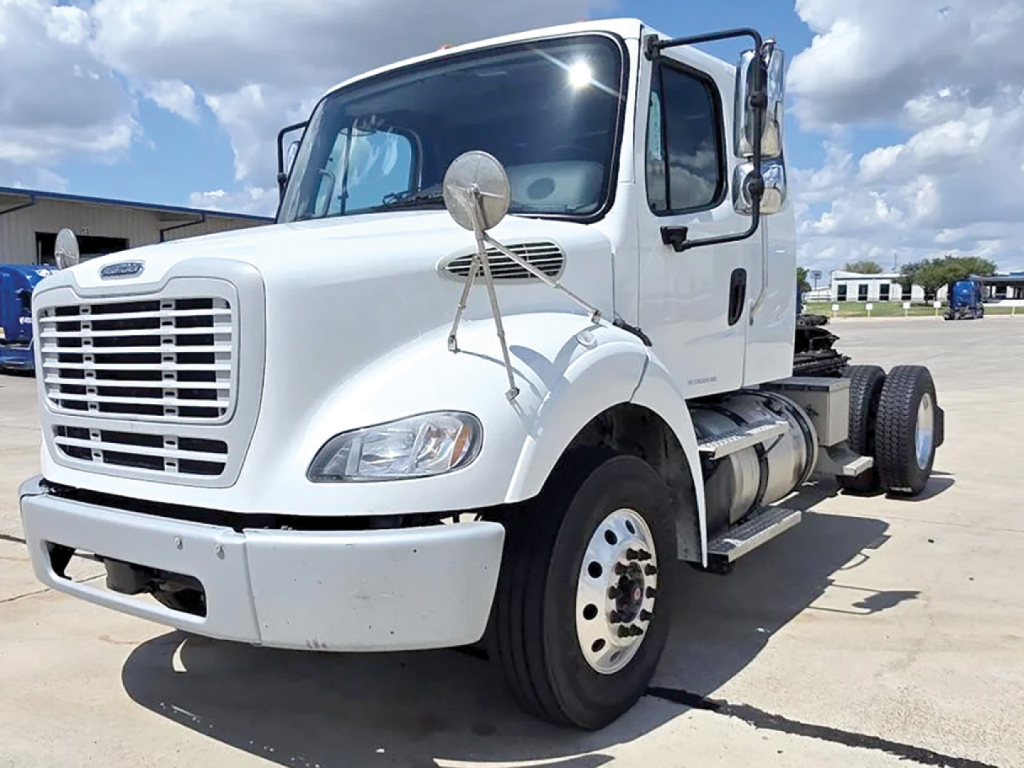
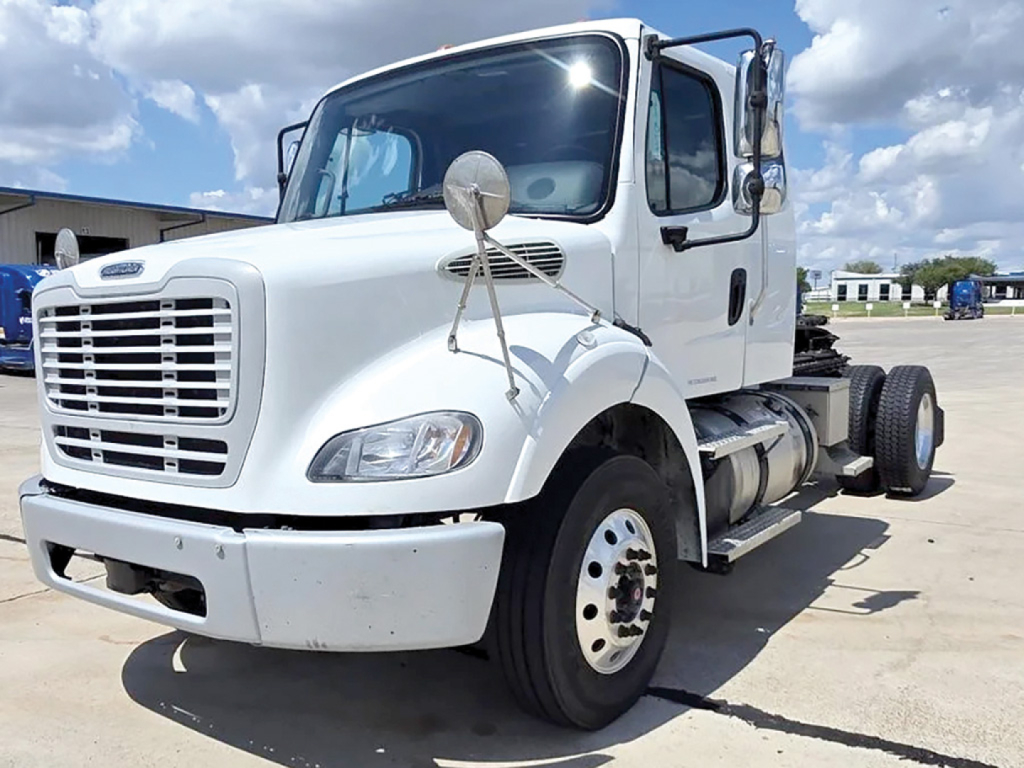
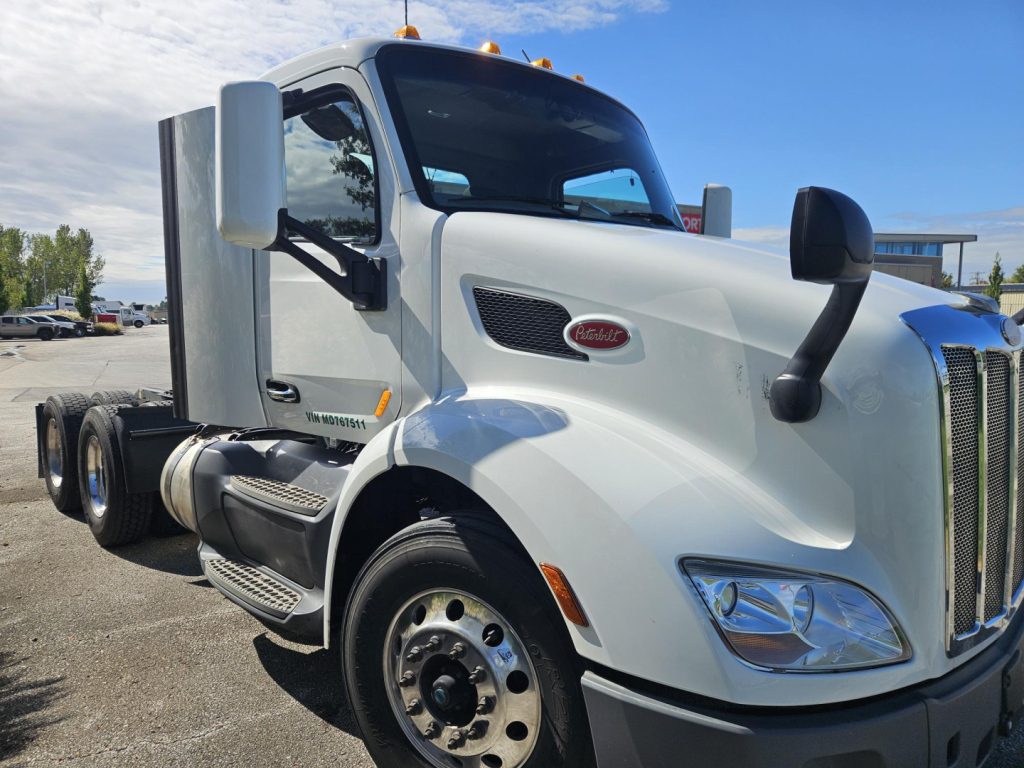
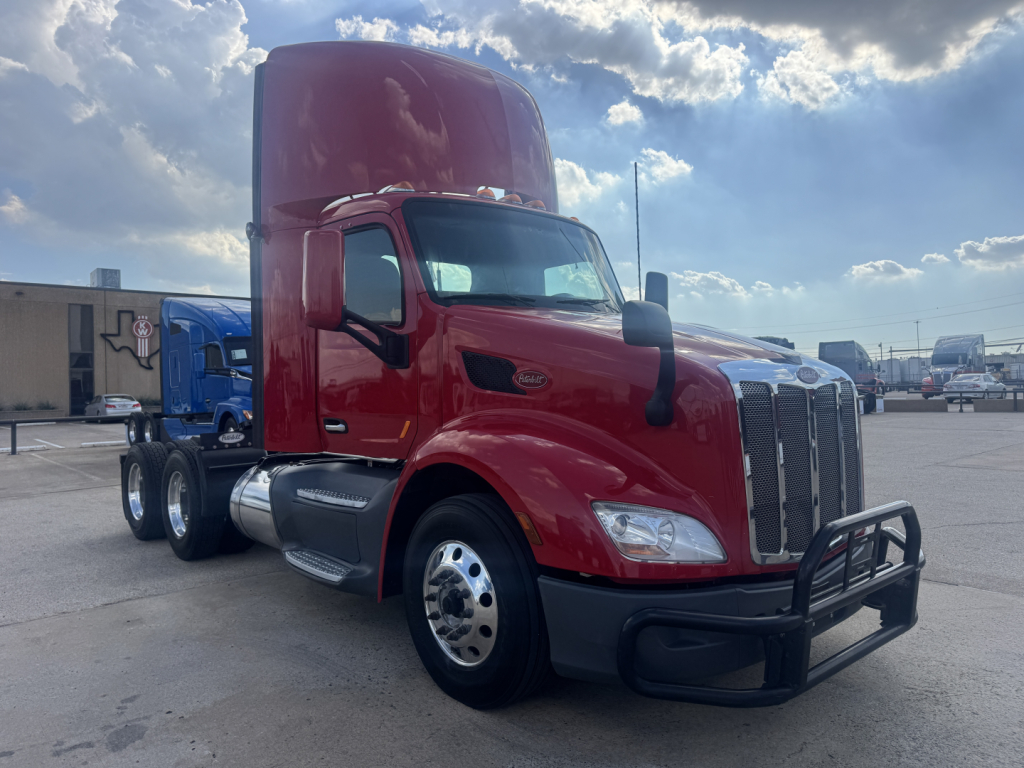
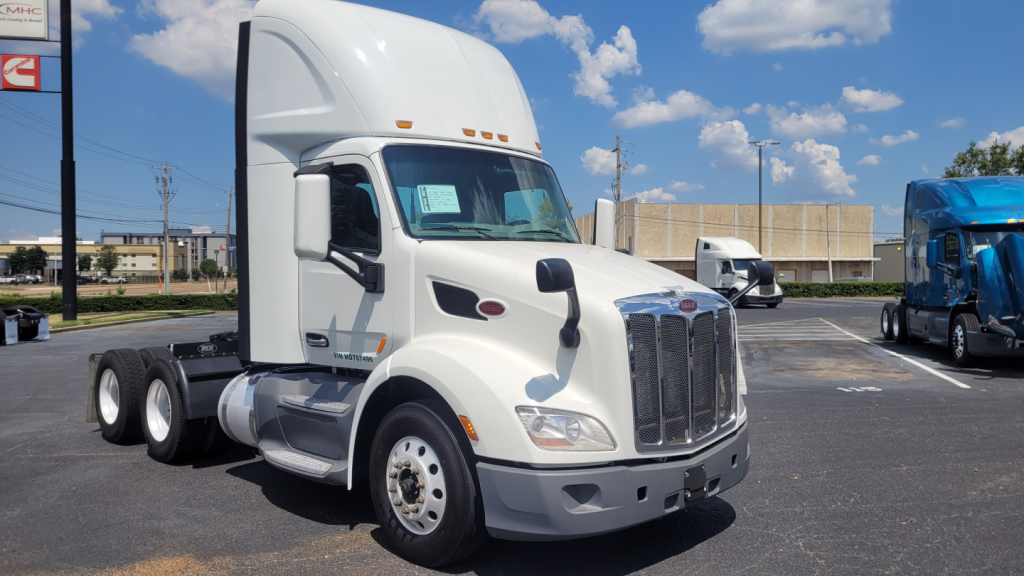
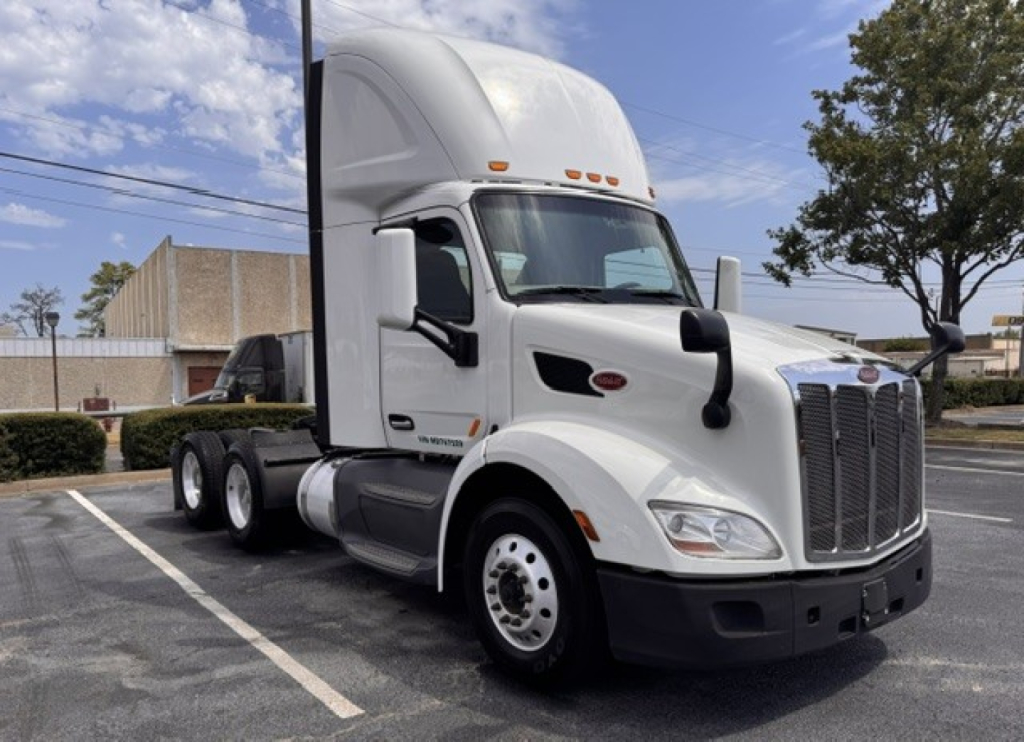
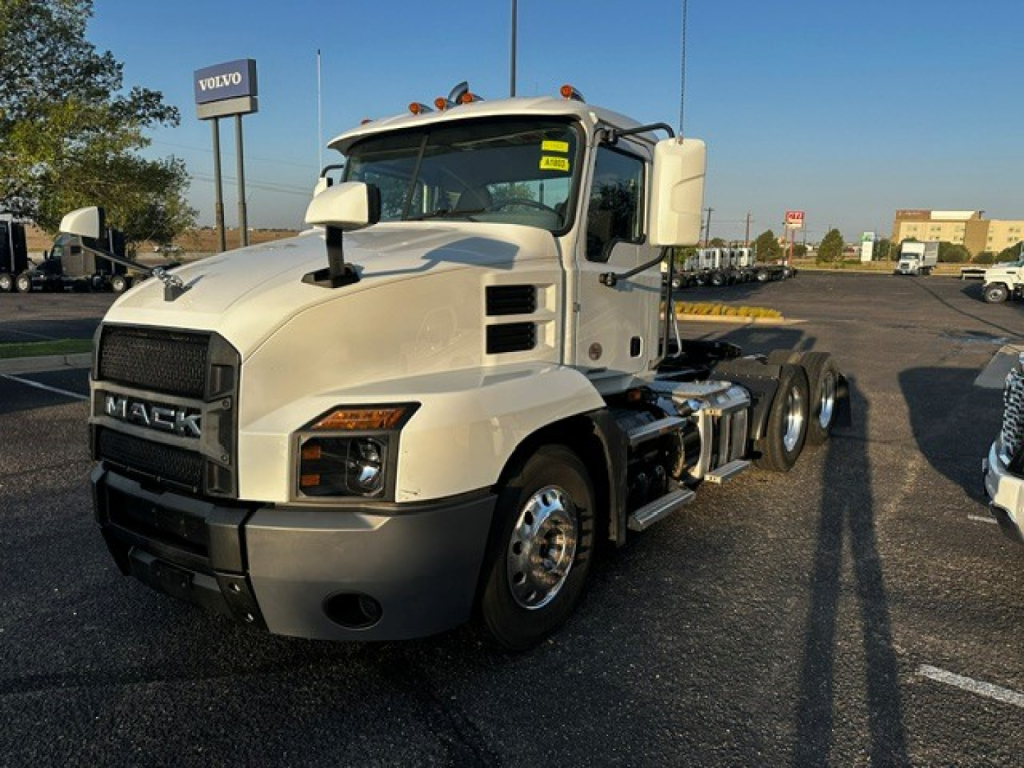
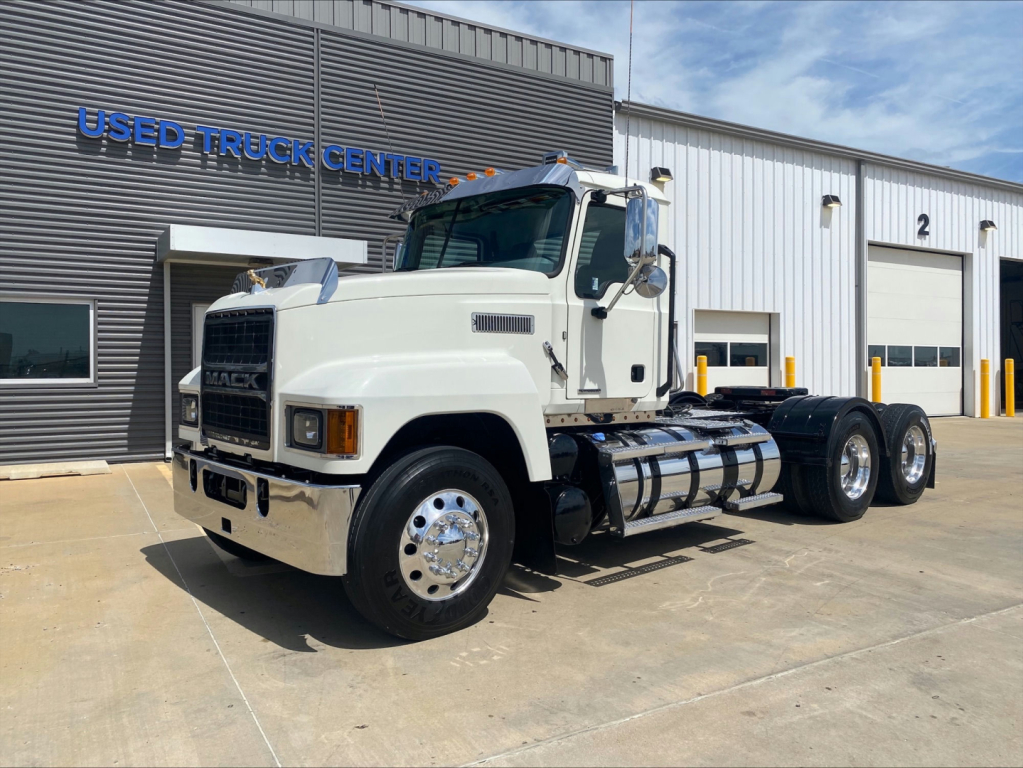
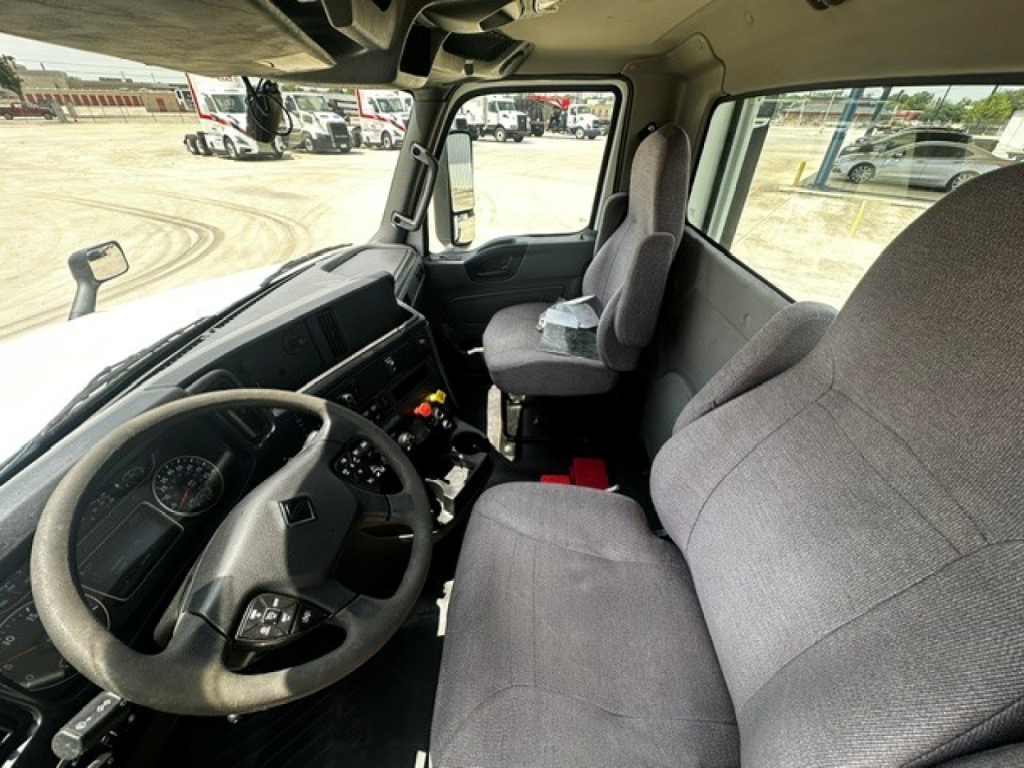
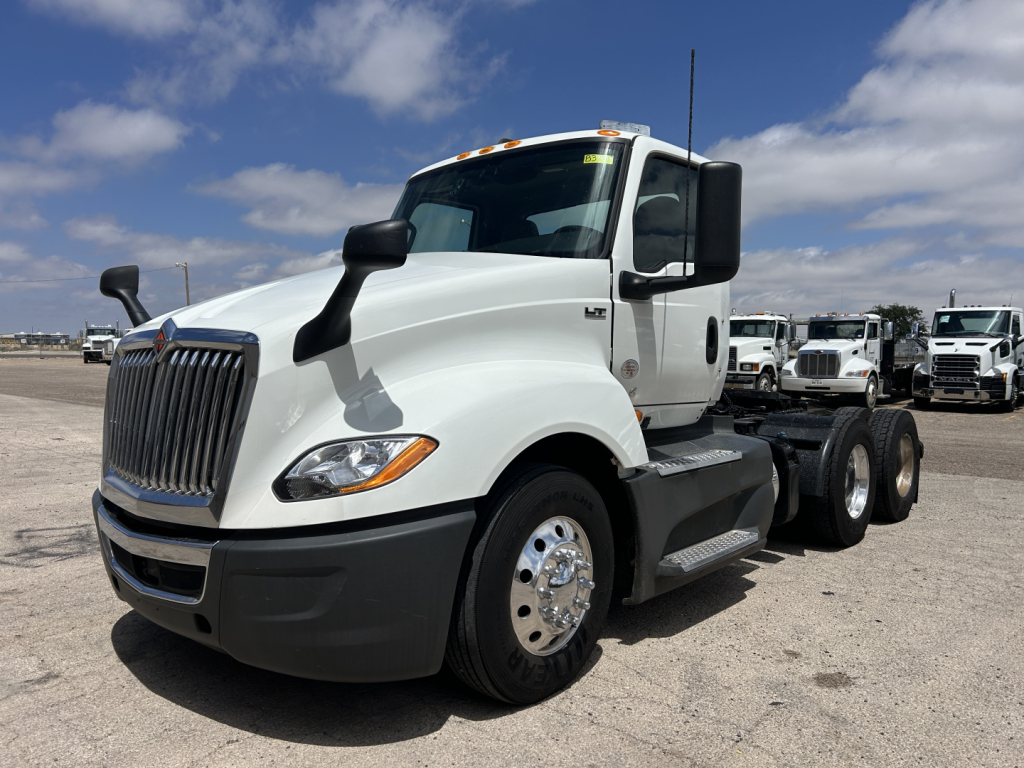

2021 Volvo VNR 300
Showing 1 to 28 of 30 results
Selling a 2021 conventional daycab truck? List your 2021 conventional daycab truck for sale and reach thousands of commercial buyers.
2021 Conventional Daycab Trucks
The main buying decision is matching the chassis spec to the work. Most 2021 conventional daycabs are 6x4 tractors with front axle ratings around 12,000 to 13,200 pounds and tandem rears at 40,000 to 46,000 pounds, though severe-duty and lift-axle variations exist. Engine ratings commonly fall in the 400 to 500 horsepower range, often from Detroit DD13 or DD15, Volvo D11 or D13, Cummins X15, PACCAR MX-13, or Mack MP engines. Many are spec'd with 12-speed automated manuals such as Detroit DT12, Volvo I-Shift, PACCAR automated transmissions, or Eaton Endurant. Rear axle ratios can vary widely, and that matters. A 2.28 or 2.47 ratio favors fuel economy in linehaul and regional service, while deeper ratios are better suited to heavier starts, vocational pulls, and tighter route work.
Wheelbase, cab-to-axle, and fifth wheel setup deserve close attention on a daycab because these trucks often switch trailers and operate in tighter yards than sleeper tractors. Air-slide fifth wheels, single or double frame rails, suspension type, and brake spec all affect suitability. Air ride suspensions remain common for highway comfort and freight protection, while air disc brakes are increasingly desirable for stopping performance and reduced maintenance variability. Tire size, fairing height, and overall tractor weight also influence payload, dock clearance, and trailer compatibility. On 2021 units, it is also smart to review idle hours, engine hours versus odometer, aftertreatment service history, and any available telematics or maintenance records.
Compared with older daycabs, 2021 conventional daycab trucks often deliver a better mix of fuel economy, driver comfort, and safety technology. Features such as collision mitigation, lane departure warning, adaptive cruise, and integrated powertrain controls became more common in this period. For buyers balancing acquisition cost against remaining service life, this model year often sits in a practical middle ground: new enough to benefit from current driveline and cab design improvements, but established enough that real-world reliability patterns and parts support are easier to judge. The best choice comes down to route profile, average gross combination weight, trailer mix, and how much value you place on aerodynamic spec versus heavier-duty components.
Frequently Asked Questions about 2021 Conventional Daycab Trucks
What is a conventional daycab truck used for?
A conventional daycab truck is used for hauling freight on routes where the driver returns home or to the terminal the same day. It is common in regional trucking, local delivery, port drayage, LTL, tanker work, refuse transfer, and dedicated fleet operations. Because there is no sleeper, the truck is lighter and often easier to maneuver than a comparable sleeper tractor, which can help with payload and tight urban or yard conditions.
What engine and transmission specs are common in 2021 conventional daycab trucks?
Most 2021 conventional daycab trucks are equipped with diesel engines in the 11 to 15 liter class and horsepower ratings from roughly 400 to 500 HP. Common engines include the Detroit DD13 and DD15, Volvo D13, Cummins X15, PACCAR MX-13, and Mack MP series. Automated manual transmissions are especially common in this model year, including Detroit DT12, Volvo I-Shift, PACCAR automated options, and Eaton Endurant. These combinations are popular because they improve fuel economy, reduce driver fatigue, and help standardize fleet operation.
How do I choose the right axle ratio for a 2021 daycab?
The right axle ratio depends on route speed, load weight, startability requirements, and transmission setup. Faster ratios such as 2.28 or 2.47 are often used for fuel-efficient highway and regional applications with direct drive or overdrive automated manuals. Deeper ratios are better for heavier loads, more frequent stop-and-go work, or routes with grades and low-speed pulling. A buyer should evaluate the full driveline combination, not just the ratio by itself, because engine torque curve, transmission gearing, and tire size all affect performance.
Are 2021 conventional daycab trucks good for regional and local fleet work?
Yes. A 2021 conventional daycab is often well suited for regional and local fleet work because it combines modern aerodynamics, current safety systems, and updated powertrain controls with a simpler daycab layout. Many trucks from this year also include collision mitigation, adaptive cruise, and integrated engine-transmission programming that support fuel economy and driver retention. For fleets, the model year is recent enough to align with current service practices while still offering more favorable purchase costs than late-model new trucks.
What should I inspect on a used 2021 conventional daycab truck?
Key inspection points include engine hours, idle hours, aftertreatment history, transmission operation, suspension condition, brake type and wear, and any fault codes stored in the ECM. Buyers should also verify axle ratings, wheelbase, cab-to-axle measurement, fifth wheel travel, and overall chassis configuration against the intended trailer and payload. Maintenance records are especially important on 2021 trucks because emissions system service, software updates, and preventive maintenance history can materially affect uptime and operating cost.