
2021 Conventional Daycab Trucks For Sale in Oklahoma
Browse 2021 conventional daycab trucks in Oklahoma. Compare specs, axle setups, wheelbases, powertrains, and local haul applications.

Selling a 2021 conventional daycab truck? List your 2021 conventional daycab truck for sale and reach thousands of commercial buyers.
2021 Conventional Daycab Trucks in Oklahoma
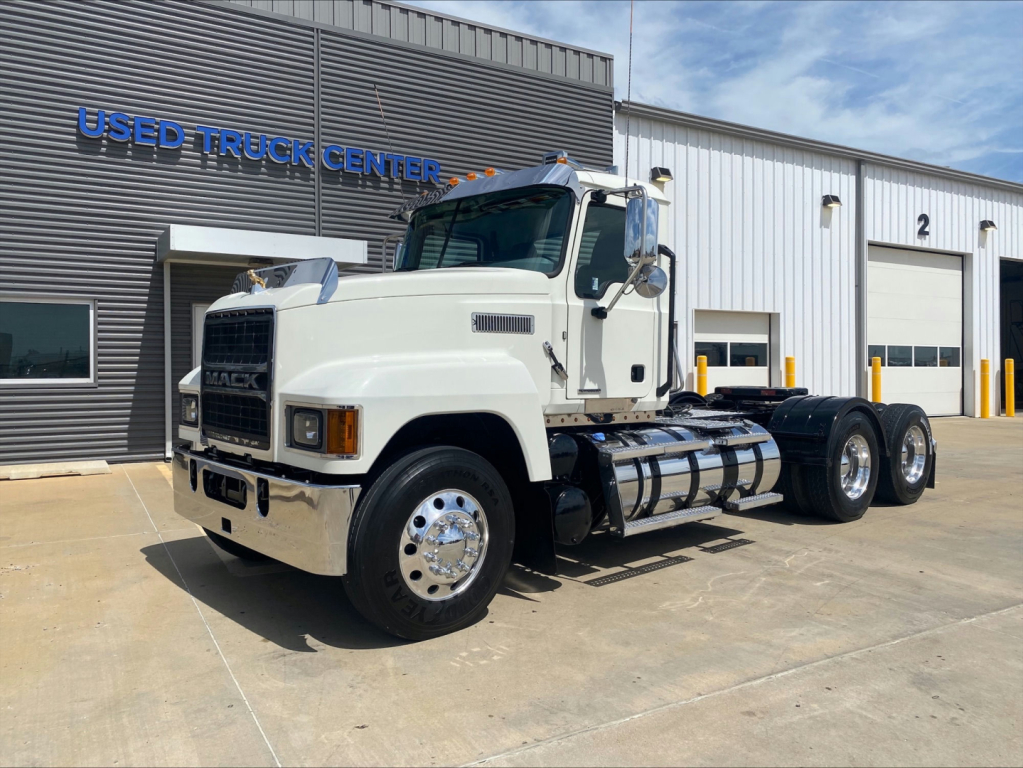
The biggest buying decision is usually axle configuration and wheelbase. Single-axle daycabs are lighter, easier to maneuver, and well suited for short regional lanes, tanker work, and operations where payload efficiency matters. Tandem-axle daycabs bring more flexibility for heavier trailer loads and more demanding duty cycles. Common specs in this class include 12,000 to 13,200 lb front axles, 21,000 to 23,000 lb single rears or 40,000 to 46,000 lb tandem rears, air ride suspension, and wheelbases ranging from around 170 to over 220 inches depending on fifth wheel setting and trailer application. Gear ratios like 2.64, 2.85, 3.08, and 3.25 can tell you a lot about intended use, fuel mileage expectations, and startability under load.
Powertrain choice matters more than brand loyalty on a daycab. Many 2021 conventional daycab trucks were spec'd with engines in the 400 to 505 horsepower range and automated manual transmissions, although some fleets still preferred traditional manuals for specific applications. For highway and regional freight, an overdrive automated transmission paired with faster rear ratios can lower fuel burn and driver fatigue. For heavier starts, frequent city stops, or vocational crossover use, buyers may want a deeper ratio, heavier frame rails, and components like full locking differentials, pusher options, or a no-tilt or convertible fifth wheel. It is also worth checking tire size, 22.5 versus 24.5, because that affects ride height, gearing feel, and replacement cost.
Cab condition and fleet maintenance records can be just as important as headline horsepower. On a 2021 truck, look at idle hours, clutch life on AMTs, DPF and SCR service history, suspension wear, and signs of frame or fifth wheel abuse from high-cycle trailer work. Daycabs used in regional fleets often show their value in cleaner interiors, lower empty weight, and simpler upkeep compared with sleeper tractors. Features like aluminum wheels, headache racks, dual exhaust, collision mitigation, lane departure warning, and factory telematics are common advantages in this generation. A well-matched 2021 conventional daycab should fit the trailer type, gross combination weight, lane length, and loading environment first, then meet driver preference second.
Frequently Asked Questions about 2021 Conventional Daycab Trucks in Oklahoma
What is a conventional daycab truck best used for?
A conventional daycab truck is best suited for local and regional hauling where the driver returns home daily and does not need a sleeper. Common applications include dedicated freight, distribution, container drayage, tanker work, dump trailer service, and short-haul agricultural or industrial routes. The shorter cab and lighter overall weight can improve maneuverability, reduce purchase cost, and increase payload efficiency compared with a sleeper tractor.
Should I choose a single-axle or tandem-axle 2021 daycab?
A single-axle daycab usually makes sense for lighter gross weights, tighter turns, and operations focused on fuel economy and reduced tire and maintenance cost. A tandem-axle daycab is the better fit for heavier trailers, more flexible load planning, and routes that demand better traction and durability under higher gross combination weights. The right choice depends on trailer type, average payload, bridge law considerations, and how often the truck operates on rough yards, oilfield roads, or uneven loading sites.
What engine and transmission specs are common in 2021 conventional daycabs?
Many 2021 conventional daycab trucks were built with diesel engines rated from about 400 to 505 horsepower, typically paired with either a 12-speed or 13-speed automated manual transmission or a traditional manual. Regional highway specs often use downsped drivetrains with taller rear axle ratios for fuel economy. Heavier-duty or vocational crossover specs may use deeper ratios and stronger axle packages to improve launch performance, gradeability, and low-speed control.
What should I inspect on a used 2021 daycab before buying?
Focus on maintenance records, engine hours, aftertreatment service history, transmission operation, suspension wear, and fifth wheel condition. A buyer should also review tire wear patterns, brake life, frame condition, and any evidence of hard coupling or trailer impact damage. On 2021 emissions-equipped trucks, DPF cleanings, SCR performance, fault code history, and software updates are especially important because those items directly affect uptime and operating cost.
Are 2021 daycab trucks good for Oklahoma hauling conditions?
Yes, 2021 conventional daycab trucks are a strong fit for Oklahoma operations because they can be spec'd for interstate freight, metro distribution, agricultural lanes, and energy-sector support. Buyers in Oklahoma should pay attention to cooling performance, crosswind stability, suspension durability, and axle gearing that matches both open-highway cruising and loaded starts. Trucks used across mixed terrain and variable weather benefit from a balanced spec that supports fuel economy without giving up durability or traction.