
2021 Conventional Daycab Trucks For Sale in Texas
Shop 2021 conventional daycab trucks in Texas. Compare wheelbase, engine, transmission, axle ratings, and fifth wheel specs for regional haul work.
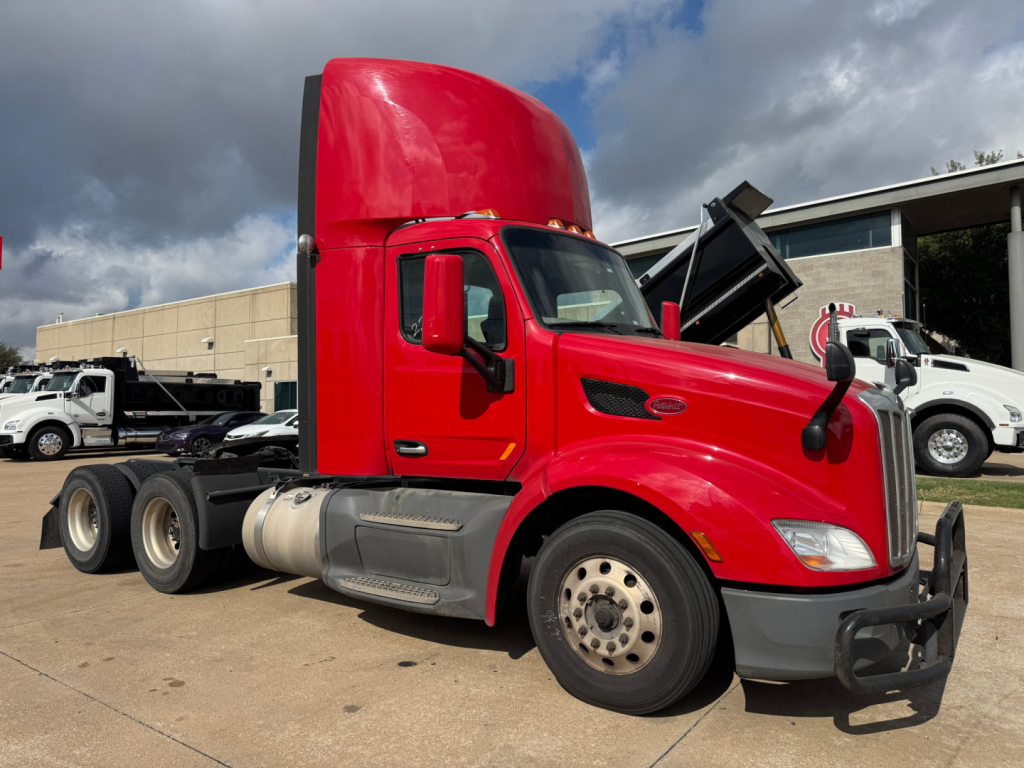
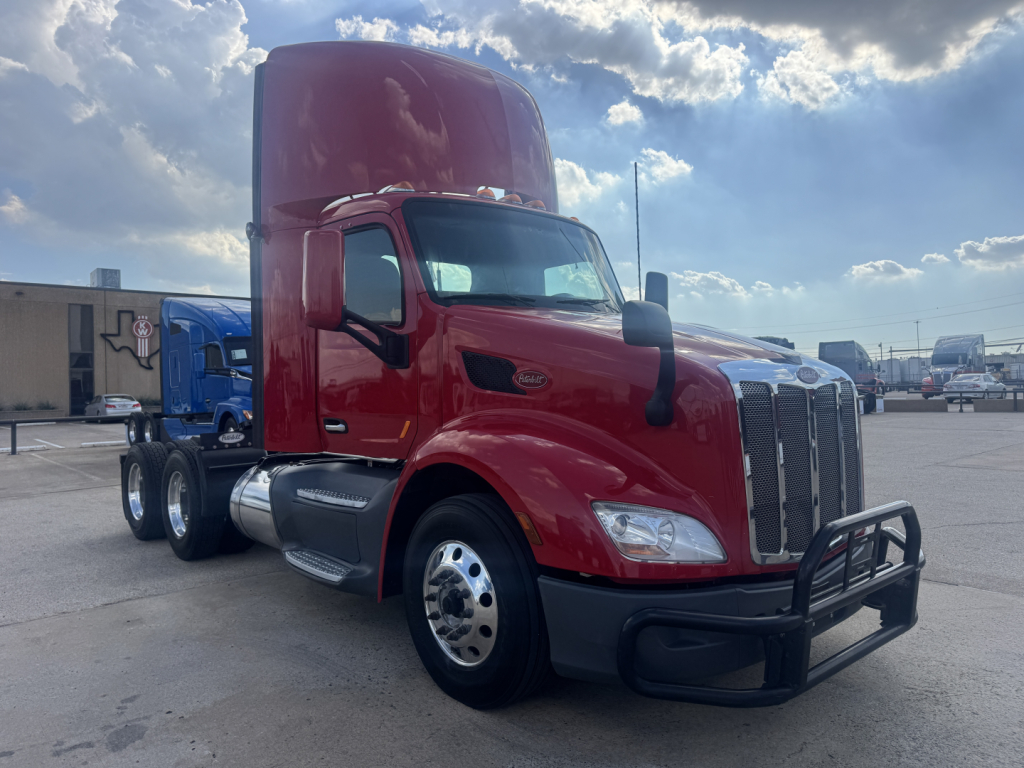
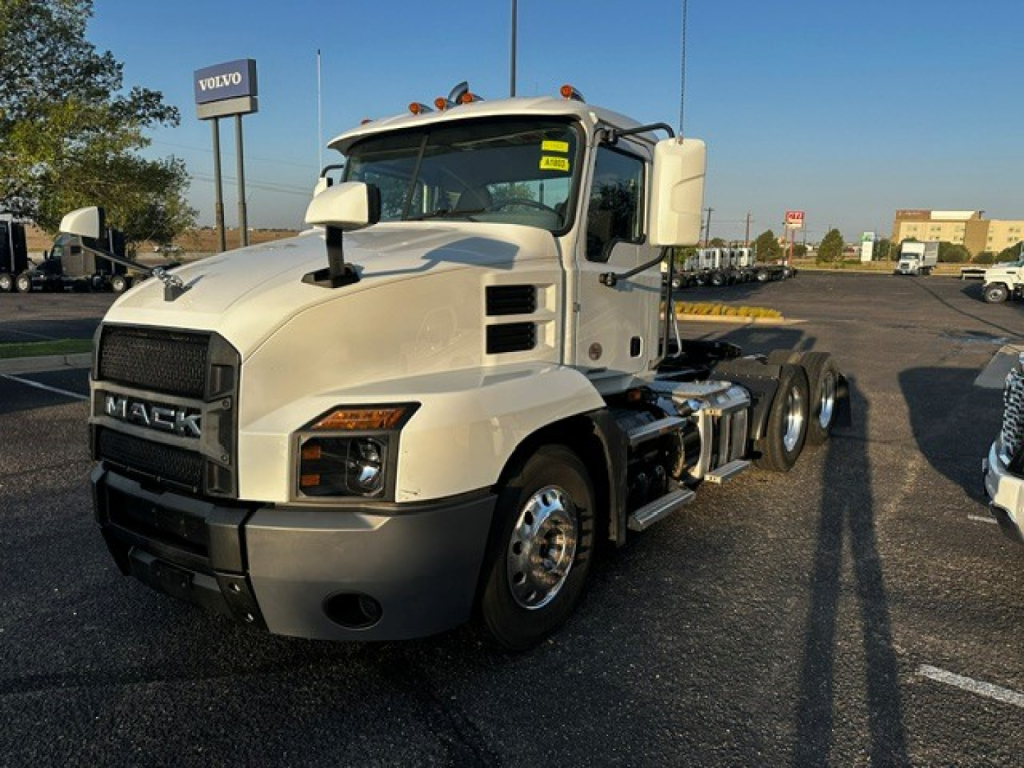
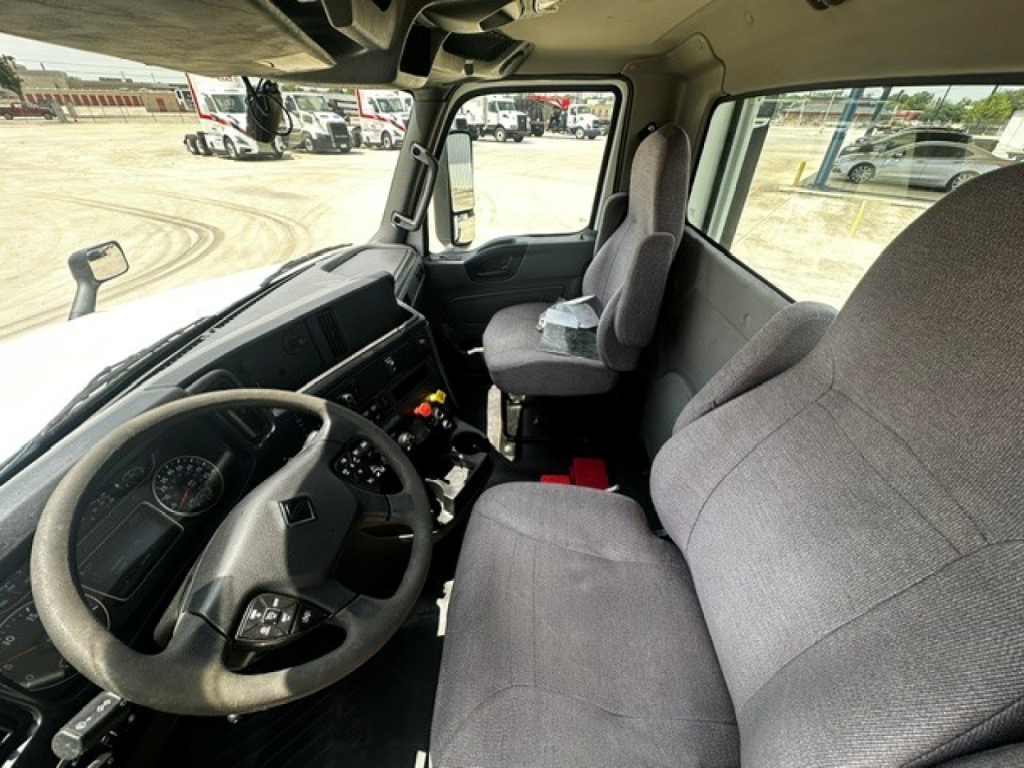

Selling a 2021 conventional daycab truck? List your 2021 conventional daycab truck for sale and reach thousands of commercial buyers.
2021 Conventional Daycab Trucks in Texas
The most important buying decisions usually start with the powertrain and chassis layout. In the 2021 model year, common engine ratings ranged from the low 300s to mid 400s horsepower, often paired with torque outputs suited for regional freight, tanker, flatbed, dry van, container, or bulk work. Automated manual transmissions were widely spec'd by this time, though manual options still appear in some fleet and vocational applications. Pay close attention to wheelbase, rear axle ratio, and fifth wheel position, since those three factors affect bridge compliance, trailer swing clearance, turning radius, and how well the truck handles different kingpin settings. Front axle ratings, rear suspension capacity, and fuel tank size also matter if the truck will split time between urban work and longer Texas lanes.
A good 2021 daycab should be evaluated beyond mileage and make. Look at emissions system service history, idle hours, brake type, tire condition, frame layout, and whether the truck has locking differentials, disc brakes, collision mitigation, adaptive cruise, or lane departure systems. Many 2021 conventional daycabs were spec'd with aerodynamic hoods, fairings, and roof treatments that improve fuel economy at highway speed, but some buyers may prefer a more rugged vocational setup with higher ride height and heavier components. Interior condition matters too, since daycabs often see frequent driver entry and exit. Seats, steering wheel wear, HVAC performance, and switchgear condition can tell you a lot about how the truck was used.
For Texas buyers, application fit is everything. A short wheelbase daycab can make more sense around Houston, Dallas-Fort Worth, San Antonio, or port and warehouse corridors where backing and tight turns are routine. A longer wheelbase regional tractor may ride better and carry more fuel for steady runs across the state. If the truck will pull multiple trailer types, confirm the fifth wheel height, sliding travel, and air and electrical line setup. A 2021 conventional daycab remains a practical choice for fleets focused on uptime, lower tare weight, and straightforward driver scheduling, provided the spec matches the freight and the truck has a documented maintenance history.
Frequently Asked Questions about 2021 Conventional Daycab Trucks in Texas
What is a conventional daycab truck used for?
A conventional daycab truck is used for freight operations that do not require overnight accommodations for the driver. Common applications include regional haul, local and dedicated routes, port drayage, tanker work, flatbed service, dry van lanes, and some vocational tractor duties. The conventional hood design provides easier engine access than cabover configurations, while the daycab layout reduces weight and overall length compared with a sleeper tractor.
What should I check first on a 2021 conventional daycab?
Start with the truck's original spec and maintenance history. Engine rating, transmission type, axle ratings, wheelbase, rear axle ratio, and fifth wheel setup should match the intended trailer and freight. After that, review emissions system repairs, idle hours, brake and tire wear, suspension condition, and any signs of frame modification or damage. A 2021 model may still offer modern safety and fuel-efficiency features, but condition and service records matter more than options alone.
Is an automated manual transmission a good choice in a 2021 daycab?
For many fleets, yes. By 2021, automated manual transmissions had become a common spec in conventional daycab trucks because they improve driver consistency, reduce clutch-related wear, and help with fuel economy in stop-and-go and regional service. They can also simplify hiring by reducing the need for drivers experienced with manual shifting. The key is confirming the transmission calibration, clutch life, and service history, especially if the truck worked in heavy urban traffic or vocational conditions.
How do I choose the right wheelbase for a daycab in Texas?
Wheelbase should match the operating environment and trailer mix. Shorter wheelbases are easier to maneuver in tight yards, crowded warehouse districts, and port terminals. Longer wheelbases can improve ride quality, weight distribution, and fuel capacity for regional runs across Texas. Buyers should also consider kingpin setting, trailer gap, bridge laws, and turning requirements before deciding, because wheelbase affects both drivability and legal load positioning.
Are 2021 daycab trucks good for regional hauling?
Yes, a 2021 conventional daycab is often an excellent fit for regional hauling. These trucks typically combine modern aerodynamics, updated safety systems, and efficient powertrain options with lower tare weight than a sleeper tractor. They work especially well on routes where drivers return daily or where the operation values easier yard access and lower operating cost. The best results come from choosing a spec with the right horsepower, gearing, fuel capacity, and suspension for the freight.