
2021 International Conventional Daycab Trucks For Sale in Texas
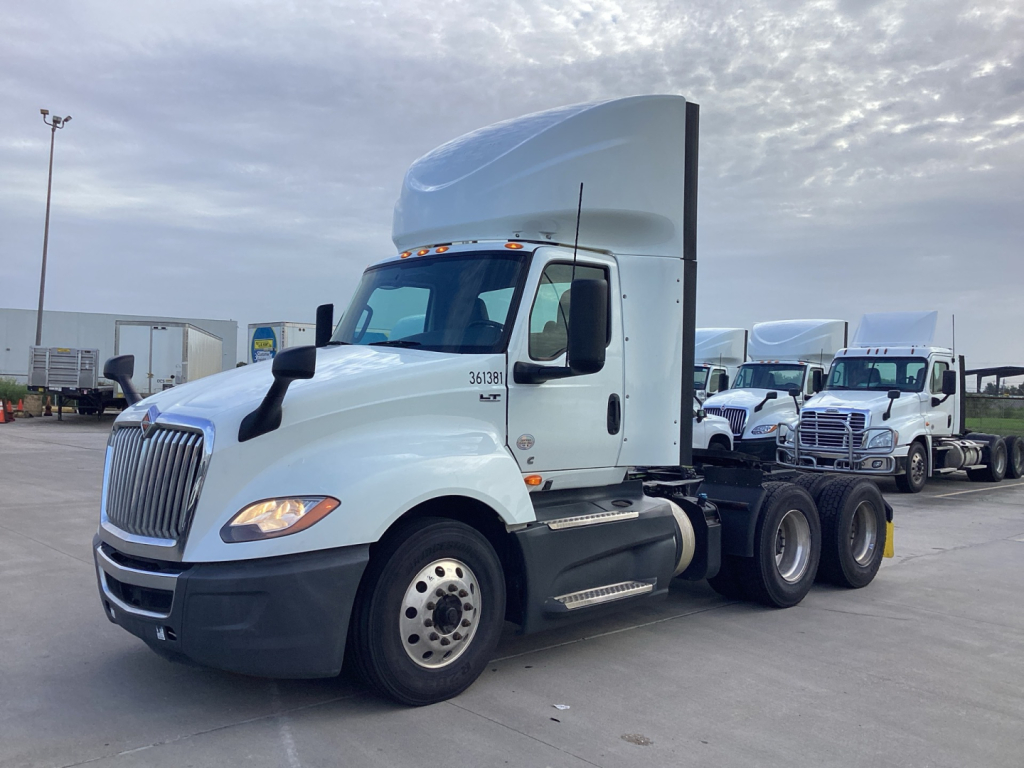
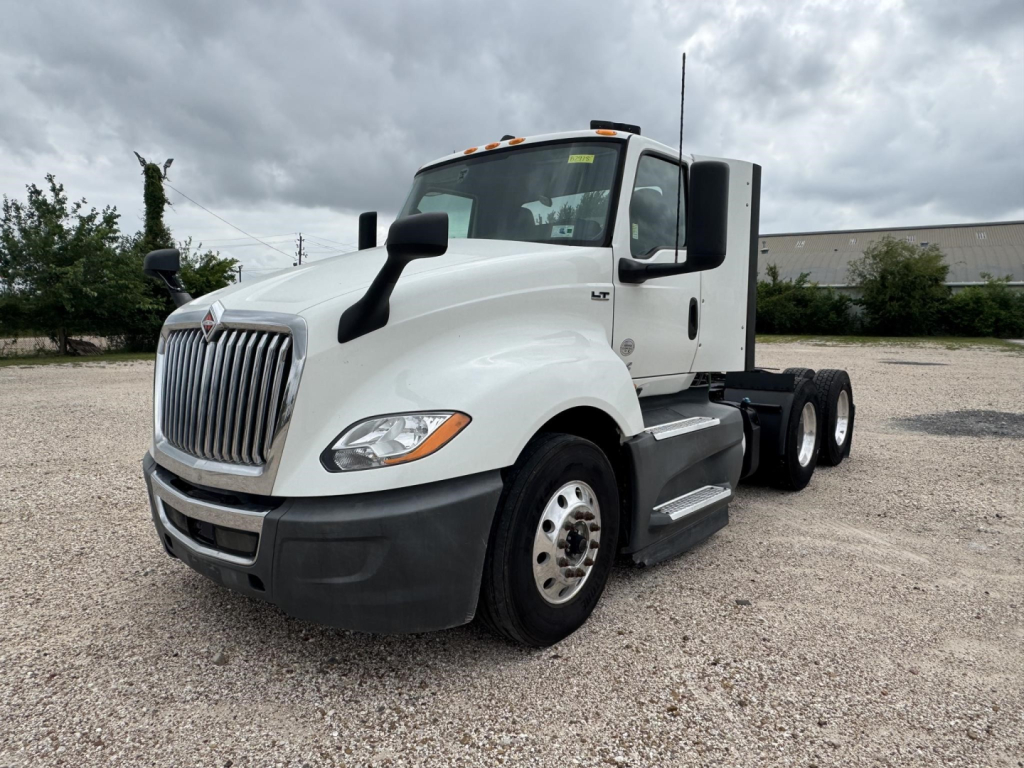
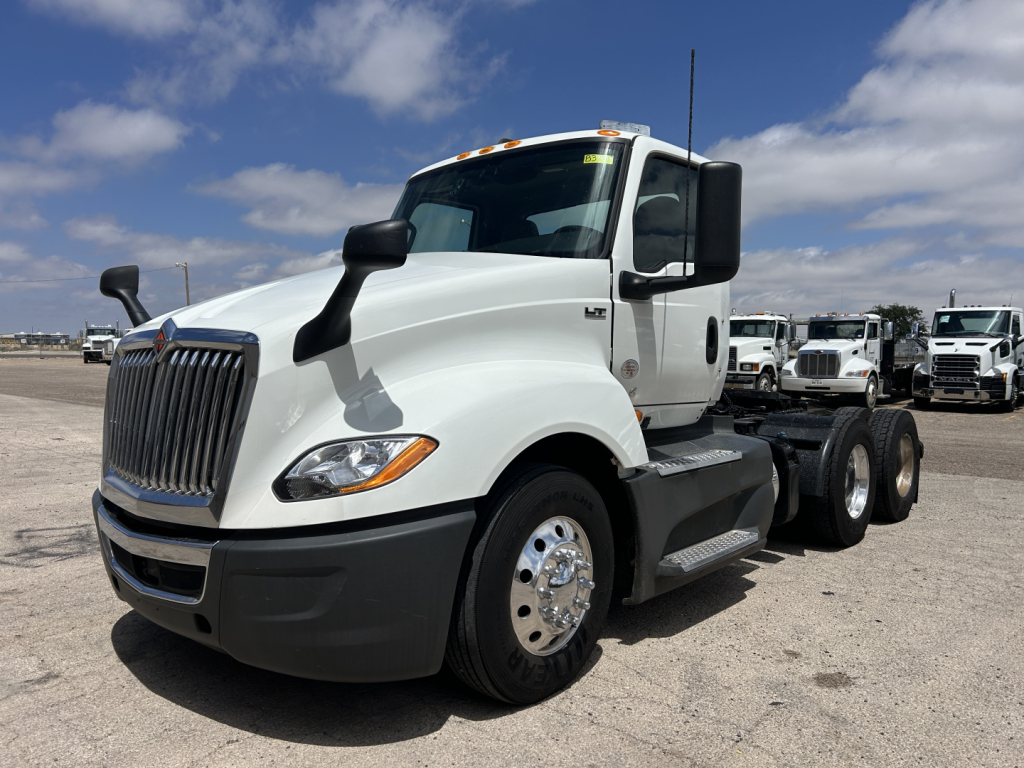
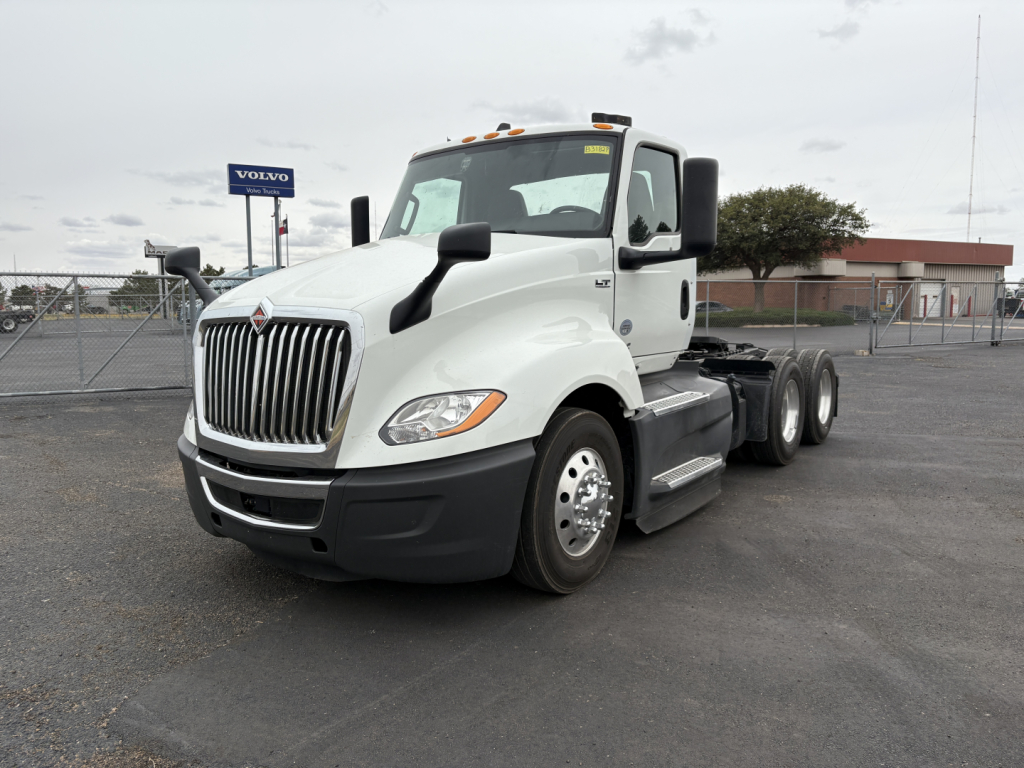
Have 2021 international conventional daycab truck to sell? List it here to reach thousands of buyers.
2021 International Conventional Daycab Trucks in Texas
One of the biggest buying decisions is the powertrain. Many 2021 International daycabs are equipped with the Navistar A26, typically in ratings around the low- to mid-400 horsepower range, often paired with direct-drive or overdrive automated transmissions. Rear axle ratios such as 2.47, 2.79, or 3.42 can change how the truck performs in Texas service. A taller ratio generally favors fuel economy on flatter highway routes, while a deeper ratio can make more sense for heavier starts, urban stop-and-go work, or operations that need stronger low-speed pull. Single axle specifications are common in this class, with rear axle ratings often around 20,000 to 23,000 pounds, making them a practical fit for regional van, reefer, and lighter bulk or container applications.
Cab and chassis details matter just as much as engine specs. Buyers should compare wheelbase, fifth wheel type, fuel capacity, brake configuration, and aero equipment. A 165-inch to 173-inch wheelbase is common on conventional daycabs and can be a good indicator of intended trailer match and turning characteristics. Adjustable fifth wheels add flexibility if trailer kingpin settings vary across the fleet, while stationary fifth wheels can be perfectly suitable for dedicated routes. Air ride suspension improves ride quality and helps protect both driver comfort and freight. Disc brakes, collision mitigation systems, aluminum fuel tanks, roof fairings, cab extenders, and quarter fenders are all features that can affect uptime, safety, and operating cost.
For Texas operations, heat management, durability, and route profile should guide the final choice. Air conditioning performance, cooling system condition, tire size, and brake wear deserve close attention on any used 2021 International daycab. Trucks running in Dallas-Fort Worth, Houston, San Antonio, or cross-border freight lanes may see a mix of highway miles, traffic, and frequent coupling cycles, so it pays to look closely at suspension wear, transmission calibration, and the condition of the fifth wheel and frame top. A well-matched 2021 International conventional daycab can deliver a strong balance of fuel efficiency, driver comfort, and low cab-over downtime for fleets and owner-operators running regional freight.
Frequently Asked Questions about 2021 International Conventional Daycab Trucks in Texas
What is the typical use for a 2021 International conventional daycab?
A 2021 International conventional daycab is typically used for regional freight, local and short-haul work, drayage, dedicated contract lanes, and distribution routes that return the driver home daily. Because it does not have a sleeper, it usually offers lower weight and a shorter overall package than a comparable sleeper tractor. That makes it a strong fit for operations that value maneuverability, easier yard access, and efficient tractor-trailer pairing over long-haul living space.
Which engine is commonly found in a 2021 International daycab?
The Navistar A26 is one of the most common engines in this category and is often spec'd around 400 to 430 horsepower, depending on application. Buyers should review horsepower and torque ratings together, not just the headline horsepower number. The A26 is widely used in regional haul specs because it is designed to balance fuel economy, drivability, and serviceability, especially when paired with an automated transmission and a rear axle ratio matched to the route.
How important is rear axle ratio on an International daycab?
Rear axle ratio has a major effect on launch performance, cruise RPM, fuel economy, and how well the truck matches its trailer and route. Ratios like 2.47 or 2.79 are usually aimed at highway efficiency on lighter or moderate loads, while a 3.42 ratio can be more suitable for heavier starts, more urban duty cycles, or applications with frequent stop-and-go driving. A buyer should compare the ratio with tire size, transmission gearing, and expected gross combination weight before making a decision.
What should I inspect on a used 2021 International conventional daycab in Texas?
Focus on engine service history, fault codes, transmission operation, cooling system condition, brake wear, tire condition, suspension components, and signs of frame or fifth wheel wear. In Texas, long highway miles and high ambient temperatures make cooling performance and air conditioning especially important. It is also smart to inspect the kingpin contact area on the fifth wheel, check for uneven tire wear that may point to alignment or suspension issues, and confirm that any safety systems such as collision mitigation are functioning properly.
What is the difference between an adjustable and stationary fifth wheel on a daycab?
An adjustable fifth wheel lets the coupling position move along the frame, which helps when the truck pulls trailers with different kingpin settings or when axle weight distribution needs to be fine-tuned. A stationary fifth wheel is fixed in place and is common on dedicated applications where the same trailer style is used consistently. For mixed-fleet or drop-and-hook work, an adjustable fifth wheel usually provides more flexibility, while a stationary setup can be simpler and lighter.