
2021 International Conventional Daycab Trucks For Sale
Shop 2021 International conventional daycab trucks with specs, drivetrain details, axle ratings, and route-focused buying insights.
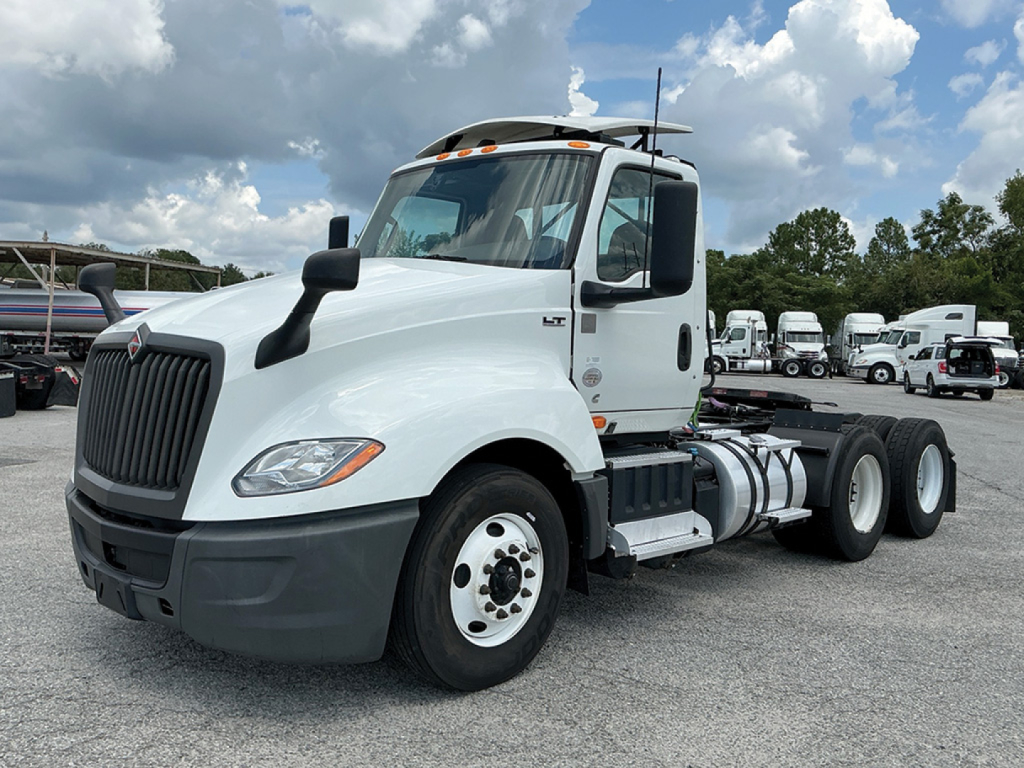
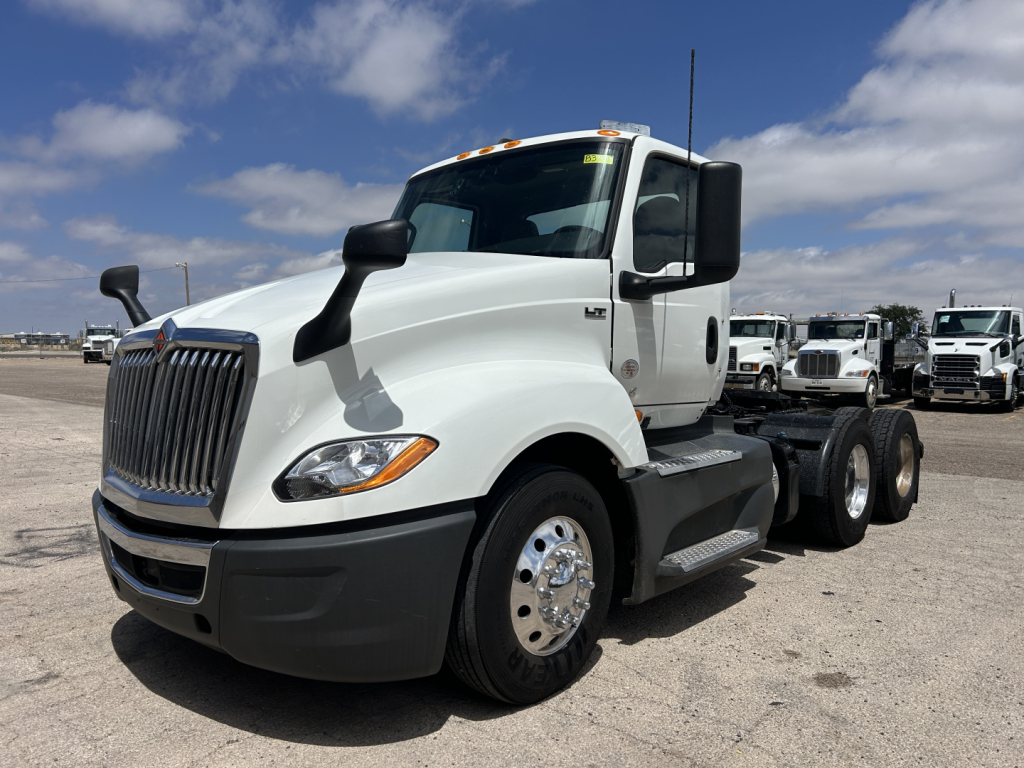
Selling a 2021 international conventional daycab truck? List your 2021 international conventional daycab truck for sale and reach thousands of commercial buyers.
2021 International Conventional Daycab Trucks
The most important buying decision is matching the truck's gearing, transmission logic, and wheelbase to the work. A 3.25 ratio with an automated overdrive transmission is a common fit for highway regional freight and fuel-conscious fleets. Shorter wheelbase daycabs are easier around tight docks, container yards, and urban terminals, while a slightly longer wheelbase can improve ride quality and stability with van, reefer, or flatbed service. Check for an air slide fifth wheel if the truck will pull mixed trailer lengths, and verify whether the truck has a wet kit if it may be used with certain dump, walking floor, or pneumatic applications. Fuel capacity on daycabs is often split between dual side tanks, and that matters if the route network includes long out-and-back runs without reliable fuel stops.
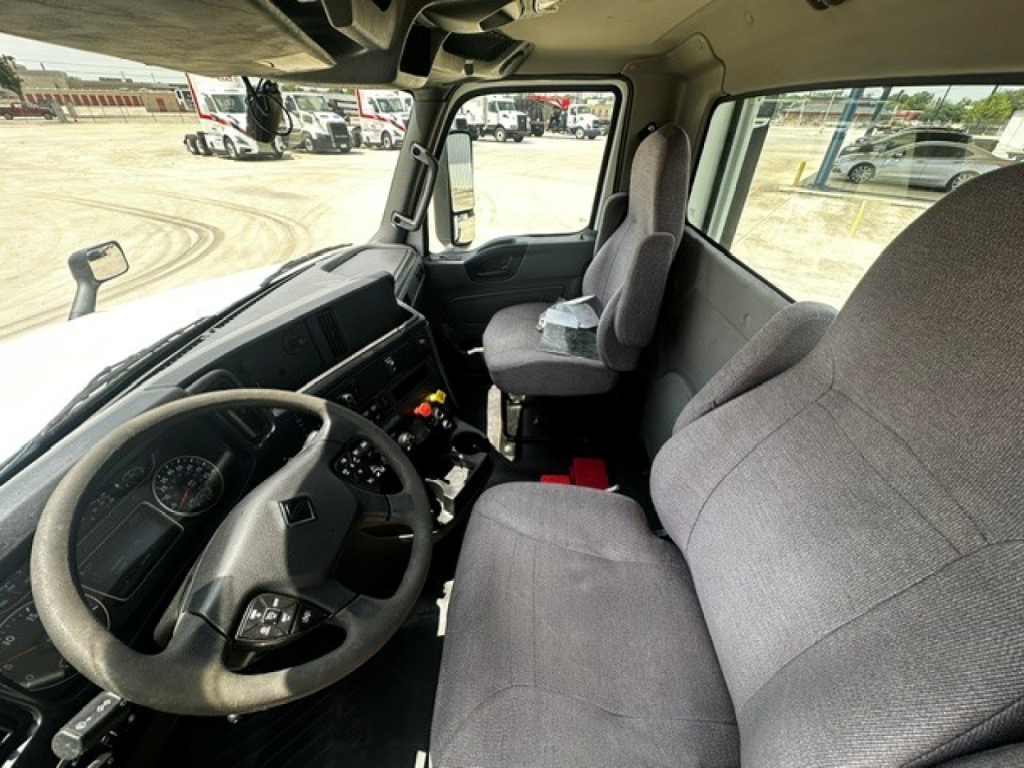
On 2021 International daycabs, spec details often point directly to operating cost. The A26 is known for its lighter package and fuel economy focus compared with larger displacement heavy haul engines, so it is best suited to general freight rather than severe-duty pulling. Buyers should confirm engine brake performance, rear suspension type, and whether the truck has disc or drum brakes depending on maintenance preference. International's IROS air ride suspension is common on highway tractors and generally gives a good balance of ride and control. Driver comfort and safety features also matter in this year range, including collision mitigation, cruise control, air ride cab, power windows and locks, and a practical dash layout for multi-stop routes.
A used 2021 conventional daycab should be evaluated like a working fleet truck, not just by appearance. Review ECM data, idle hours, service records, aftertreatment history, and software campaign status. Look closely at DPF and SCR maintenance, clutch and transmission calibration on automated units, kingpin wear at the fifth wheel, suspension bushing condition, and steer tire wear patterns that may point to alignment or axle loading issues. For buyers comparing multiple listings, the best truck is usually the one with the clearest maintenance history, the right axle ratio for the freight, and a spec that fits the lane without paying for unused capability.
Frequently Asked Questions about 2021 International Conventional Daycab Trucks
What engine is most common in a 2021 International conventional daycab?
The most common engine in a 2021 International conventional daycab is the International A26, typically rated around 400 to 430 horsepower. It is a fuel-efficient engine designed for regional and highway freight applications, and it is commonly paired with an automated manual transmission. Buyers should confirm horsepower, torque rating, and emissions service history because those details affect performance, uptime, and operating cost.
Is a 2021 International daycab a good fit for local and regional hauling?
Yes. A 2021 International daycab is generally a strong fit for local, regional, dedicated, and port-style work where drivers return home daily and sleeper space is unnecessary. The daycab layout reduces weight, improves maneuverability, and simplifies cab entry and exit for frequent-stop operations. It is less suited to long over-the-road runs that require overnight accommodations.
What axle ratio should I look for on a 2021 International daycab?
A ratio around 3.08 to 3.36 is common and works well for many regional highway applications, especially when paired with an overdrive automated transmission. Lower numerical ratios usually favor fuel economy at cruise speed, while higher numerical ratios can improve low-speed pulling power and launch performance. The right choice depends on trailer weight, terrain, average speed, and how often the truck operates in stop-and-go service.
What should I inspect on a used 2021 International conventional daycab before buying?
Focus on maintenance records, engine hours, idle time, aftertreatment service, and transmission calibration history. Inspect the DPF and SCR system, check for fault codes, evaluate fifth wheel wear, and examine suspension, brakes, and steer tire wear for signs of alignment or chassis issues. On automated transmissions, smooth shifting and updated software matter because drivability complaints often trace back to calibration rather than hard-part failure.
How does a daycab differ from a sleeper tractor in this size class?
A daycab, also known as a non-sleeper conventional tractor, does not have a rear sleeping compartment. That usually means lower curb weight, a shorter overall length, easier maneuvering, and better suitability for local and regional service. A sleeper tractor adds driver accommodations for overnight runs but also adds weight, length, and cost that may not be necessary for dedicated daytime routes.