
Conventional Day Cab Trucks For Sale in Georgia
Conventional day cab trucks for sale in Georgia: compare axle layouts, gearing, port-duty requirements, and used-truck inspection priorities before buying.
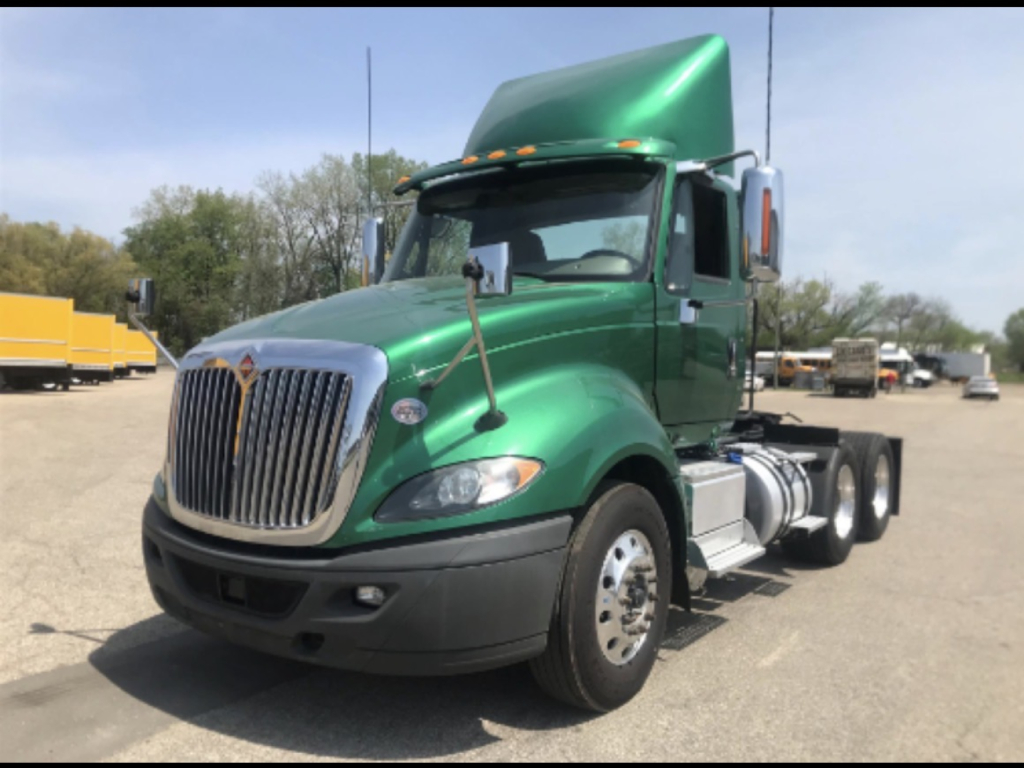
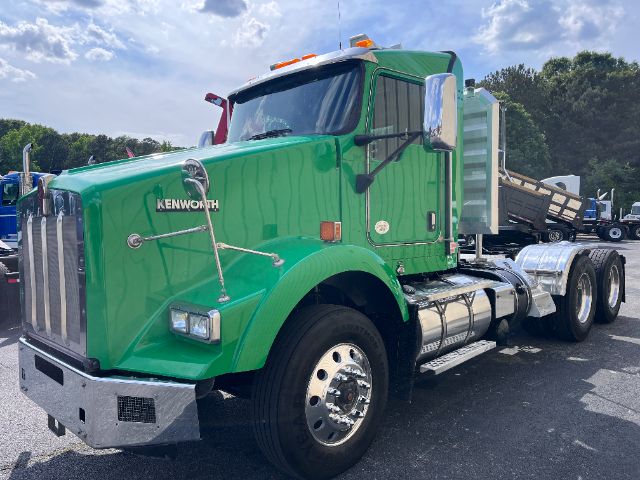
2014 Kenworth T800
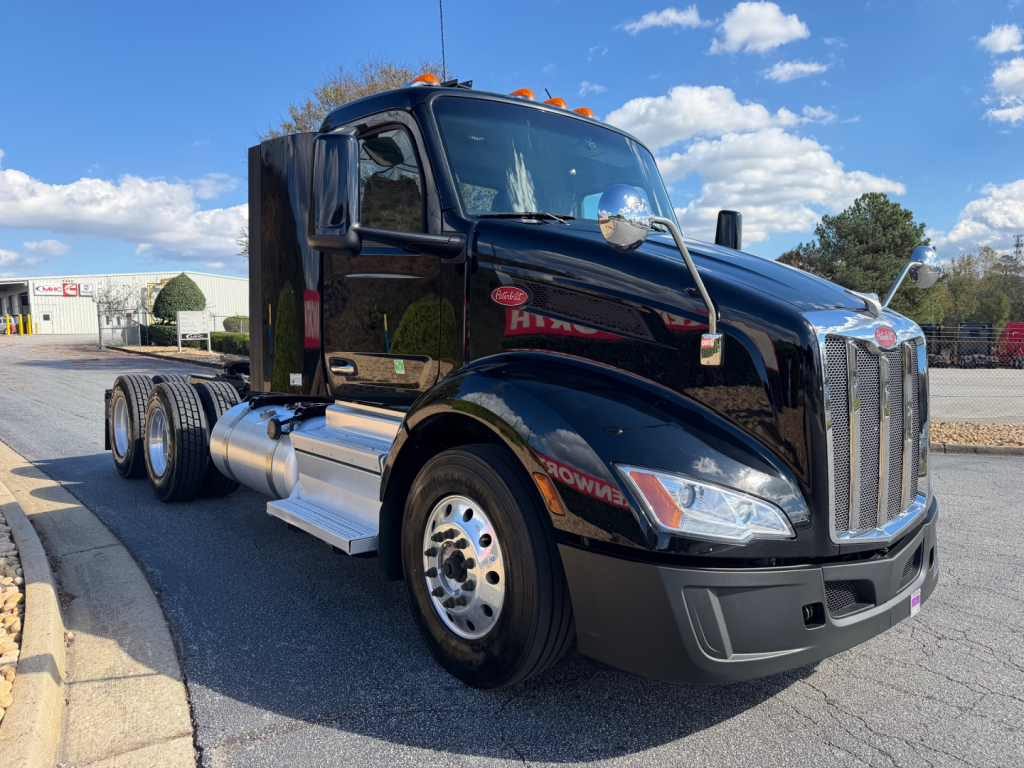
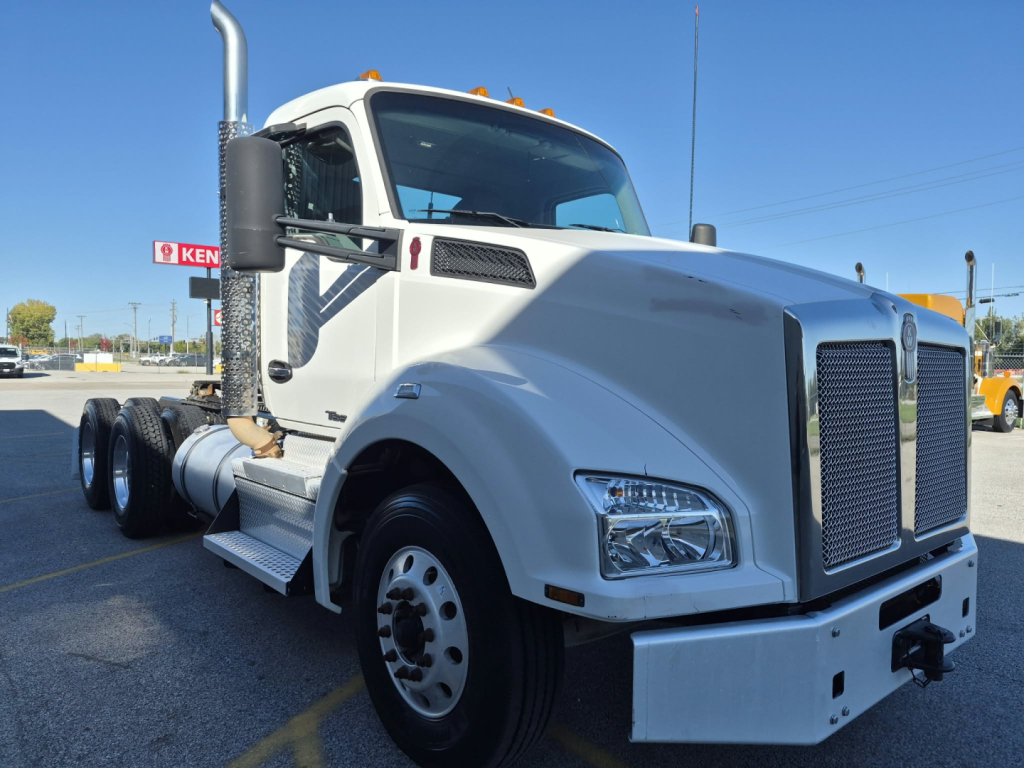
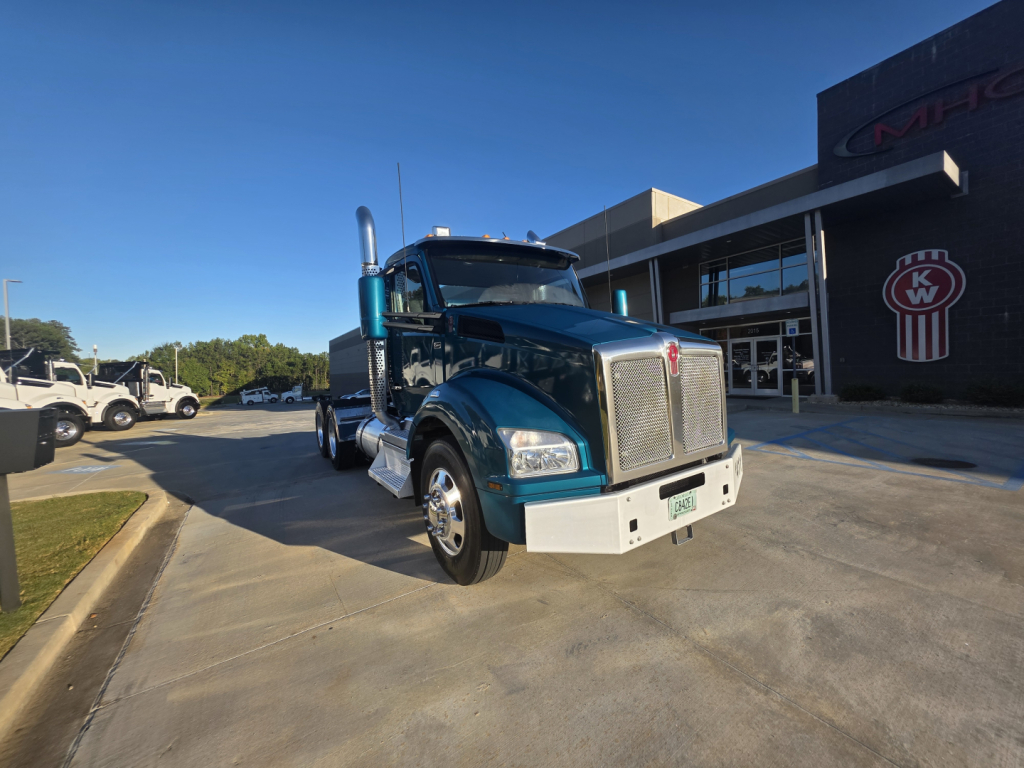
2024 Kenworth T880
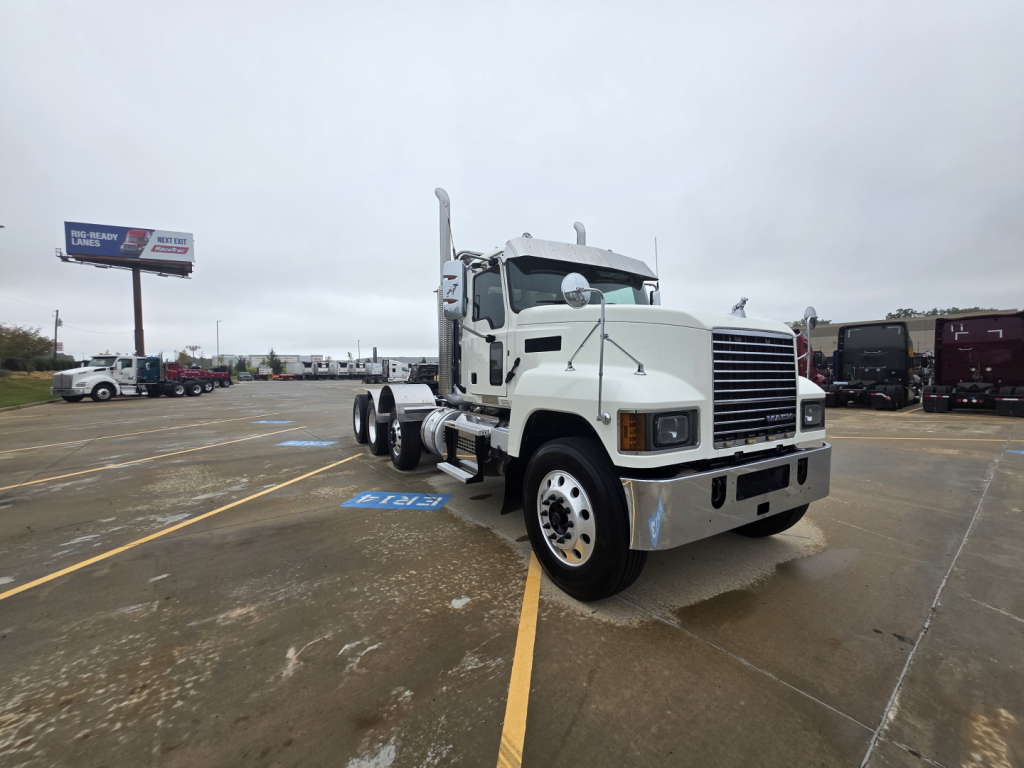
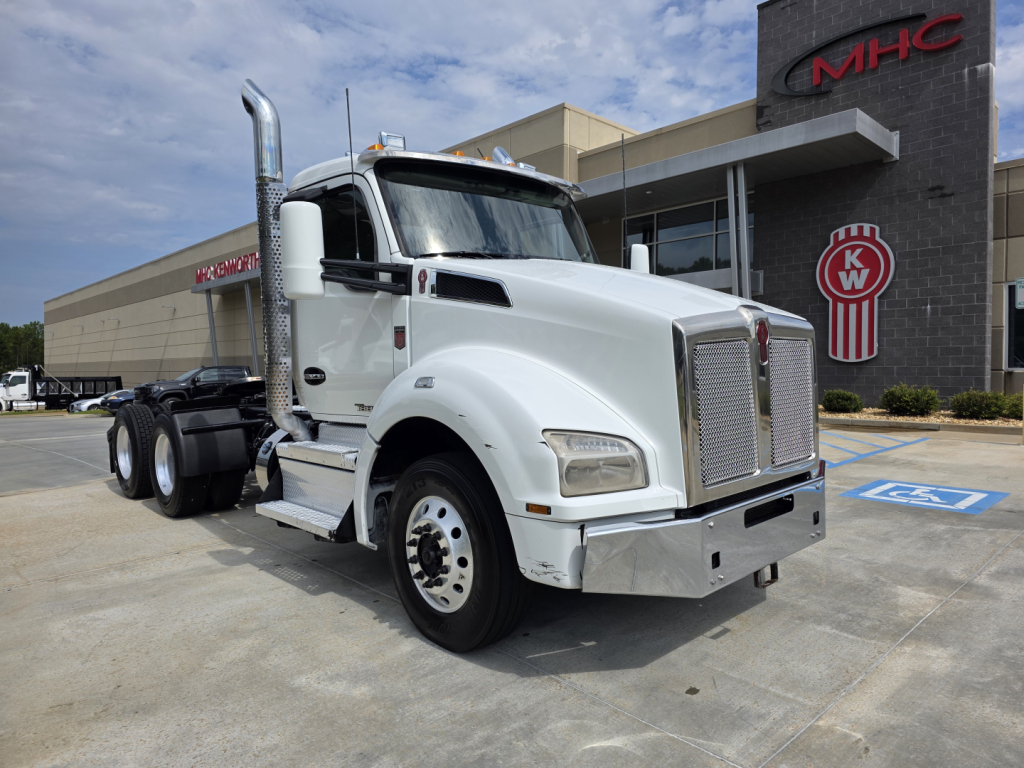
2020 Kenworth T880
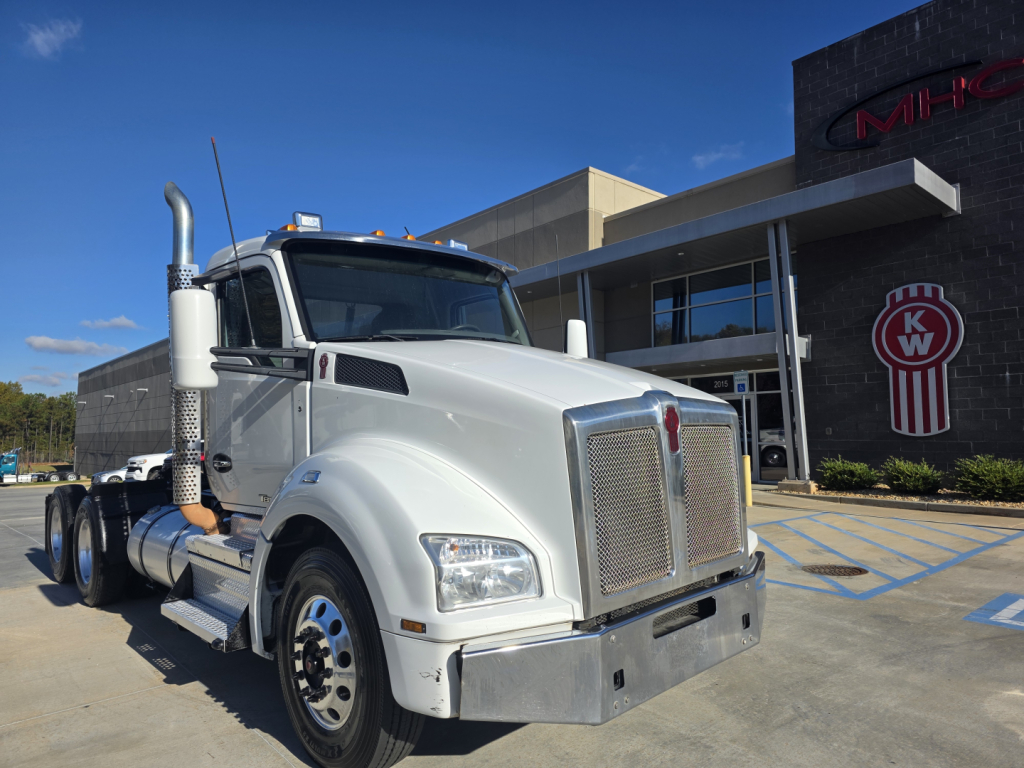
2019 Kenworth T880
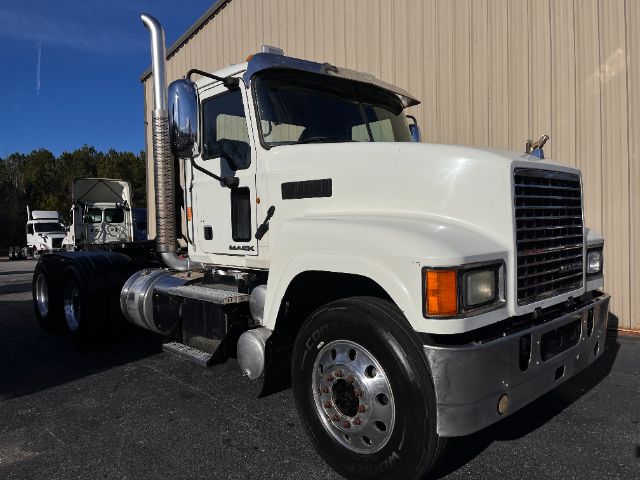
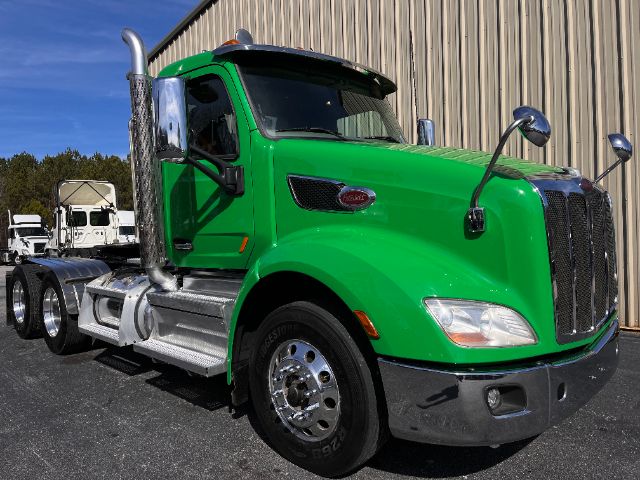

Selling a conventional day cab truck? List your conventional day cab truck for sale and reach thousands of commercial buyers.
Conventional Day Cab Trucks in Georgia
Freightliner Cascadia, Mack Pinnacle, Kenworth T800, Peterbilt 579, and International LT day cabs cover highway and vocational configurations. On used tractors, compare ECM mileage, engine hours, idle percentage, and service records; inspect fifth-wheel jaws, suspension bushings, brakes, and frame repairs. Check corrosion against prior operating territory, not the current Georgia location. Georgia heat makes radiator, charge-air cooler, fan drive, and air-conditioning condition worth testing under load. For DPF-equipped engines, review regeneration history and aftertreatment repairs rather than assuming low mileage means low wear. For new trucks, specify axle ratings, wheelbase, PTO provisions, and warranty coverage around the actual trailer and duty cycle.
Frequently Asked Questions about Conventional Day Cab Trucks in Georgia
How much weight can a day cab tractor-trailer legally haul on Georgia Interstates?
A standard tractor-trailer on Georgia Interstates is generally limited to 80,000 pounds gross, 20,000 pounds on a single axle, and 34,000 pounds on a tandem. Federal Bridge Formula requirements and axle spacing also apply. A day cab tractor’s axle ratings, tire capacities, and registered weight can impose lower limits. Calculate payload after accounting for the tractor, trailer, fuel, and equipment.
Which model years of day cab trucks have DPF and DEF systems?
Most 2007-and-newer heavy-duty diesel engines use a DPF, and most 2010-and-newer engines also use SCR with DEF. Verify the engine’s emissions certification and installed equipment rather than relying on the day cab truck’s model year alone. Short runs and prolonged idling can complicate regeneration, so match the emissions system’s operating requirements to the route. Emissions-system deletion is not a legal solution for highway operation.
What wet kit does a day cab need for a dump or walking-floor trailer?
The trailer’s required hydraulic flow, working pressure, and return arrangement determine the wet kit for a day cab tractor. A dump trailer and a walking-floor trailer can require different pump output, reservoir capacity, and plumbing. Verify PTO compatibility with the exact transmission, control placement, hose routing, couplers, and hydraulic cooling before assuming an existing wet kit will operate the intended trailer.
Does the 12% federal excise tax apply to a new day cab tractor?
Qualifying new heavy day cab tractors are generally subject to the 12% federal excise tax on the first retail sale. Ask for the tax treatment to be identified separately from equipment specifications and warranty terms. Confirm whether warranty coverage includes aftertreatment, towing, and diagnostic labor, and whether engine and transmission warranties differ from chassis coverage. Do not assume every component carries the same coverage period.
How should I test an automated transmission in a used day cab?
A loaded, fully warmed road test is the most useful operational check of an automated transmission in a used day cab tractor. Check forward and reverse engagement, low-speed control, uphill starts, and shifts under load. Scan transmission faults and review clutch-life data where supported. A clean dashboard cannot establish clutch or actuator condition, and an unloaded drive may miss problems that appear at working weight.