
2018 Conventional Daycab Trucks For Sale in Georgia
Shop 2018 conventional daycab trucks in Georgia. Compare specs, wheelbase, drivetrain, engine, and daycab features for regional hauling.
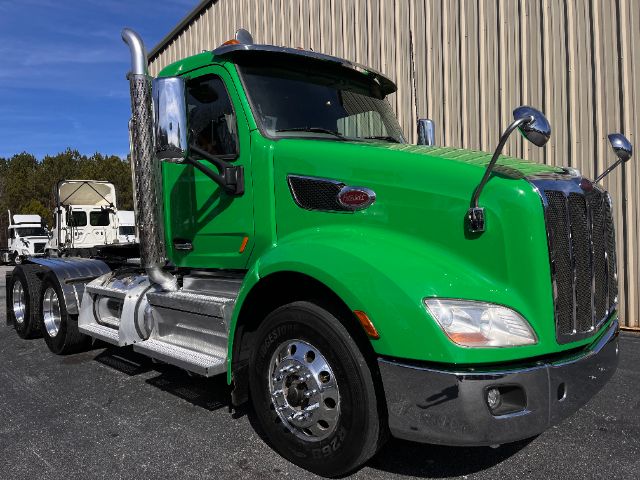

Have 2018 conventional daycab truck to sell? List it here to reach thousands of buyers.
2018 Conventional Daycab Trucks in Georgia
Most 2018 daycabs on the market are spec'd with 12.8L to 15L diesel engines from Cummins, Detroit, Paccar, or Volvo, commonly in the 400 to 455 horsepower range with torque suited for van, reefer, flatbed, tanker, and container work. Automated manual transmissions are common in this model year, though some trucks still carry manual gearboxes depending on prior fleet use. Typical rear axle ratings are around 40,000 pounds with air ride suspension, and wheelbases often fall in the 170 to 180 inch range for a balanced mix of stability and tight-site access. Air slide fifth wheels, engine brakes, disc or drum brakes, and low-profile 22.5 tires are all common features worth comparing across listings.
Condition matters more than badge alone on a used 2018 conventional daycab. A buyer should look closely at engine hours versus miles, idle time, aftertreatment service history, clutch life on AMT trucks, suspension wear, and the condition of the fifth wheel, frame rails, and cab mounts. For Georgia operation, cooling system health and air conditioning performance are not minor items. They affect uptime. If the truck has a wet kit, pintle hook, collision mitigation system, or upgraded fairings, those details can make a big difference depending on whether the truck is headed into dump, tanker, yard, or highway fleet service.
The strongest value in a 2018 daycab usually comes from matching the spec to the job instead of chasing the highest horsepower number. A lighter regional van operation may favor fuel economy, a faster rear ratio, and aerodynamic cab fairings. A heavier application may justify more torque, a wet kit, heavier suspension components, or a more versatile adjustable fifth wheel. Conventional daycabs are also known simply as day cab semi trucks or non-sleeper road tractors, and they remain one of the most practical choices for fleets and owner-operators who need a road tractor that stays productive close to home base.
Frequently Asked Questions about 2018 Conventional Daycab Trucks in Georgia
What is the typical use for a 2018 conventional daycab truck?
A 2018 conventional daycab is typically used for regional freight, local shuttle work, drayage, dedicated route service, and any application where the driver returns daily or does not need sleeper accommodations. The shorter overall length and lower curb weight compared with a sleeper tractor make this configuration well suited for frequent stops, tighter yards, and urban freight corridors. It is commonly paired with dry van, reefer, flatbed, tanker, or chassis work depending on the axle, gearing, and fifth wheel spec.
What specs should buyers compare first on a used 2018 daycab?
The first items to compare are engine make and horsepower, transmission type, rear axle ratio, wheelbase, suspension, and fifth wheel configuration. Those specs tell you how the truck will pull, how efficiently it will run at highway speed, and how easily it will maneuver in confined areas. Buyers should also compare mileage, engine hours, brake type, tire size, and any application-specific equipment such as a wet kit or pintle hook. A truck with the right drivetrain for the route will usually outperform a mismatched truck with a higher headline horsepower number.
Is a 2018 daycab better with an automatic or manual transmission?
For most regional and local operations, an automated manual transmission is the more common and practical choice in a 2018 daycab. AMTs reduce driver fatigue in stop-and-go traffic, improve shift consistency, and can help fleets standardize fuel economy and training. A manual transmission may still appeal to buyers who prefer direct control or operate in specialized vocational settings, but AMTs dominate this segment because they fit high-frequency urban and regional work well. Service history and clutch performance are more important than transmission type alone.
How important is wheelbase on a conventional daycab truck?
Wheelbase is one of the most important buying factors because it affects turning radius, ride quality, bridge law flexibility, and trailer compatibility. A shorter wheelbase generally helps in city work, distribution centers, and port environments where tight maneuvering matters. A slightly longer wheelbase can improve highway stability and help with certain body or equipment layouts. Many used daycabs in this category fall around the mid-170-inch range, which is a common compromise between maneuverability and road manners.
What should buyers inspect on a used 2018 conventional daycab in Georgia?
Buyers should pay close attention to aftertreatment records, cooling system condition, air conditioning performance, brake wear, suspension components, and any signs of frame damage or corrosion. In a hot climate like Georgia, radiator health, charge air cooler condition, and cab HVAC performance directly affect reliability and driver comfort. It is also smart to inspect the fifth wheel operation, steer tire wear pattern, driveline vibration history, and any evidence of hard vocational use such as excessive wear around the hitch, wet kit plumbing, or rear suspension.