
2018 Freightliner Conventional Daycab Trucks For Sale in Georgia
Shop 2018 Freightliner conventional daycab trucks in Georgia. Compare Cascadia specs, DD13 and DD15 engines, wheelbases, transmissions, and axle ratios.
Learn more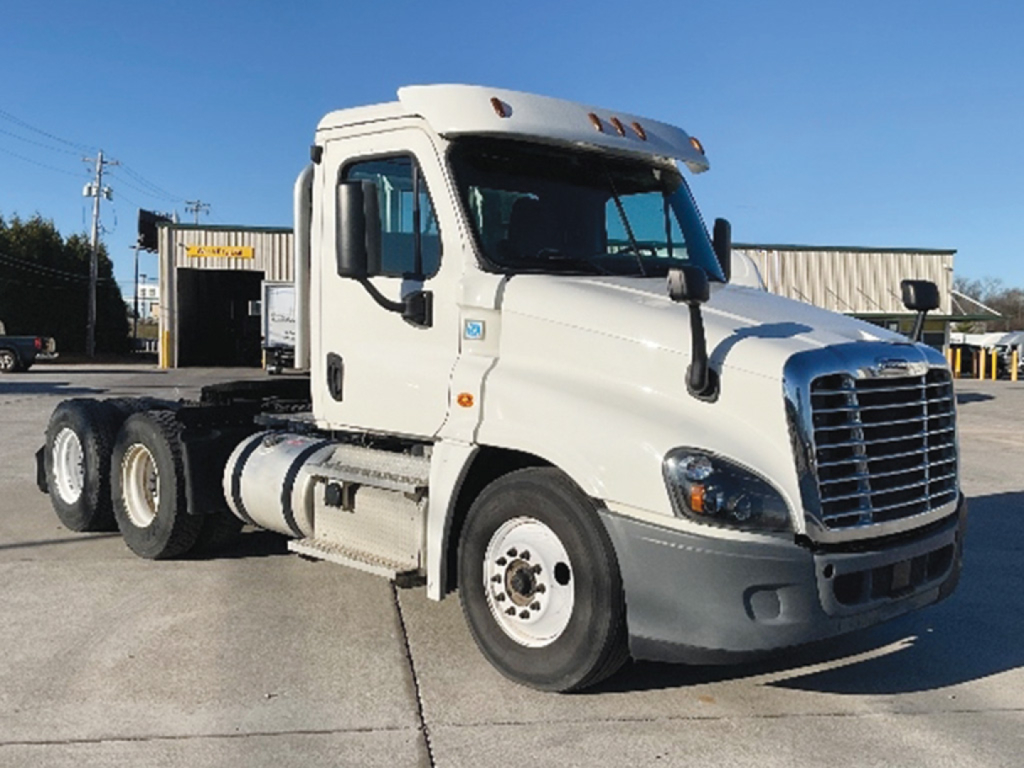

Have 2018 freightliner conventional daycab truck to sell? List it here to reach thousands of buyers.
About 2018 Freightliner Conventional Daycab Trucks in Georgia
The biggest buying decision is usually engine and driveline spec. Many 2018 Freightliner daycabs are equipped with Detroit DD13 or DD15 engines, often in the 435 to 455 horsepower range, paired with a DT12 automated manual or an Eaton Fuller automated transmission. A DD13 setup generally fits weight-sensitive regional work and fuel-conscious fleets, while a DD15 is often preferred for heavier gross weights, more demanding terrain, or operations that want extra torque reserve. Rear axle ratings around 40,000 pounds, air ride suspension, and ratios such as 3.08 are common and tell you a lot about intended use. A taller ratio can support fuel-efficient highway speeds, but application still matters more than headline spec.
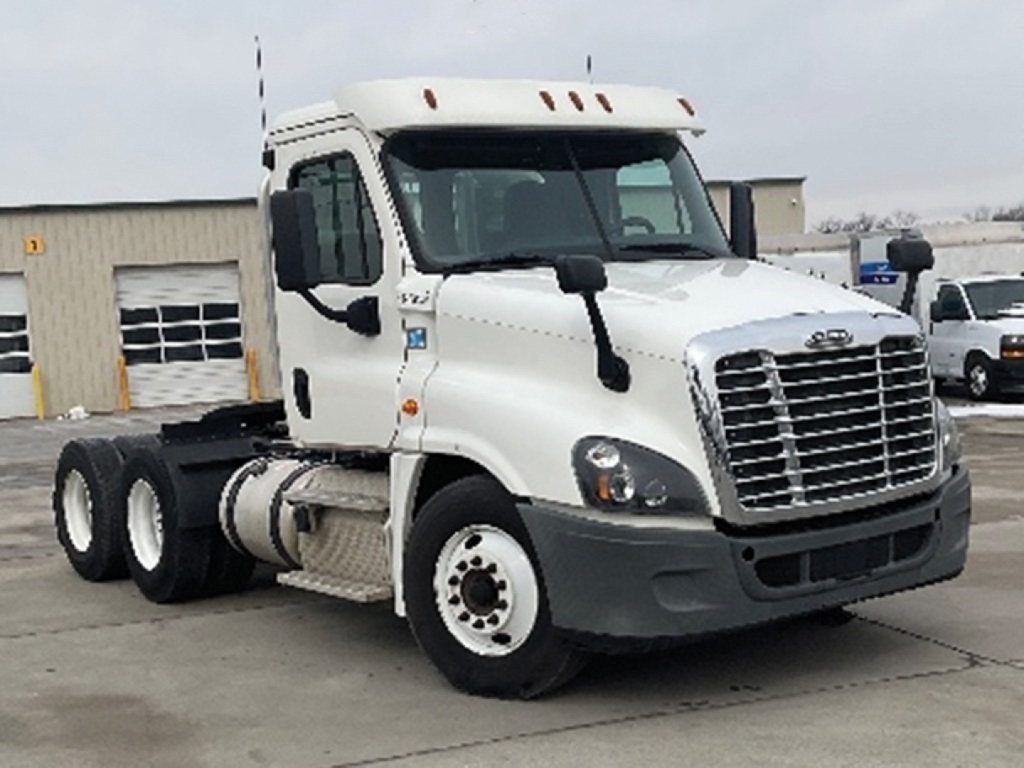
Wheelbase and fifth wheel configuration deserve close attention on a conventional daycab. Common wheelbases in this group run around 176 to 181 inches, which can work well for van, reefer, container, and many flatbed applications. An air slide or sliding fifth wheel adds flexibility if the truck may pull trailers with different kingpin settings or axle spreads. Buyers should also look at brake type, tire size, and frame condition, especially on trucks that have seen urban or drop-and-hook service. Disc brakes, 22.5 low profile or 11R22.5 rubber, aluminum wheels, quarter fenders, dual fuel tanks, and headache racks are all features that can affect operating cost, trailer compatibility, and resale appeal.
Cab spec matters more than many buyers think because daycabs spend their lives in frequent stop-start duty with multiple trailer hooks and driver changes. A 2018 Freightliner day cab may include collision mitigation, cruise control, tilt and telescoping steering, power windows, air conditioning, and a more durable fleet-oriented interior. For a used truck, the best value is usually found by matching the truck to the actual job: engine torque for payload, axle ratio for route speed, wheelbase for trailer clearance, and suspension for ride quality and stability. A well-spec'd 2018 Freightliner conventional daycab remains a strong option for buyers who want a late-model aerodynamic tractor with broad parts support and a proven place in regional fleet service.
Frequently Asked Questions
What engine options are common in a 2018 Freightliner conventional daycab?
The most common engines in a 2018 Freightliner conventional daycab are the Detroit DD13 and Detroit DD15. The DD13 is frequently chosen for regional freight and fuel-sensitive applications, while the DD15 is better suited to heavier loads and operations that want more torque. Horsepower ratings in this model year often fall in the mid-400 range, and the right choice depends on gross combination weight, terrain, and average route speed rather than engine size alone.
Is a 2018 Freightliner daycab good for regional hauling in Georgia?
Yes. A 2018 Freightliner daycab is well suited to regional hauling in Georgia because it combines an aerodynamic chassis with practical wheelbase options and efficient Detroit power. It fits high-frequency routes around Atlanta, distribution work between major interstates, and many port-related applications tied to Savannah. The daycab layout also reduces empty weight compared with a sleeper and can improve maneuverability in tight yards and urban delivery environments.
What should I check first on a used Freightliner Cascadia day cab?
Start with the engine, transmission, axle ratio, and wheelbase because those four items determine whether the truck matches the job. After that, inspect service history, fault codes, brake condition, suspension wear, tire wear pattern, and fifth wheel operation. On a fleet-spec truck, it is also smart to verify collision mitigation components, check for frame alterations, and confirm the truck's rear axle rating and trailer compatibility before making a final decision.
What wheelbase is typical on a 2018 Freightliner conventional daycab?
A typical 2018 Freightliner conventional daycab often falls in the 176-inch to 181-inch wheelbase range. That size works for many van, reefer, and general freight applications while still keeping the truck maneuverable. The ideal wheelbase depends on the trailer type, kingpin setting, required bridge law compliance, and the amount of clearance needed between the tractor and trailer during tight turns.
Are automated transmissions common in 2018 Freightliner daycabs?
Yes. Automated manual transmissions such as the Detroit DT12 are very common in 2018 Freightliner daycabs. They are popular with fleets because they help standardize shifting, reduce driver fatigue, and can improve clutch life and fuel economy when properly spec'd. Buyers should still confirm software calibration, clutch condition, and maintenance records because transmission behavior can vary depending on the truck's duty cycle and prior use.