
2018 Freightliner Conventional Daycab Trucks For Sale
Shop 2018 Freightliner conventional daycab trucks. Compare Cascadia specs, Detroit power, wheelbases, axle ratings, and drivetrain options.
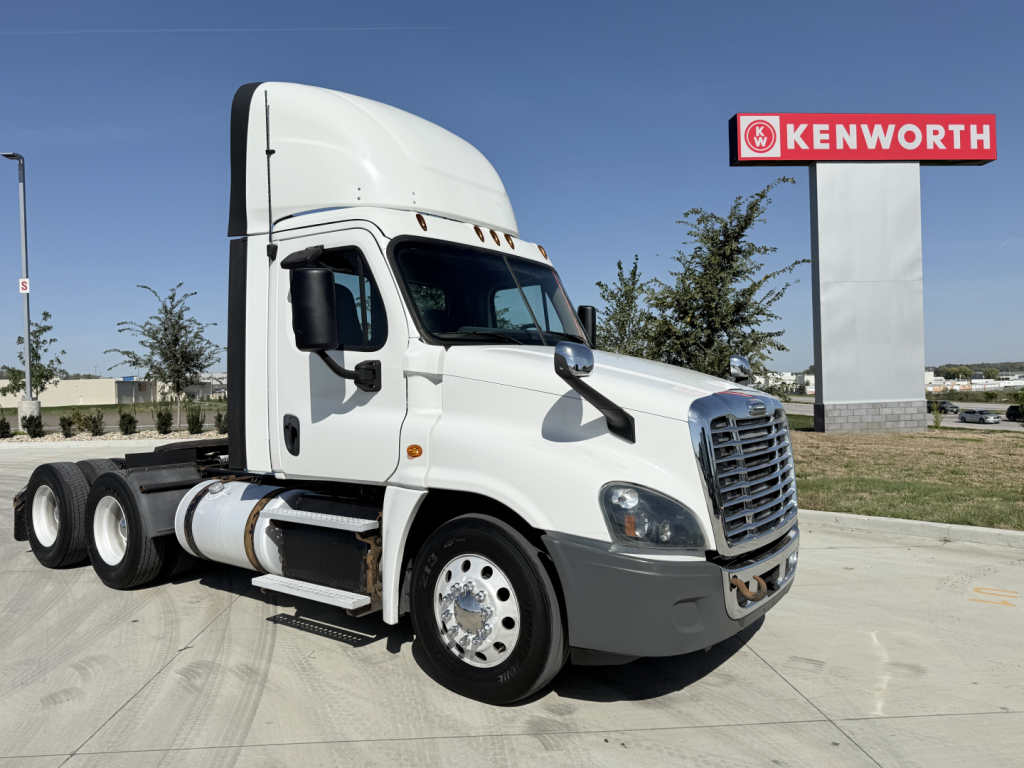
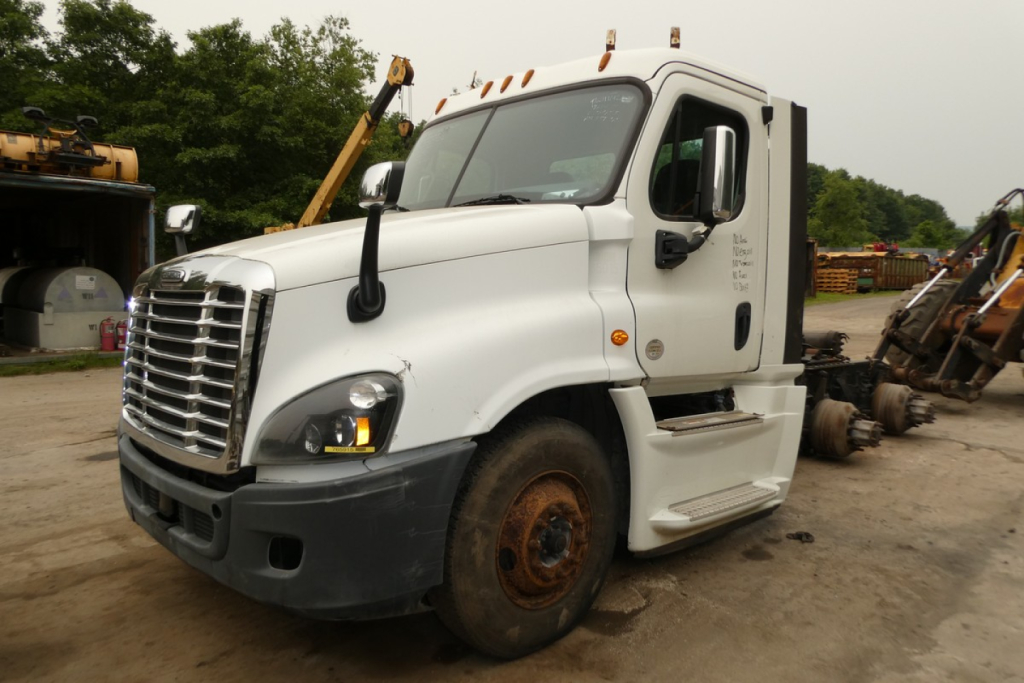

Selling a 2018 freightliner conventional daycab truck? List your 2018 freightliner conventional daycab truck for sale and reach thousands of commercial buyers.
2018 Freightliner Conventional Daycab Trucks
Frequently Asked Questions about 2018 Freightliner Conventional Daycab Trucks
What engine and transmission setups are common in a 2018 Freightliner conventional daycab?
Most 2018 Freightliner daycabs in this category are powered by Detroit engines, usually a DD13 or DD15, paired with either a Detroit DT12 automated manual or a 10-speed manual. The DD13 is a popular fleet spec for regional hauling because it balances fuel economy, lower tare weight, and solid drivability. The DD15 is more common when buyers want extra torque for heavier gross weights, tougher terrain, or more demanding duty cycles. A DT12-equipped truck can reduce driver fatigue and support fuel-efficiency targets, while a manual transmission may still appeal to buyers who prefer a simpler spec or already run manual-heavy fleets.
What wheelbase and axle ratings should I look for in a 2018 Freightliner day cab?
The right wheelbase depends on trailer type, bridge law needs, and how tight the operating environment is. Many 2018 Freightliner conventional daycabs fall in the roughly 170-inch to 180-inch wheelbase range for standard highway tractor use, though shorter or longer specs exist. Front axles are often around 12,000 to 13,300 pounds, with rear axles commonly rated at 40,000 pounds on tandem setups. Buyers hauling heavier regional freight or operating in vocational crossover applications should confirm axle ratings, suspension capacity, and fifth wheel placement instead of assuming all daycabs are spec'd the same.
Is a 2018 Freightliner daycab a good fit for regional and local freight?
Yes. A 2018 Freightliner conventional daycab is well suited for regional and local applications where drivers return home daily or where the truck is used in relay, port, distribution, or dedicated lane service. The daycab layout reduces empty weight compared with a sleeper and often improves access around docks, terminals, and city delivery points. It is a practical fit for dry van, refrigerated, flatbed, tanker, and container work, provided the axle, wheelbase, and drivetrain specs match the trailer and average payload.
What should I check first on a used 2018 Freightliner conventional daycab?
Start with the engine, emissions system, transmission operation, and service history. On a 2018 model, buyers should pay close attention to aftertreatment performance, fault codes, regeneration history, coolant and oil condition, clutch wear if equipped, and any signs of DT12 drivability issues if it is an automated truck. It is also smart to review ECM miles and engine hours, inspect suspension bushings, air system condition, brake type and remaining life, and verify that the fifth wheel, frame, and rear suspension match the intended trailer and loading pattern. A strong daycab can be a high-cycle asset, but only if maintenance history supports the mileage.