
2018 Freightliner Conventional Daycab Trucks For Sale in Pennsylvania
Shop 2018 Freightliner conventional daycab trucks in Pennsylvania. Compare Cascadia specs, DD13 power, axle ratings, wheelbase, and 5th wheel setup.
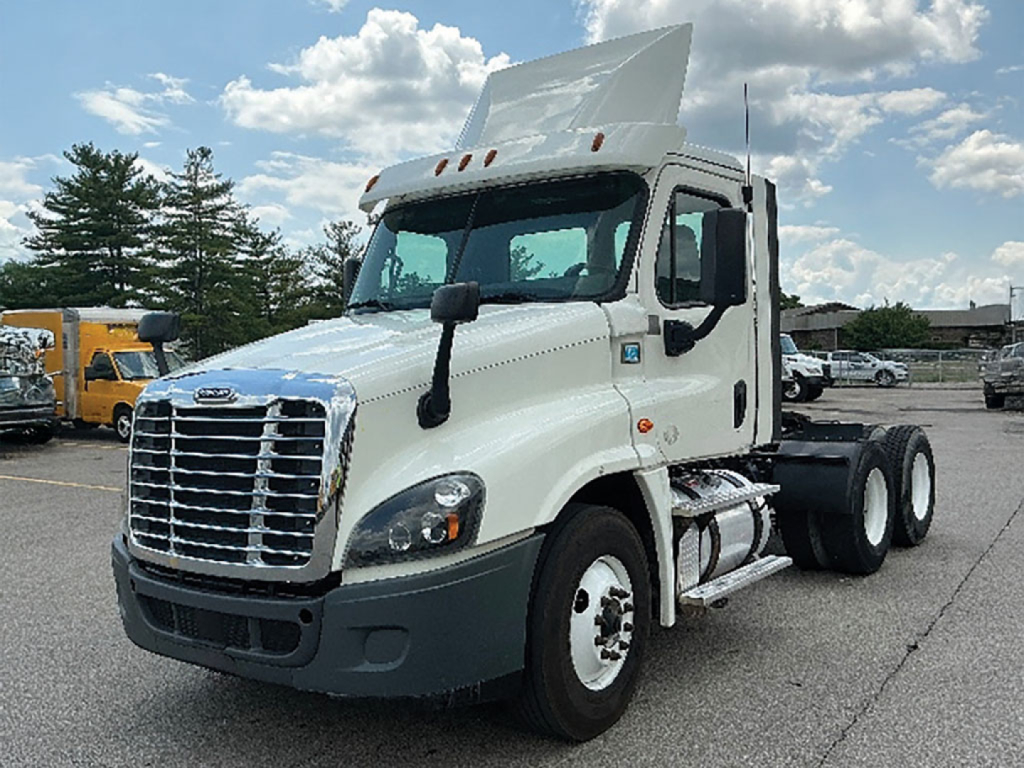
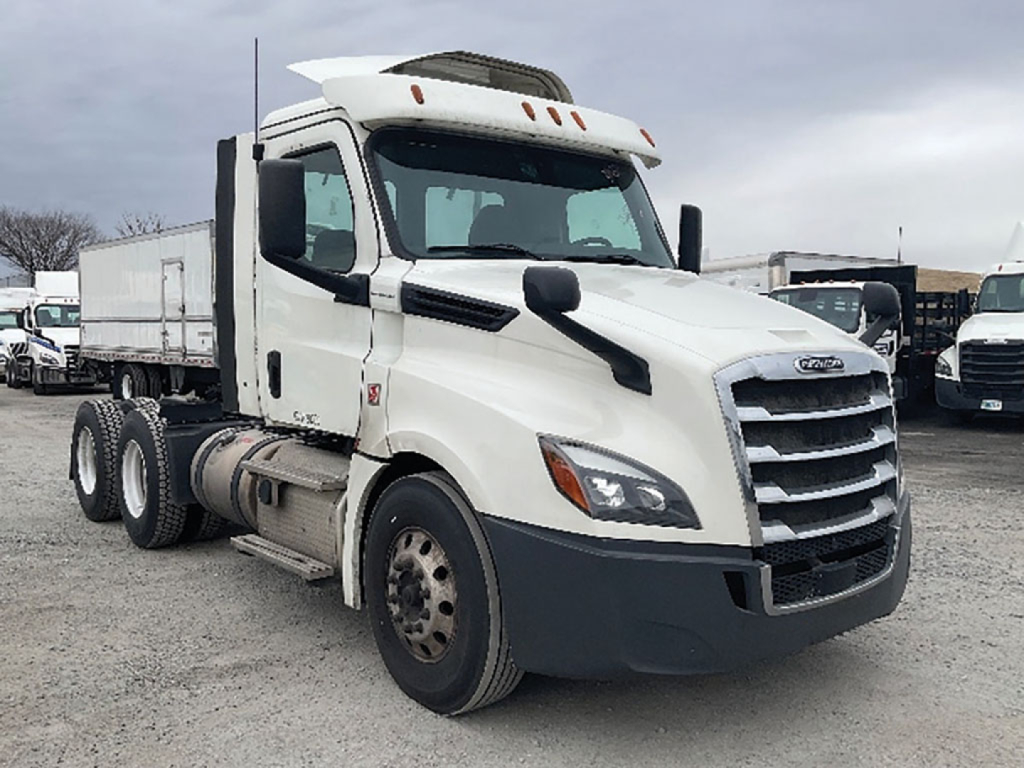
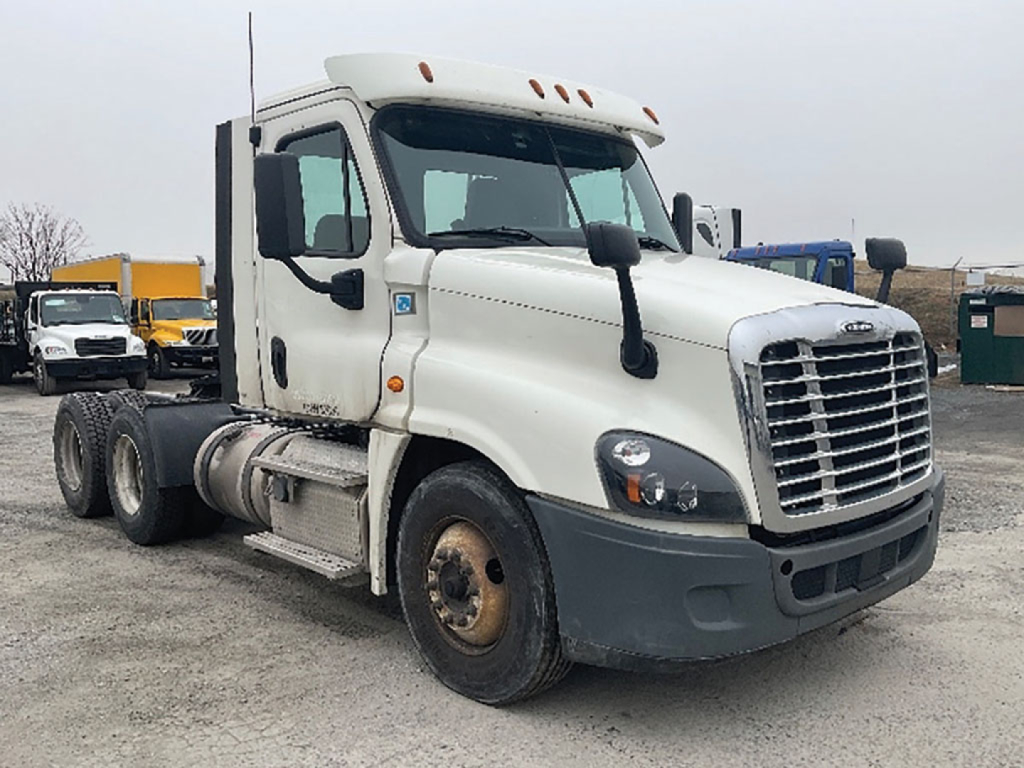
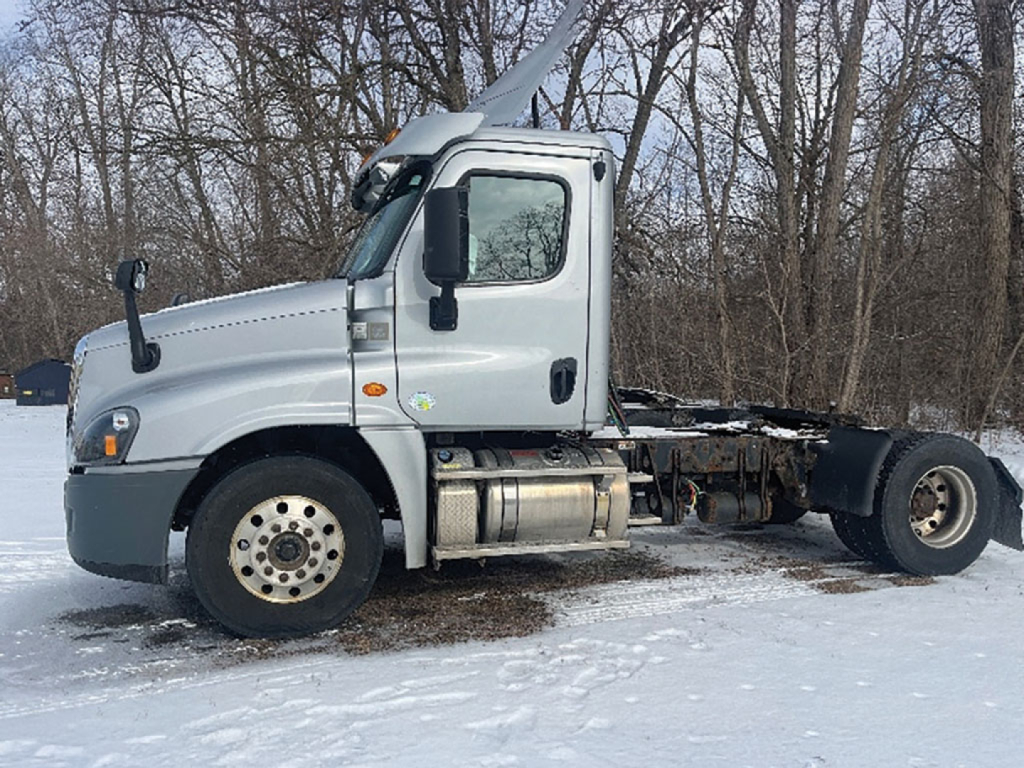
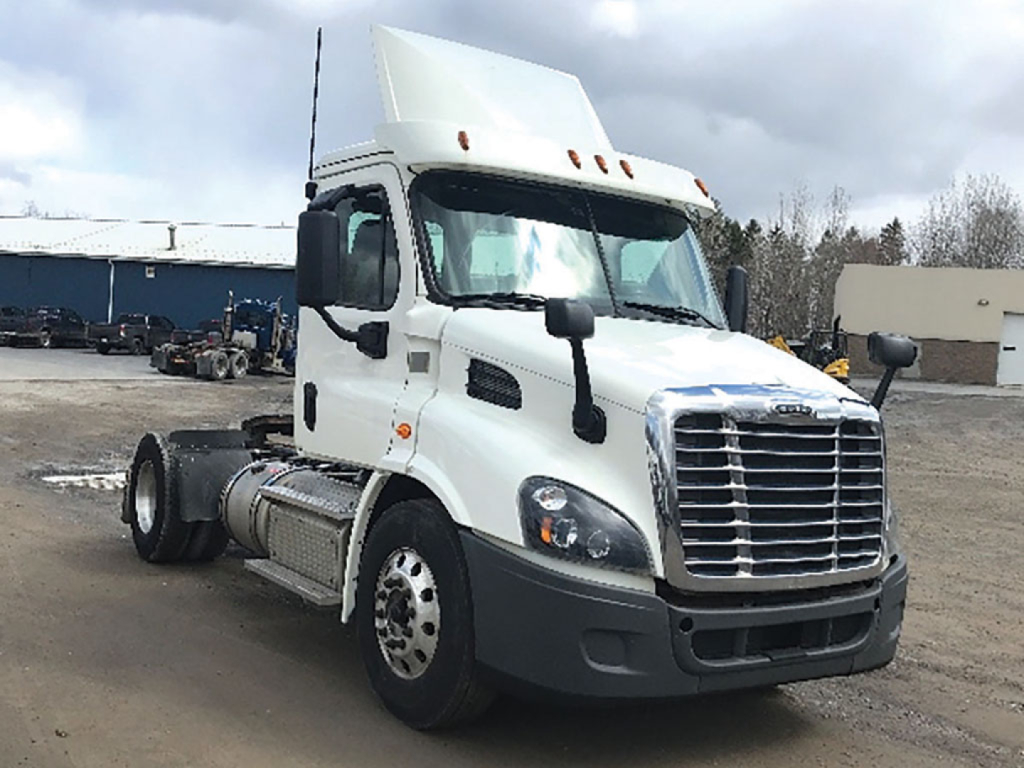
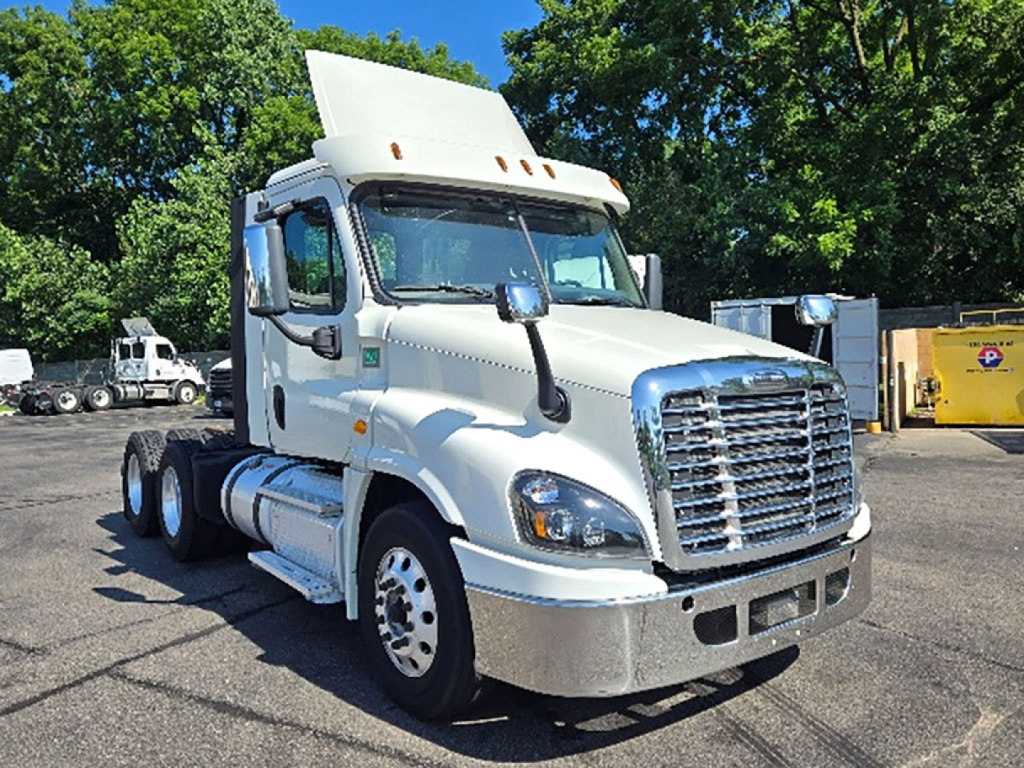
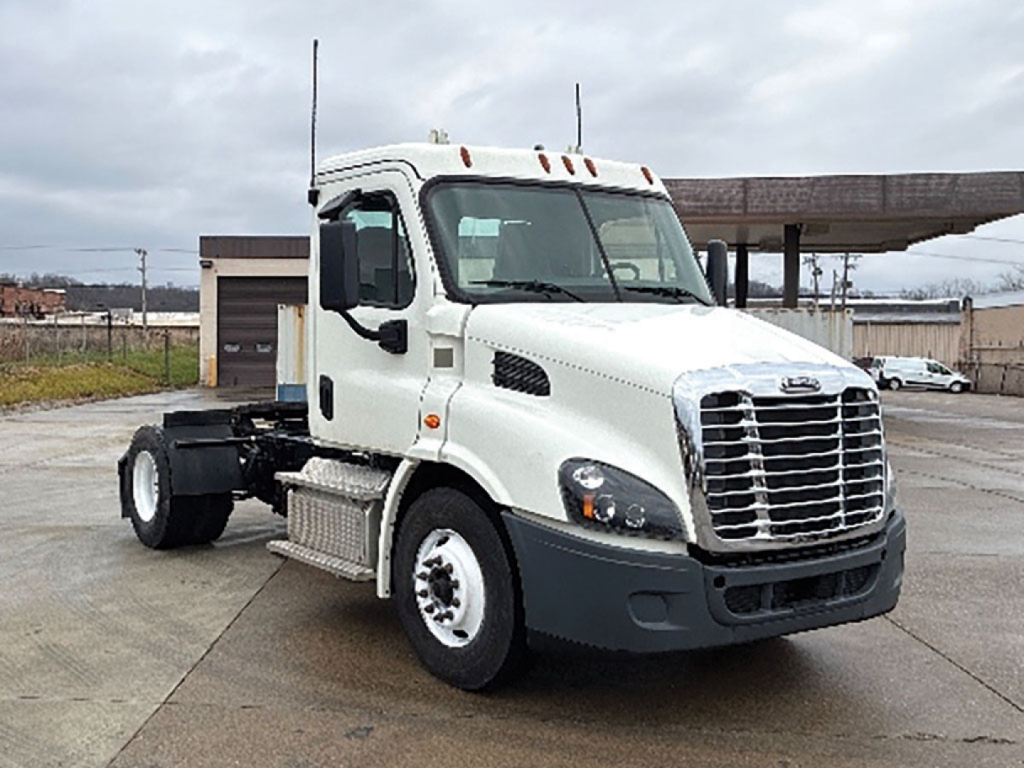
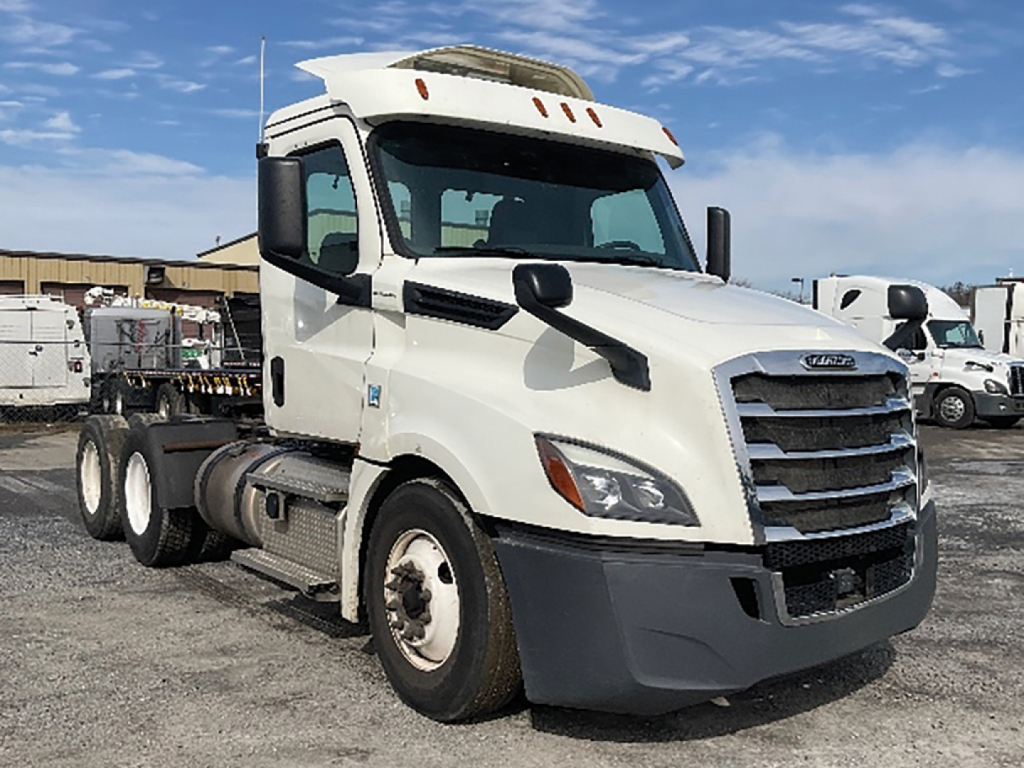
Have 2018 freightliner conventional daycab truck to sell? List it here to reach thousands of buyers.
2018 Freightliner Conventional Daycab Trucks in Pennsylvania
The key buying decisions usually come down to axle ratings, wheelbase, transmission, and fifth wheel setup. Many 2018 Freightliner daycabs carry front axles around 14,000 to 14,700 pounds and 40,000-pound rears, which suits standard tandem trailer work and many vocational crossover applications. Wheelbases in the high-190-inch to 200-inch range are common and give a good compromise between maneuverability and ride quality. Buyers should also verify fifth wheel height, slider travel, and kingpin setting compatibility with the trailers they plan to pull. Features like a suspension dump valve, diff lock, and air slide fifth wheel can make daily hook-and-drop work much easier.
On 2018 Freightliner Cascadia daycabs, the emissions system and electronic safety package deserve close attention. Trucks from this model year often include lane departure warning, collision mitigation, automated traction functions, and other driver-assist features that can be useful in dense traffic and all-season Northeast operation. Service history is important on DD13-powered trucks, especially for DPF cleaning intervals, DEF system repairs, and any aftertreatment updates. If the truck has an automated manual transmission, buyers should also look for clutch actuator service records, calibration history, and how the truck was used, since repeated low-speed heavy vocational work affects wear differently than steady regional miles.
Cab condition and chassis spec still matter as much as drivetrain. Heated power mirrors, aluminum wheels, 11R22.5 tires, air ride seats, and clean interior controls improve day-to-day usability, but the real value is in matching the truck to the job. A wet-line kit, for example, expands a daycab into dump, live-floor, or certain tanker applications. Rear ratio, tire size, and engine rating should be considered together, especially if the route includes Pennsylvania grades, urban congestion, or frequent gross-weight operation. A well-matched 2018 Freightliner conventional daycab can be a cost-effective fleet tractor with modern aerodynamics, broad parts support, and strong resale appeal in the used truck market.
Frequently Asked Questions about 2018 Freightliner Conventional Daycab Trucks in Pennsylvania
What engine is most common in a 2018 Freightliner conventional daycab?
The Detroit DD13 is one of the most common engines found in a 2018 Freightliner conventional daycab, especially in Cascadia day cab configurations. It is often rated around 450 horsepower and is widely used in regional and local freight applications because it offers a good mix of fuel economy, drivability, and service support. Buyers should still confirm the exact horsepower, torque rating, emissions service history, and intended duty cycle before choosing one truck over another.
Is a 2018 Freightliner daycab a good choice for regional hauling in Pennsylvania?
Yes, a 2018 Freightliner daycab is generally well suited for regional hauling in Pennsylvania because it combines highway-friendly aerodynamics with the maneuverability needed for terminals, warehouses, and urban delivery points. A typical tandem axle spec with air ride suspension, a 14,000-plus-pound front axle, and 40,000-pound rears can handle many common trailer applications. Buyers should pay close attention to rear axle ratio, wheelbase, and transmission spec if the truck will run heavy loads through hills or spend time in stop-and-go traffic.
What specs matter most when comparing used Freightliner daycabs?
The most important specs are engine model and rating, transmission type, axle ratings, wheelbase, rear ratio, suspension, tire size, and fifth wheel configuration. These details determine how the truck will pull, turn, ride, and match with your trailer fleet. It is also smart to compare practical equipment such as diff locks, suspension dump valves, heated mirrors, collision mitigation systems, and wet-line kits, since these options can significantly affect productivity in daily use.
What should I inspect on a used 2018 Freightliner Cascadia day cab?
Start with maintenance records, fault codes, and aftertreatment history. Inspect the DPF and DEF system, check for coolant or oil leaks, evaluate transmission operation, and confirm that the clutch and shift logic perform correctly if the truck has an automated manual. Also inspect the front-end components, suspension bushings, brakes, tires, frame condition, and fifth wheel wear. A daycab used in frequent hook-and-drop or heavy local service can show different wear patterns than one used primarily for steady regional highway miles.
Can a 2018 Freightliner daycab be used for vocational work as well as highway freight?
Yes, many 2018 Freightliner conventional daycabs can cross over into vocational service if they are properly spec'd. A truck with the right axle ratings, wheelbase, rear ratio, PTO or wet-line equipment, and locking differentials may be suitable for dump, tanker, roll-off, or other specialized trailer work. The important step is matching the chassis and drivetrain to the exact application, since a road spec daycab and a vocationally oriented daycab can look similar while performing very differently under load.