
2018 Conventional Daycab Trucks For Sale
Browse 2018 conventional daycab trucks with specs for regional haul, P&D, and local fleet work. Compare wheelbase, engine, axle, and cab setup.
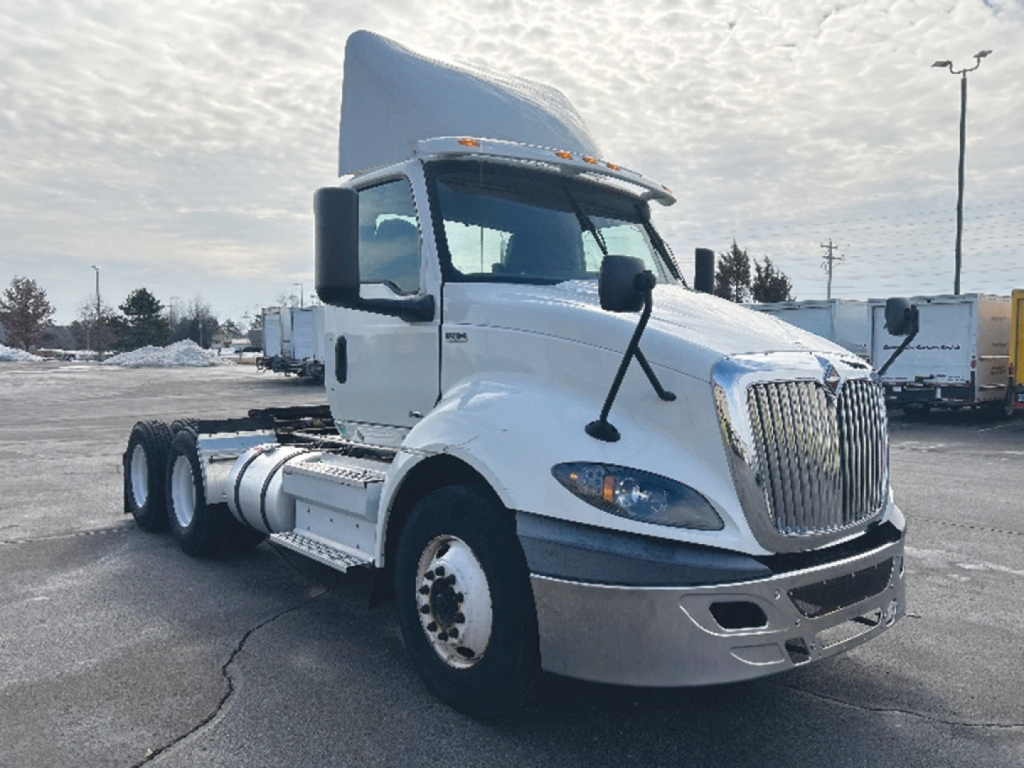
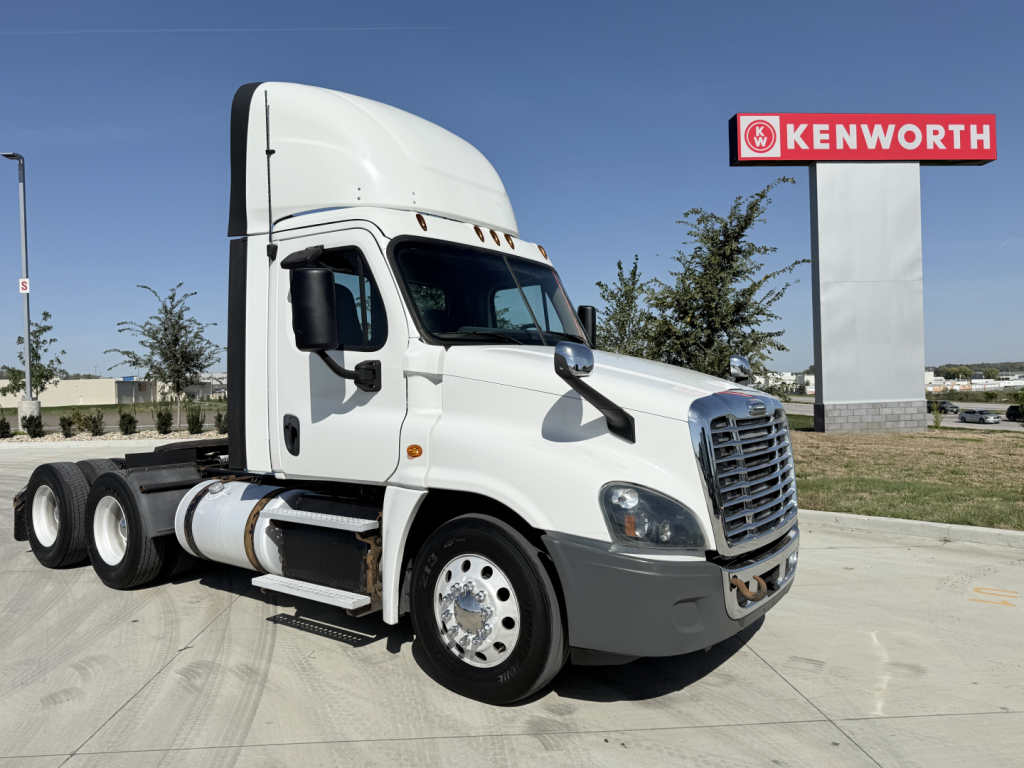
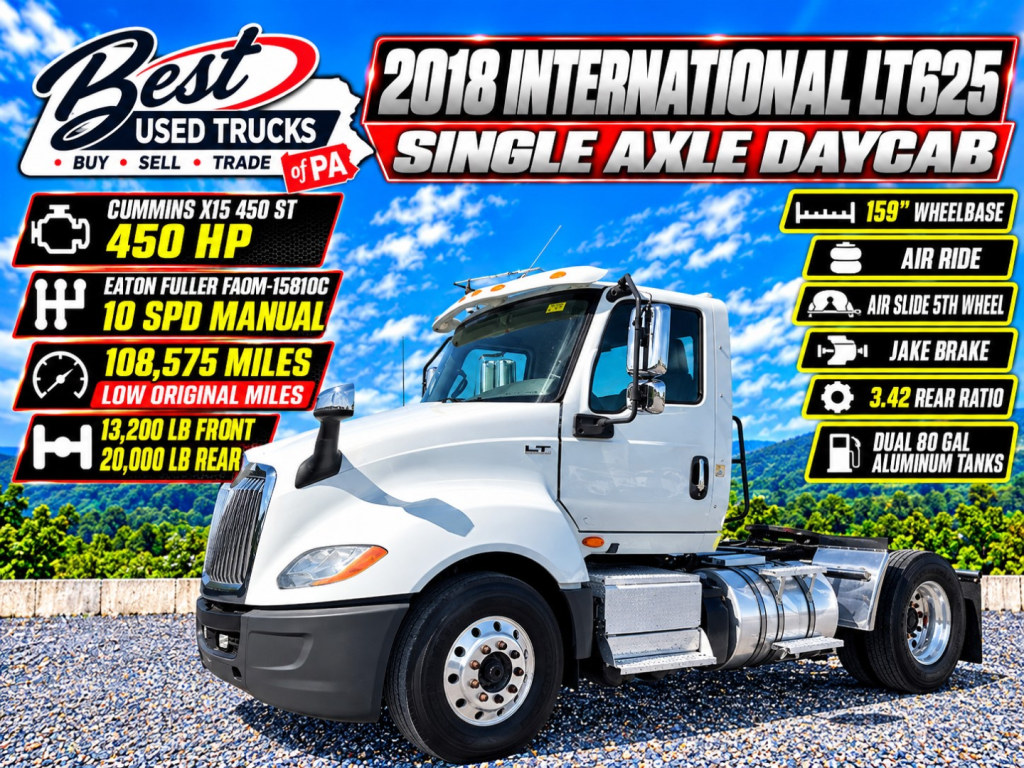
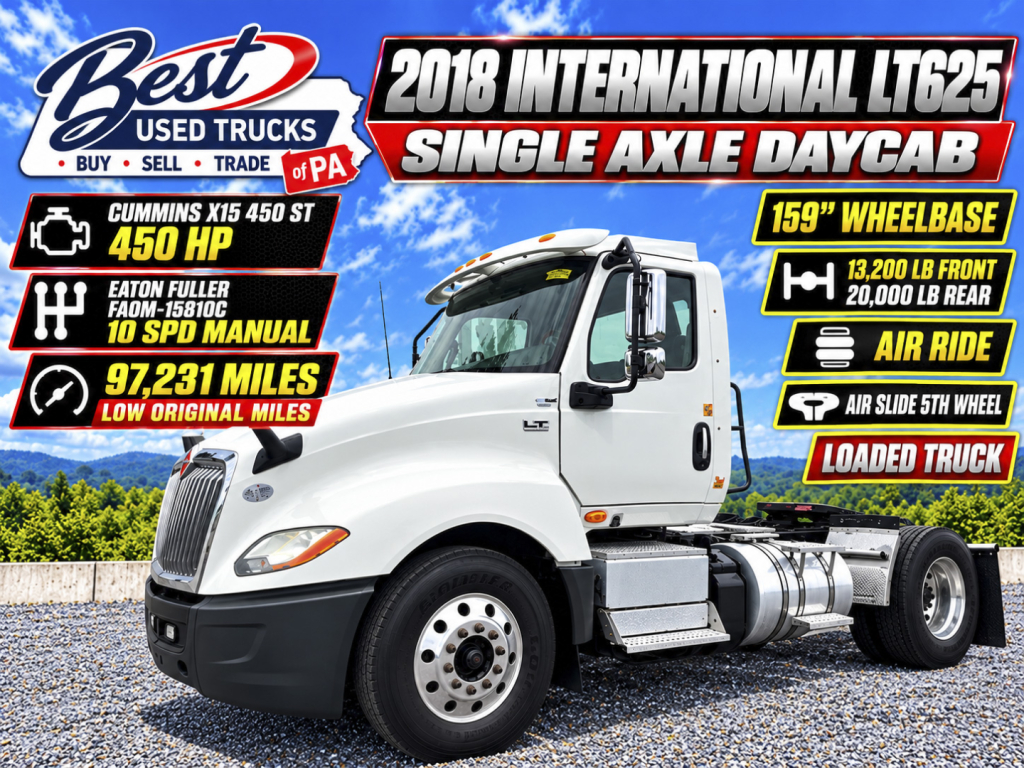
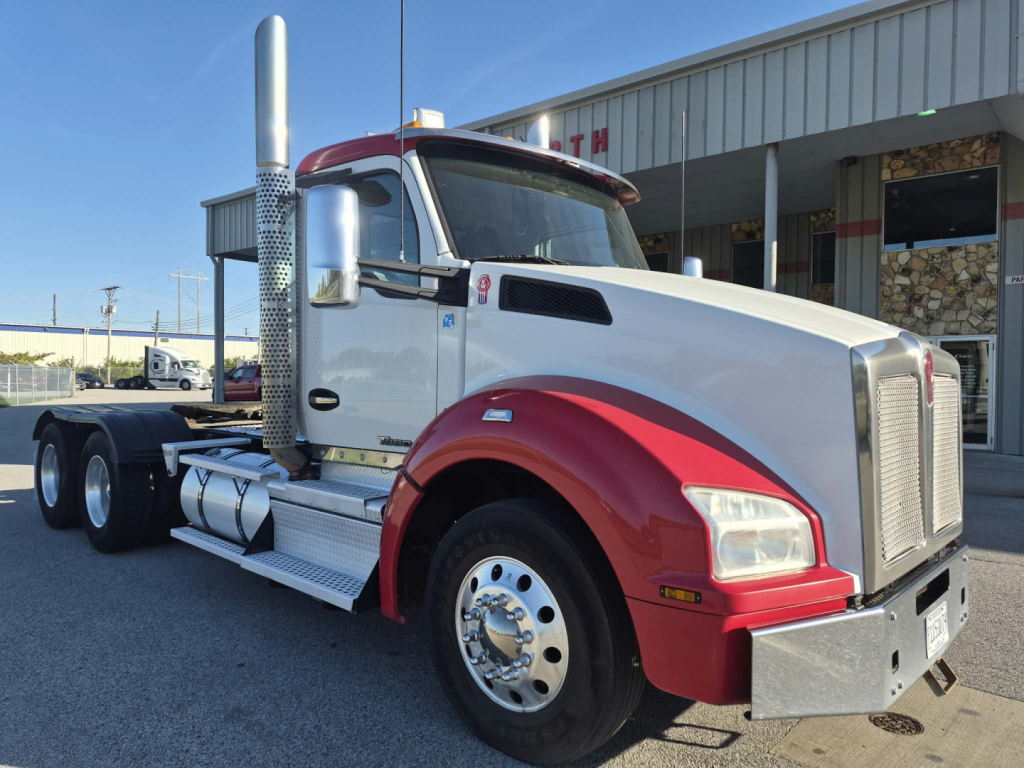
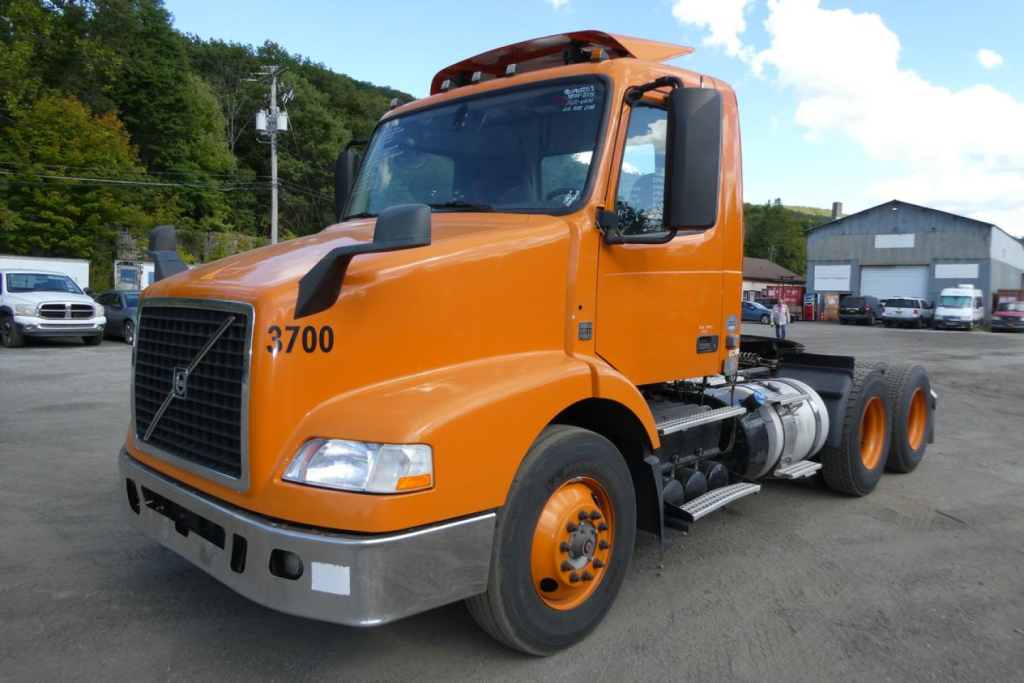
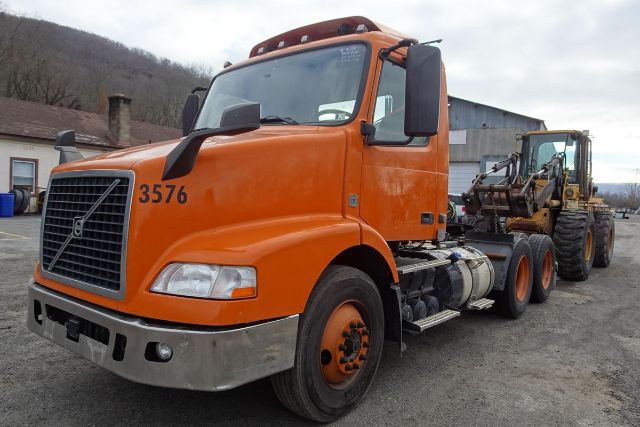
2018 Volvo VNM64T
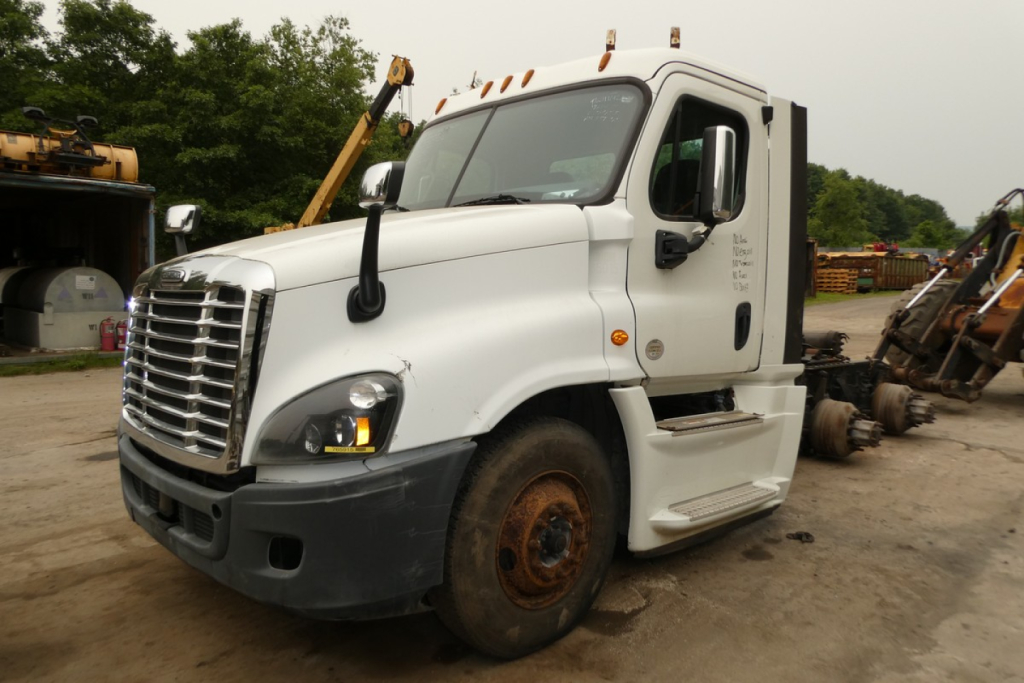
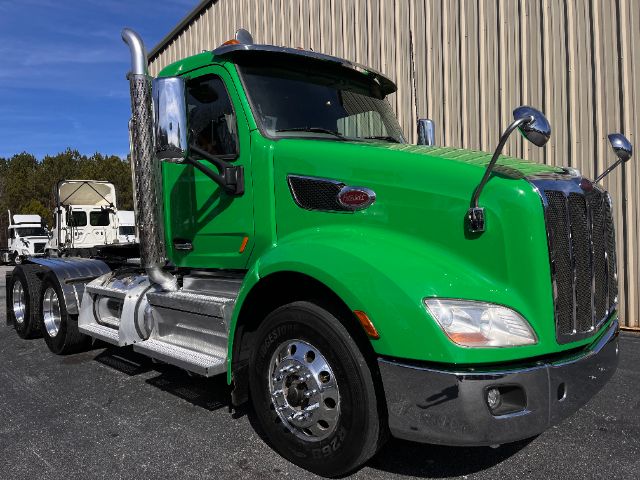
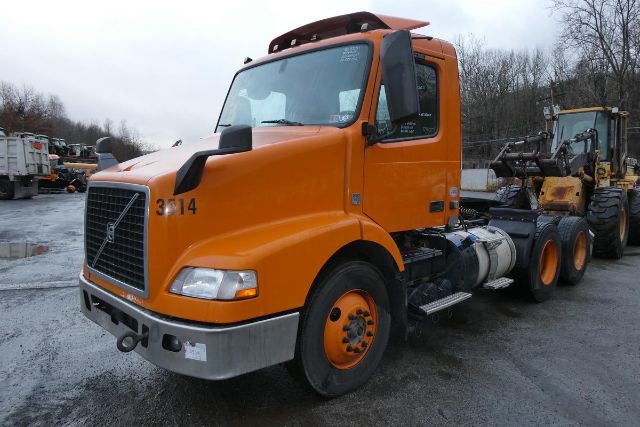
2018 Volvo VNM64T

Selling a 2018 conventional daycab truck? List your 2018 conventional daycab truck for sale and reach thousands of commercial buyers.
2018 Conventional Daycab Trucks
The main buying decision usually starts with powertrain and gearing. Common 2018 daycab specs include 11 to 13 liter diesel engines in the 350 to 455 horsepower range, paired with automated manual transmissions such as Detroit DT12, Volvo I-Shift, Mack mDRIVE, or Eaton UltraShift, along with some remaining manual transmission trucks. Rear axle ratios around 2.47 to 3.36 are common depending on whether the truck was built for fuel-efficient highway runs or stop-and-go local service. Wheelbases often fall in the 165 to 190 inch range, with shorter setups favoring dock maneuverability and urban turns, and longer wheelbases offering better ride quality, frame room, and flexibility for tanks, battery boxes, or sliding fifth wheel placement. Tandem rears are often rated at 38,000 to 40,000 pounds, with 12,000 to 13,200 pound front axles being typical.
A good 2018 conventional daycab should be evaluated like a working revenue asset, not just by make and mileage. Buyers should look closely at engine brake performance, aftertreatment history, transmission calibration, suspension type, and fifth wheel setup. Air ride suspension is common and generally preferred for ride quality and freight protection, while air slide fifth wheels add flexibility across different trailer kingpin settings. Aerodynamic fairings, roof caps, and chassis skirts can improve fuel economy on highway routes, but some local operators prefer cleaner, simpler specs for easier service access and lower repair cost. Brake type matters too. Drum brakes remain common and economical, while air disc brakes can improve stopping performance and reduce fade in severe-duty service.
The best 2018 daycab depends on lane profile and operating radius. For regional van and reefer pulling, a fuel-efficient aero tractor with a downsped driveline can make sense. For heavy city work, vocational crossover use, or tougher terminal conditions, buyers often lean toward a simpler chassis, higher rear ratio, and durability-focused suspension and axle specs. Since these trucks are now old enough to show real maintenance history, service records, idle hours, DPF and SCR work, clutch or AMT service, and tire wear patterns often tell more than odometer readings alone. A well-spec'd 2018 conventional daycab can still be a productive, lower-cost choice for fleets and owner-operators who need a dependable tractor for daytime routes.
Frequently Asked Questions about 2018 Conventional Daycab Trucks
What is a conventional daycab truck used for?
A conventional daycab truck is a highway-style tractor without a sleeper compartment, built for routes where the driver returns home or to a terminal the same day. Common uses include regional hauling, local delivery, port drayage, P&D service, intermodal work, and dedicated short-haul freight. The shorter cab and lighter overall spec can improve maneuverability, reduce empty weight, and lower acquisition cost compared with a sleeper tractor.
What engine and transmission specs are common on 2018 conventional daycab trucks?
Many 2018 conventional daycabs are equipped with 11 liter to 13 liter diesel engines rated around 350 to 455 horsepower. Popular engine families include the Detroit DD13, Volvo D11 and D13, Mack MP7, PACCAR MX-13, and Cummins X15 depending on make and model. Automated manual transmissions are very common in this year range, including DT12, I-Shift, and mDRIVE, although manual transmissions are still found in some fleet and vocational-oriented specs.
How do I choose the right wheelbase and axle ratio for a daycab?
Wheelbase and rear axle ratio should match the truck's route profile and trailer mix. A shorter wheelbase, often around 165 to 175 inches, helps with tight yards, city corners, and dock access. A longer wheelbase can improve ride quality and provide more room for equipment placement. Lower numerical axle ratios such as 2.64 or 2.80 generally favor highway fuel economy, while higher ratios such as 3.08 or 3.36 can be better for stop-and-go work, heavier starts, or mixed terrain.
Are 2018 daycab trucks good for owner-operators and small fleets?
A 2018 daycab can be a strong value point for owner-operators and small fleets because it often offers modern aerodynamics, automated transmissions, and emissions systems that are newer than older pre-2017 trucks but at a lower cost than late-model equipment. The key is condition and maintenance history. Buyers should pay close attention to aftertreatment repairs, software updates, suspension wear, brake condition, and signs of hard fleet use such as excessive idle hours or uneven tire wear.
What should I inspect first on a used 2018 conventional daycab?
Start with the engine, transmission, and emissions system because those are usually the highest-cost repair areas. Review fault codes, service records, DPF cleaning or replacement history, SCR and DEF system work, and any documentation for transmission calibration or clutch actuator service on AMTs. Then inspect suspension bushings, airbags, shocks, steering components, frame condition, fifth wheel wear, and brake life. A daycab's value is heavily tied to how it was spec'd and maintained for its actual duty cycle.