
2018 Conventional Daycab Trucks For Sale in New York
Browse 2018 conventional daycab trucks in New York. Compare wheelbase, axle ratings, engine, transmission, and 5th wheel setup.
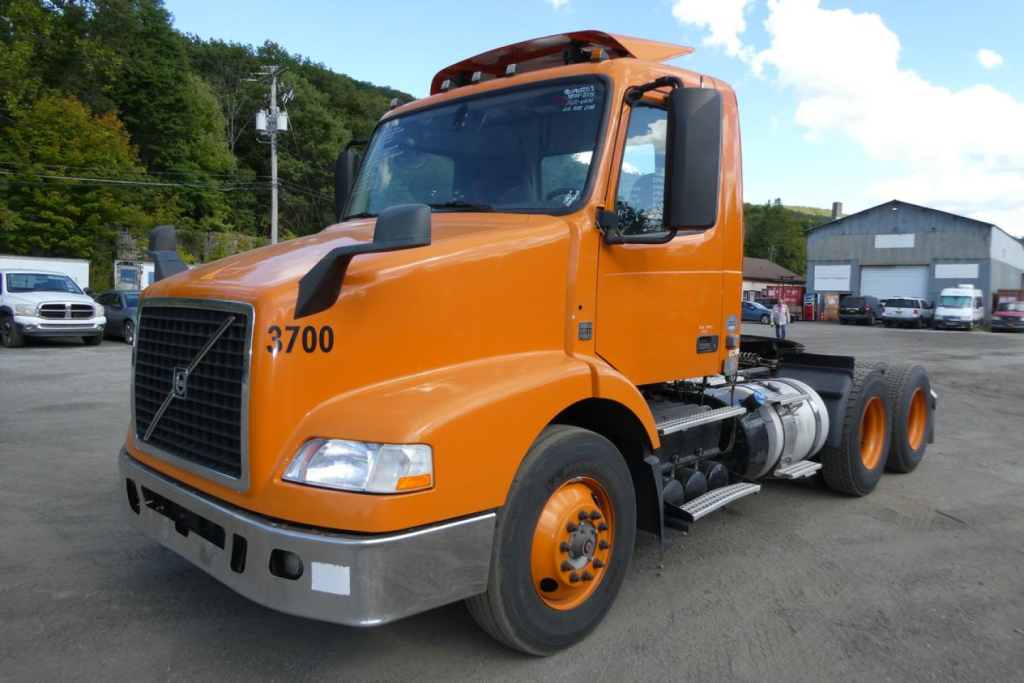
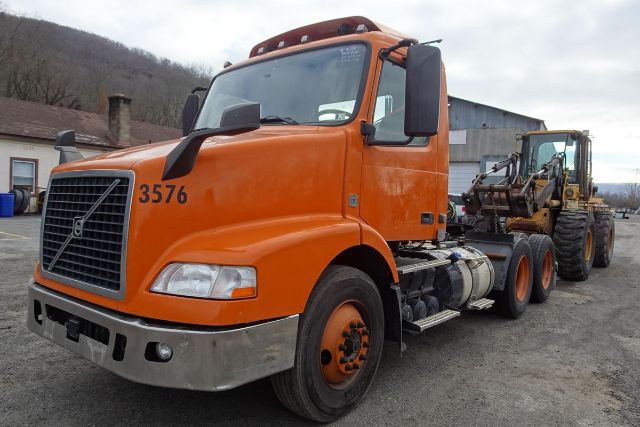
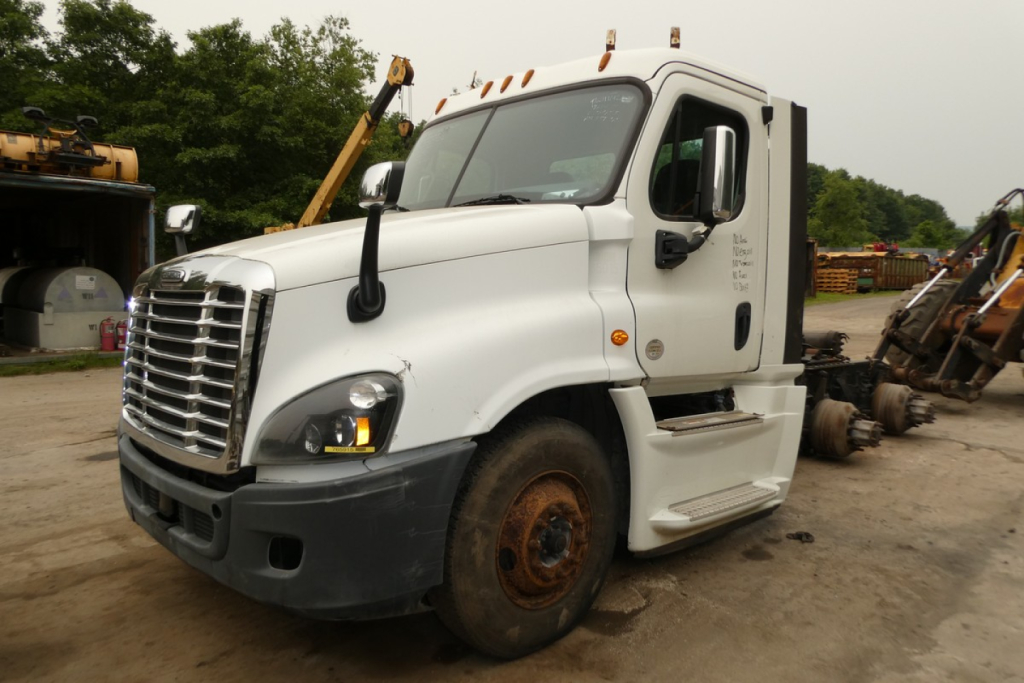
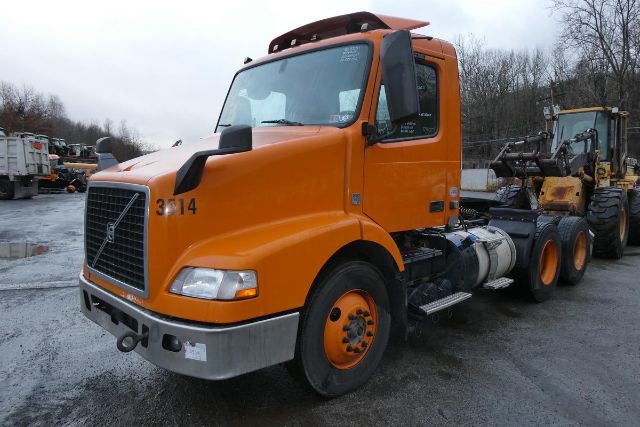
Selling a 2018 conventional daycab truck? List your 2018 conventional daycab truck for sale and reach thousands of commercial buyers.
2018 Conventional Daycab Trucks in New York
Powertrain choices in 2018 daycabs often center on fuel-efficient on-highway engines such as the Detroit DD13, Cummins X15 or ISX family, and similar 11 to 13 liter platforms for regional freight, with some heavier applications still favoring 15 liter torque. Automated manual transmissions were common by this point, especially Detroit DT12 and other AMTs, though 10-speed and 13-speed manuals still appeal to fleets and owner-operators that want simpler serviceability or specific driver preference. Rear axle ratios around 2.64 to 3.36 are typical on fuel mileage spec trucks, while deeper ratios are better suited to vocational pulls, heavier starts, or frequent stop-and-go operation. If the truck will spend time on docks, in yards, or in dense traffic, engine brake performance, clutch wear history, and transmission calibration are worth checking closely.
A 2018 model year also means emissions equipment is modern enough to support cleaner operation but old enough that maintenance history matters. DEF systems, DPF service intervals, one-box condition, injector health, and fault code activity should be part of any evaluation. Buyers should compare odometer miles against engine hours because a daycab used in city delivery or port drayage can accumulate high idle time that does not show up in mileage alone. Suspension type is another decision point. Air ride setups are common for freight and tanker work, while other applications may prioritize durability and simplicity. Air disc brakes became more common on later-model daycabs and can be a real advantage in heavy traffic due to stopping consistency and easier brake service.
For a 2018 conventional daycab, the best value usually comes from matching the spec to the job instead of buying on year alone. A short wheelbase truck with a stationary fifth wheel works well for city and terminal work, while an air-slide fifth wheel adds flexibility for mixed trailer fleets. PTO provisions may matter for hydraulic, dump, or specialty trailer applications. Cab condition, steering feel, frame integrity, and signs of corrosion are especially important for trucks that have spent time in northern climates. Also known simply as a day cab tractor, this equipment class remains one of the most practical choices for fleets that need maneuverability, lower tare weight, and easier driver access without giving up Class 8 capability.
Frequently Asked Questions about 2018 Conventional Daycab Trucks in New York
What is a conventional daycab truck best used for?
A conventional daycab truck is best suited for regional hauls, local delivery, drayage, tanker work, and dedicated routes where the driver returns home daily. The lack of a sleeper reduces weight and shortens overall length, which improves maneuverability in terminals, city streets, and tight customer yards. For buyers running in the Northeast, that shorter package can be a major advantage when bridge law, dock access, and turning room all matter.
What specs matter most when buying a 2018 daycab tractor?
The most important specs are rear axle rating, wheelbase, engine, transmission, rear ratio, suspension type, and fifth wheel setup. Those details determine startability, payload compatibility, trailer fit, and fuel economy more than the model year alone. A buyer should also confirm front axle capacity, PTO readiness if needed, brake type, and whether the truck has a single frame or a heavier tandem-road spec that fits the intended application.
Are automated manual transmissions a good choice in 2018 daycab trucks?
In most fleet and regional applications, yes. By 2018, automated manuals had become common in daycab service because they help with fuel economy, reduce driver fatigue, and limit clutch abuse in stop-and-go traffic. The key is verifying software updates, clutch life, shift quality, and fault history. A well-maintained AMT can be a strong fit for urban and regional work, while some buyers still prefer manual transmissions for vocational use or in-house maintenance simplicity.
How should I evaluate mileage versus engine hours on a used daycab?
Mileage alone does not tell the full story on a daycab. A truck used in city delivery, yard switching, or port service may show moderate miles but very high engine hours due to idling and low-speed operation. Comparing odometer, ECM miles, and engine hours gives a better picture of engine wear, aftertreatment exposure, and service life. Higher hours per mile often justify a closer look at the cooling system, emissions components, transmission condition, and cab wear.
What should buyers in New York look for on a used conventional daycab?
In New York, corrosion and underbody condition deserve extra attention because of winter road treatment and year-round moisture exposure. Buyers should inspect the frame rails, crossmembers, suspension mounts, brake lines, wiring, and cab mounts carefully. It is also smart to confirm the truck's wheelbase and axle placement for urban maneuverability, bridge compliance, and compatibility with the trailers and lanes it will actually run.