
2018 Volvo Conventional Daycab Trucks For Sale in New York
Shop 2018 Volvo conventional daycab trucks for regional haul, local delivery, port work, and fleet use with efficient powertrain options.
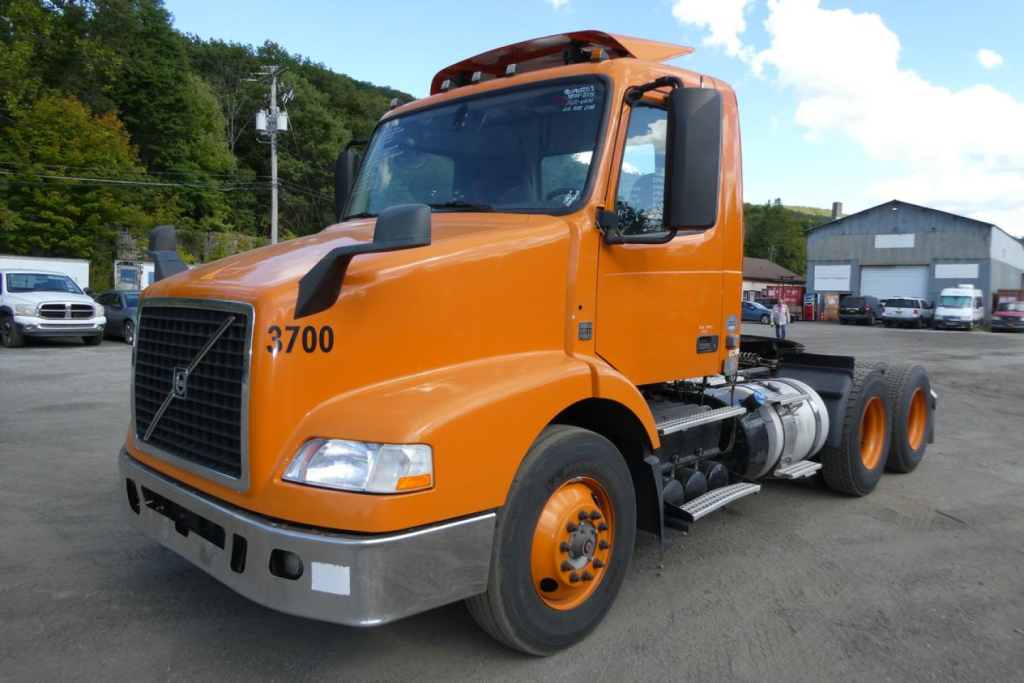
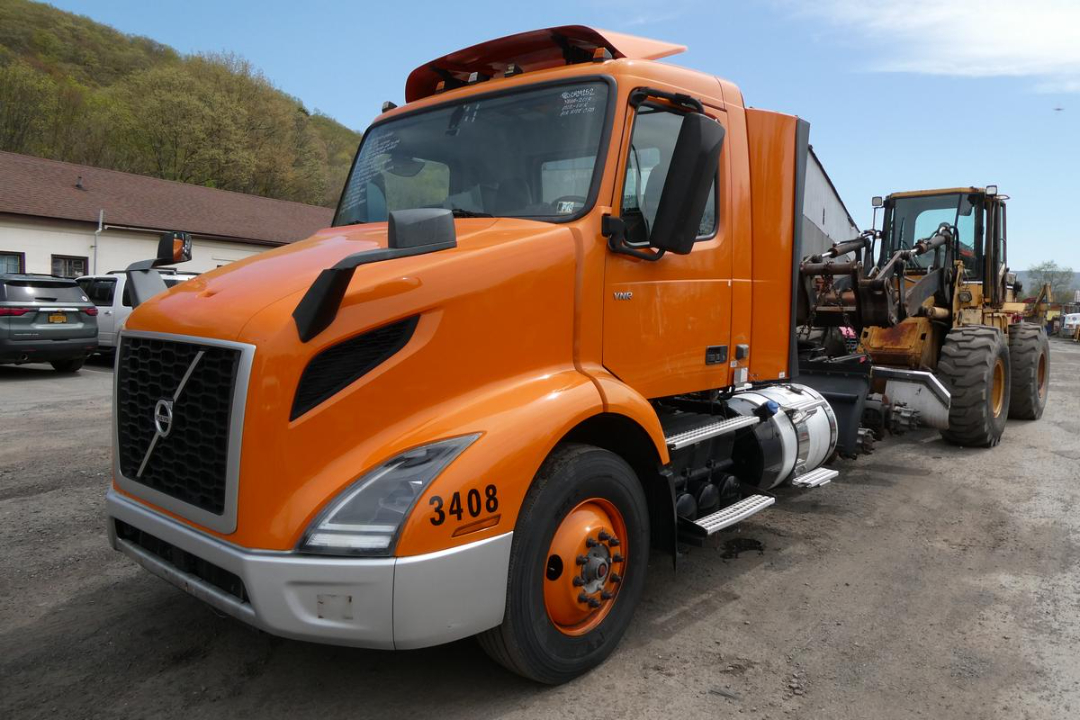
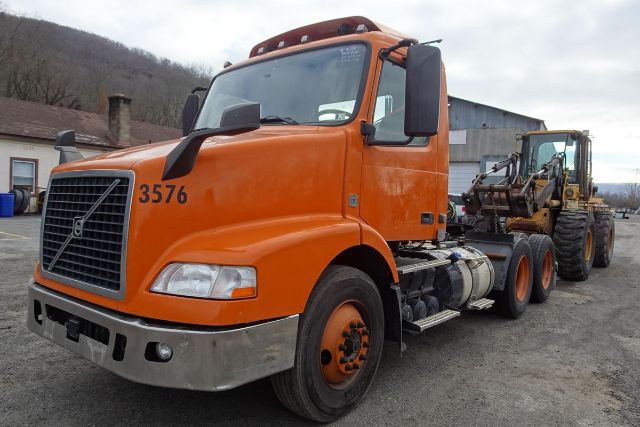
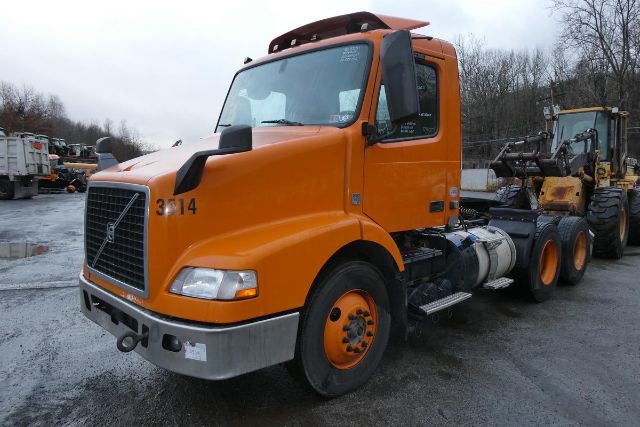
Selling a 2018 volvo conventional daycab truck? List your 2018 volvo conventional daycab truck for sale and reach thousands of commercial buyers.
2018 Volvo Conventional Daycab Trucks in New York
The main spec decisions usually start with engine, transmission, wheelbase, and rear axle rating. Many 2018 Volvo daycabs are equipped with Volvo D11 or D13 diesel engines, often paired with the Volvo I-Shift automated manual or a 10-speed or 12-speed manual. D11 trucks generally suit lighter regional or city-focused work where payload efficiency matters. D13-powered trucks are more common when the tractor will see heavier trailer loads, more highway miles, or demanding stop-and-go service. Buyers should look closely at horsepower and torque ratings, rear axle ratios such as 2.64, 3.08, or 3.42, and suspension setup, since those choices directly affect launch performance, cruise RPM, fuel economy, and drivability.
Chassis layout matters more on a daycab than many buyers expect. Wheelbase, cab-to-axle, and cab-to-end dimensions determine how well the truck matches a 5th wheel setting, trailer swing clearance, bridge law requirements, and body upfit potential if the tractor is being converted for a specialty application. Common specs include 12,000 to 12,350 lb front axles, 20,000 to 40,000 lb rears, air ride suspension, 11R22.5 rubber, and single-frame or double-frame construction depending on intended use. Air disc brakes are a notable plus on many Volvo daycabs because they improve stopping consistency, simplify brake service, and are especially useful in dense traffic and short-cycle operations.
A buyer comparing used 2018 Volvo conventional daycab trucks should pay close attention to maintenance history, fault codes, emissions system condition, and the difference between odometer miles and engine hours. On a local-service tractor, high idle time and PTO or stop-start duty can matter as much as mileage. DEF and SCR health, clutch wear on automated manuals, suspension bushing condition, 5th wheel type, and tire wear patterns all help tell the story of how the truck was used. The strongest value usually comes from matching the truck's original spec to the job now, rather than trying to force a lightweight regional daycab into severe-duty service it was not built to handle.
Frequently Asked Questions about 2018 Volvo Conventional Daycab Trucks in New York
What is a Volvo conventional daycab truck best used for?
A Volvo conventional daycab is best suited for local and regional freight where drivers return regularly and do not need sleeper accommodations. Common uses include dry van, reefer, tanker, drayage, dump trailer, and terminal-to-terminal operations. The shorter overall length can improve maneuverability in cities, yards, and customer locations while still providing highway-capable power and axle capacity.
What engines are commonly found in a 2018 Volvo daycab?
The most common engines in a 2018 Volvo daycab are the Volvo D11 and Volvo D13. The D11 is typically chosen for lighter weight, fuel-conscious regional applications, while the D13 is more common in heavier haul and higher-mileage service. The right choice depends on gross combination weight, terrain, average trip length, and how much low-speed pulling power the operation requires.
Is Volvo I-Shift a good transmission for a used daycab?
Volvo I-Shift is widely regarded as a strong fit for daycab service because it reduces driver fatigue, improves shift consistency, and can help with fuel economy and clutch life when properly maintained. On a used truck, the key is not just that it has I-Shift, but that the clutch, software calibration, and related driveline components have been serviced correctly. A road test and fault-code scan are important before purchase.
What should I inspect first on a used 2018 Volvo conventional daycab?
Start with engine and emissions health, then move to transmission operation, axle and suspension condition, brake type and wear, and overall chassis layout. Pay special attention to DEF and SCR faults, air leaks, wheelbase and 5th wheel setup, and any mismatch between miles and engine hours. Service records, ECM data, and a complete diagnostic scan provide more useful information than appearance alone.
How important are wheelbase and axle ratings on a daycab tractor?
Wheelbase and axle ratings are critical because they determine turning radius, trailer compatibility, bridge compliance, and payload suitability. A shorter wheelbase is usually better for urban and port work, while a longer chassis may track better on the highway and allow more flexibility with trailer spacing or body installation. Axle capacity must match the actual loads the tractor will carry, not just the type of freight it usually pulls.