
Kenworth Conventional Daycab Trucks For Sale in Georgia
Shop Kenworth conventional daycab trucks in Georgia. Compare T660 and T800 specs, axle ratings, wheelbases, engines, and drivetrain options.
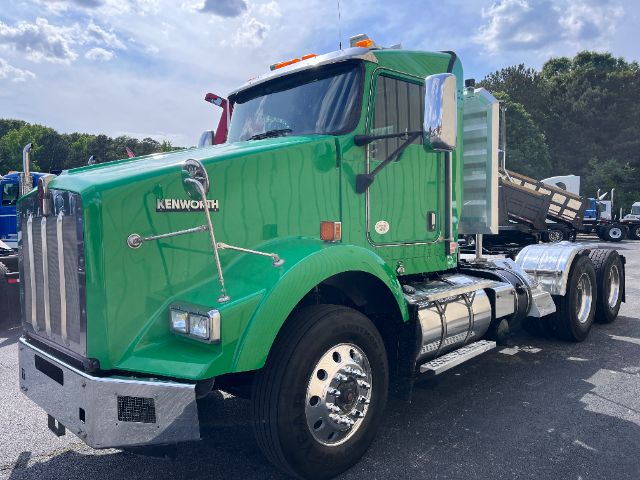
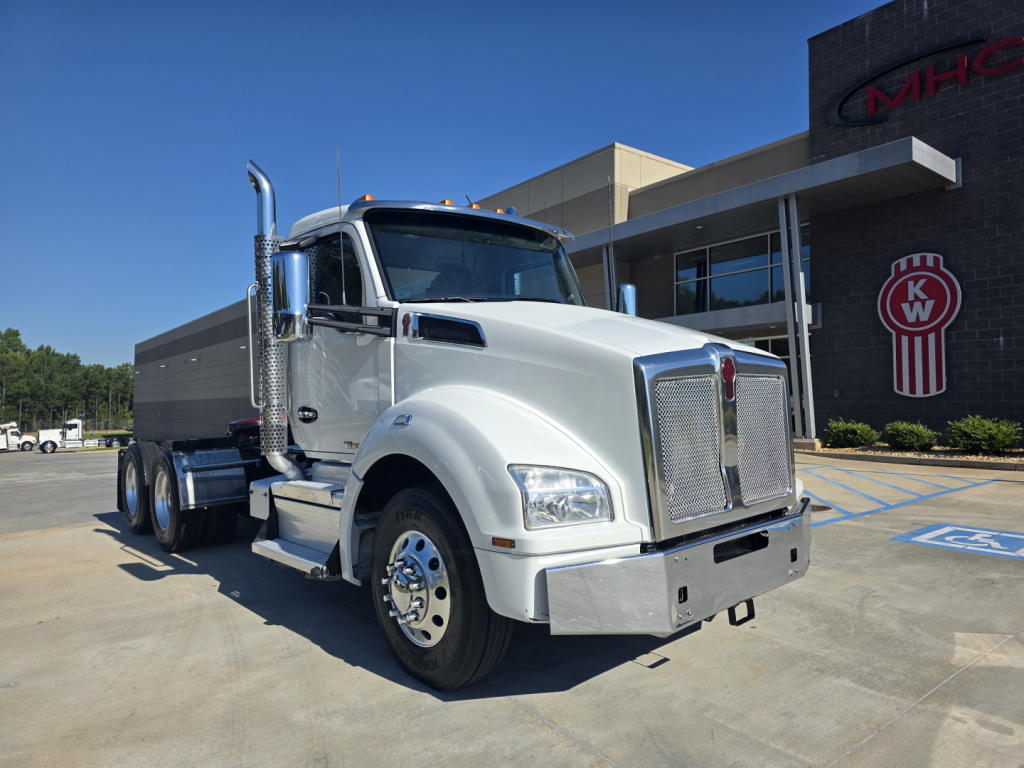
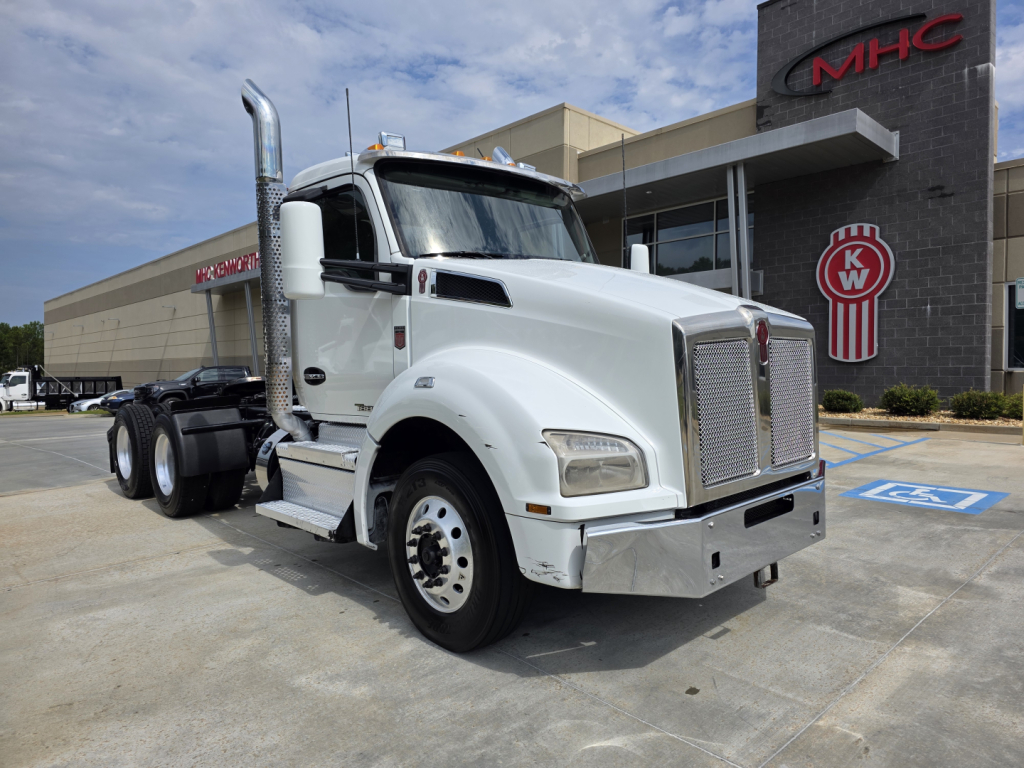

Selling a kenworth conventional daycab truck? List your kenworth conventional daycab truck for sale and reach thousands of commercial buyers.
Kenworth Conventional Daycab Trucks in Georgia
The core spec decisions are engine, transmission, axle ratings, and wheelbase. Many Kenworth daycabs in this class carry Cummins ISX or ISX15 engines in the 400 to 500 horsepower range, often paired with Eaton Fuller manual or automated transmissions. Tandem rear axles rated around 40,000 pounds are standard on many road tractors, with 3.36 to 3.55 rear ratios being common depending on cruise speed, startability, and terrain. A 6x4 configuration, air ride suspension, and an air slide fifth wheel are typical for general freight and drop-and-hook work. If the truck will pull a tanker, lowboy, dump, or pneumatic trailer, look closely at frame spec, PTO provisions, dual line wet kit setup, and front axle capacity.
Cab and chassis details matter more on a daycab because the truck is built around driver efficiency and daily uptime. Kenworth is known for a driver-friendly layout, good visibility, solid steering feel, and durable interior trim that holds up well in fleet and owner-operator service. Features like air ride cab, engine brake, aluminum wheels, dual aluminum fuel tanks, heated mirrors, and tilt-telescoping steering all add value depending on the route. Wheelbase affects trailer swing clearance, bridge law flexibility, and turning radius, so it should match the trailer mix and the work environment. Tire size, low-profile rubber, suspension type, and fifth wheel travel also deserve attention if the truck will change assignments.
For used Kenworth conventional daycab trucks, condition should be judged by more than mileage. Buyers should review engine history, clutch or transmission service, emissions system status, suspension wear, frame condition, and signs of fifth wheel or kingpin abuse. In Georgia operations, cooling system health and air conditioning performance matter because of heat and stop-and-go duty cycles. A well-matched daycab can be a very efficient revenue truck when the drivetrain, axle ratio, and chassis equipment line up with the freight. The best choice is usually the one spec'd for the route and trailer, not simply the highest horsepower or newest model year.
Frequently Asked Questions about Kenworth Conventional Daycab Trucks in Georgia
What is the difference between a Kenworth daycab and a sleeper tractor?
A Kenworth daycab is a conventional road tractor without a sleeper compartment behind the seats. It is designed for local, regional, and return-to-base operations where overnight accommodations are not necessary. Compared with a sleeper, a daycab is typically lighter, shorter, and easier to maneuver, which can improve payload, turning radius, and yard efficiency.
Which Kenworth models are common in conventional daycab configuration?
Two common Kenworth conventional daycab models are the T660 and T800, though other models can also be spec'd this way. The T660 is generally associated with aerodynamic highway use and regional freight. The T800 is often chosen for heavier-duty or vocational applications because it supports a wide range of frame, axle, and PTO configurations.
What axle ratio is best for a Kenworth daycab in Georgia?
The right axle ratio depends on trailer weight, average highway speed, terrain, and how often the truck starts under load. Ratios like 3.36 are common for fuel-efficient highway and regional work, while 3.55 can offer better pulling power and flexibility for mixed service. Buyers running heavier loads, more city miles, or vocational equipment may benefit from the deeper ratio.
Should I choose a manual or automated transmission in a used Kenworth daycab?
Both can be good choices if they match the operation and have been maintained properly. A manual transmission can be preferred in certain heavy-haul or vocational settings where drivers want direct control. An automated manual such as an Ultrashift can improve driver consistency, reduce fatigue in traffic, and help fleets widen the driver pool.
What should I inspect first on a used Kenworth conventional daycab?
Start with the engine and emissions history, then check transmission operation, clutch condition if equipped, rear axle performance, suspension wear, and frame integrity. Inspect the fifth wheel for excessive movement or wear, verify axle ratings and wheelbase against the intended trailer, and look at cab condition, A/C performance, and steering play. Service records and evidence of preventive maintenance are often more important than appearance alone.