
2005 Conventional Daycab Trucks For Sale
Browse 2005 conventional daycab trucks with specs for local haul, regional freight, PTO work, axle ratings, wheelbase, and drivetrain setup.
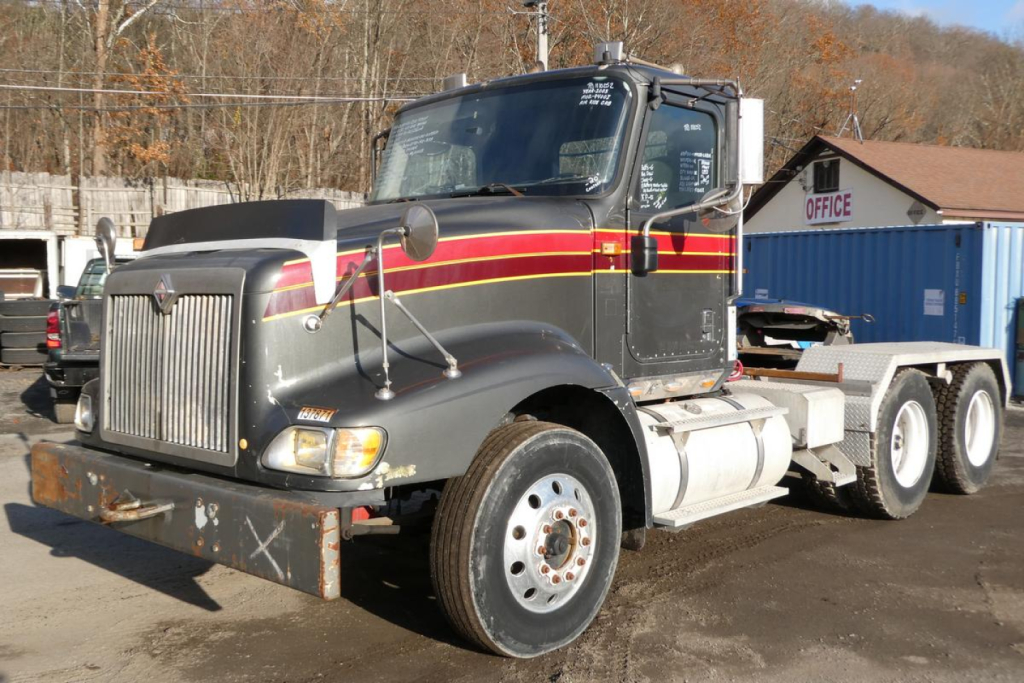
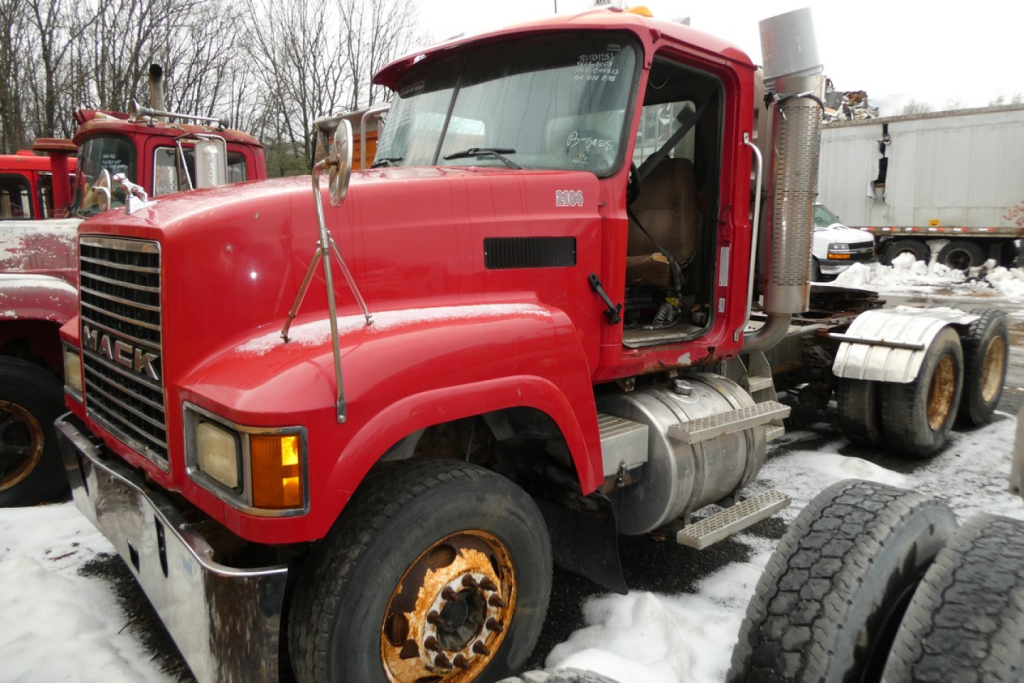
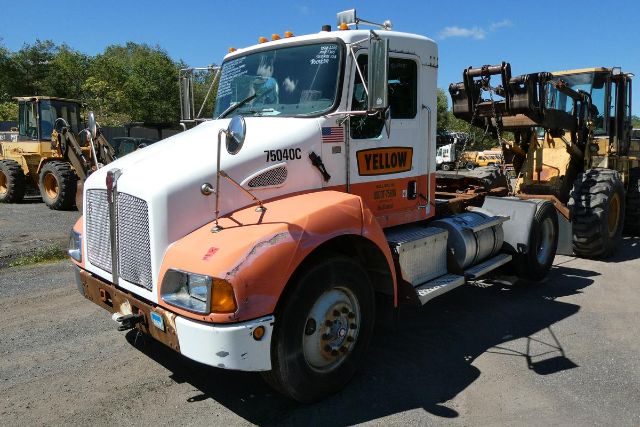
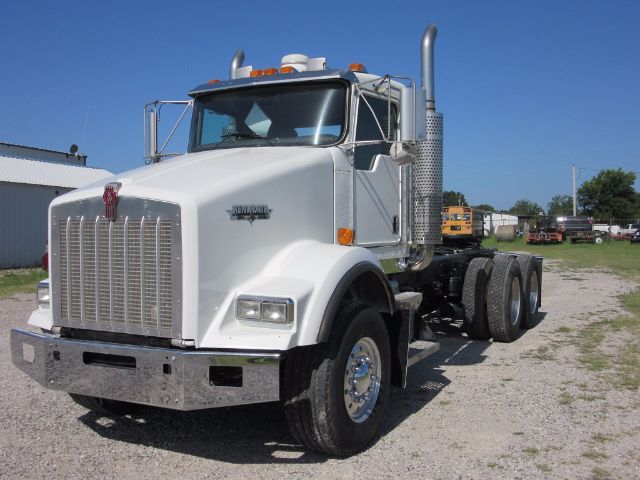
Selling a 2005 conventional daycab truck? List your 2005 conventional daycab truck for sale and reach thousands of commercial buyers.
2005 Conventional Daycab Trucks
The key buying decision is the truck's original spec, not just the badge on the hood. A 2005 daycab may be a lightweight fleet tractor with a 12,000-pound front axle, 20,000 to 23,000-pound rears, and a mid-roof cab for van or reefer work, or it may be a heavier setup with double frame, higher rear axle ratings, full lockers, and PTO provisions for dump, wet kit, or hydraulic applications. Wheelbase, fifth wheel travel, and rear ratio all affect how the truck will perform. Short wheelbase units are easier in tight yards and urban deliveries, while longer wheelbase configurations can ride better and balance weight more effectively with heavier trailers. Transmission choice also matters in this era, since many 2005 trucks were spec'd with 10-speed or 13-speed manuals, though some automated and automatic options were available.
Emissions and serviceability are major advantages in this year range. Most 2005 conventional daycab trucks were built before the later emissions complexity that arrived in subsequent model years, which makes them attractive to buyers focused on simpler maintenance and lower diagnostic overhead. That does not eliminate the need for careful inspection. Engine hours, idle history, frame condition, suspension type, clutch wear, brake setup, and steer axle loading all deserve attention. Buyers should also confirm whether the truck has air ride or spring suspension, drum or disc brakes, sliding or fixed fifth wheel, and the fuel capacity needed for the intended route. Interior condition matters more than many expect on a daycab, because frequent entry and exit can wear seats, pedals, steering components, and door hardware faster than linehaul trucks.
For many operations, a 2005 conventional daycab still fits well where durability and straightforward spec'ing matter more than late-model electronics. A good match comes down to application. Regional dry van and flatbed buyers may prioritize fuel economy, fairings, and highway gearing. Heavy local haul buyers may want higher horsepower, deep ratios, lockups, double frame reinforcement, and wet line capability. The best 2005 daycab trucks are the ones with axle ratings, wheelbase, suspension, and drivetrain that already align with the work, because reconfiguring a tractor after purchase can cost more than buying the right spec to begin with.
Frequently Asked Questions about 2005 Conventional Daycab Trucks
What is a conventional daycab truck?
A conventional daycab truck is a highway-style tractor with a hooded engine layout and no sleeper compartment. It is designed for runs where the driver returns daily or does not need onboard living space. Compared with a sleeper tractor, a daycab usually offers lower curb weight, a tighter overall package, easier entry and exit, and better suitability for local, regional, and vocational tractor work.
Why do buyers look for 2005 conventional daycab trucks specifically?
Many buyers target 2005 trucks because they were generally built before later emissions systems added more complexity to maintenance and diagnostics. That makes this model year attractive for fleets and owner-operators who value simpler engine packages, broad parts familiarity, and easier service access. The tradeoff is that condition, prior use, and maintenance history become especially important because these trucks are older assets.
What specs matter most on a used 2005 daycab?
The most important specs are engine make and horsepower, transmission type, rear axle rating, axle ratio, wheelbase, suspension, and fifth wheel setup. Buyers should also verify front axle capacity, brake type, fuel tank capacity, PTO or wet kit provisions, and whether the truck has a single or tandem drive configuration. Those details determine how well the truck will handle trailer weights, route speed, turning radius, and application-specific demands.
Are 2005 conventional daycab trucks good for local and regional hauling?
Yes, that is one of the most common uses for this category. A 2005 daycab can be a strong fit for local delivery, regional van freight, port drayage, flatbed work, tanker service, and vocational tractor roles if the spec matches the job. Shorter wheelbase units usually perform better in tight urban environments, while longer wheelbase and highway gearing can make more sense for regional lanes and higher-speed operation.
What should be inspected before buying a 2005 conventional daycab truck?
A serious inspection should include engine blow-by, transmission operation, clutch condition if manual, differential noise, suspension wear, frame integrity, brake system condition, tire wear pattern, and signs of overloading or corrosion. Buyers should also review ECM data when available, check engine hours against mileage, inspect the fifth wheel and slider rails, and confirm the truck's axle ratings and wheelbase match the intended trailer and payload. On older daycabs, cab mounts, steering components, and interior wear can also reveal how hard the truck was used.