
2026 Conventional Daycab Trucks For Sale
Shop 2026 conventional daycab trucks with current powertrain, axle, and spec options for regional haul, vocational work, and local freight.
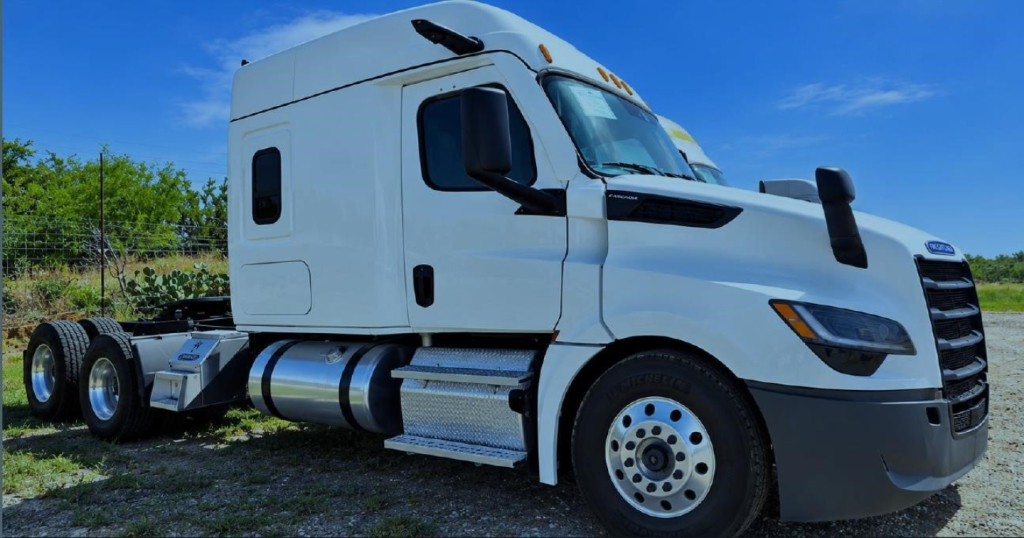
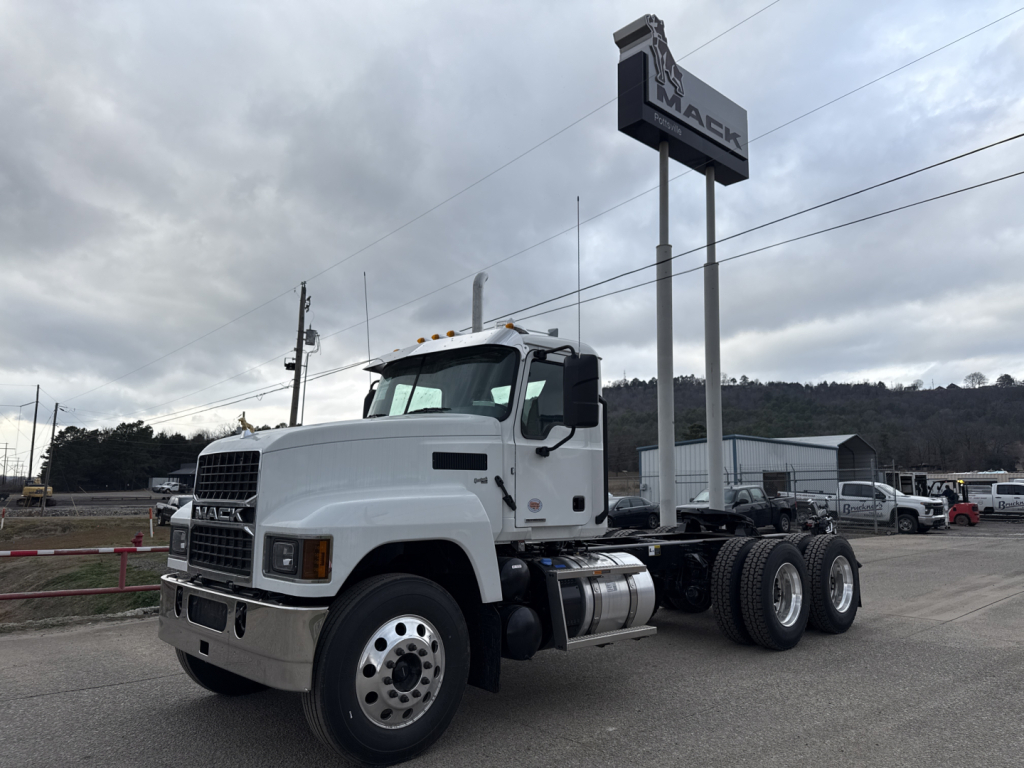
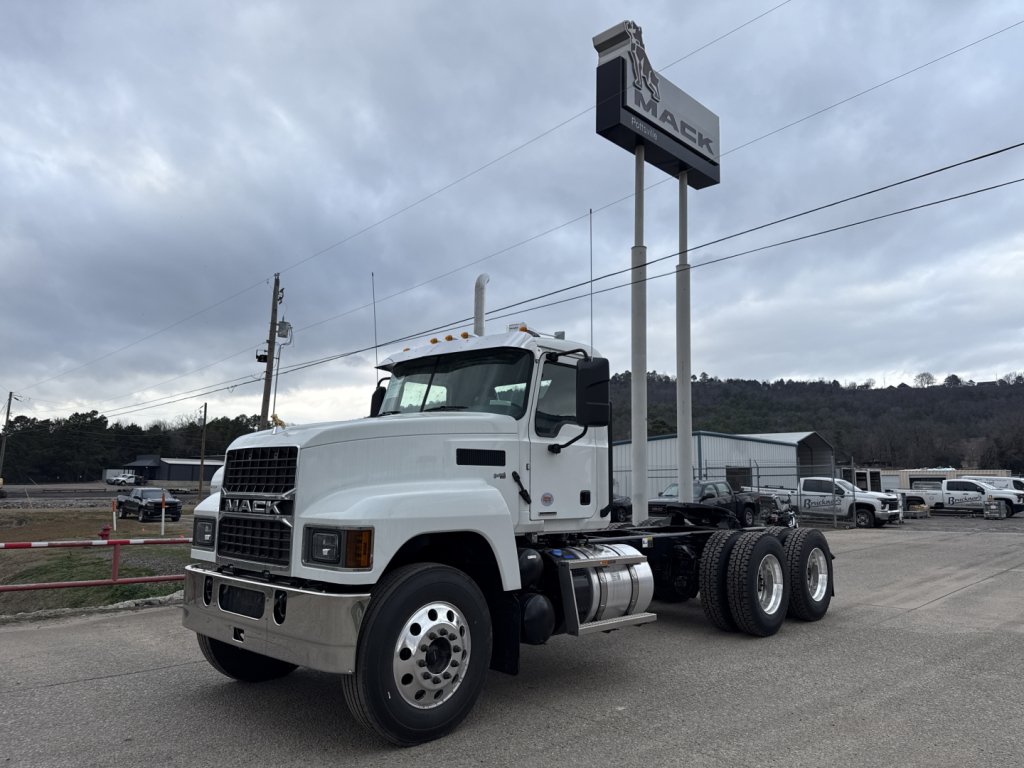
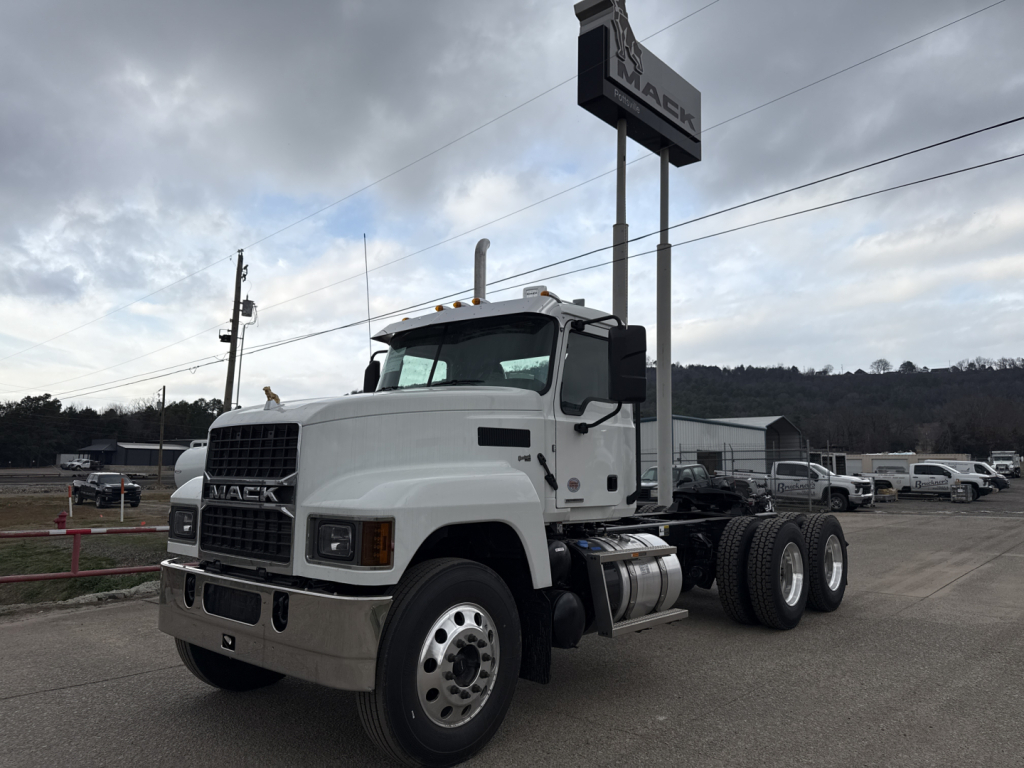
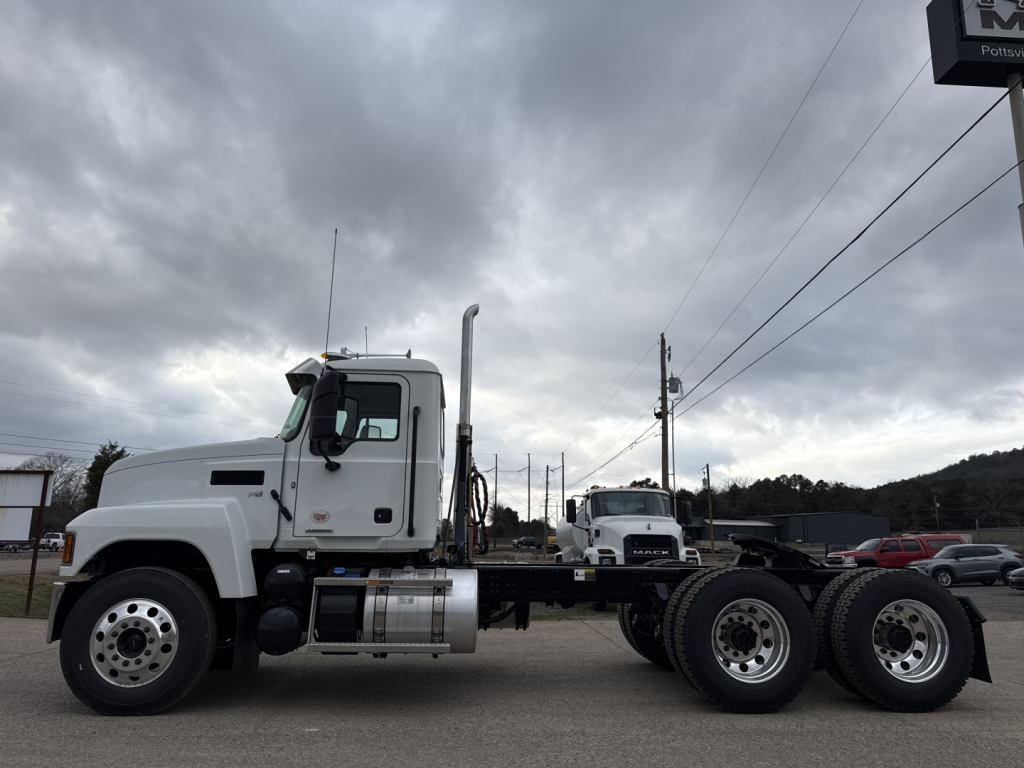
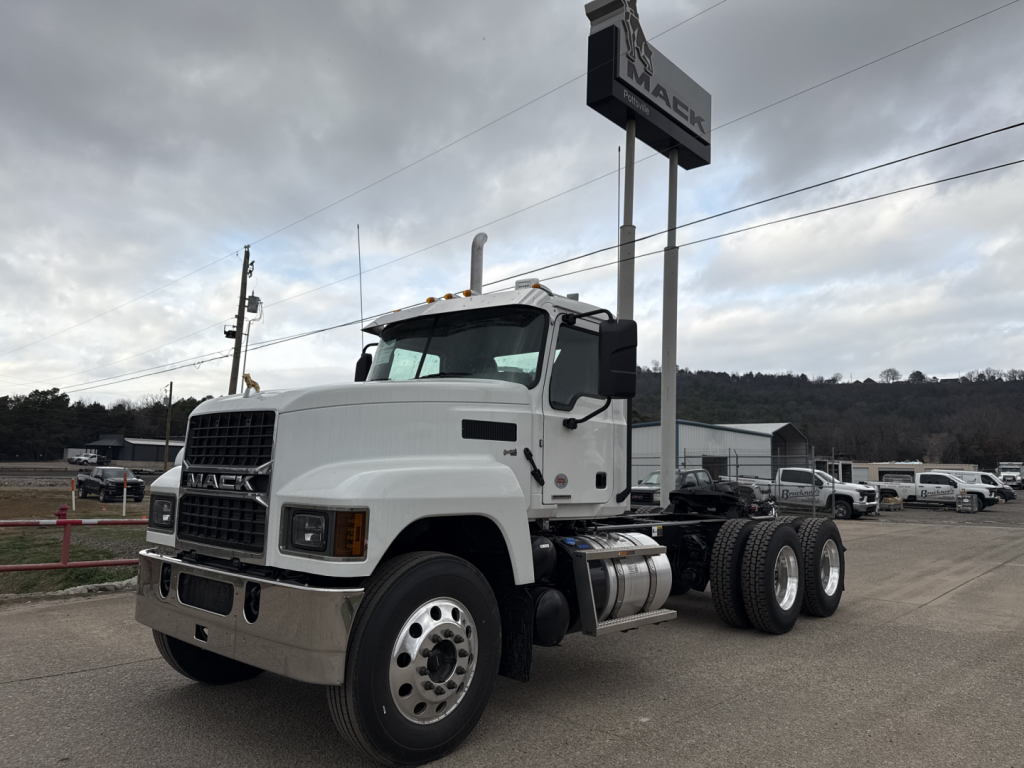
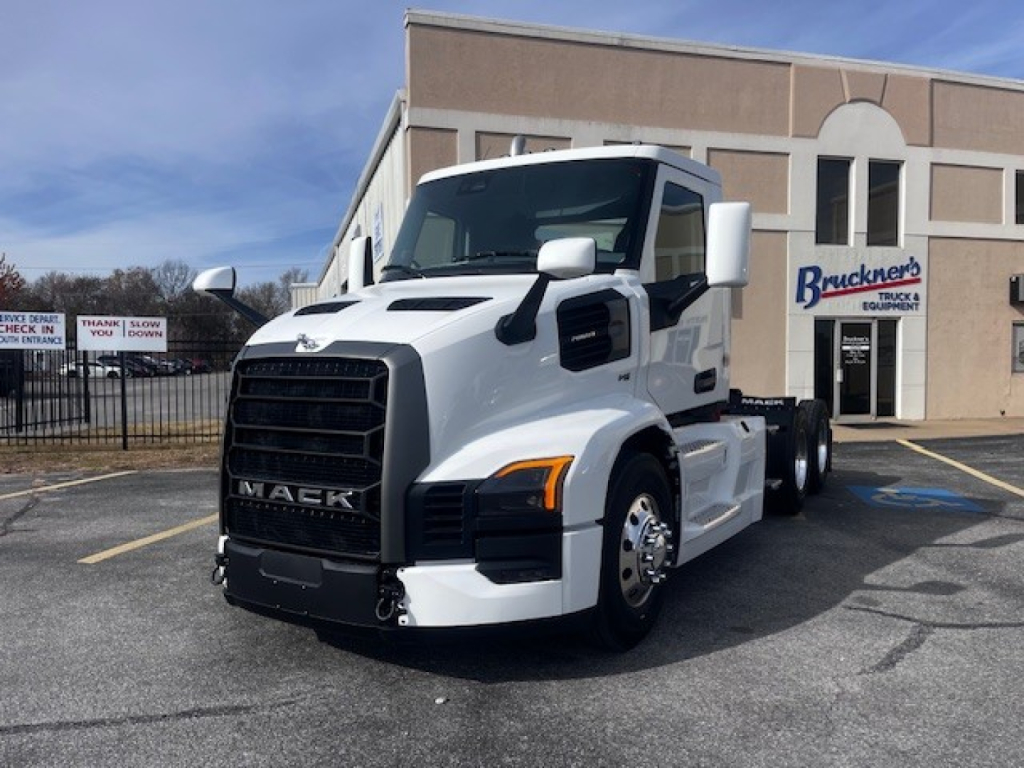
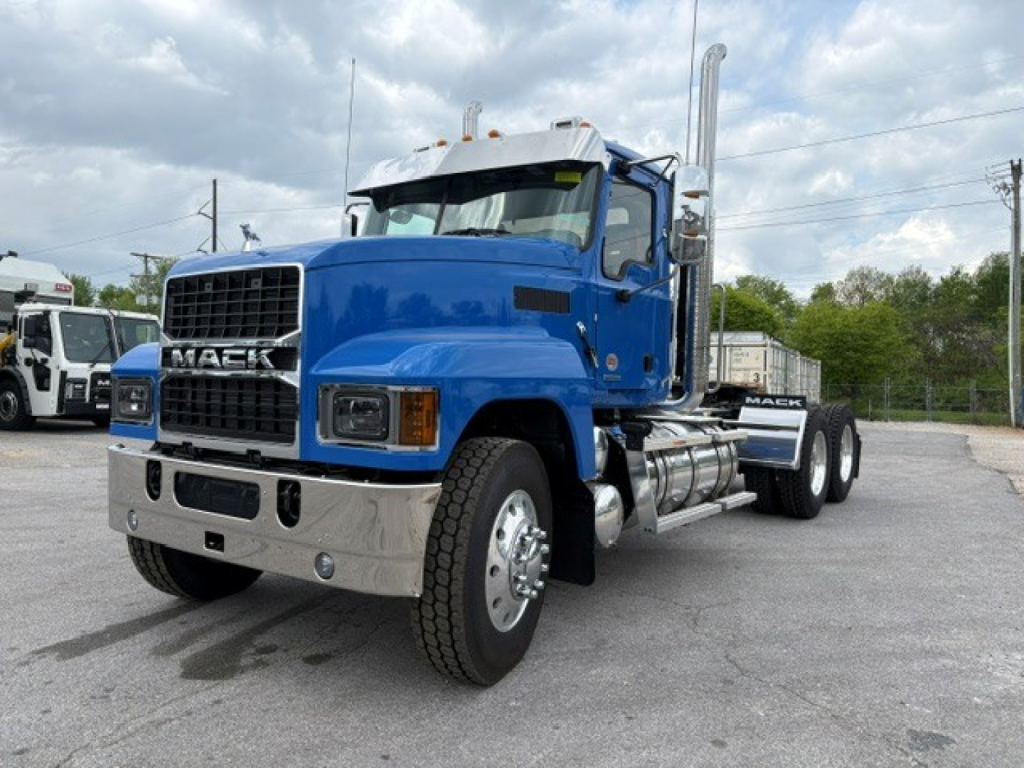
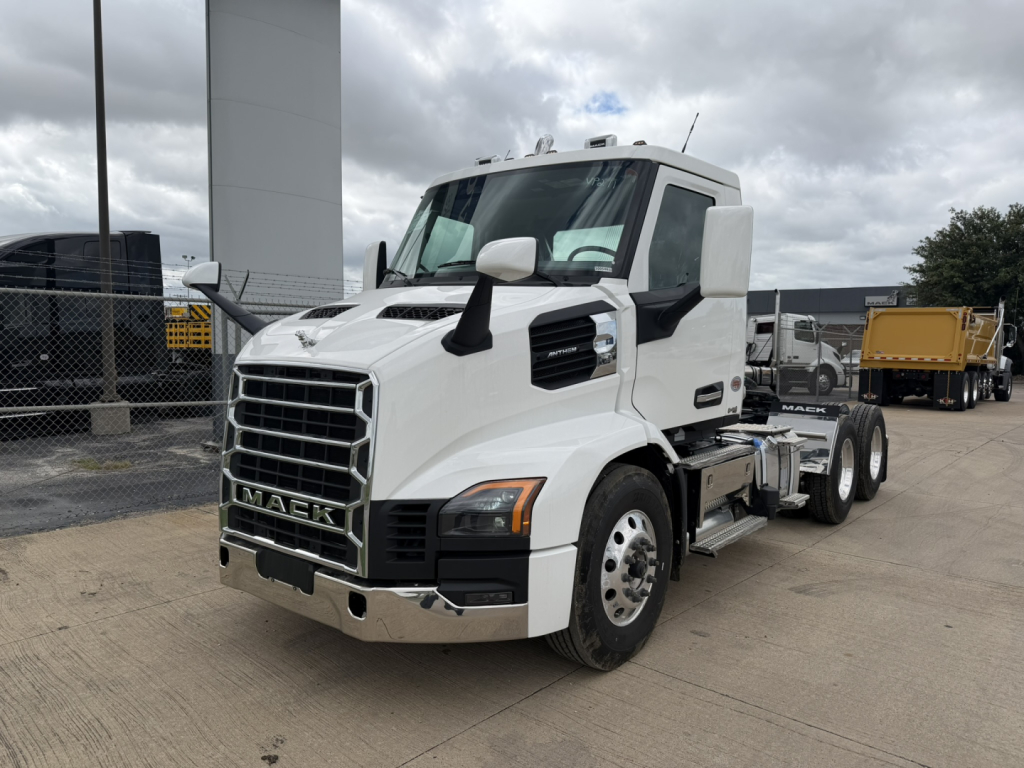
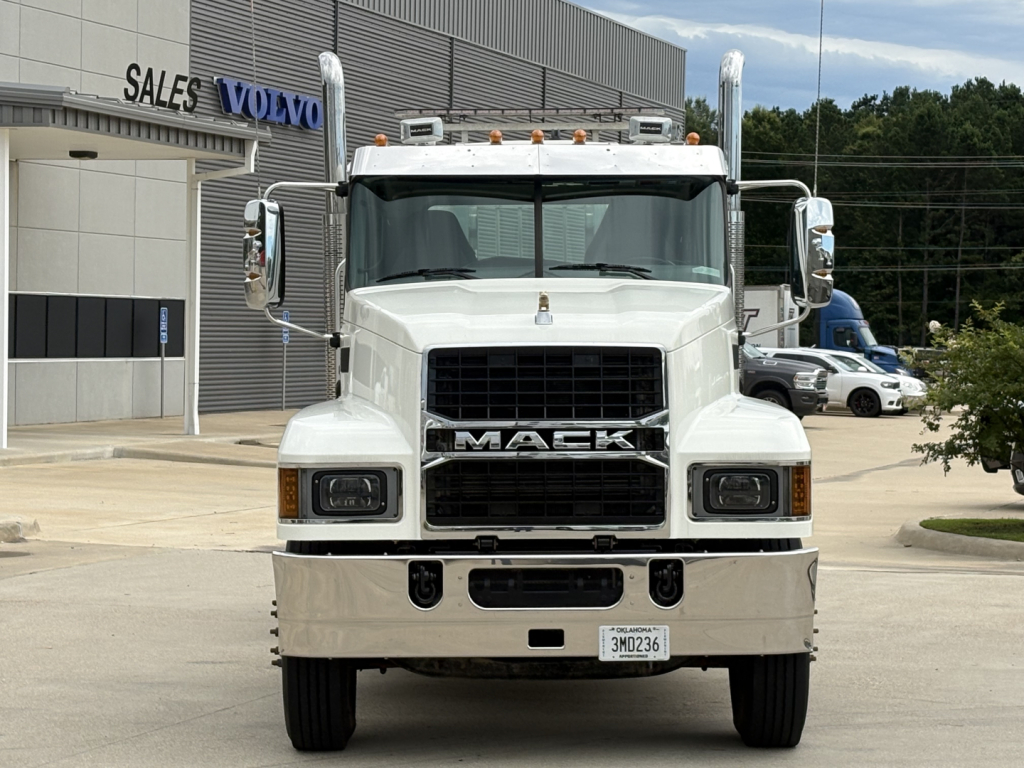
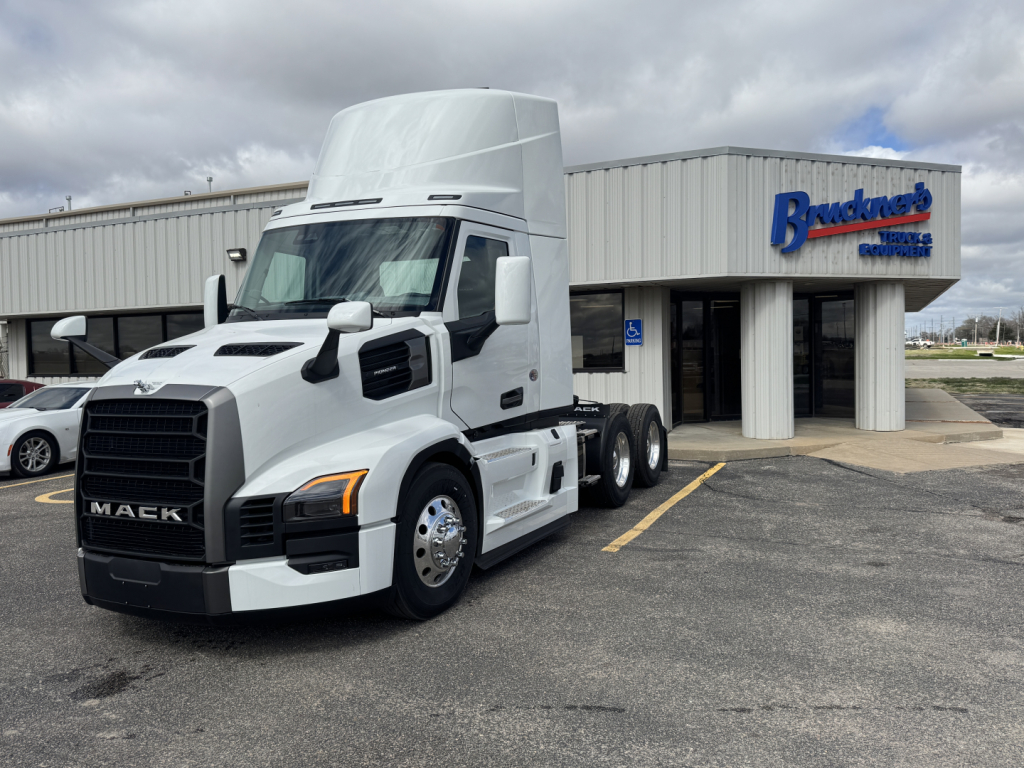
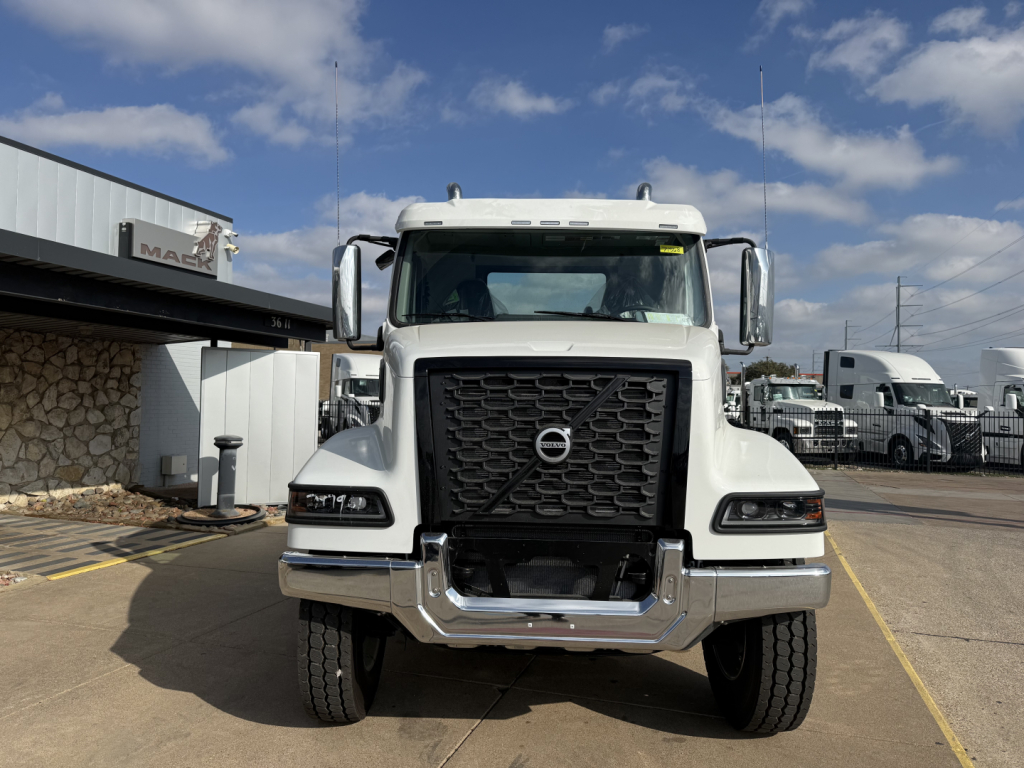
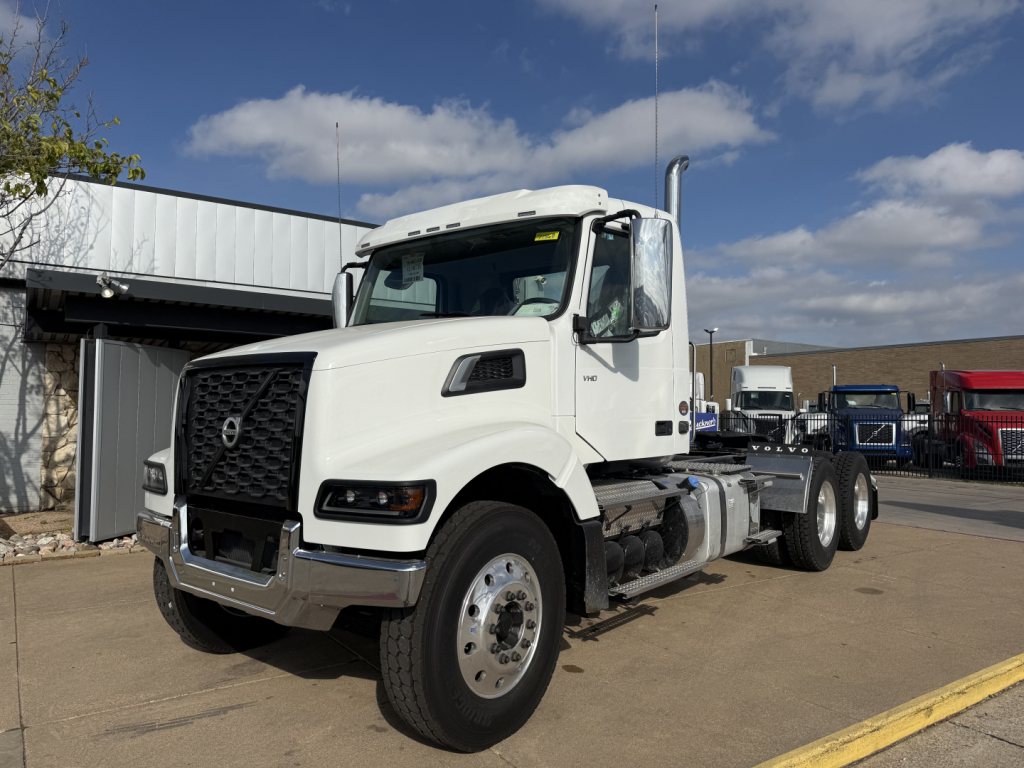
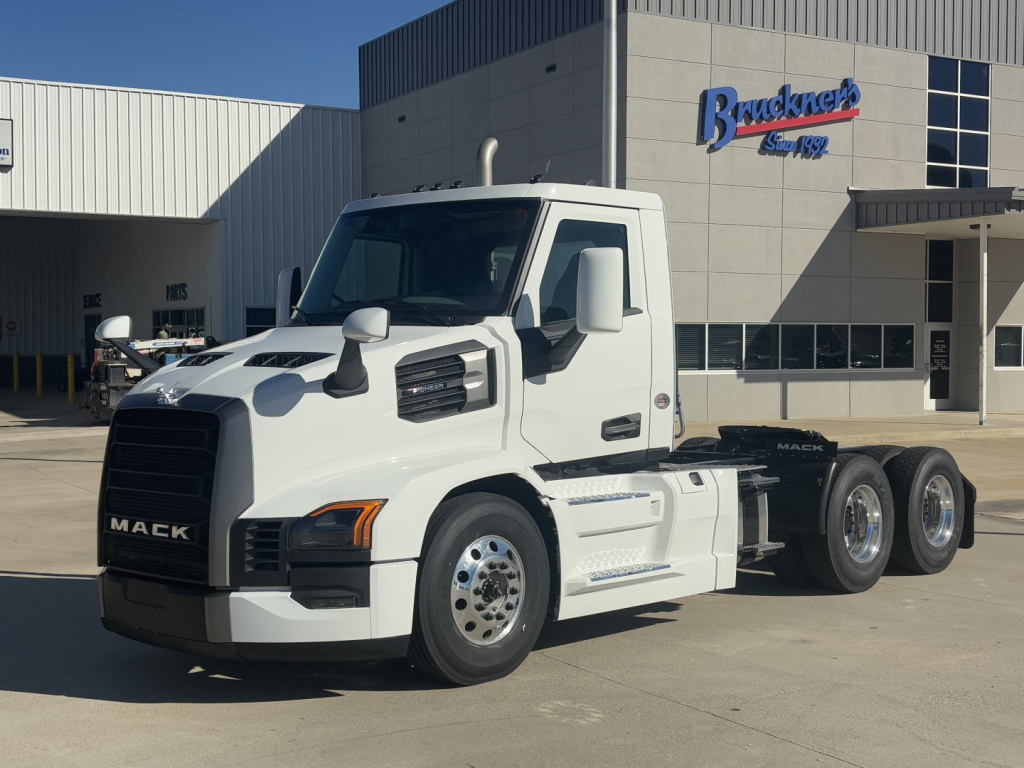
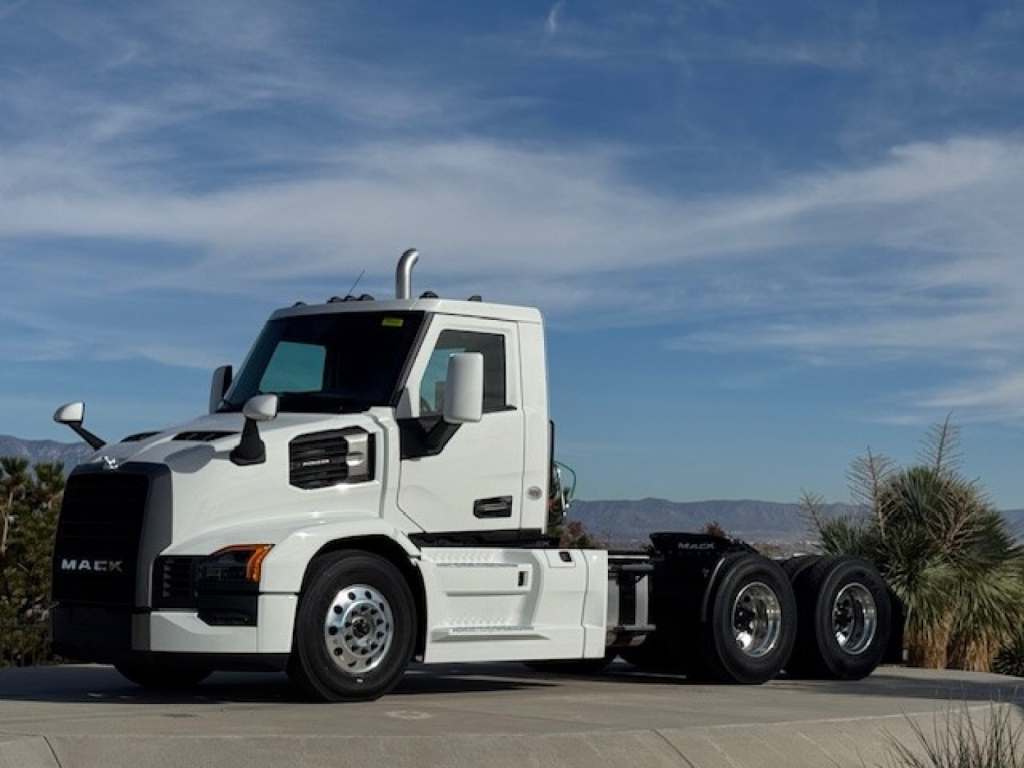
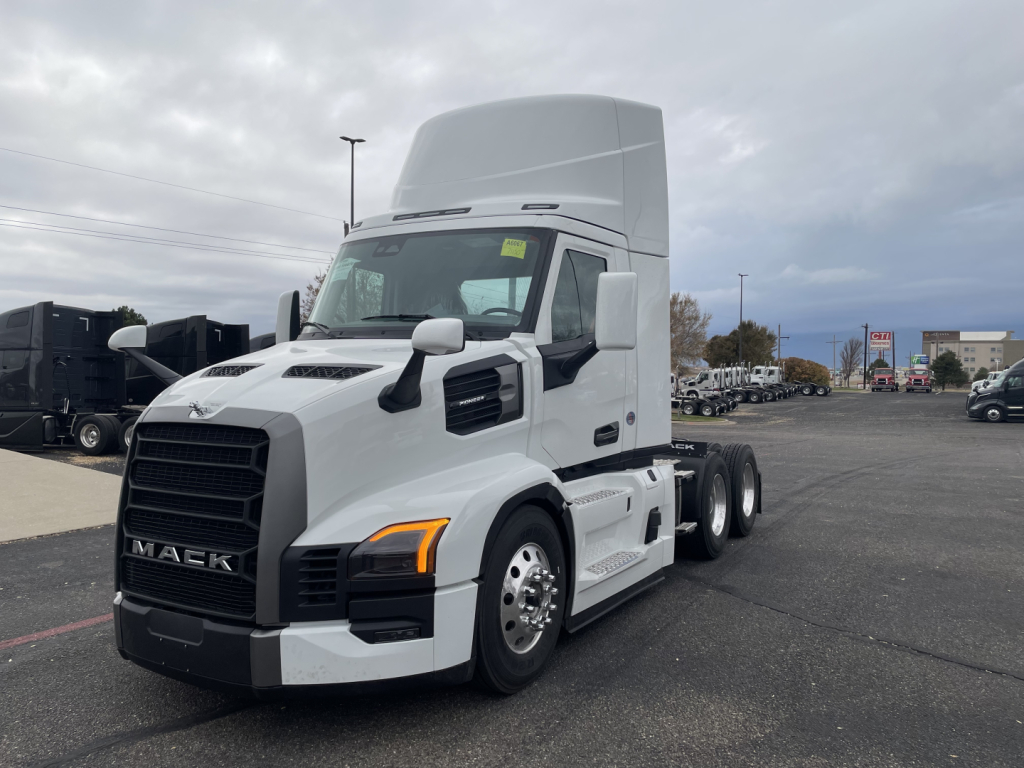
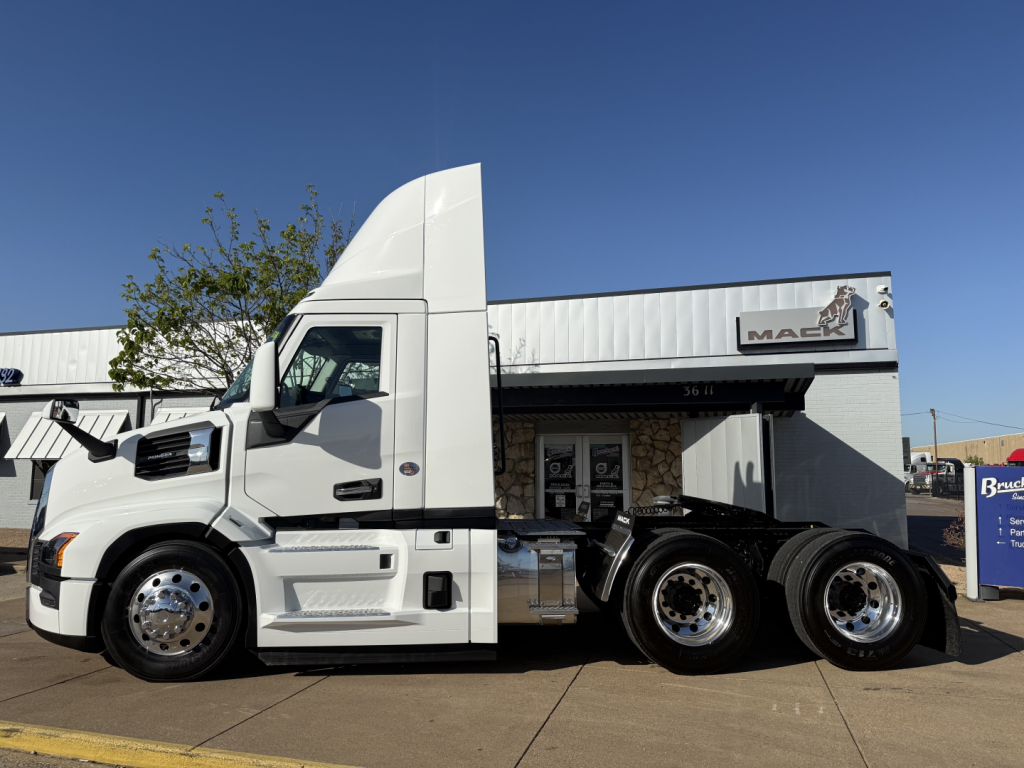
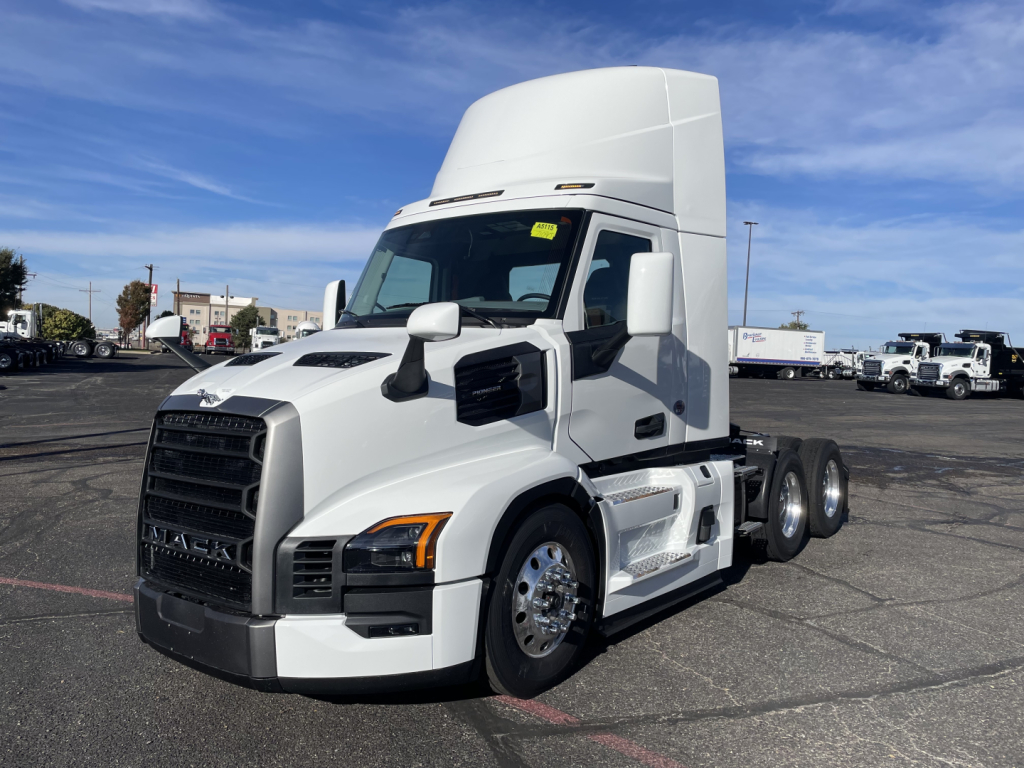
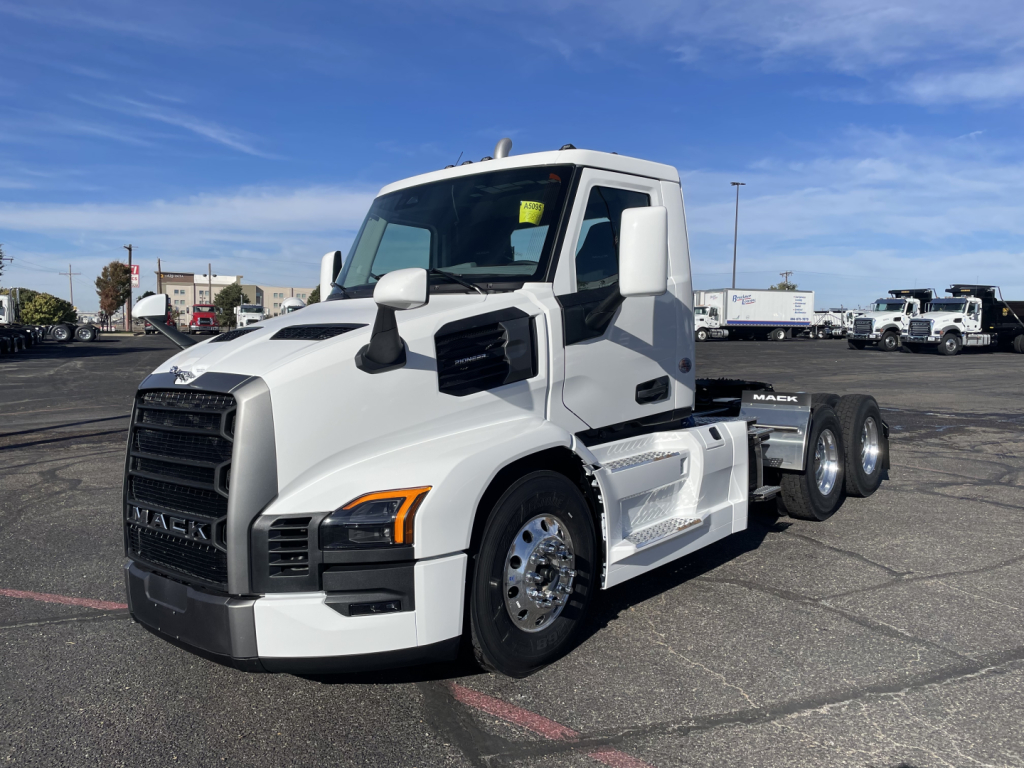
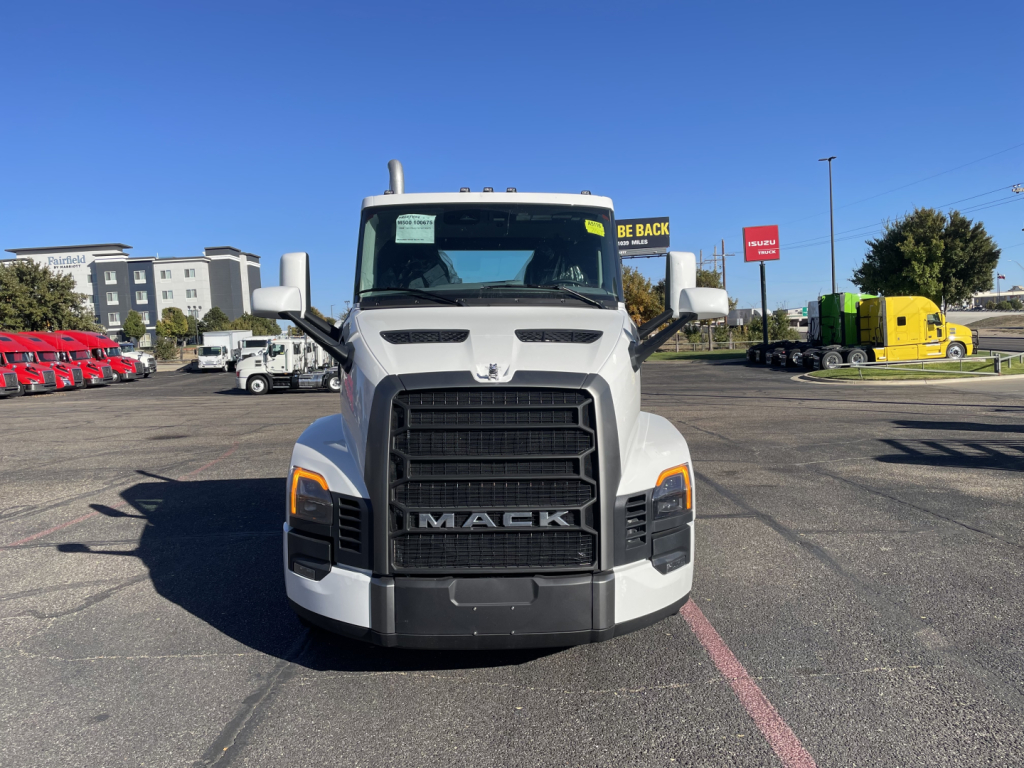
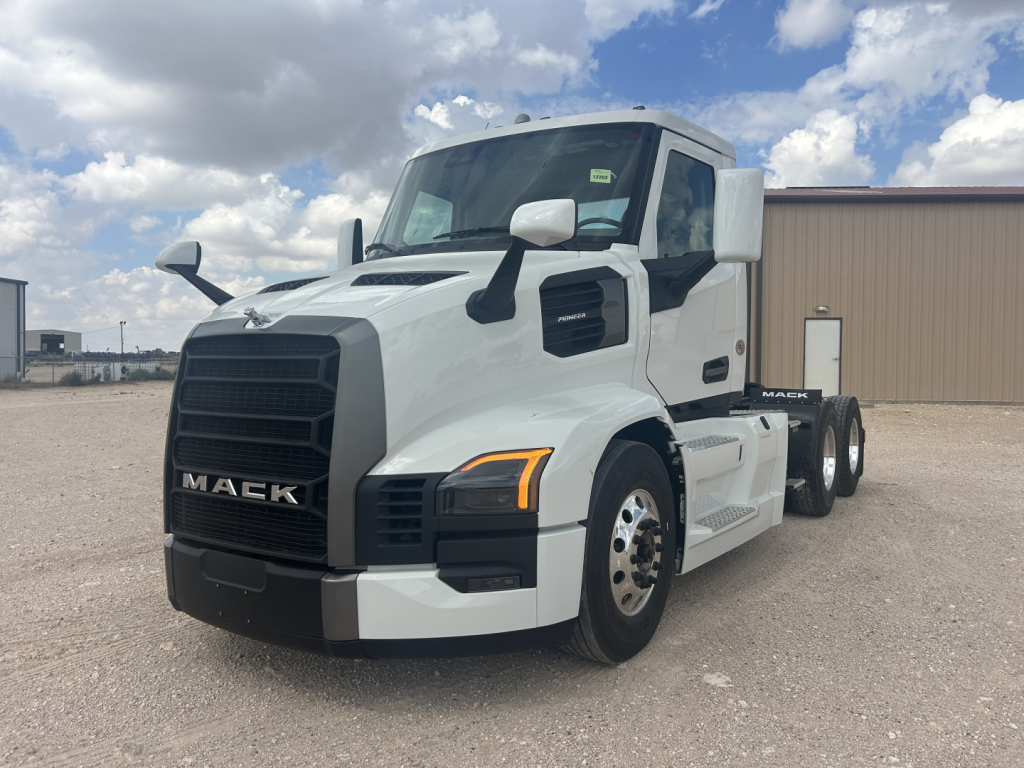
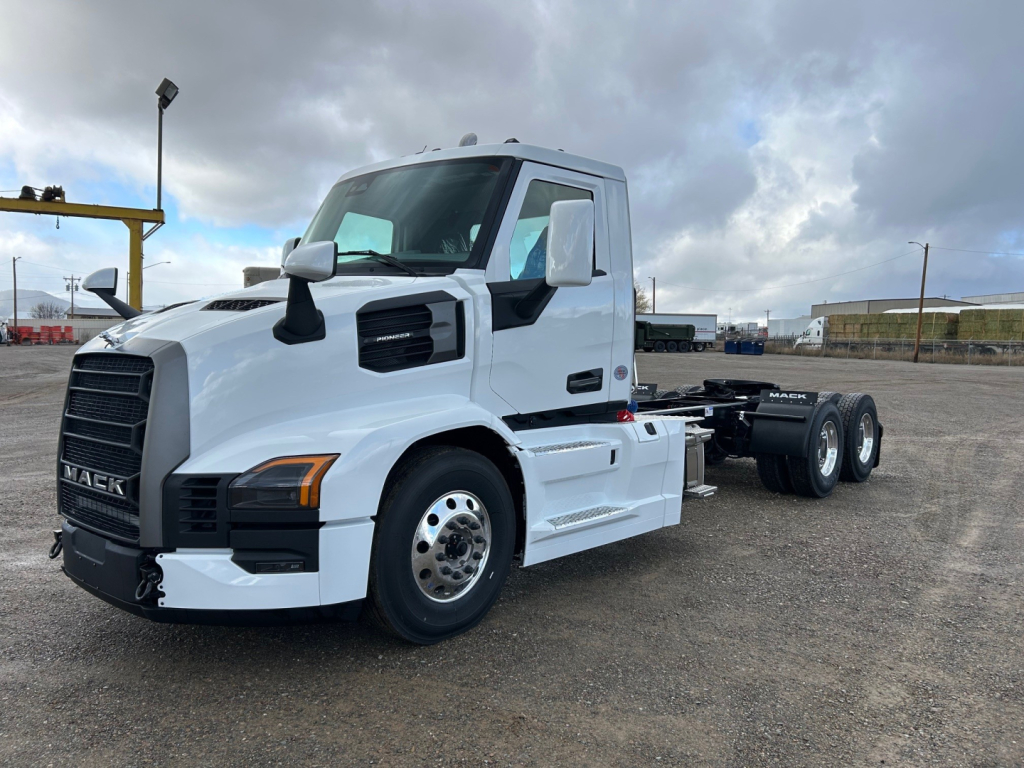
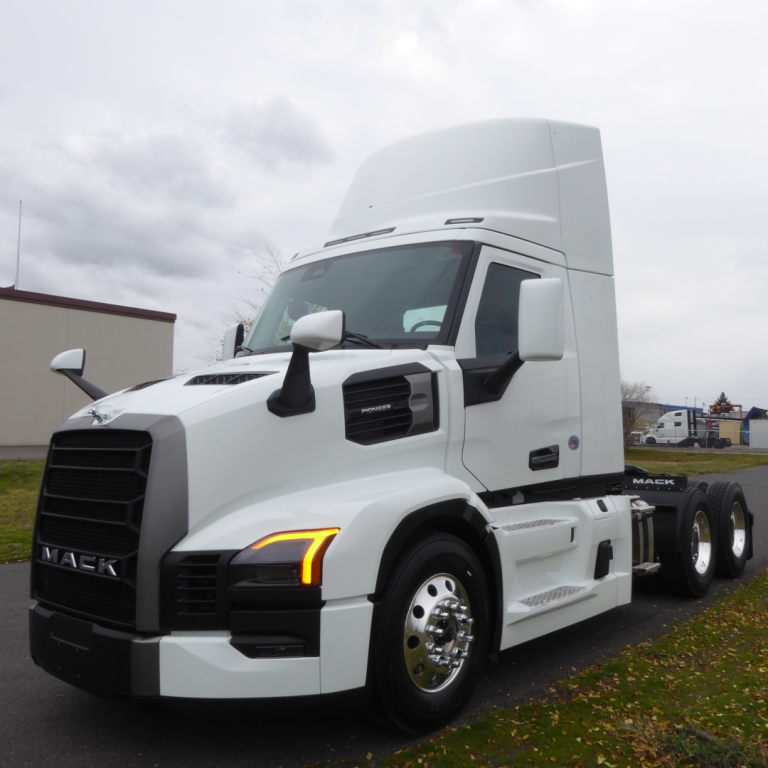
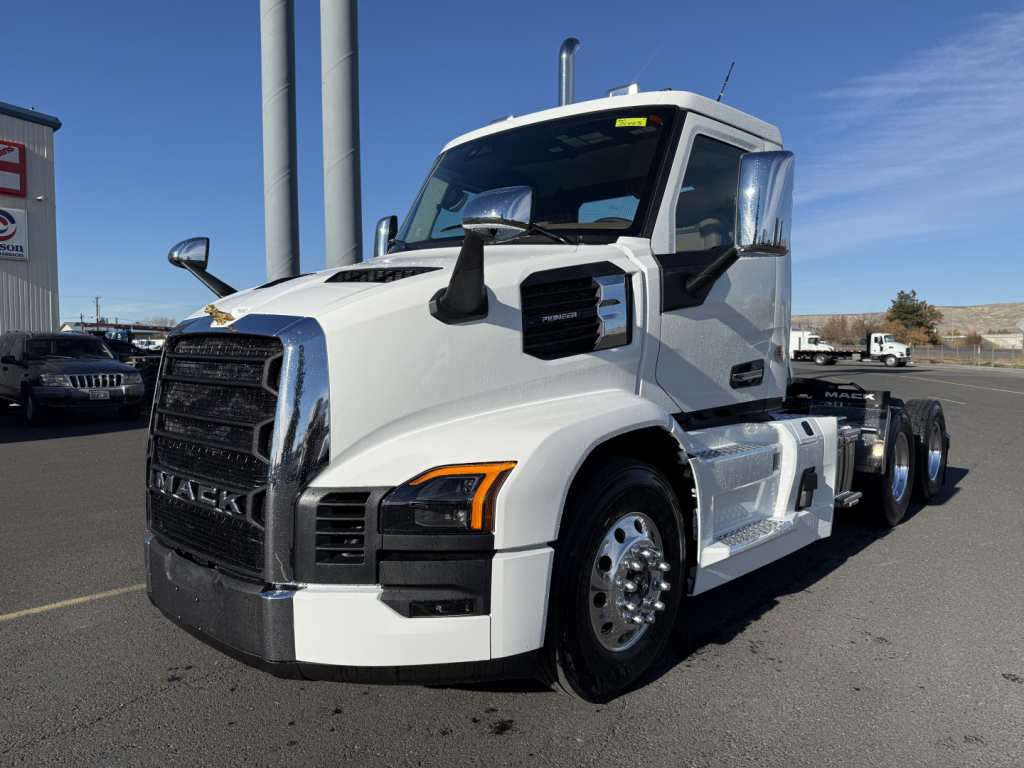
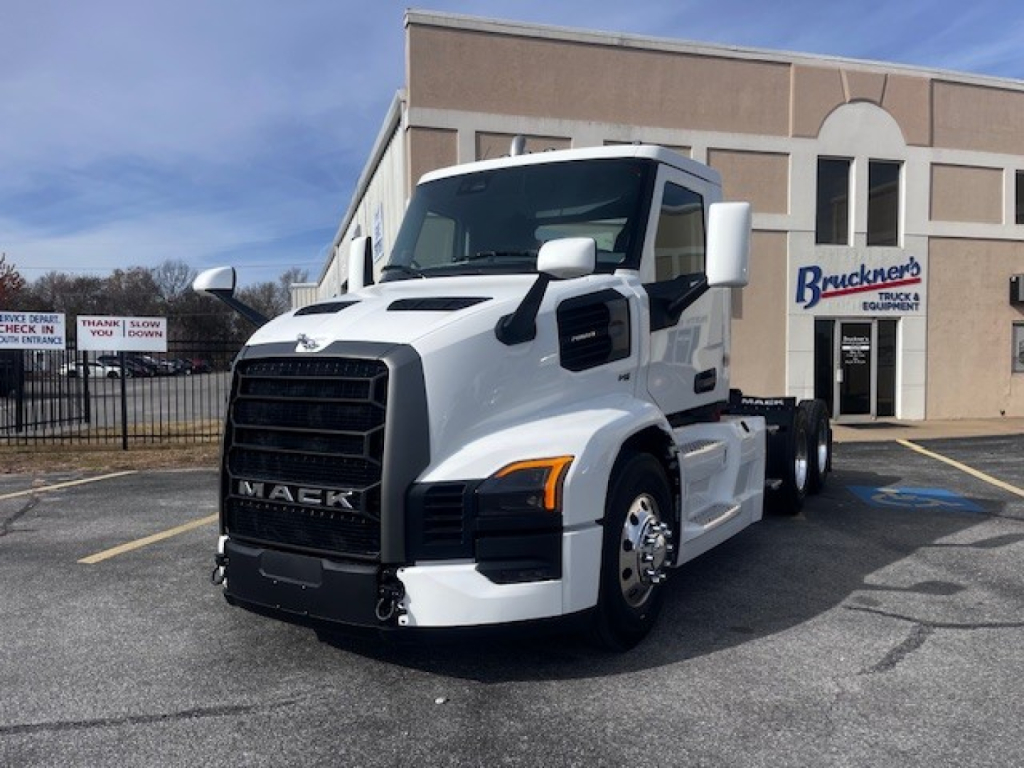
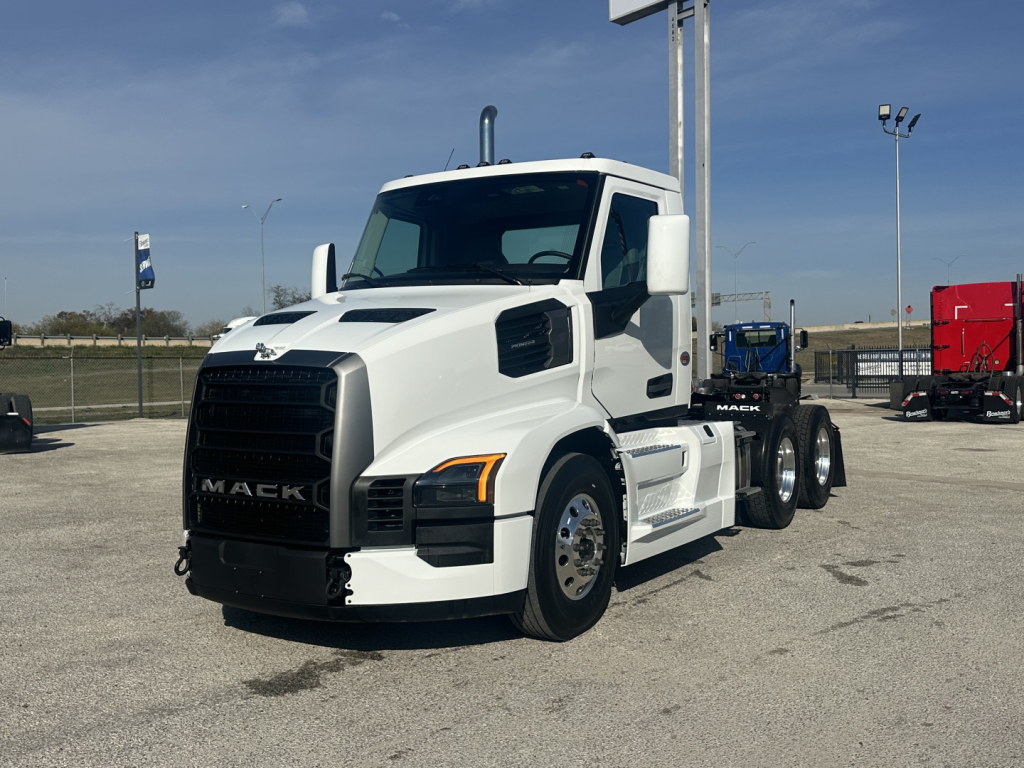
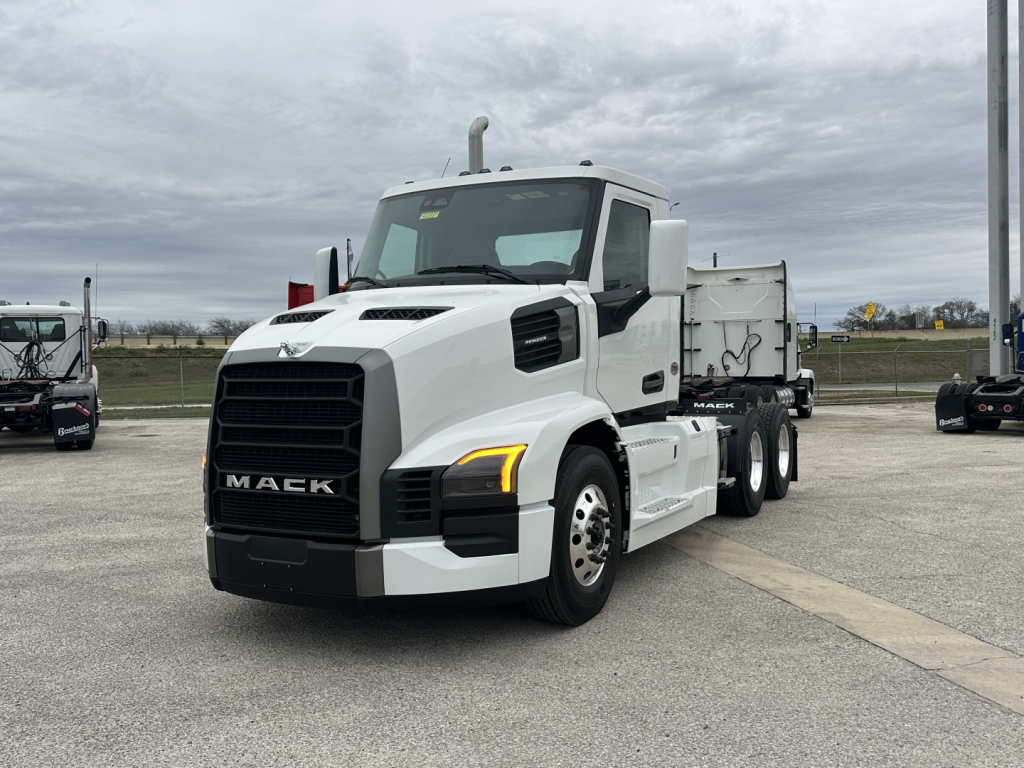
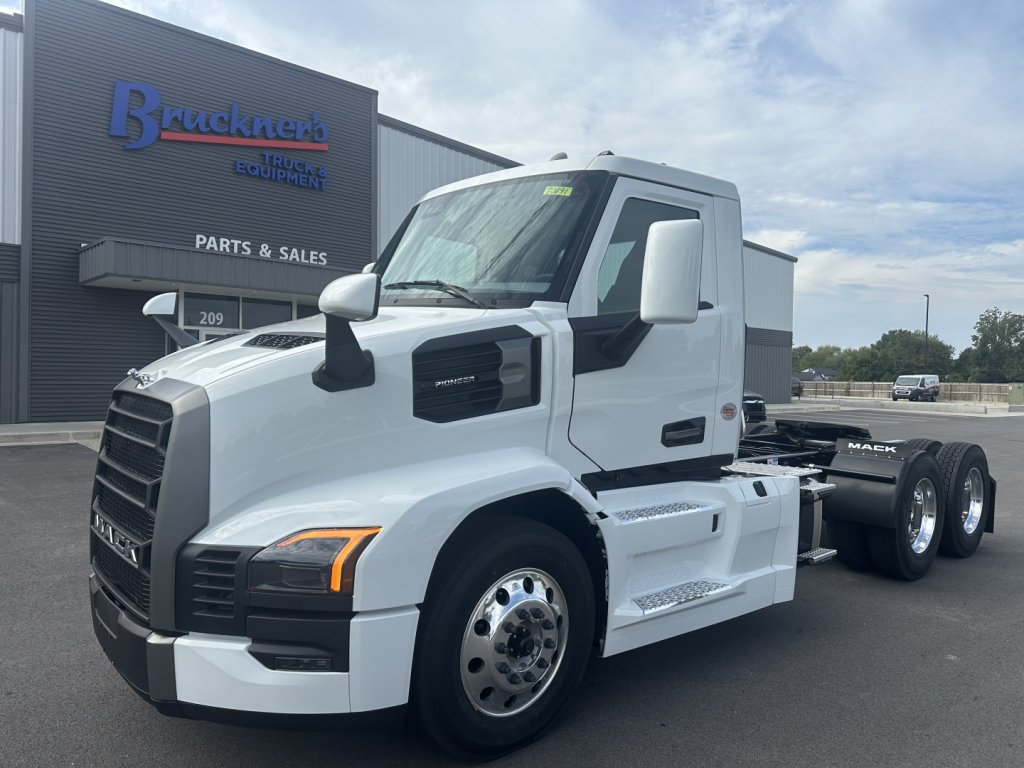
Showing 1 to 28 of 57 results
Selling a 2026 conventional daycab truck? List your 2026 conventional daycab truck for sale and reach thousands of commercial buyers.
2026 Conventional Daycab Trucks
Current-model conventional daycabs cover a wide range of specs. On-highway regional units often land in the 350 to 455 HP range with automated manual transmissions, aerodynamic trim, and 6x4 or 4x2 layouts for fuel efficiency and lower driver fatigue. Heavier vocational daycabs can push well beyond 500 HP and may be ordered with Allison automatics, set-forward or set-back front axles, double frame rails, heavy-duty rears, and severe-service suspensions. Common buying checkpoints include front axle rating, rear axle ratio, fifth wheel height, wheelbase, and GCWR. If the truck will pull multiple trailer types, kingpin settings, sliding fifth wheel travel, and frame clearances deserve close attention.
For 2026 trucks, emissions and electronics are part of the buying equation, not an afterthought. Buyers should compare engine families, engine brake performance, telematics integration, ADAS features, and service network support as closely as they compare cab layout and badge. Automated transmissions continue to dominate regional specs because they reduce training time and help protect driveline components, while vocational fleets still often favor fully automatic setups for stop-and-go work. Interior details matter on daycabs more than some buyers expect because drivers enter and exit constantly. Seat durability, switch placement, visibility, cab insulation, and HVAC performance have a direct effect on productivity.
A good conventional daycab spec is one that matches trailer length, route density, bridge law, and loading environment without carrying unnecessary weight or cost. A shorter wheelbase improves turning radius in urban yards and tight plant access, while a longer wheelbase can help ride quality, fuel capacity, and frame room for PTO or auxiliary equipment. Suspension type, tire package, and axle ratio should match the real duty cycle, not a generic fleet average. For buyers comparing multiple 2026 daycab listings, the smartest approach is to look past make and model first and verify the truck is truly configured for the lanes, trailers, and daily start-stop pattern it will run.
Frequently Asked Questions about 2026 Conventional Daycab Trucks
What is a conventional daycab truck best used for?
A conventional daycab truck is best suited for local and regional work where the driver returns home daily and does not need sleeper space. Common applications include LTL, port drayage, tanker, dump, flatbed, intermodal, and dedicated short-haul freight. The main advantages are lower weight, easier cab access, better maneuverability than many sleeper tractors, and a spec range that can be tailored from fuel-efficient regional hauling to severe-duty vocational service.
What should I compare first when shopping for a 2026 daycab tractor?
Start with the duty cycle and trailer combination. Check axle configuration, wheelbase, horsepower, torque, transmission type, rear axle ratio, suspension, and fifth wheel setup before focusing on appearance or brand preference. A truck that looks right on paper can still be wrong if the fifth wheel height does not match your trailers, the axle ratio is mismatched for your speed and load profile, or the wheelbase is too long for tight yards and city deliveries.
Are automated manual transmissions standard in modern daycab trucks?
They are extremely common in current-model daycab tractors, especially for regional and fleet service. Automated manuals help with fuel economy consistency, reduce clutch wear, and make hiring and training easier. Fully automatic transmissions are also popular in refuse, mixer, heavy vocational, and stop-and-go applications where low-speed control and frequent shifting matter more than highway efficiency.
How do I choose between a lighter regional spec and a heavy vocational spec?
The choice comes down to payload, terrain, PTO needs, trailer type, and time spent on pavement versus jobsites. A lighter regional spec usually emphasizes aerodynamics, lower tare weight, and fuel economy with highway-friendly gearing and suspension. A heavy vocational spec typically adds frame strength, higher axle ratings, more robust suspensions, PTO capability, and drivetrain components built for harsher operating conditions and heavier starts.
Does wheelbase matter on a daycab as much as engine and transmission?
Yes. Wheelbase affects turning radius, ride quality, bridge compliance, fuel tank capacity, frame space, and trailer swing clearance. A shorter wheelbase is often better for urban operations, docks, and port work, while a longer wheelbase may better support higher fuel capacity, PTO equipment, or ride comfort on regional routes. It should be chosen as part of the full tractor-trailer setup, not as an isolated number.